

Estimating Capital Costs for Cement Plants: Crushing, Grinding, Kiln, and Mill
Establishing a cement plant requires significant capital investment, with costs varying based on production capacity, technology, and regional factors. Key components like crushing, grinding, kilns, and mills dominate the expenditure. Here’s a breakdown of typical capital costs per ton of cement production. 
1. Crushing and Raw Material Preparation
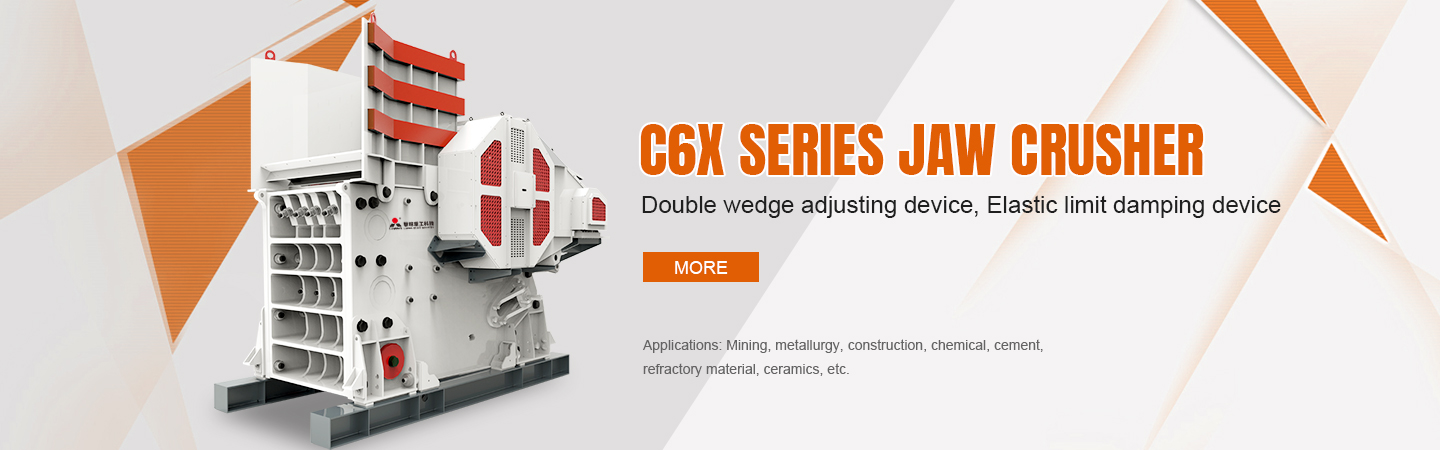
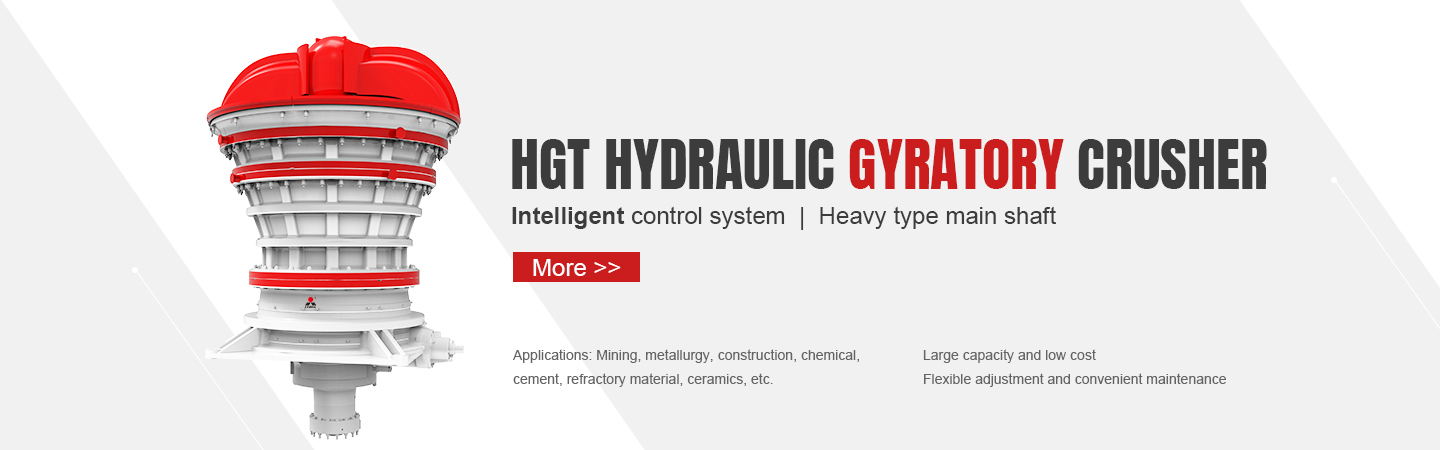
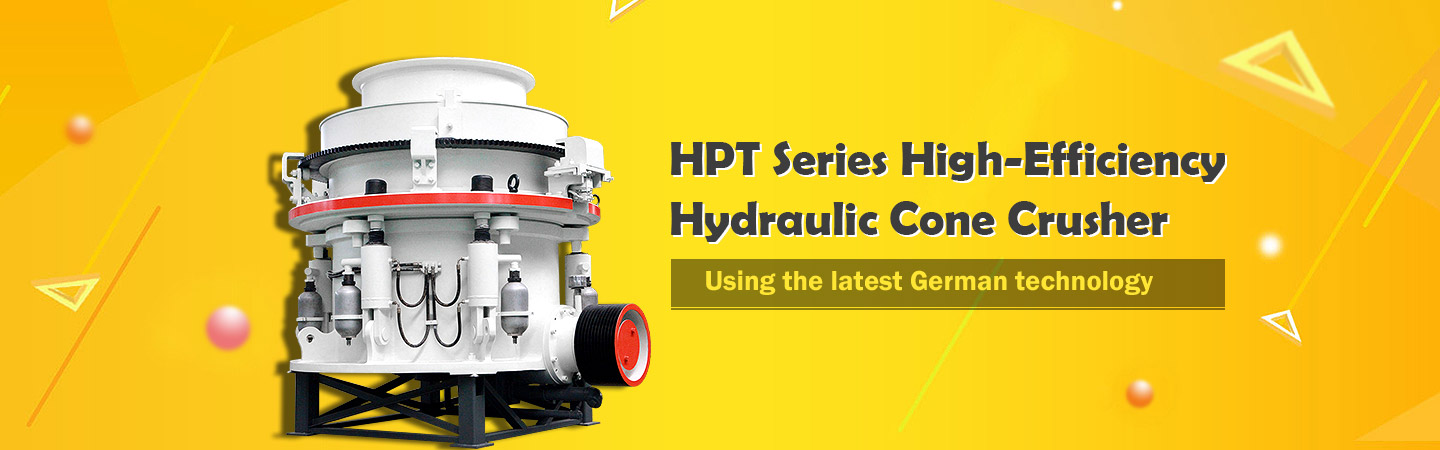
The initial stage involves crushing limestone, clay, and other raw materials. Capital costs for crushers and pre-homogenization systems range between $5 to $15 per ton of annual capacity. Factors like raw material hardness and plant location influence this range.
2. Grinding Systems
Raw material grinding (e.g., vertical roller mills or ball mills) accounts for $10 to $25 per ton of capacity. Vertical roller mills are more energy-efficient but may have higher upfront costs compared to traditional ball mills.
3. Kiln Systems
The kiln is the most critical and expensive component. Modern dry-process kilns, including preheaters and precalciners, cost $50 to $120 per ton of annual output. Kiln size, fuel type, and emission control systems significantly impact costs.
4. Finish Grinding (Cement Mills)
Final grinding of clinker with additives (e.g., gypsum) requires $15 to $30 per ton of capacity. Roller presses or hybrid systems may reduce energy use but increase initial investment. .jpg)
Total Capital Cost Estimate
Combining these components, a greenfield cement plant typically requires $100 to $200 per ton of annual production capacity. Smaller plants (<1 million tons/year) often face higher per-ton costs due to economies of scale, while larger facilities (>2.5 million tons/year) may achieve lower costs.
Additional Considerations
- Location: Labor, logistics, and regulatory compliance can add 10–30% to costs in developed markets.
- Technology: Advanced systems (e.g., waste heat recovery) raise initial costs but lower operating expenses.
- Project Scope: Costs exclude land, infrastructure, and permitting, which vary widely.
For accurate budgeting, detailed feasibility studies and vendor quotes are essential, as regional disparities and market conditions heavily influence final figures.