
Table of Contents
Hard Rock Gold Mining Equipment: Essential Tools for Extracting Precious Metal
Gold mining in hard rock deposits requires specialized equipment to break, extract, and process ore efficiently. Unlike placer mining, which focuses on loose sediments, hard rock mining involves drilling into solid rock to reach gold-bearing veins. Here’s a breakdown of the key equipment used in this demanding process.
1. Drilling Equipment
Before extraction begins, miners must drill into the rock to create blast holes or sample the ore. Common tools include:
- Jackleg Drills: Pneumatic drills used in underground mining to bore holes for explosives.
- Top Hammer Drills: Heavy-duty surface drills for deeper blasting patterns.
- Diamond Core Drills: Provide precise ore samples to assess gold content.
2. Blasting and Breaking Tools
Once holes are drilled, explosives like dynamite or ANFO (ammonium nitrate/fuel oil) are used to fracture the rock. After blasting, secondary breaking may be necessary with: 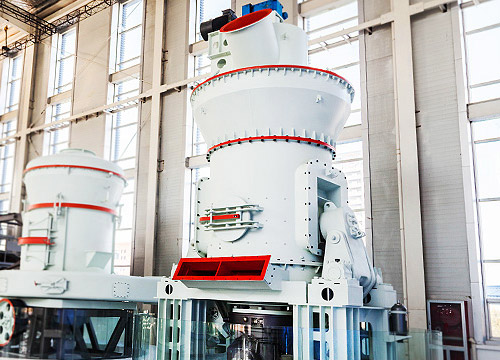
- Hydraulic Hammers: Attached to excavators to break oversized boulders.
- Rock Splitters: Mechanical or hydraulic tools for controlled fragmentation.
3. Loading and Hauling Machinery
Broken ore must be moved to processing areas. Key equipment includes:
- LHD Loaders (Load-Haul-Dump): Tracked or wheeled vehicles that scoop and transport ore in tunnels.
- Dump Trucks: Heavy-duty haulers for surface mining operations.
- Conveyor Systems: Used in larger mines to automate ore transport.
4. Crushing and Grinding Mills
Gold-bearing rock must be reduced to a fine consistency for extraction. Common machinery includes:
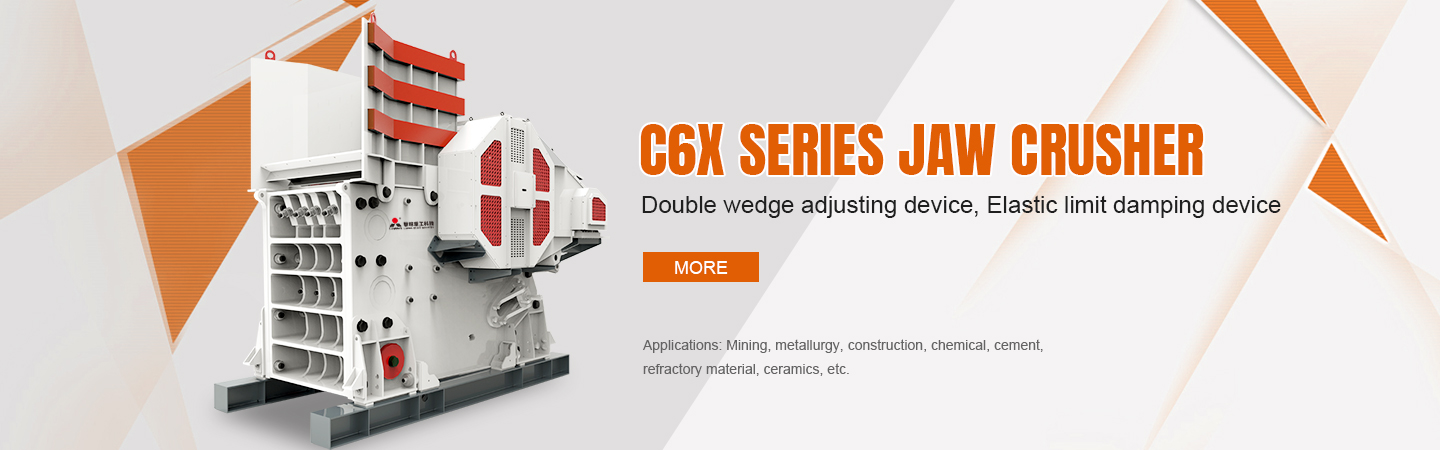
- Jaw Crushers: Primary crushers that break large rocks into smaller pieces.
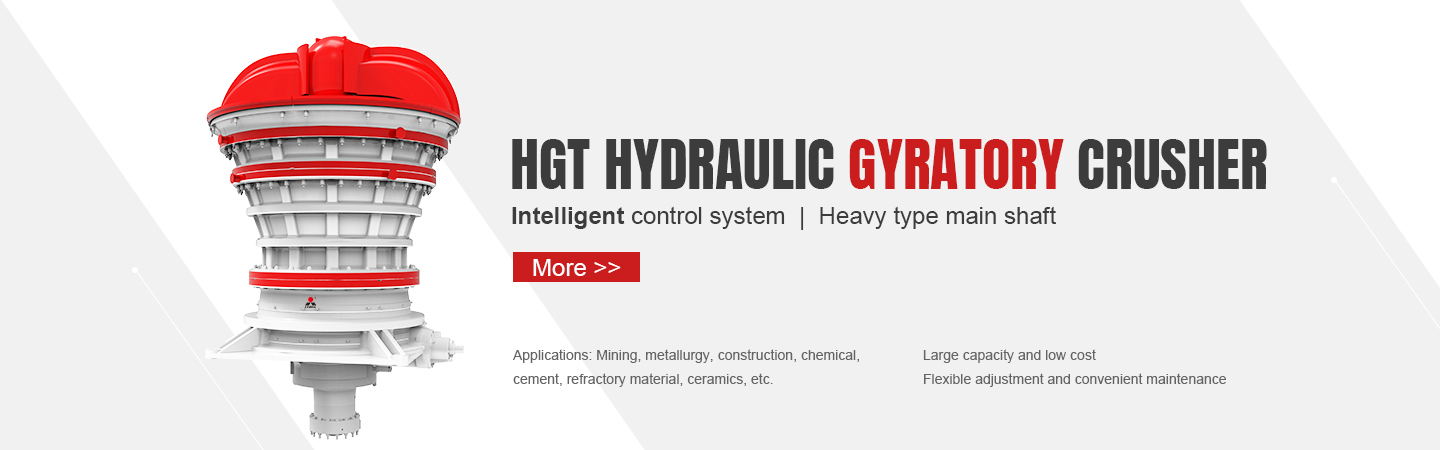
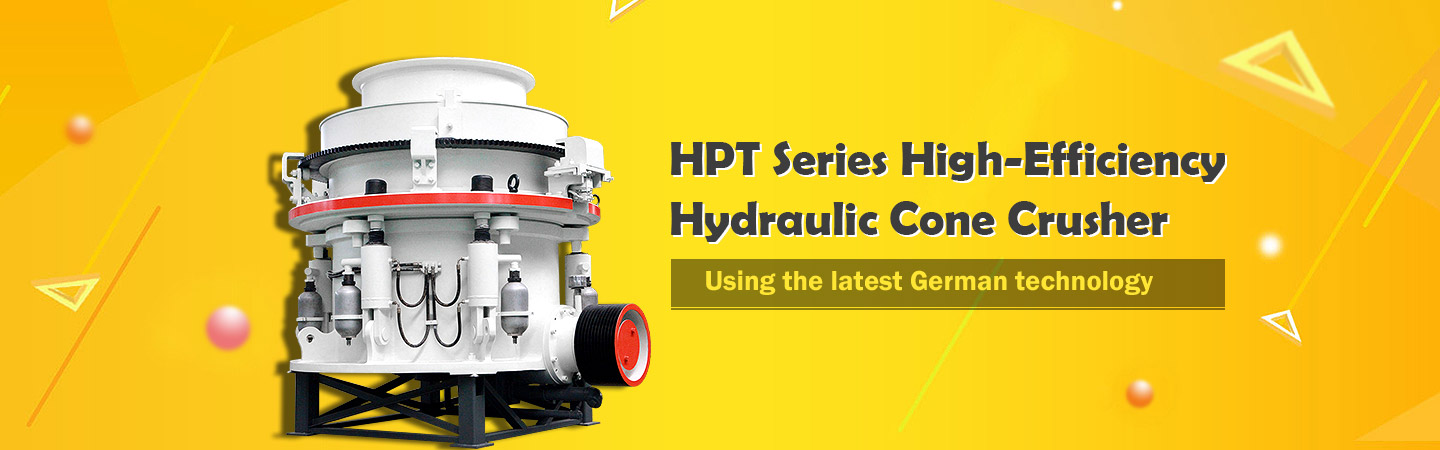
- Cone Crushers: Secondary crushers for further size reduction.
- Ball Mills & Stamp Mills: Grind crushed ore into a powder for chemical processing.
5. Gold Recovery Systems
Once ore is crushed, gold is separated using: 
- Cyanidation Tanks: Leach gold from slurry using a cyanide solution.
- Carbon-in-Pulp (CIP) Systems: Activated carbon absorbs dissolved gold.
- Shaker Tables & Centrifuges: Gravity-based methods for free gold particles.
- Mercury Retorts (limited use): Safely recover gold from mercury amalgamation.
6. Safety and Support Equipment
Hard rock mining is hazardous, requiring:
- Ventilation Systems: Remove dust and gases in underground mines.
- Ground Support: Bolts, mesh, and shotcrete to prevent collapses.
- PPE (Personal Protective Equipment): Helmets, respirators, and reinforced clothing.
Conclusion
Hard rock gold mining demands robust, specialized equipment to handle drilling, blasting, crushing, and refining. From jackleg drills to CIP systems, each piece plays a critical role in efficiently extracting gold from solid rock while ensuring worker safety. Advances in technology continue to improve productivity, making hard rock mining viable even in challenging deposits.