
Table of Contents
Aggregate Crusher Plant: Process, Design, and Operation
Introduction
Aggregate crusher plants are essential in the construction and mining industries, producing crushed stone, sand, and gravel for various applications. These plants process raw materials into high-quality aggregates used in roads, buildings, and infrastructure projects. This article explores the key components, design considerations, operational processes, and maintenance practices of an aggregate crushing plant.
Components of an Aggregate Crusher Plant
A typical aggregate crusher plant consists of several critical components:
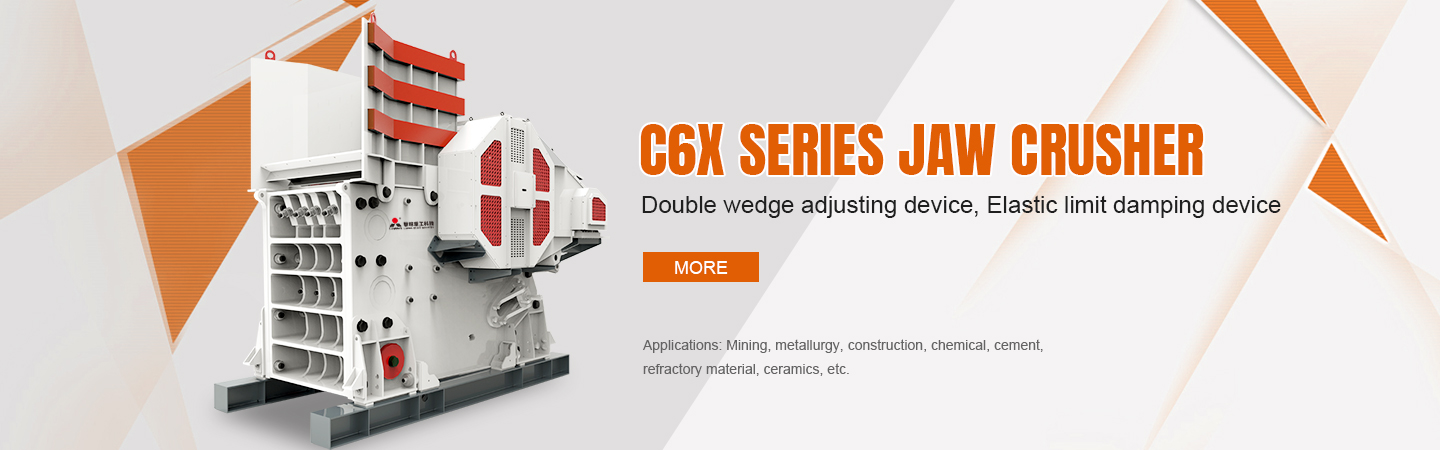
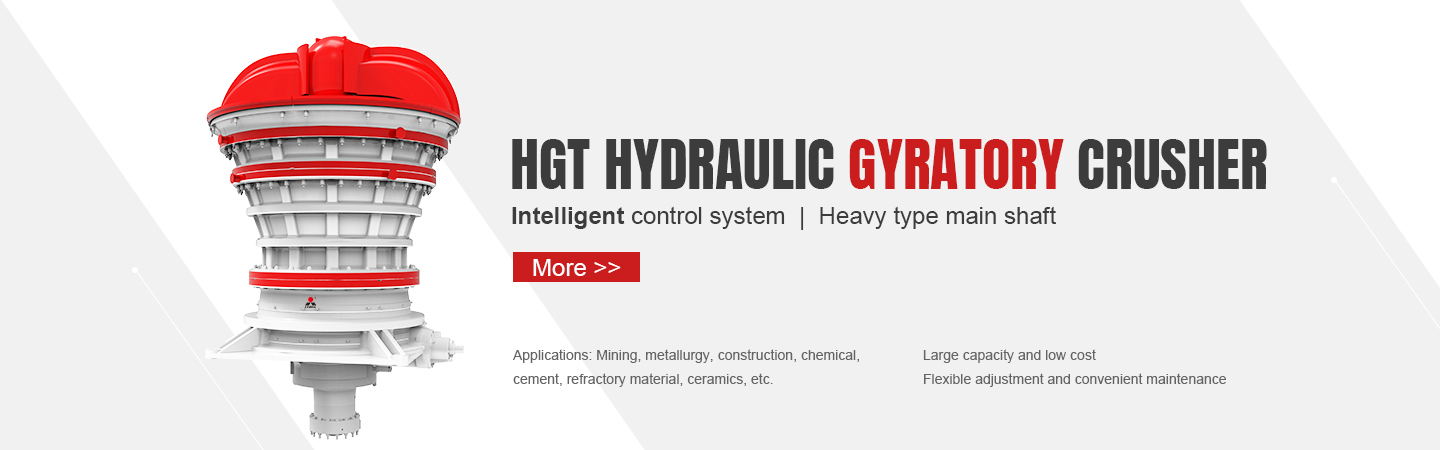
- Primary Crusher – Usually a jaw crusher or gyratory crusher that reduces large rocks into smaller pieces.
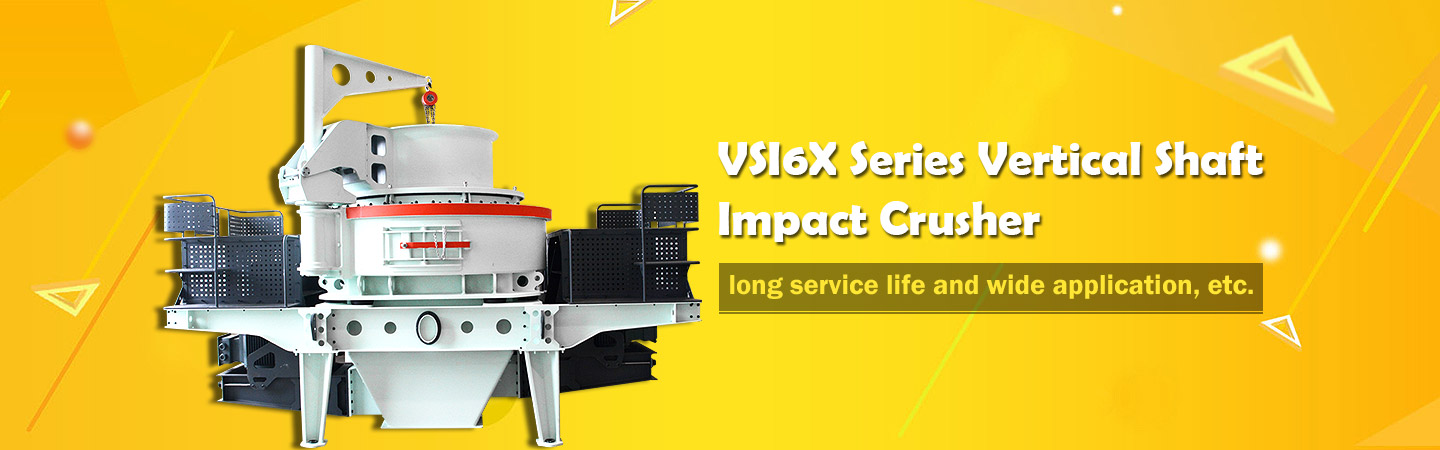
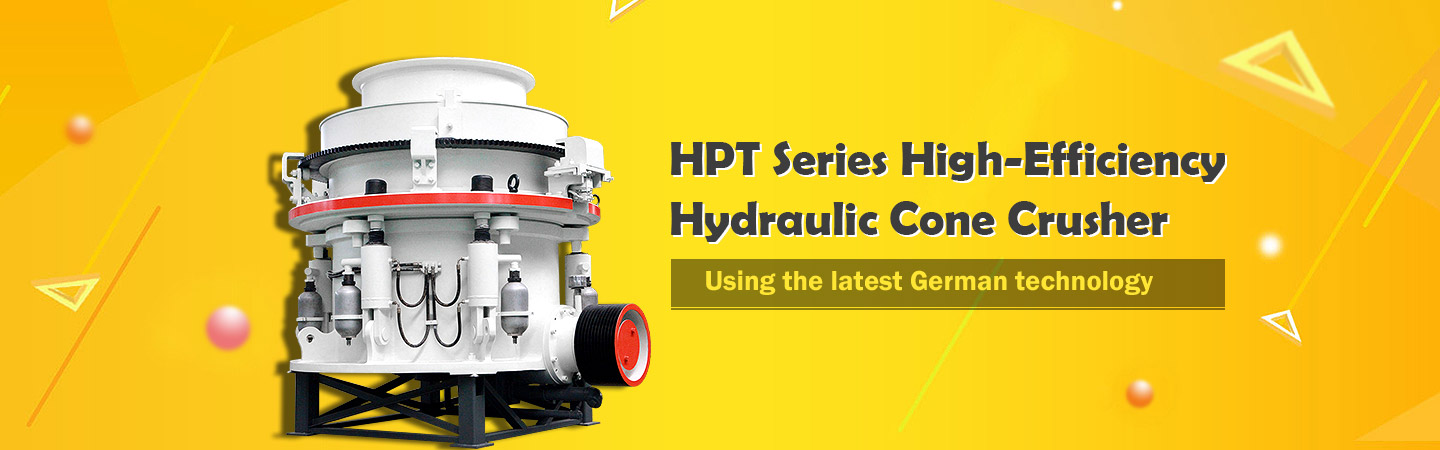
- Secondary Crusher – Often a cone crusher or impact crusher that further refines the material.
- Screening Equipment – Vibrating screens separate aggregates by size.
- Conveyor Systems – Transport materials between crushing and screening stages.
- Storage Bins & Stockpiles – Store finished products before distribution.
- Control System – Monitors and regulates the entire crushing process.
Crushing Process
The aggregate production process involves several stages:
- Blasting & Extraction – Raw materials are excavated from quarries or mines.
- Primary Crushing – Large rocks are fed into the primary crusher for initial size reduction.
- Secondary Crushing – Smaller fragments are processed into finer aggregates.
- Screening – Aggregates are sorted into different sizes (e.g., coarse, medium, fine).
- Washing (Optional) – Removes dirt and impurities from sand and gravel.
- Stockpiling & Loading – Finished products are stored and transported for use.
Plant Design Considerations
Designing an efficient aggregate crushing plant requires careful planning: .jpg)
- Material Properties – Hardness, abrasiveness, and moisture content affect crusher selection.
- Production Capacity – The plant must meet required output (tons per hour).
- Site Layout – Proper spacing between equipment ensures smooth operation.
- Dust & Noise Control – Suppression systems minimize environmental impact.
- Maintenance Access – Easy access to crushers and screens reduces downtime.
Operational Best Practices
To maximize efficiency and longevity, operators should follow these guidelines: .jpg)
- Regular Inspection – Check wear parts (liners, hammers, belts) to prevent unexpected failures.
- Optimal Feed Control – Avoid overloading crushers to maintain steady production.
- Lubrication & Cleaning – Ensure moving parts are well-lubricated and free of debris.
- Monitoring Performance – Track throughput, power consumption, and product quality.
Maintenance & Troubleshooting
Common maintenance tasks include:
- Replacing worn-out crusher jaws and cones.
- Cleaning clogged screens and adjusting tension on conveyors.
- Checking hydraulic systems for leaks or pressure drops.
Frequent issues like uneven wear, excessive vibration, or reduced output should be addressed promptly to avoid costly breakdowns.
Conclusion
An aggregate crusher plant plays a vital role in producing construction materials. Proper design, efficient operation, and routine maintenance ensure high productivity and long-term reliability. By understanding the crushing process and implementing best practices, operators can optimize performance and reduce downtime, delivering high-quality aggregates for various construction needs.