
Table of Contents
Apron Feeders in Mining: Robust Solutions for Heavy-Duty Material Handling
In the mining industry, efficient material handling is critical to maintaining productivity and minimizing downtime. Among the key equipment used for this purpose, apron feeders stand out as reliable workhorses designed to handle heavy, abrasive, and large-volume materials. Their robust construction and ability to operate under extreme conditions make them indispensable in mining operations worldwide. 
What Is an Apron Feeder?
An apron feeder is a type of conveyor system consisting of overlapping metal plates (aprons) mounted on crawler chains. These plates form a continuous, durable surface that transports bulk materials from hoppers or bins to crushers, screens, or other processing equipment. The design ensures controlled feed rates while protecting against impact and wear, making it ideal for handling coarse ores, aggregates, and other tough materials.
Key Features and Benefits
- Heavy-Duty Construction – Apron feeders are built with high-quality steel plates and reinforced chains to withstand the harsh conditions of mining environments. The overlapping pans prevent material spillage and reduce wear.
- High Load Capacity – Capable of handling thousands of tons per hour, apron feeders efficiently manage large, heavy materials without clogging or bridging.
- Variable Speed Control – Many models feature adjustable drive systems, allowing operators to regulate feed rates based on downstream processing needs.
- Low Maintenance – Unlike belt conveyors, apron feeders are less prone to damage from sharp or abrasive materials, reducing downtime and repair costs.
- Versatility – They can operate in horizontal, inclined, or even vertical configurations, making them suitable for diverse mining applications.
Applications in Mining
- Primary Ore Feeding – Apron feeders are commonly installed under dump hoppers to deliver raw ore to primary crushers at a steady rate.
- Overburden Handling – In open-pit mines, they transport waste rock and overburden efficiently.
- Stockpiling and Reclaiming – They assist in stockpile formation and reclaiming stored materials for further processing.
- High-Temperature Material Handling – Some apron feeders are designed for hot materials, such as those in cement or metallurgical plants.
Choosing the Right Apron Feeder
Selecting an apron feeder depends on several factors, including material type, required throughput, and environmental conditions. Key considerations include:
- Pan Width & Length – Determines capacity and material flow.
- Chain & Sprocket Design – Affects durability and maintenance requirements.
- Drive Mechanism – Options include mechanical, hydraulic, or variable frequency drives (VFDs).
Conclusion
Apron feeders play a crucial role in mining operations by ensuring consistent, controlled material flow under demanding conditions. Their rugged design, high capacity, and adaptability make them a preferred choice for handling heavy bulk materials. As mining operations continue to push for efficiency and reliability, apron feeders remain a cornerstone of effective material handling systems. 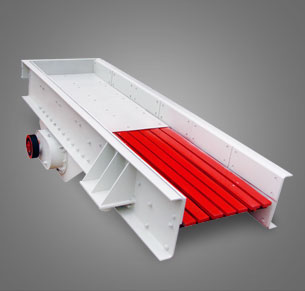
For optimal performance, proper sizing, installation, and routine maintenance are essential to maximize equipment lifespan and productivity.