

Sand Crushing and Screening: Key Processes in Aggregate Production
Sand is a vital material used in various industries, including construction, glass manufacturing, and foundry work. To meet specific requirements, raw sand often undergoes crushing and screening to achieve the desired particle size and quality. These processes ensure uniformity, improve performance, and remove impurities, making sand suitable for different applications.
1. Sand Crushing
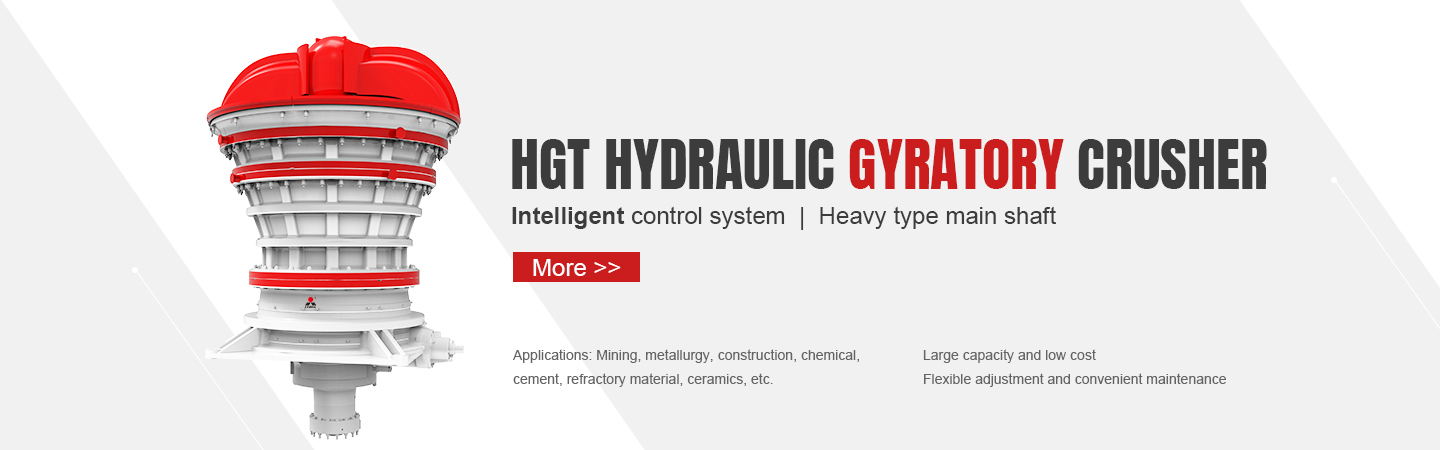
Crushing is the first step in processing raw sand to break down larger particles or aggregates into smaller, more manageable sizes. Depending on the source material, different types of crushers may be employed: .jpg)
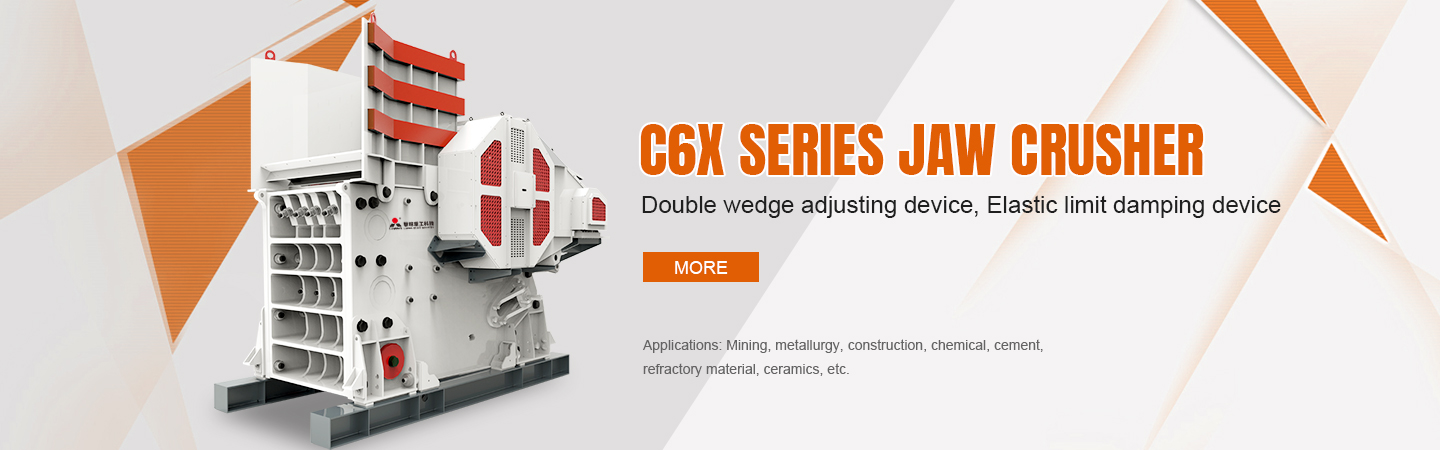
- Jaw Crushers: Ideal for primary crushing, these machines reduce large chunks of raw sand or rock into smaller fragments.
- Impact Crushers: Used for secondary crushing, they deliver high-speed impacts to further break down particles, producing a more uniform product.
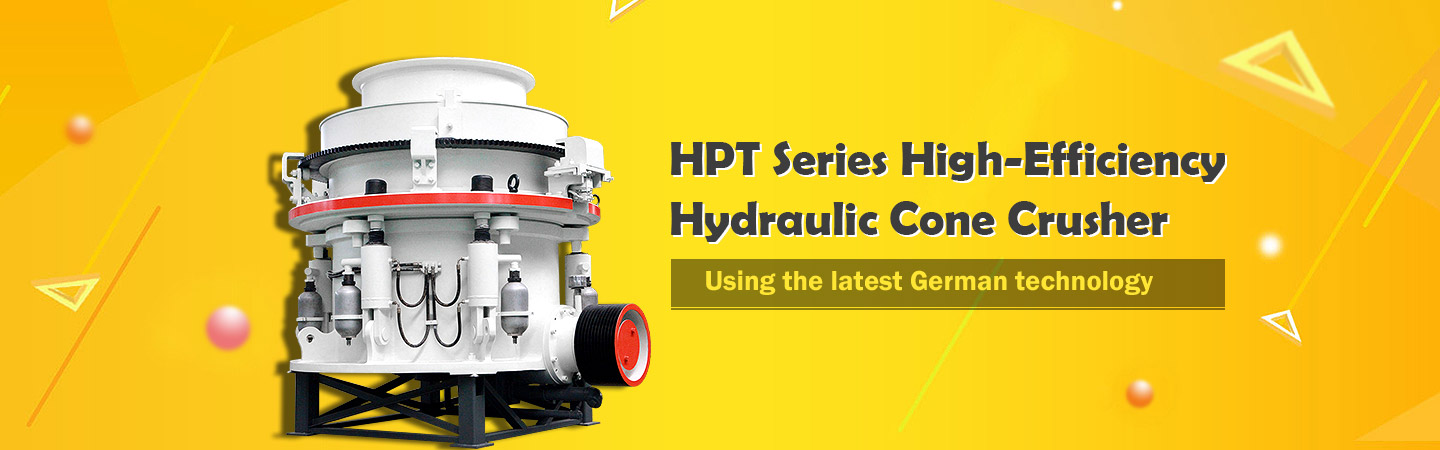
- Cone Crushers: Often used in tertiary crushing stages, they refine particle sizes with greater precision.
Crushing improves the sand’s workability and ensures compatibility with downstream processing, such as screening.
2. Sand Screening
After crushing, sand is passed through screening equipment to separate particles by size. Screening ensures consistency and removes oversized or undersized materials. Common screening methods include: 
- Vibrating Screens: These use high-frequency vibrations to classify sand into different grades, efficiently separating fine, medium, and coarse particles.
- Trommel Screens: Typically used for wet or sticky sand, these rotating drums help separate materials while minimizing clogging.
- Static Grizzlies: Simple but effective, these screens filter out large debris before finer screening.
The screened sand is then sorted into various grades, depending on the intended use, such as fine sand for concrete or coarser sand for drainage applications.
3. Applications of Processed Sand
Properly crushed and screened sand has multiple applications:
- Construction: Used in concrete, mortar, and asphalt mixtures, where consistent particle size ensures strength and durability.
- Glass Production: High-purity silica sand, free from contaminants, is essential for manufacturing clear glass.
- Foundry Sand: Used in metal casting, it must have precise grain size and thermal stability.
Conclusion
Sand crushing and screening are fundamental processes in aggregate production, ensuring material quality and performance. By optimizing these steps, industries can produce sand tailored to specific needs, enhancing efficiency and reducing waste. Advances in crushing and screening technology continue to improve precision, sustainability, and cost-effectiveness in sand processing.