Table of Contents
What Is the Best Crusher for Crushing Concrete and Asphalt on Construction Sites?
Crushing concrete and asphalt on construction sites is a common practice for recycling materials and reducing waste. The right crusher can significantly improve efficiency, lower costs, and contribute to sustainable construction practices. But with multiple crusher types available, choosing the best one depends on factors like material hardness, project size, and mobility requirements.
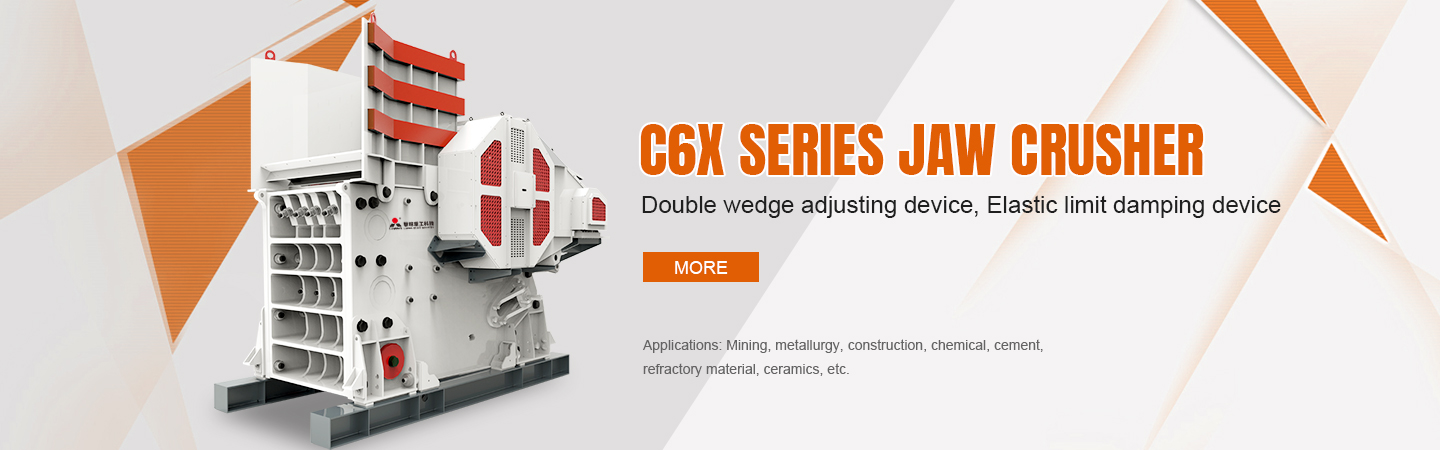
Jaw Crushers
Jaw crushers are a popular choice for primary crushing due to their ability to handle large, hard materials like concrete and asphalt. They work by compressing the material between two plates—one fixed and one moving. These crushers are durable and efficient, making them ideal for demolition sites where large chunks of concrete need to be broken down. 
Advantages:
- High crushing capacity
- Simple maintenance
- Effective for large, hard materials
Disadvantages: .jpg)
- Less efficient for finer material production
- Higher wear on plates when processing abrasive asphalt
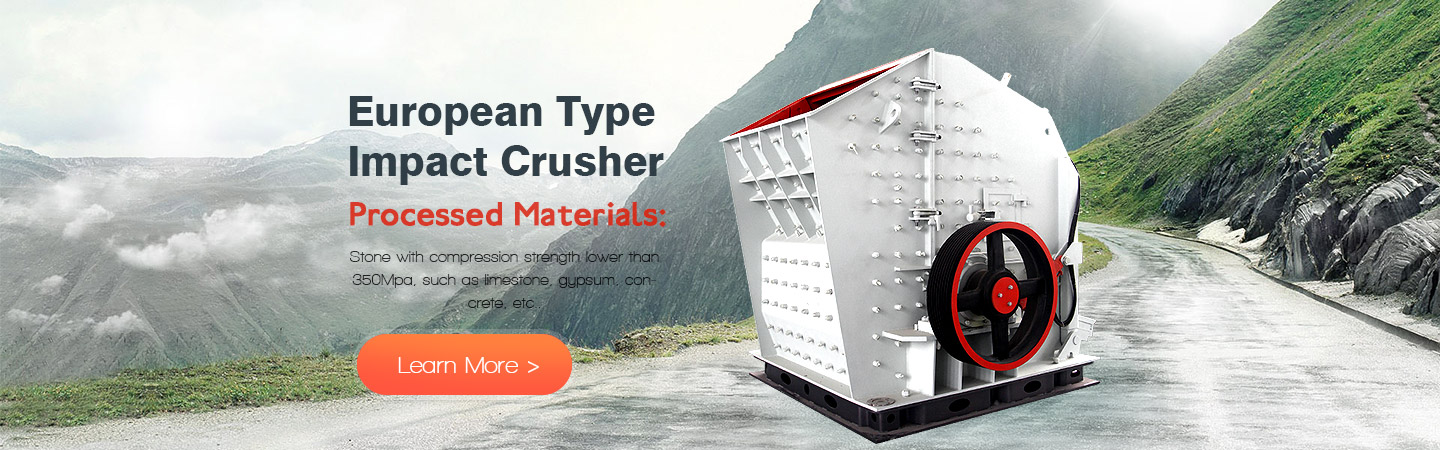
Impact Crushers
Impact crushers use high-speed impact force to crush materials, making them suitable for softer materials like asphalt and less dense concrete. They produce a more uniform, cubical end product, which is ideal for recycling into new construction materials.
Advantages:
- Better for producing finer, more consistent output
- Lower wear costs compared to jaw crushers for asphalt
- Can handle both hard and softer materials efficiently
Disadvantages:
- Higher energy consumption
- Not ideal for extremely hard materials unless designed for it
Cone Crushers
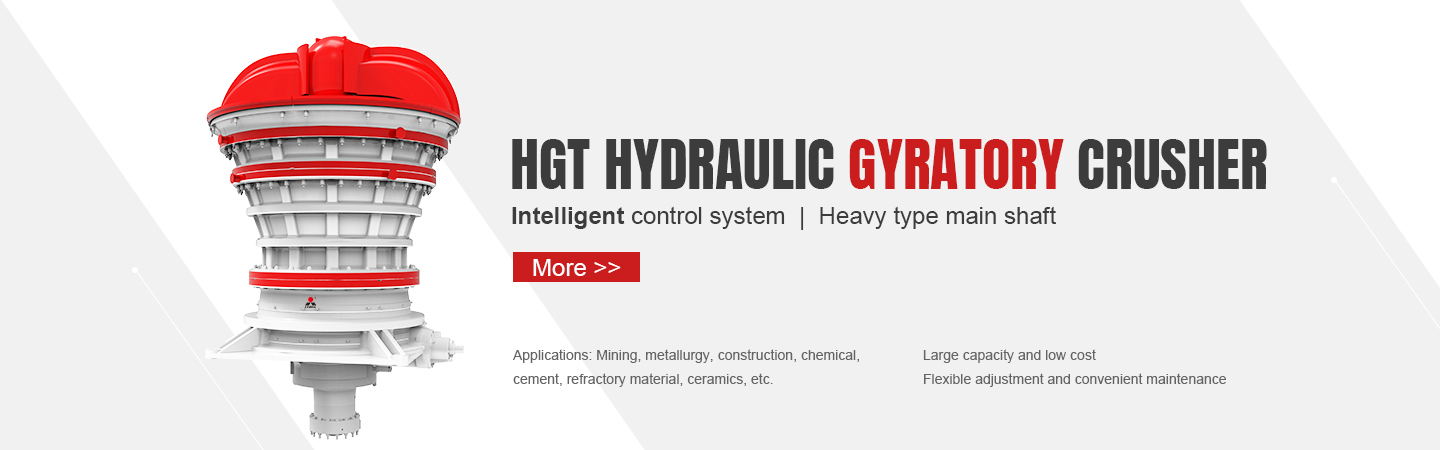
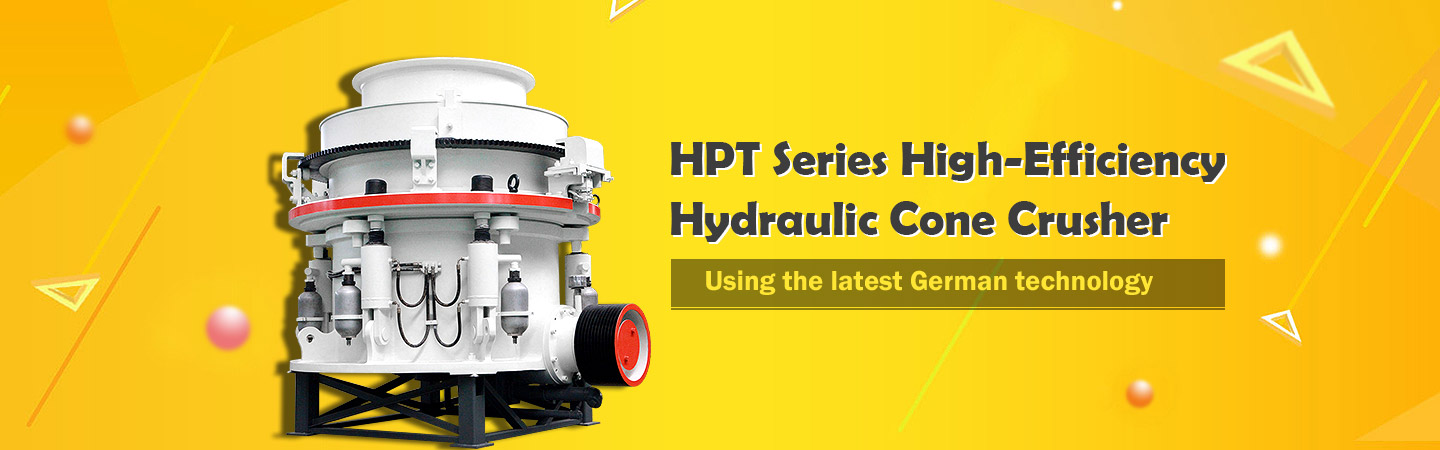
Cone crushers are typically used in secondary or tertiary crushing stages. They excel at producing fine aggregates from concrete and asphalt but are less common for primary crushing on most construction sites. Their design allows for precise control over the final product size.
Advantages:
- Produces high-quality, uniform material
- Efficient for secondary crushing
- Lower operational costs in long-term use
Disadvantages:
- Higher initial cost
- Requires more maintenance than jaw crushers
Mobile Crushers
For construction sites that require frequent relocation, mobile crushers offer unmatched flexibility. These units combine jaw, impact, or cone crushers with tracks or wheels, allowing them to move easily between job sites.
Advantages:
- No need for transportation between sites
- Fast setup time
- Reduces material hauling costs
Disadvantages:
- Higher initial investment
- May have lower capacity compared to stationary crushers
Choosing the Best Crusher
The best crusher for concrete and asphalt depends on the project’s specific needs:
- Jaw crushers are best for primary crushing of large, hard materials.
- Impact crushers excel at producing finer, recycled material from asphalt and concrete.
- Cone crushers are ideal for secondary crushing and precision output.
- Mobile crushers provide flexibility for multi-site projects.
For most construction recycling applications, impact crushers or mobile jaw crushers are often the top choices due to their versatility and efficiency. Evaluating material type, desired output, and site logistics will ensure the right crusher selection for maximum productivity.