
Table of Contents
How to Build a Profitable Crushing Plant Business in Africa
Africa’s construction and mining sectors are experiencing rapid growth, creating high demand for crushed stone, gravel, and other aggregates. A well-planned crushing plant business can be highly profitable if executed correctly. Here’s a step-by-step guide to building a successful crushing operation in Africa.
1. Market Research and Feasibility Study
Before investing, conduct thorough market research to identify demand, competition, and pricing trends. Key considerations include:
- Local demand: Target regions with active construction, road projects, or mining operations.
- Competition: Assess existing suppliers and identify gaps in quality, capacity, or pricing.
- Regulations: Understand permitting, environmental laws, and safety requirements in your chosen country.
2. Securing the Right Location
The ideal location for a crushing plant should:
- Be close to raw material sources (quarries, mines, or riverbeds) to minimize transport costs.
- Have easy access to major roads for distribution.
- Be situated away from residential areas to reduce noise and dust complaints.
3. Equipment Selection and Setup
Investing in reliable crushing equipment is critical. Key machines include: 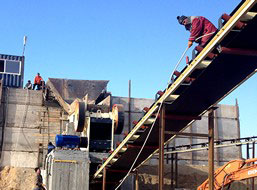
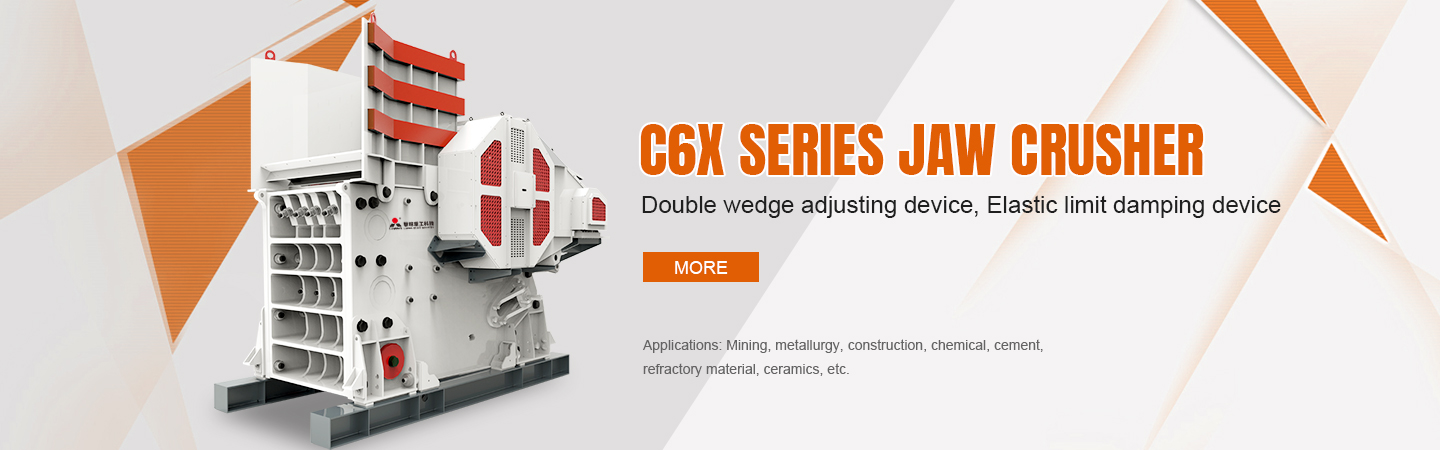
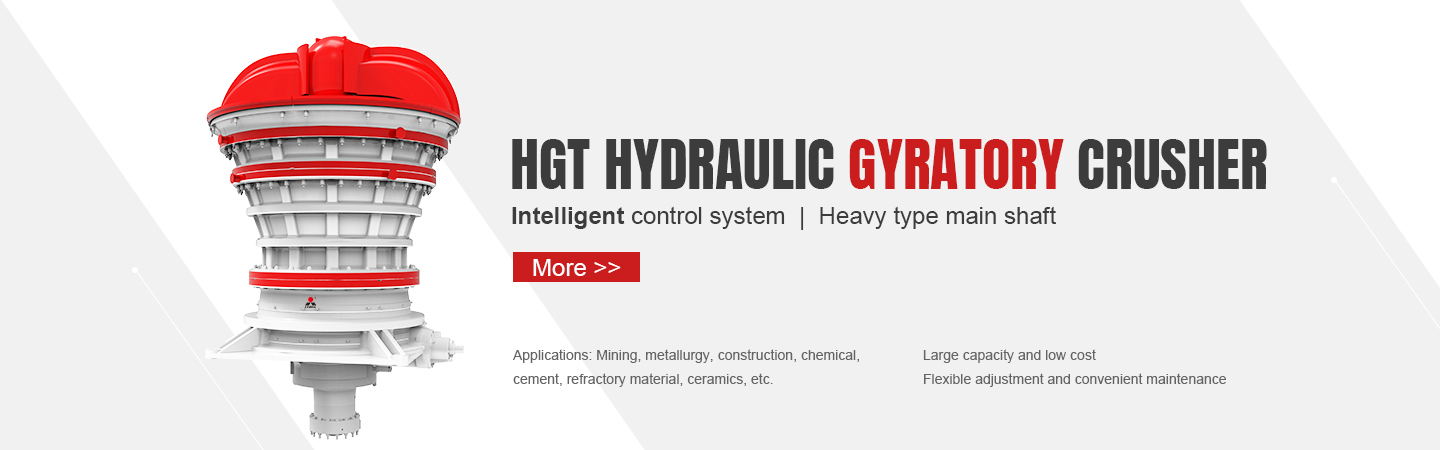
- Primary crusher (jaw or gyratory crusher): For breaking large rocks into smaller pieces.
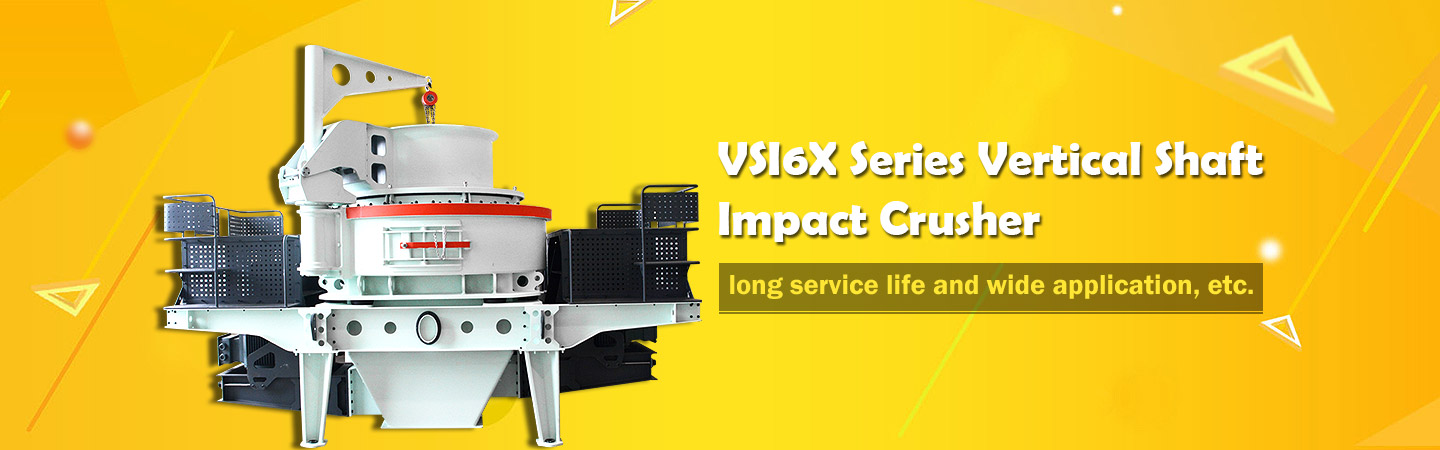
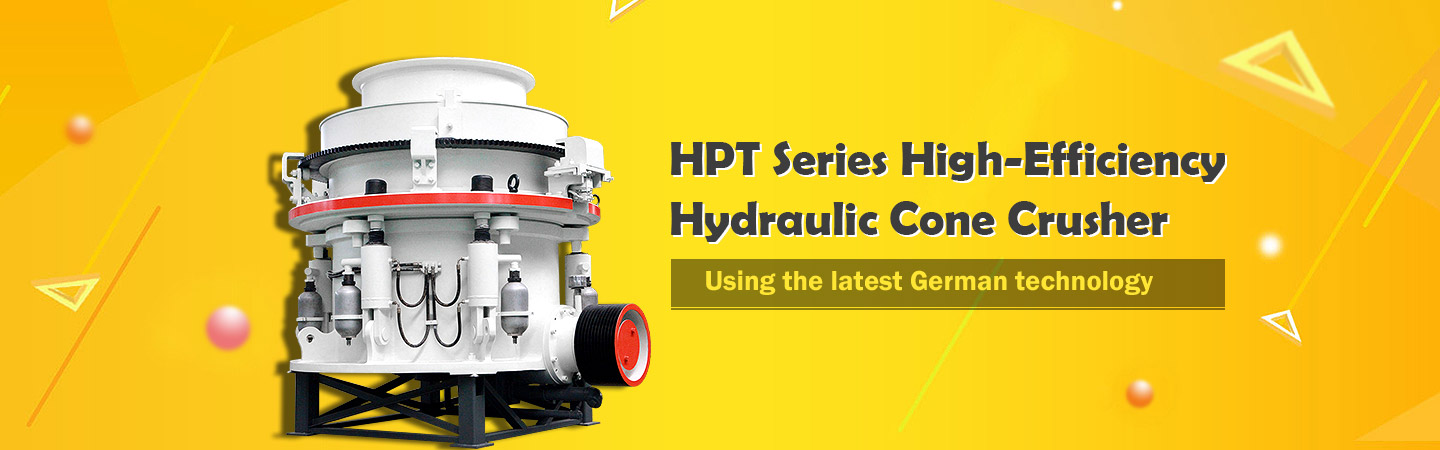
- Secondary crusher (cone or impact crusher): For further refining the material.
- Screening equipment: To separate different sizes of aggregates.
- Conveyors and loaders: For efficient material handling.
Consider whether to buy new or used equipment based on budget and expected production capacity. 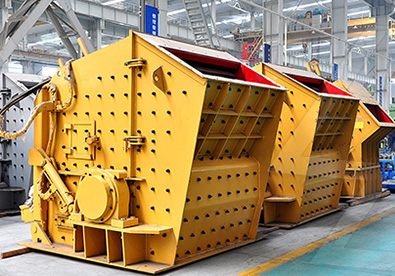
4. Sourcing Raw Materials
Reliable access to raw materials is essential. Options include:
- Owning or leasing a quarry for long-term supply.
- Partnering with mining companies for consistent material delivery.
- Purchasing from local suppliers if quarry ownership isn’t feasible.
5. Hiring and Training Skilled Workers
A crushing plant requires operators, mechanics, and safety personnel. Focus on:
- Hiring experienced crusher operators to maximize efficiency.
- Providing safety training to reduce workplace accidents.
- Ensuring maintenance staff can handle equipment repairs.
6. Efficient Operations and Maintenance
To minimize downtime and maximize profits:
- Implement a preventive maintenance schedule for all machinery.
- Monitor production output and adjust processes for optimal efficiency.
- Use fuel-efficient equipment to cut operational costs.
7. Marketing and Sales Strategy
To attract and retain customers:
- Offer competitive pricing based on market rates.
- Build relationships with construction firms, government contractors, and concrete producers.
- Use digital marketing (websites, social media) to reach new clients.
8. Financial Planning and Profitability
A successful crushing plant must be financially sustainable. Key steps include:
- Calculating startup costs (equipment, land, permits, labor).
- Analyzing operational costs (fuel, maintenance, wages).
- Setting realistic pricing to ensure profitability while remaining competitive.
Conclusion
A crushing plant business in Africa can be highly profitable with proper planning, quality equipment, and strong market demand. By focusing on efficiency, maintenance, and customer relationships, entrepreneurs can build a sustainable and lucrative operation in this growing industry. If executed well, the crushing business can provide long-term returns while supporting Africa’s infrastructure development.