
How Does a Hammer Mill Compare to a Jaw Crusher for Soft Rock Crushing?
When it comes to crushing soft rock, both hammer mills and jaw crushers are commonly used, but they operate on different principles and offer distinct advantages. The choice between the two depends on factors like material characteristics, desired output size, and operational efficiency.
Hammer Mill for Soft Rock Crushing
A hammer mill uses rapidly rotating hammers to strike and break down material. The rock is fed into the chamber and is repeatedly impacted by the hammers until it is small enough to pass through a screen at the bottom.
Pros:
- High Reduction Ratio: Hammer mills can achieve a significant size reduction in a single pass, making them efficient for fine grinding.
- Versatility: They handle a variety of soft materials, including limestone, gypsum, and coal.
- Adjustable Output: Screen size can be changed to control the final product size.
Cons:
- Higher Wear: The hammers and screens wear out faster when processing abrasive materials.
- Dust Generation: Produces more fines and dust compared to jaw crushers.
Jaw Crusher for Soft Rock Crushing
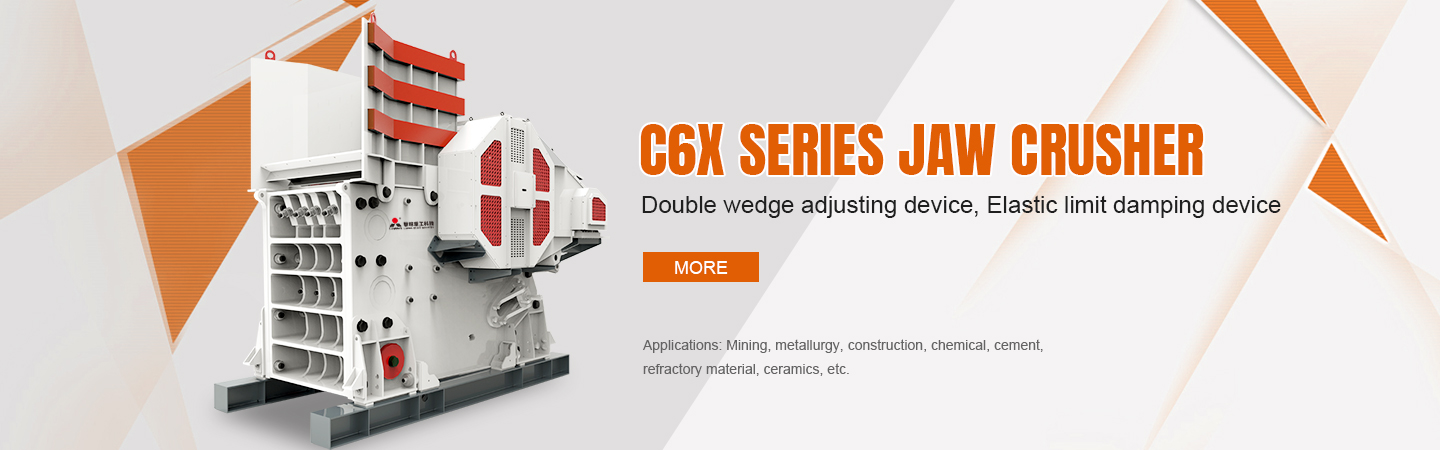
A jaw crusher compresses material between a fixed and a moving jaw plate. The rock is crushed as it moves downward under pressure until it is small enough to exit the bottom. 
Pros:
- Lower Wear Costs: Less susceptible to wear with non-abrasive soft rocks.
- Better Particle Shape: Produces more uniformly shaped particles compared to hammer mills.
- Less Fines: Generates fewer fines, making it suitable for applications requiring coarser output.
Cons: 
- Limited Fine Grinding: Not ideal for producing very fine material without additional crushing stages.
- Less Flexibility: Output size is controlled by adjusting the jaw gap, but it may not achieve the same fineness as a hammer mill.
Key Considerations for Selection
- Feed Size: Hammer mills handle smaller feed sizes more efficiently, while jaw crushers can accept larger chunks.
- Output Requirements: If fine material is needed, a hammer mill is preferable. For coarser output, a jaw crusher may be better.
- Maintenance: Hammer mills require frequent part replacement, whereas jaw crushers have lower wear costs.
Conclusion
For soft rock crushing, a hammer mill excels in producing fine material quickly but may require more maintenance. A jaw crusher offers durability and better particle shape but may not achieve the same level of fineness. The best choice depends on specific production needs and material characteristics.