
Table of Contents
- How to Build a Profitable Aggregate Crushing Business with the Right Equipment
- 1. Understand the Market Demand
- 2. Choose the Right Crushing Equipment
- 3. Secure a Reliable Source of Raw Materials
- 4. Optimize Operational Efficiency
- 5. Comply with Regulations and Permits
- 6. Develop a Strong Sales and Distribution Network
- 7. Invest in Scalability
- Final Thoughts
How to Build a Profitable Aggregate Crushing Business with the Right Equipment
Starting an aggregate crushing business can be a lucrative venture, especially with the growing demand for construction materials like gravel, sand, and crushed stone. The key to success lies in selecting the right equipment, understanding market needs, and optimizing operations. Here’s a step-by-step guide to building a profitable aggregate crushing business.
1. Understand the Market Demand
Before investing in equipment, research the local demand for crushed aggregates. Construction companies, road builders, and concrete producers are major buyers. Identify the most sought-after materials in your area—such as limestone, granite, or recycled concrete—and tailor your production accordingly. .jpg)
2. Choose the Right Crushing Equipment
The efficiency of your business depends heavily on the machinery you use. Here are the essential types of crushing equipment:
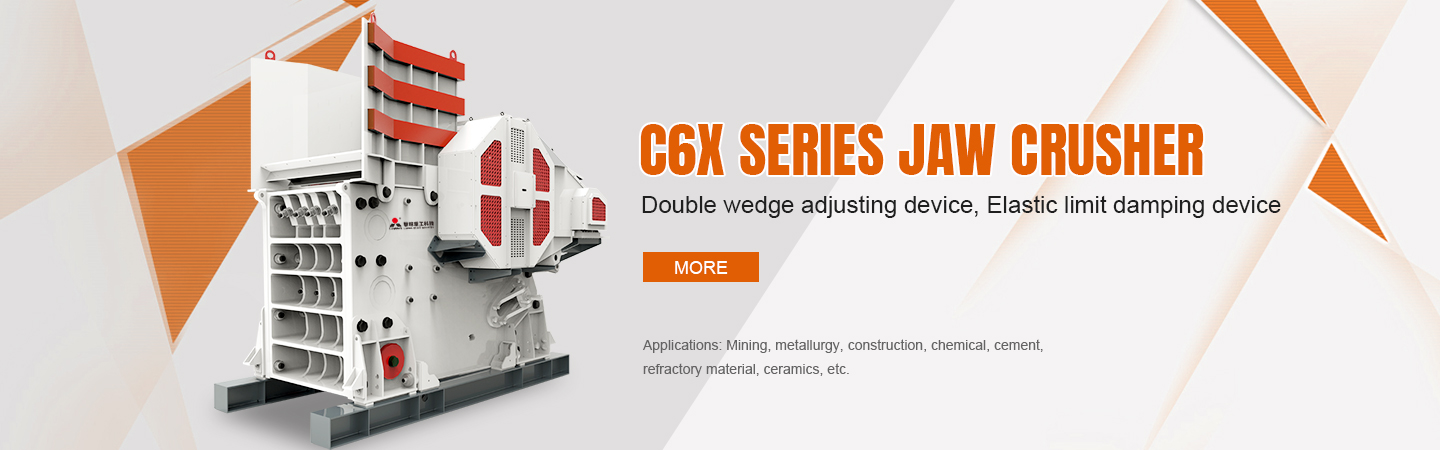
- Jaw Crushers – Ideal for primary crushing, handling large rocks and producing uniform-sized aggregates.
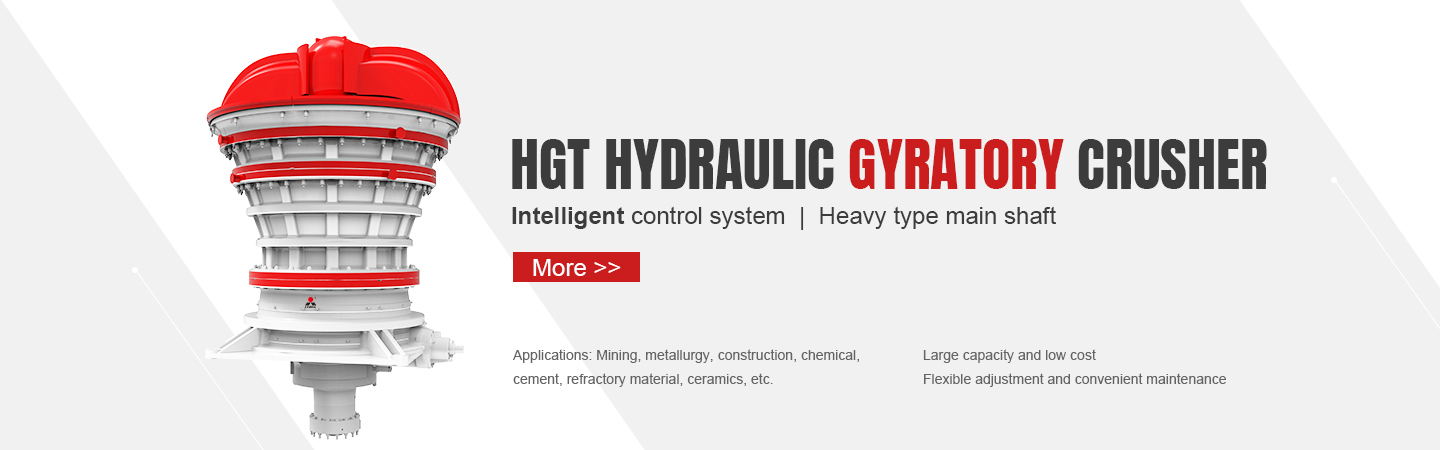
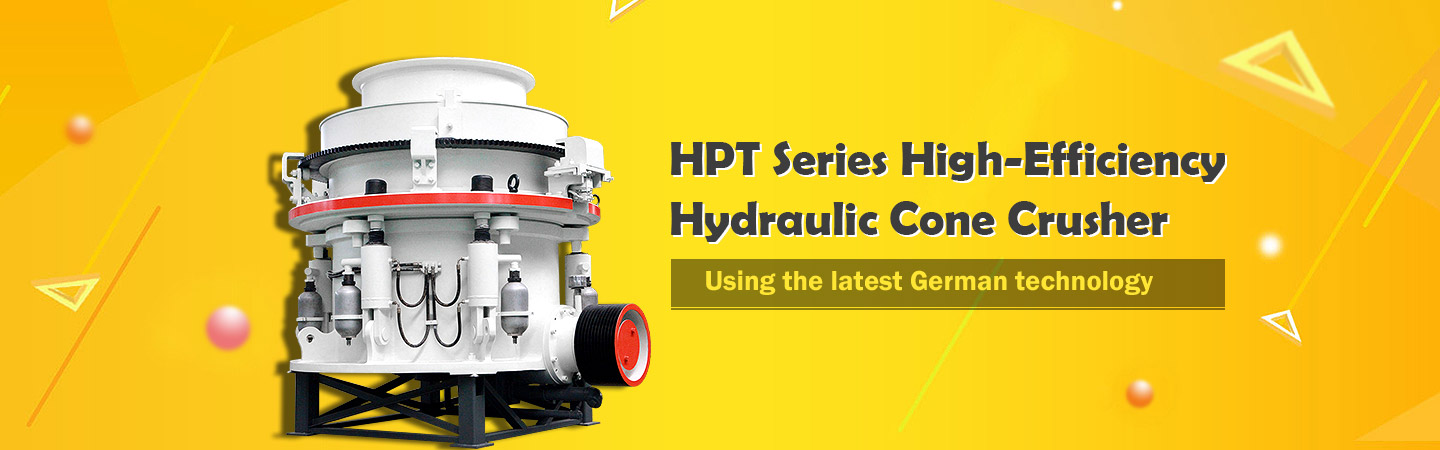
- Cone Crushers – Best for secondary crushing, producing finer materials suitable for concrete and asphalt.
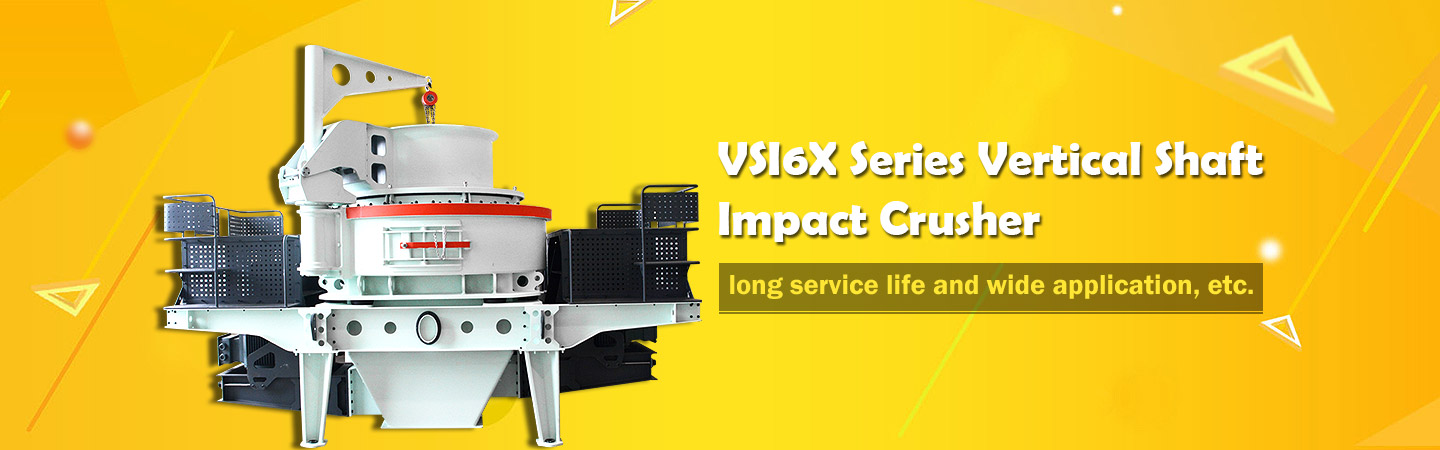
- Impact Crushers – Effective for softer materials or recycling applications like demolished concrete.
- Screening Equipment – Separates crushed material into different sizes for various applications.
Invest in high-quality, durable machines to minimize downtime and maintenance costs.
3. Secure a Reliable Source of Raw Materials
Aggregates come from quarries, riverbeds, or demolition sites. Partner with local suppliers or acquire your own mining rights to ensure a steady supply. Recycled materials from construction waste can also be a cost-effective option.
4. Optimize Operational Efficiency
To maximize profits, focus on:
- Site Logistics – Position crushers and screens for smooth material flow.
- Fuel and Energy Efficiency – Choose modern, fuel-efficient machines to reduce operating costs.
- Maintenance Schedules – Regular servicing extends equipment lifespan and prevents unexpected breakdowns.
5. Comply with Regulations and Permits
Crushing operations are subject to environmental and zoning regulations. Obtain the necessary permits for mining, water usage, and air quality compliance. Failure to comply can result in fines or shutdowns. .jpg)
6. Develop a Strong Sales and Distribution Network
Build relationships with construction firms, contractors, and government agencies. Offer competitive pricing, reliable delivery, and consistent quality to retain long-term customers.
7. Invest in Scalability
As demand grows, consider expanding your fleet or upgrading to more advanced crushing technology. Automation and remote monitoring can improve productivity and reduce labor costs.
Final Thoughts
A profitable aggregate crushing business requires careful planning, the right equipment, and efficient operations. By understanding market needs and investing in reliable machinery, you can establish a sustainable and profitable venture in the construction materials industry.
Focus on quality, efficiency, and customer satisfaction to stay ahead of competitors and ensure long-term success.