
Table of Contents
How to Choose Between a Jaw Crusher and a Gyratory Crusher for Primary Crushing
Selecting the right primary crusher is critical for optimizing productivity, efficiency, and cost-effectiveness in mining and aggregate operations. Two common options are jaw crushers and gyratory crushers, each with distinct advantages and limitations. The choice depends on several factors, including material characteristics, production requirements, and operational conditions. 
1. Material Properties
The type of material being processed plays a key role in crusher selection.
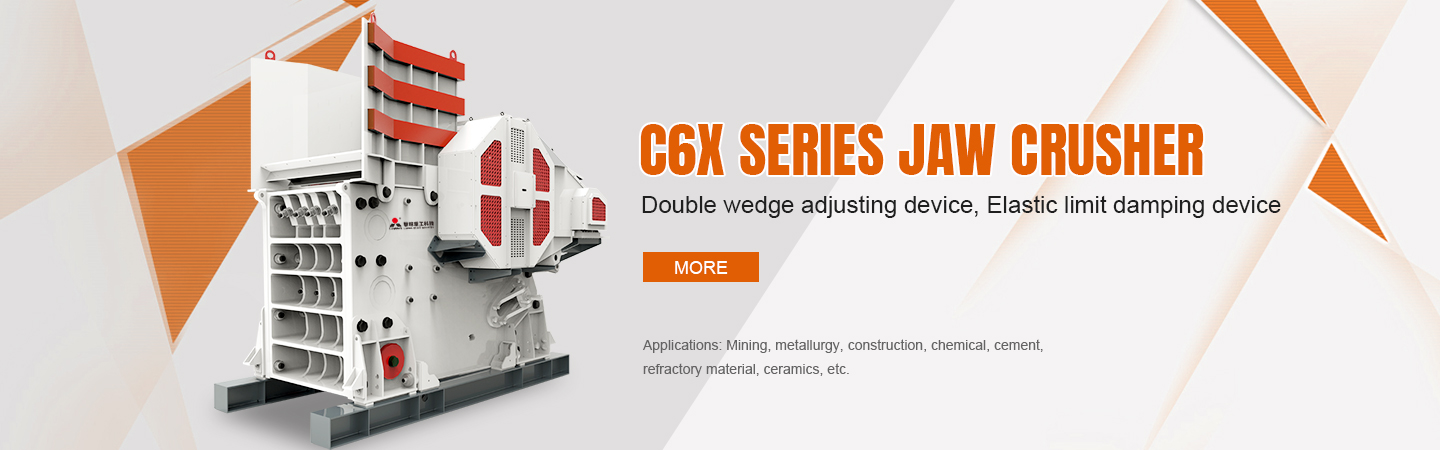
- Jaw Crushers: Ideal for hard, abrasive materials like granite and basalt. They handle large feed sizes but may struggle with sticky or wet materials due to potential clogging.
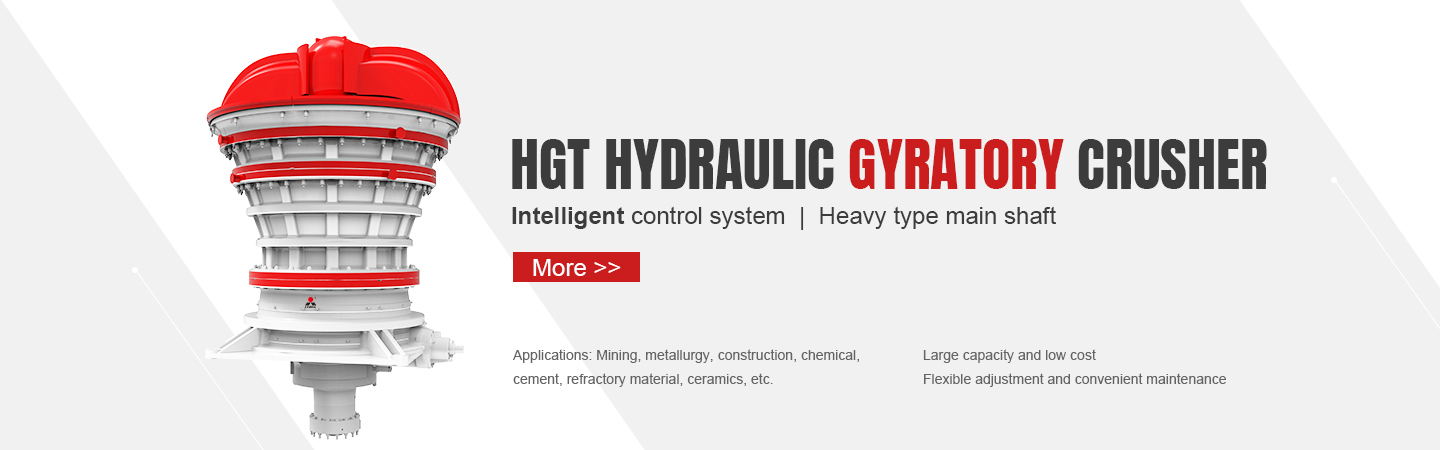
- Gyratory Crushers: Better suited for softer or less abrasive rocks, such as limestone. They excel in high-capacity applications but may wear faster with highly abrasive feed.
2. Capacity Requirements
Production volume is another deciding factor. 
- Jaw Crushers: Typically offer lower throughput (up to 1,000 tph) compared to gyratory crushers, making them suitable for small to medium operations.
- Gyratory Crushers: Capable of handling much higher capacities (up to 5,000 tph), making them ideal for large-scale mining or quarrying operations where continuous high-volume crushing is needed.
3. Feed Size and Discharge Settings
The size of the incoming material and desired output influence the choice.
- Jaw Crushers: Can accept larger feed sizes (up to 1,500 mm) but produce a coarser product with more fines due to their intermittent crushing action.
- Gyratory Crushers: Handle slightly smaller feed sizes (up to 1,200 mm) but provide a more uniform product size distribution due to their continuous crushing motion.
4. Maintenance and Operating Costs
Long-term costs impact profitability.
- Jaw Crushers: Simpler design leads to lower initial costs and easier maintenance, though wear parts (like jaw plates) require frequent replacement in abrasive applications.
- Gyratory Crushers: Higher upfront costs but often lower operating costs per ton in high-capacity settings due to greater efficiency and longer wear life of mantles and concaves.
5. Installation and Mobility Considerations
Site conditions may dictate the best option.
- Jaw Crushers: More compact and easier to install in confined spaces or mobile setups (e.g., portable plants).
- Gyratory Crushers: Require a stable foundation and significant headroom due to their taller design, making them better suited for fixed installations in large processing plants.
Conclusion
The decision between a jaw crusher and a gyratory crusher depends on material hardness, required capacity, feed size, maintenance preferences, and site constraints. Jaw crushers are versatile and cost-effective for smaller operations or harder materials, while gyratory crushers provide superior throughput efficiency for large-scale applications with softer rocks. A thorough evaluation of these factors ensures optimal performance in primary crushing stages.