Table of Contents
How to Select Crushing Equipment for African Aggregate Production
Selecting the right crushing equipment is critical for efficient aggregate production in Africa, where varying geological conditions, infrastructure limitations, and operational challenges demand tailored solutions. Here’s a practical guide to choosing the best crushing equipment for African projects. 
1. Understand Material Characteristics
The first step is analyzing the raw material properties:
- Hardness and Abrasiveness: Hard rocks like granite or basalt require jaw crushers or cone crushers for primary and secondary crushing. Softer materials like limestone can be processed with impact crushers or hammer mills.
- Moisture Content: Wet or sticky materials may need specialized crushers (e.g., roll crushers) to prevent clogging.
2. Determine Production Requirements
Key factors include:
- Capacity Needs: Estimate daily output to select equipment with matching throughput (e.g., 50–500 tons/hour). Small-scale operations may opt for mobile crushers, while large quarries need stationary plants.
- Final Product Size: Jaw crushers produce coarse aggregates, while cone or impact crushers deliver finer outputs for concrete or asphalt.
3. Evaluate Site Conditions
African projects often face logistical challenges:
- Mobility: Remote or temporary sites benefit from mobile crushers (tracked or wheeled) for easy relocation.
- Power Supply: In areas with unreliable electricity, diesel-powered units are preferable over electric models.
- Dust and Noise Control: Urban projects may require enclosed crushers with dust suppression systems to comply with regulations.
4. Choose the Right Crusher Type
Common options include:
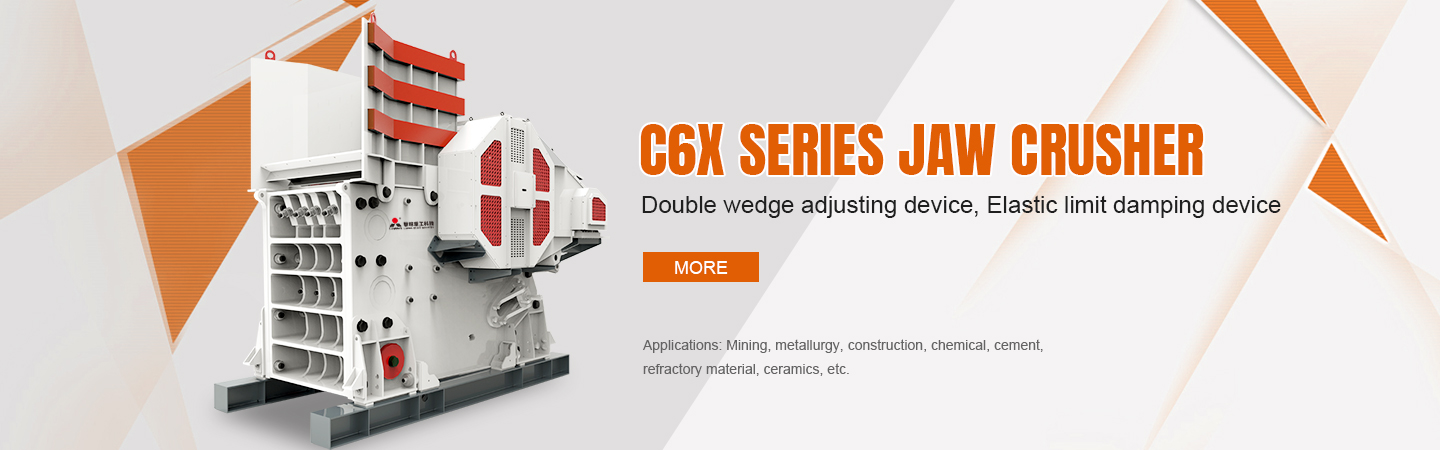
- Jaw Crushers: Ideal for primary crushing of hard materials; low maintenance but limited to coarse outputs.
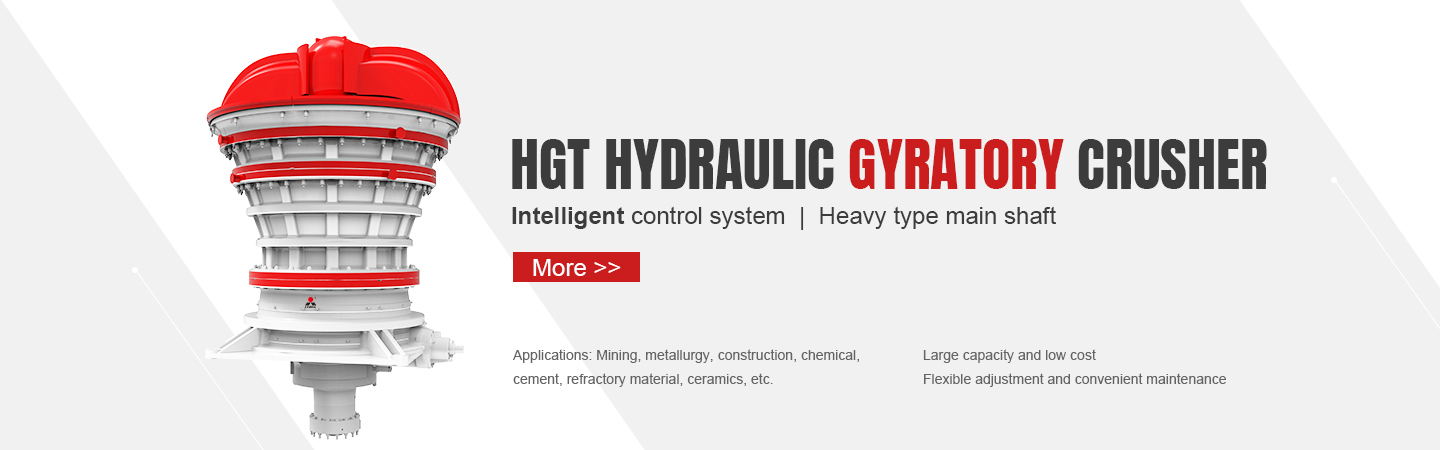
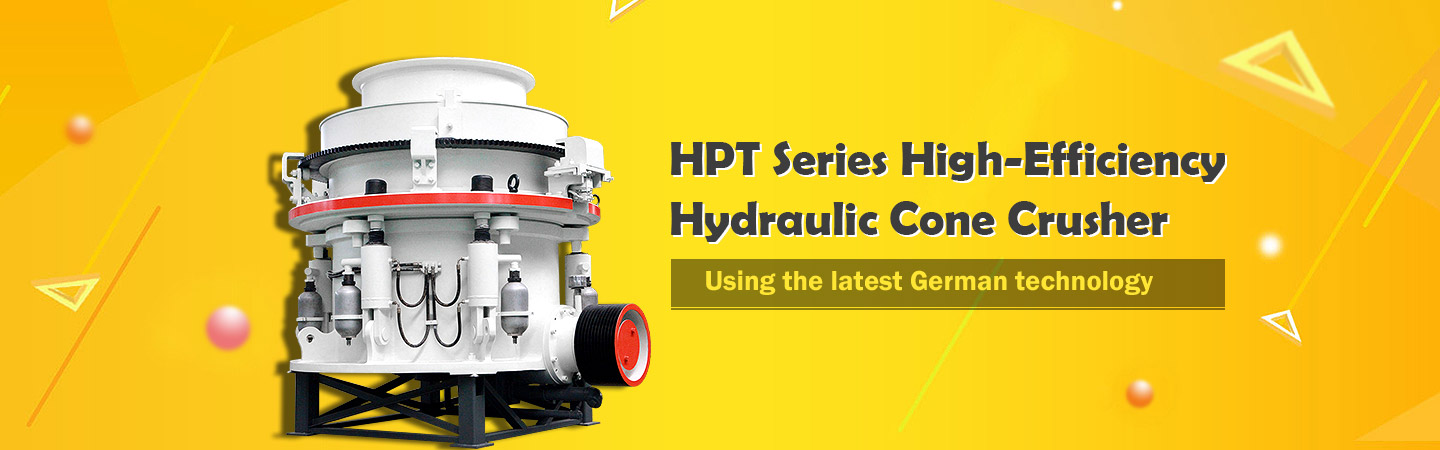
- Cone Crushers: Suited for secondary/tertiary crushing, producing uniform aggregates with high efficiency.
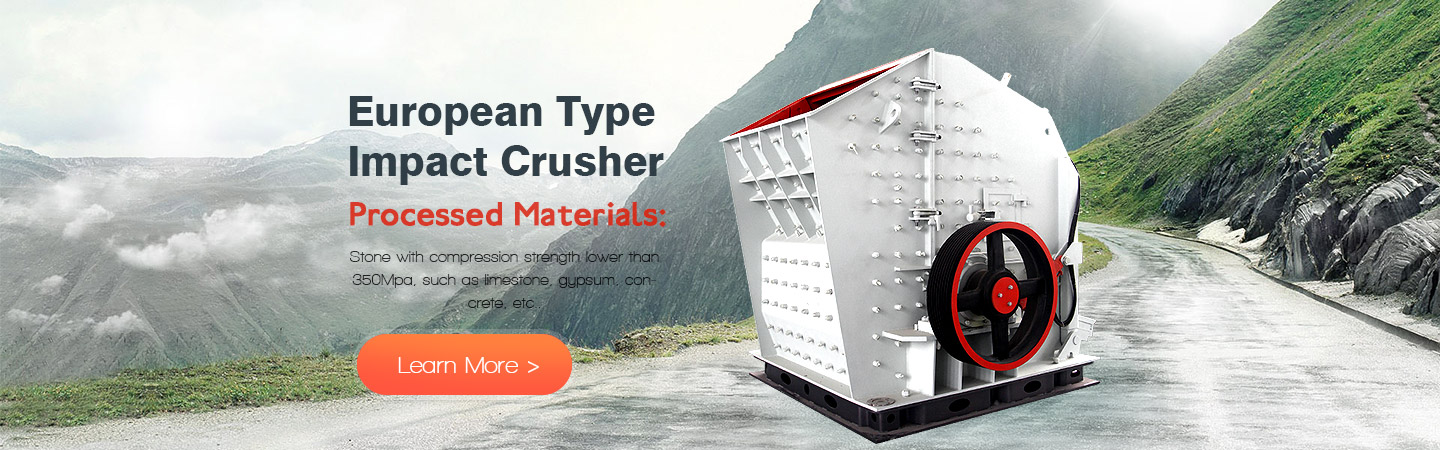
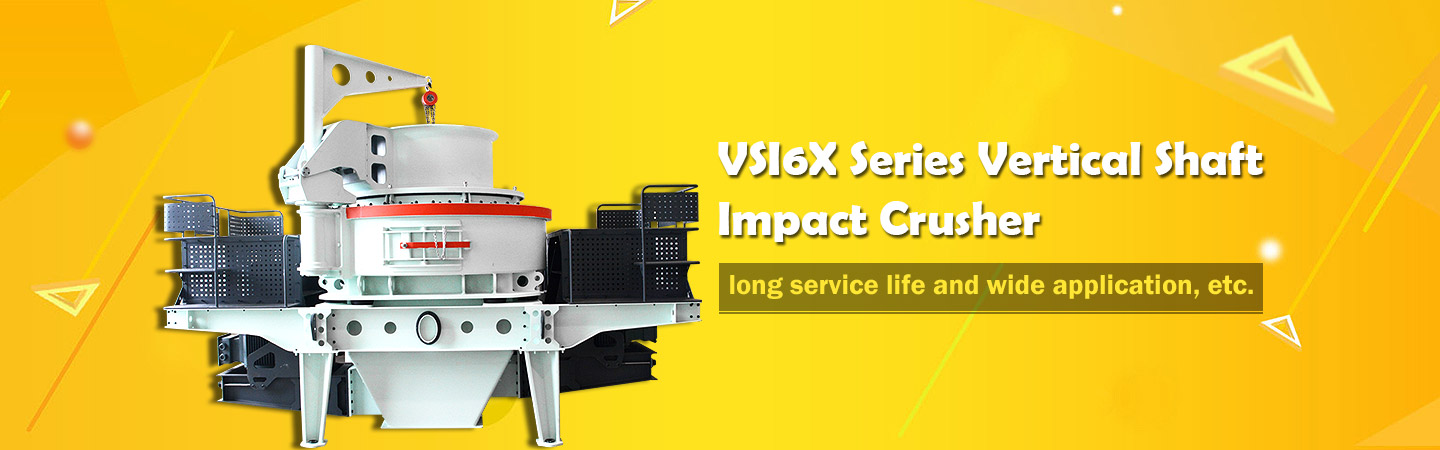
- Impact Crushers: Best for softer materials and shaping applications (e.g., road base).
- Hammer Crushers: Cost-effective for small-scale operations but wear faster with abrasive rocks.
5. Consider Maintenance and Support
Africa’s harsh operating environments demand durable equipment: 
- Wear Parts Availability: Opt for crushers with locally accessible spare parts (e.g., liners, blow bars).
- After-Sales Service: Partner with suppliers offering reliable technical support to minimize downtime.
6. Budget and ROI Analysis
Balance upfront costs with long-term value:
- Mobile crushers reduce transportation costs but have higher initial prices.
- Stationary plants offer lower operating costs for high-volume production but require fixed infrastructure.
Conclusion
Successful aggregate production in Africa depends on selecting equipment that matches material properties, site conditions, and operational goals. Prioritize durability, mobility, and local support to ensure cost-effective and sustainable crushing operations.