Table of Contents
Optimizing Efficiency in a 3000 TPD Crusher Plant
A 3000-ton-per-day (TPD) crusher plant is a critical component in mining and aggregate production, designed to process large volumes of raw material efficiently. To maximize output and minimize downtime, careful planning and execution are essential. This article outlines key considerations for operating and maintaining a high-capacity crushing facility.
Plant Design and Layout
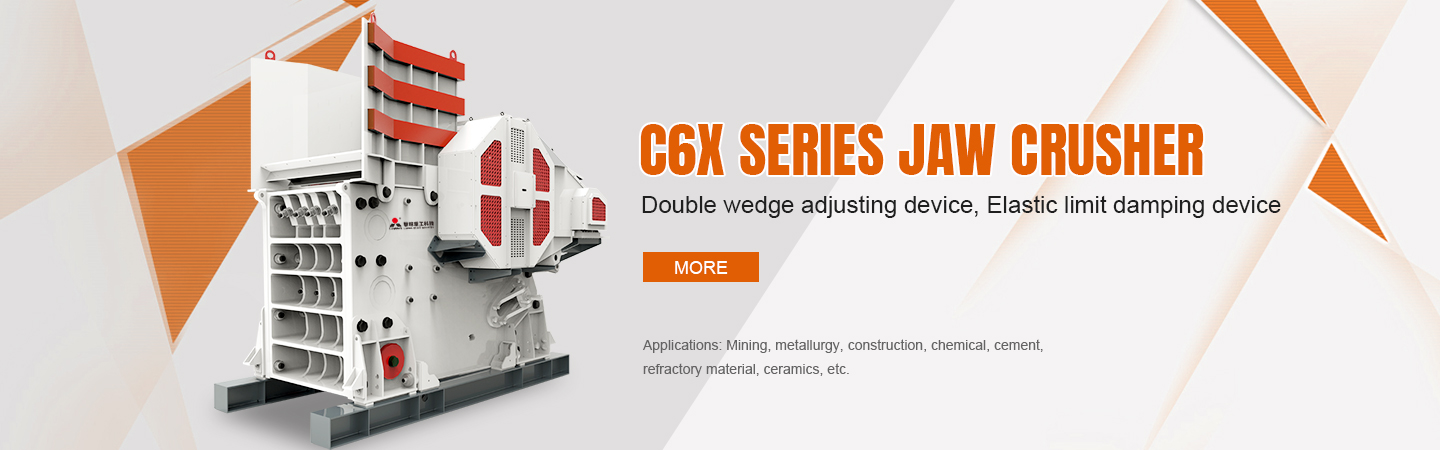
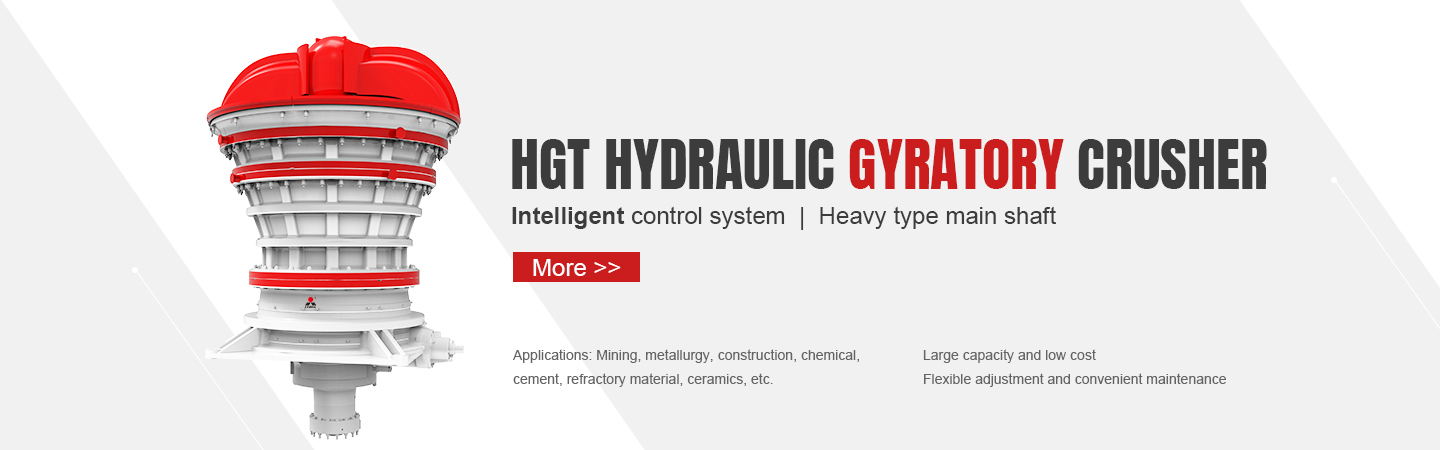
The layout of a 3000 TPD crusher plant must prioritize material flow and accessibility. Primary crushing units, such as jaw or gyratory crushers, should be positioned close to the feed source to reduce haulage costs. Secondary and tertiary crushers (e.g., cone or impact crushers) should be arranged to facilitate seamless material transfer via conveyors. Proper spacing between equipment ensures safe maintenance access while minimizing dust and noise pollution. 
Equipment Selection
Selecting the right machinery is crucial for meeting daily production targets. Key factors include: 
- Feed Material Hardness: High-abrasion ores may require rugged crushers with wear-resistant liners.
- Throughput Capacity: Crushers must handle peak loads without bottlenecks.
- Energy Efficiency: Variable-speed drives and automated controls can reduce power consumption.
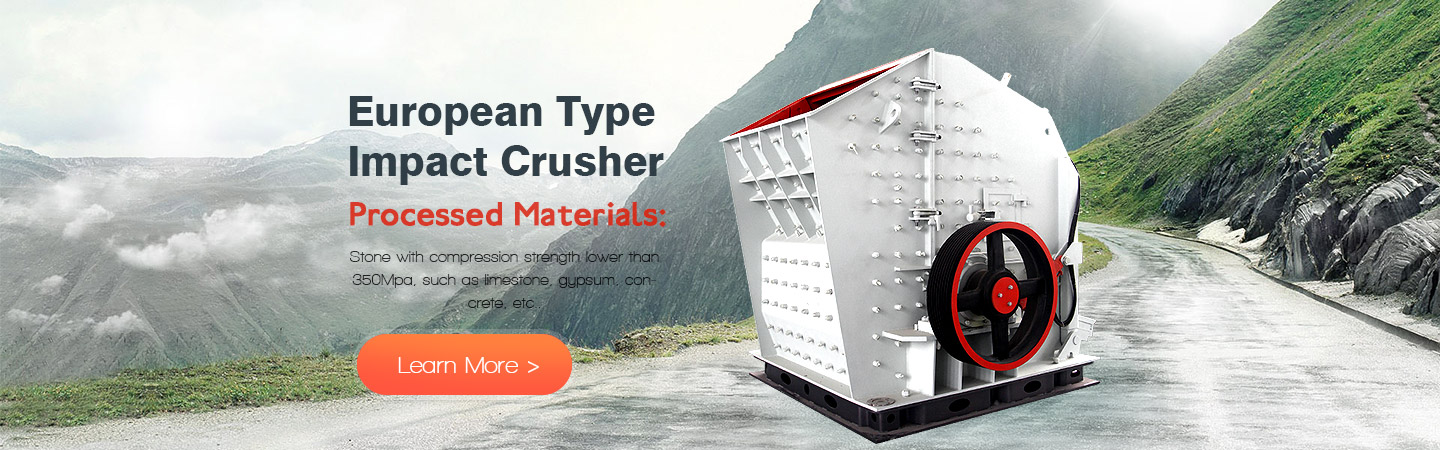
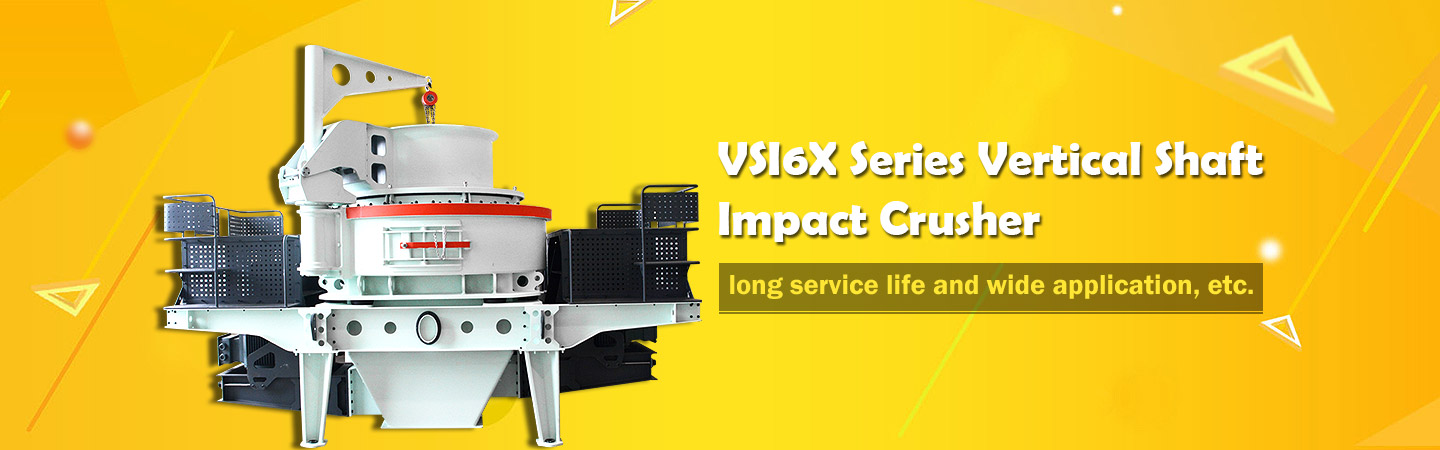
A well-balanced circuit—combining scalping screens, crushers, and sorting conveyors—ensures consistent product sizing and minimizes recirculation.
Maintenance Strategies
Preventive maintenance is vital for sustaining 3000 TPD operations:
- Regular Inspections: Monitor wear parts (mantles, concaves, bearings) to avoid unplanned shutdowns.
- Lubrication Systems: Automated greasing units extend equipment lifespan.
- Spare Parts Inventory: Critical components should be stocked to reduce downtime during replacements.
Automation and Monitoring
Modern crusher plants leverage automation for real-time performance tracking. Sensors measuring feed rates, power draw, and product gradation enable operators to adjust settings dynamically. Centralized control systems provide alerts for abnormal vibrations or temperatures, allowing proactive interventions.
Environmental Considerations
Dust suppression systems (water sprays or baghouse filters) are mandatory to comply with air quality standards. Noise barriers and enclosed transfer points further mitigate environmental impact while improving worker safety.
Conclusion
A 3000 TPD crusher plant demands robust engineering, strategic maintenance, and advanced controls to achieve optimal productivity. By focusing on equipment reliability, automation, and sustainability, operators can ensure long-term profitability in high-volume crushing applications.