

The Process of Mining Cadmium
Cadmium is a rare metallic element primarily obtained as a byproduct of zinc, lead, and copper mining. Unlike other metals, cadmium is not mined directly due to its low natural abundance. Instead, it is extracted during the processing of sulfide ores containing zinc, lead, or copper. The mining and extraction process involves several key stages.
1. Ore Extraction
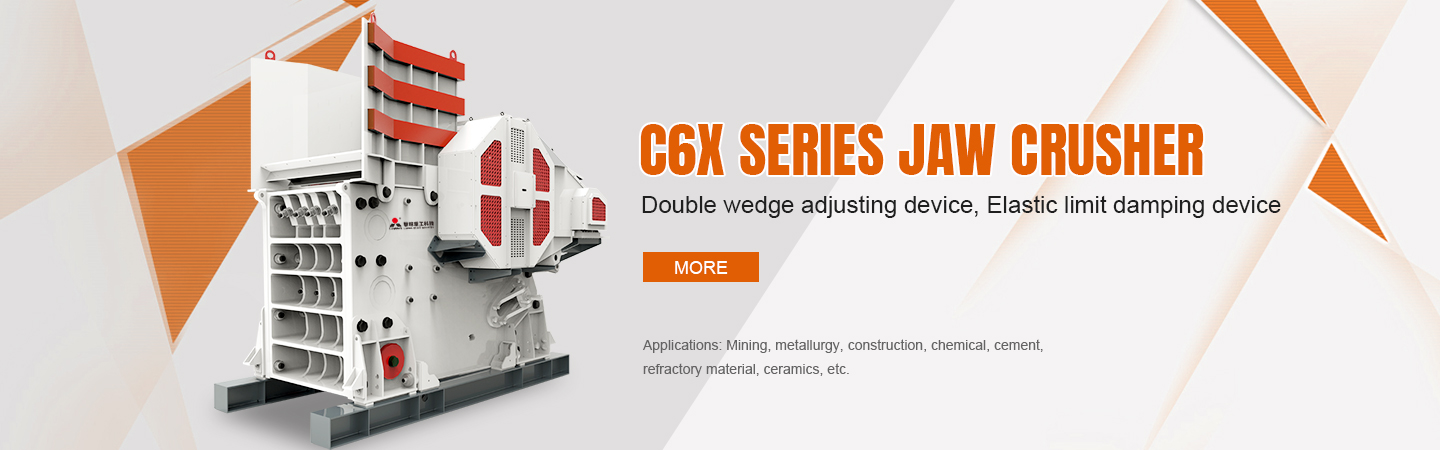
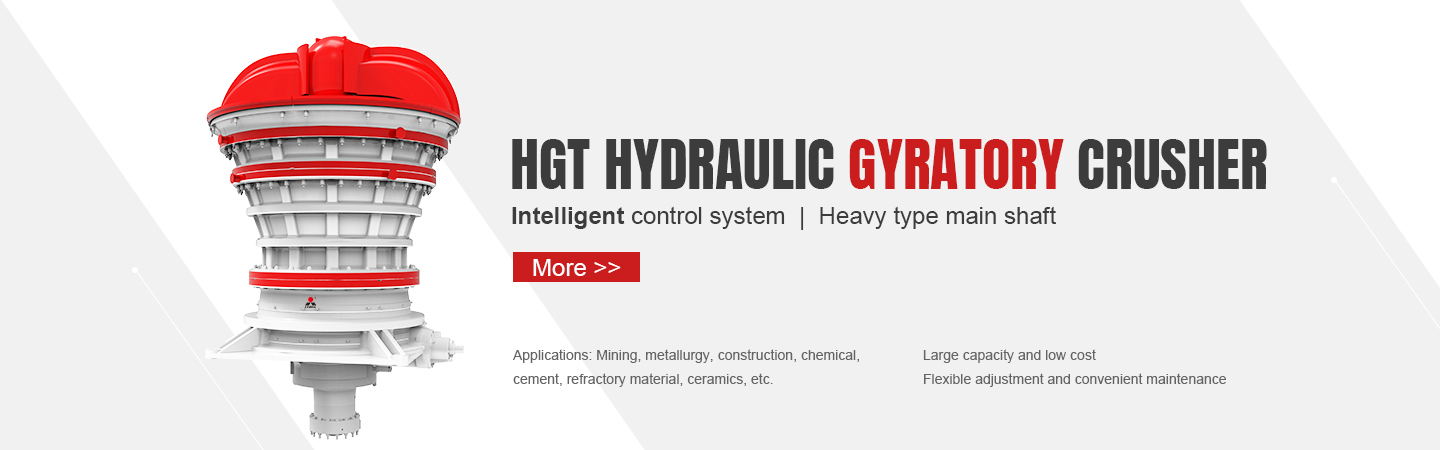
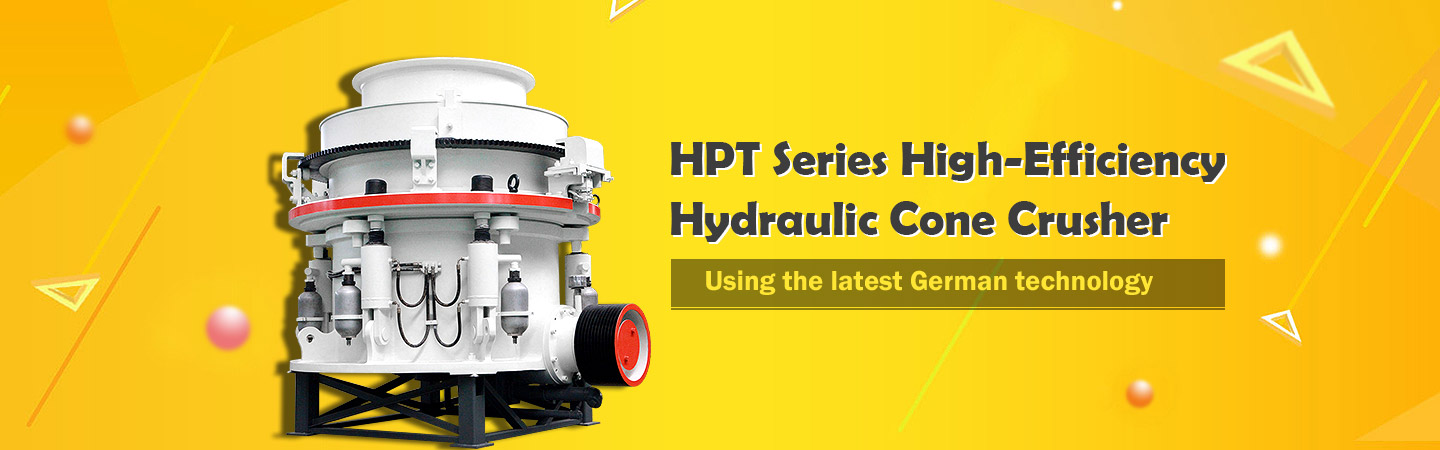
The first step involves mining zinc, lead, or copper ores from open-pit or underground mines. These ores often contain trace amounts of cadmium in the form of sulfides. Once extracted, the ore is crushed and ground into fine particles to facilitate further processing. .jpg)
2. Froth Flotation
The crushed ore undergoes froth flotation, a concentration process that separates valuable minerals from waste rock. Air bubbles are introduced into a slurry of water and ground ore, causing sulfide minerals (including zinc sulfide) to attach to the bubbles and rise to the surface as froth. The collected concentrate contains zinc, lead, or copper sulfides along with small quantities of cadmium compounds. 
3. Roasting and Smelting
The concentrated ore is then roasted in a furnace to convert metal sulfides into oxides while releasing sulfur dioxide gas. In the case of zinc production, the resulting zinc oxide is mixed with coke and heated in a smelter to produce molten zinc metal through reduction. During this process, cadmium—being more volatile—vaporizes along with other impurities like mercury and arsenic.
4. Condensation and Collection
The vaporized metals are directed into a condensation system where they cool and condense into a dust-like material known as “cadmium fume.” This fume is collected in electrostatic precipitators or bag filters before further refining.
5. Purification
The collected cadmium fume undergoes purification through leaching with sulfuric acid or other solvents to dissolve impurities like copper and lead. The solution is then treated with zinc dust to precipitate cadmium selectively through cementation. The resulting cadmium sponge is melted and cast into ingots for commercial use.
Due to its toxicity, strict environmental controls are enforced during cadmium extraction to prevent air and water contamination. While demand for cadmium has declined in some applications (e.g., batteries), it remains important in coatings, alloys, and solar panel production. Efficient recovery methods ensure minimal waste while meeting industrial needs safely.