


Table of Contents
Crushing Plants in Pakistan: Key Aspects and Industry Overview
Pakistan’s construction and mining sectors have seen significant growth in recent years, driving demand for efficient crushing plants. These facilities play a crucial role in processing raw materials like limestone, granite, and gravel into usable aggregates for infrastructure projects. Here’s an overview of the crushing plant industry in Pakistan and its key features.
Types of Crushing Plants
Most crushing plants in Pakistan fall into two categories:
-
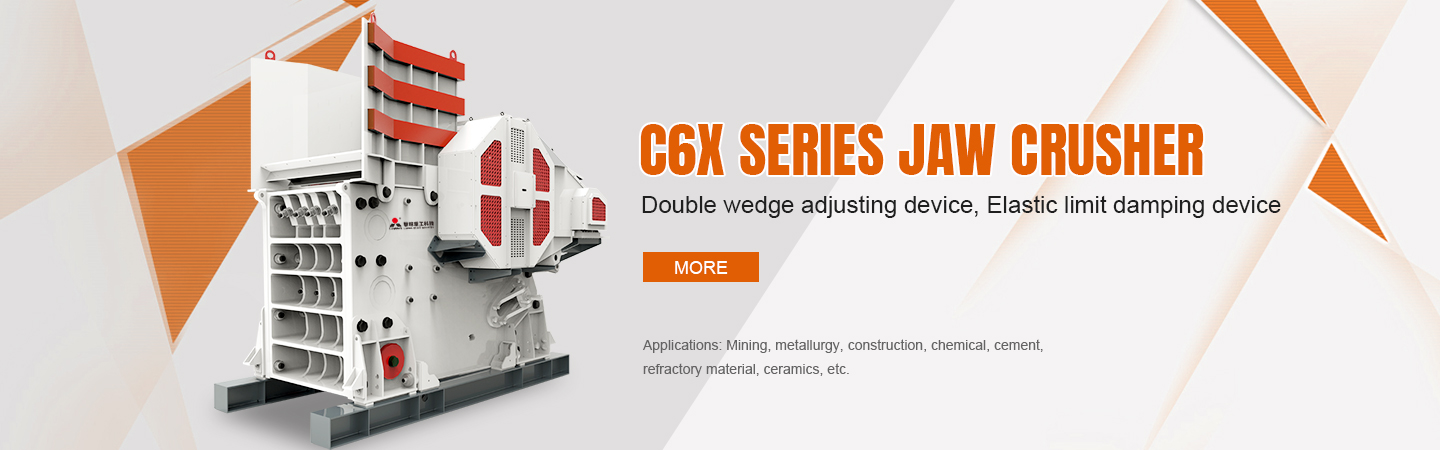
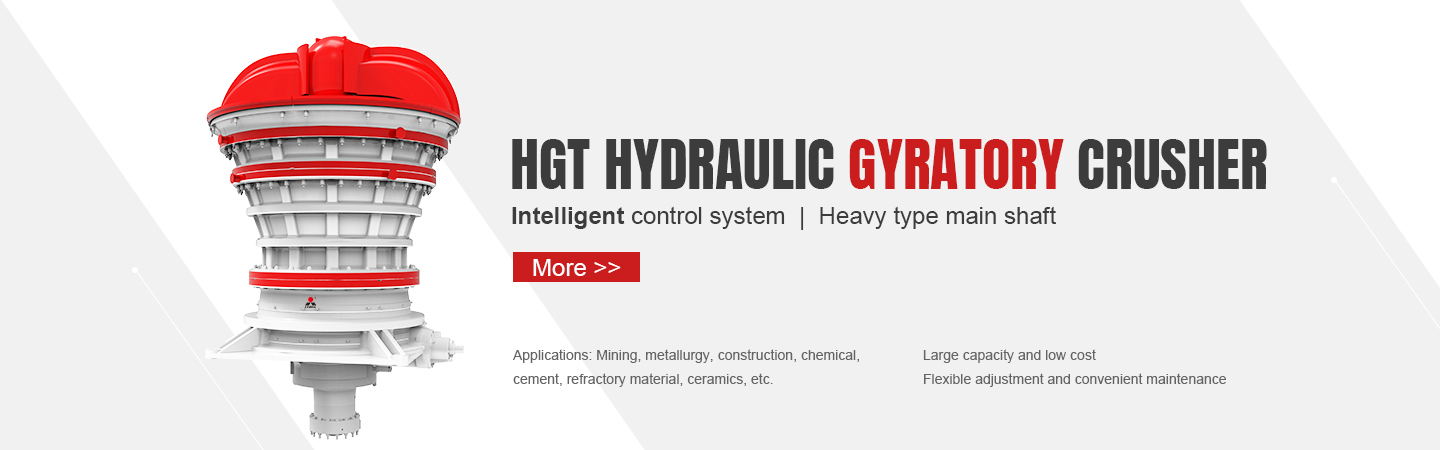
Stationary Crushing Plants – Permanently installed at quarry sites, these setups handle large-scale material processing with high output capacity. Common equipment includes jaw crushers, cone crushers, and impact crushers.
-
Mobile Crushing Plants – Increasingly popular due to flexibility, these units can be relocated to different sites. They are ideal for short-term projects or areas with limited infrastructure.

Key Applications
Crushed stone from these plants is primarily used in:
- Road construction and highway projects
- Concrete production for buildings and bridges
- Railway ballast manufacturing
- Dam and irrigation infrastructure
Challenges Facing the Industry
Despite growth, several obstacles persist:
- Power Supply Issues: Frequent electricity shortages disrupt operations, forcing reliance on diesel generators.
- Regulatory Hurdles: Obtaining permits for quarrying and crushing can be time-consuming due to bureaucratic delays.
- Equipment Maintenance: Harsh operating conditions (dust, heat) accelerate wear and tear, raising maintenance costs.
Opportunities for Expansion
With the China-Pakistan Economic Corridor (CPEC) boosting infrastructure development, demand for aggregates is expected to rise. Investments in modern, energy-efficient crushing technology could improve productivity while reducing operational costs. .jpg)
Conclusion
Pakistan’s crushing plant sector is poised for further growth but requires upgrades in equipment and regulatory streamlining to meet future demands effectively. As construction activity expands, efficient material processing will remain critical to the country’s development goals.