
Table of Contents
Setting Up a 40 to 70 Tonnes per Hour Diamond Processing Plant
Establishing a diamond processing plant with a capacity of 40 to 70 tonnes per hour requires careful planning, efficient equipment selection, and adherence to industry best practices. Such a facility must integrate advanced technology to maximize recovery rates while minimizing operational costs. Below is an overview of the key considerations for setting up and running a mid-to-large-scale diamond processing operation. .jpg)
1. Plant Design and Workflow
The plant layout should optimize material flow from feed intake to final diamond extraction. A typical setup includes: .jpg)
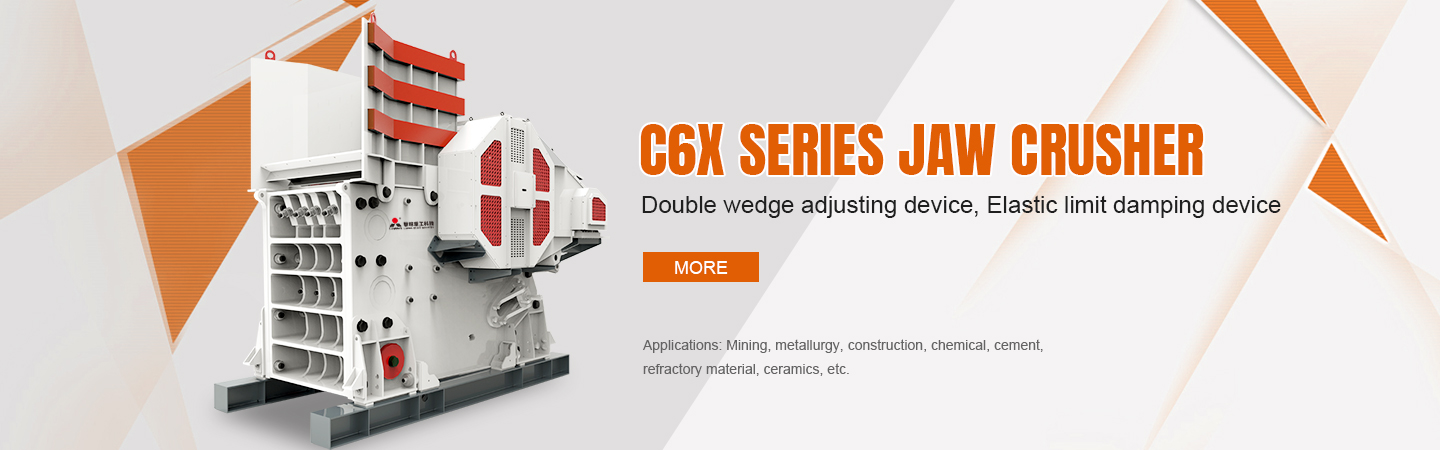
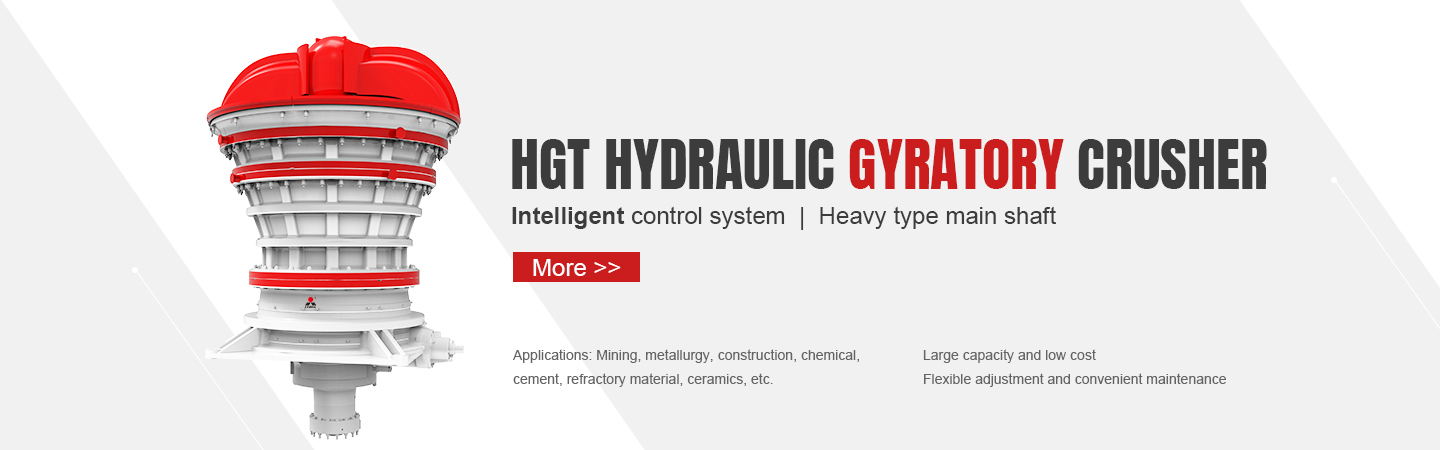
- Primary Crushing: Jaw or gyratory crushers reduce raw ore to manageable sizes (typically below 150mm).
- Scrubbing & Screening: Rotary scrubbers remove clay and debris, while vibrating screens classify material for further processing.
- Dense Media Separation (DMS): A critical stage where diamonds are separated from waste using cyclones or drums filled with a ferro-silicon slurry.
- X-ray Sorting & Recovery: Advanced X-ray fluorescence (XRF) or laser sorters identify diamonds based on their luminescence properties.
- Final Sorting & Security: Manual inspection and secure handling ensure high-value stones are safely recovered.
2. Equipment Selection
To handle 40–70 tonnes per hour, robust machinery is essential:
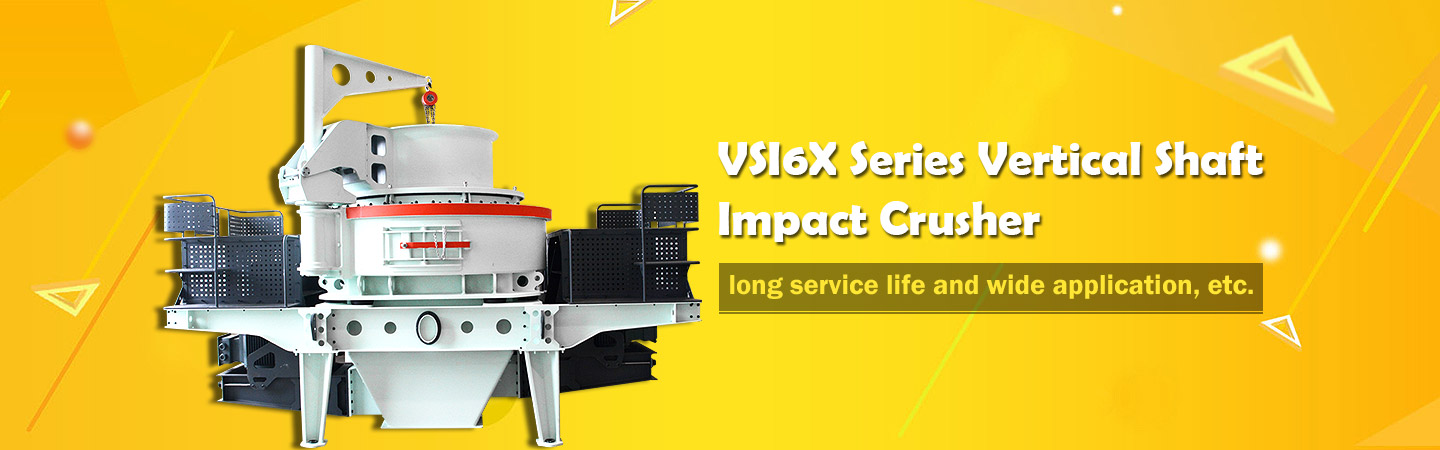
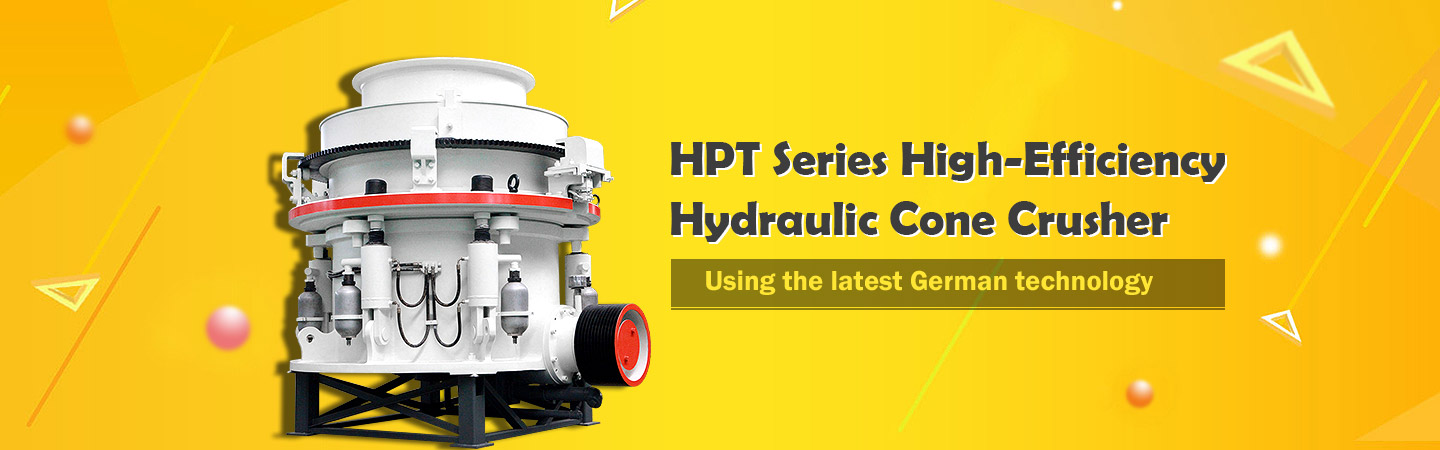
- Crushers: High-capacity primary and secondary crushers ensure consistent feed size.
- DMS Modules: Modular plants allow scalability; multiple units can run in parallel for higher throughput.
- Sorting Technology: Modern X-ray sorters like those from Tomra or Bourevestnik improve efficiency over traditional grease belts.
- Tailings Management: Efficient slurry pumps and dewatering systems minimize water waste and environmental impact.
3. Power and Water Requirements
A plant of this scale typically needs:
- Power: 500–800 kW, depending on automation levels (diesel generators may supplement grid supply).
- Water: Closed-loop systems reduce consumption, but 50–100 m³/hour may be required for scrubbing and DMS processes.
4. Labor and Security
Skilled personnel are needed for maintenance, sorting, and security:
- Operators for crushers, DMS, and sorting machines (3–5 per shift).
- Security personnel to prevent theft, especially in high-risk regions.
5. Cost Considerations
Capital expenditure ranges between $5M–$15M depending on location and technology used. Operational costs include:
- Energy (~30% of expenses).
- Maintenance (~15%).
- Labor (~20%).
6. Environmental Compliance
Proper waste disposal (tailings dams) and water recycling are mandatory to meet regulations in most jurisdictions. Dust suppression systems may also be required near crushing units.
Conclusion
A well-designed 40–70 tph diamond plant balances throughput with recovery efficiency. Investing in modern sorting technology and modular designs ensures profitability while reducing downtime. Proper planning in logistics, energy supply, and security will determine long-term success in diamond processing operations.