Iron Ore Mining Equipment Prices in Malaysia: Key Factors and Market Trends
The cost of iron ore mining equipment in Malaysia is influenced by several factors, including global demand, local market conditions, and technological advancements. As one of Southeast Asia’s leading producers of iron ore, Malaysia relies on efficient machinery to sustain production levels. This article explores the current pricing trends for mining equipment and the variables affecting investment decisions.
1. Market Demand and Supply
Prices for iron ore mining equipment fluctuate based on global iron ore demand, which is closely tied to steel production. When steel markets boom, mining activity intensifies, driving up demand for machinery such as excavators, bulldozers, and crushing plants. Conversely, downturns in the steel industry can lead to lower equipment prices as suppliers adjust to reduced orders.
In Malaysia, infrastructure projects and export demands play a significant role in shaping equipment needs. Local suppliers often source machinery from international manufacturers, making prices susceptible to currency exchange rates and import tariffs.
2. Equipment Types and Costs
Common machinery used in Malaysia’s iron ore mines includes:
- Drilling rigs ($200,000–$500,000 per unit)
- Hydraulic shovels ($1–$3 million, depending on capacity)
- Haul trucks ($500,000–$2 million)
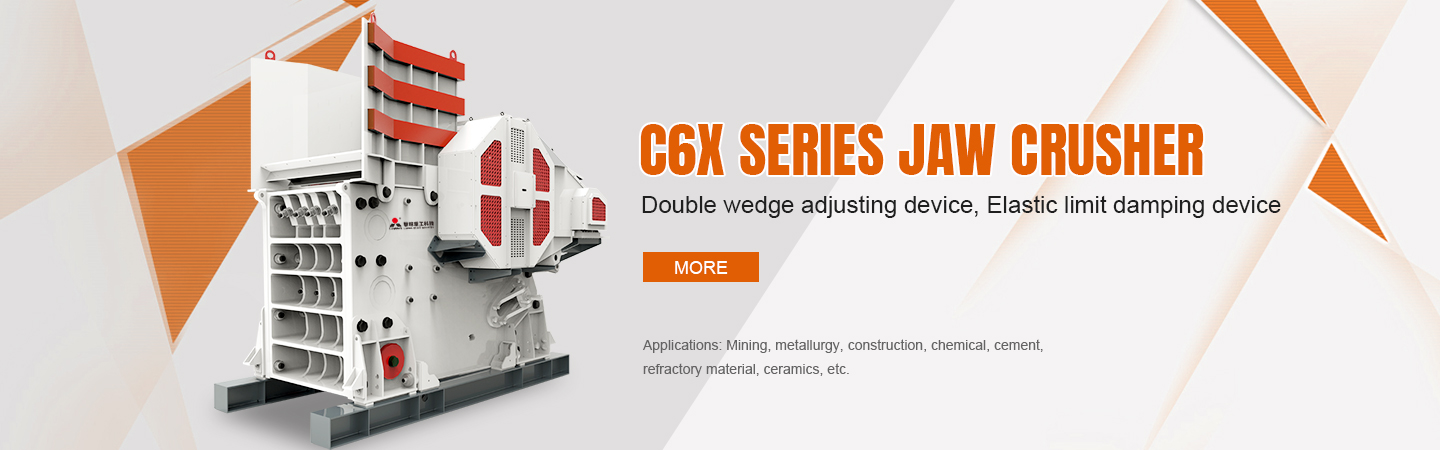
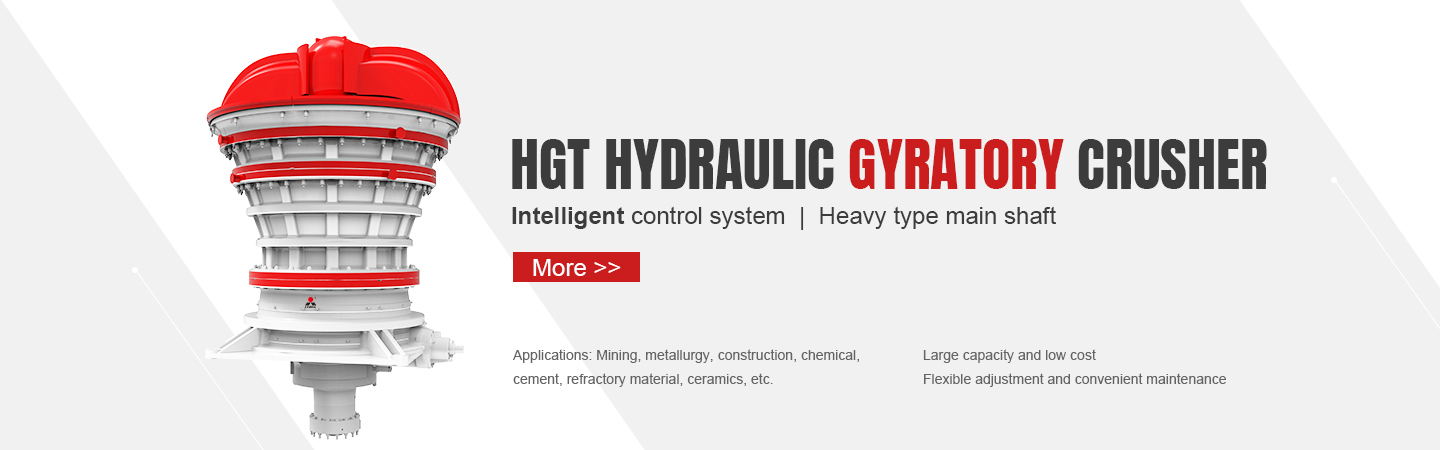
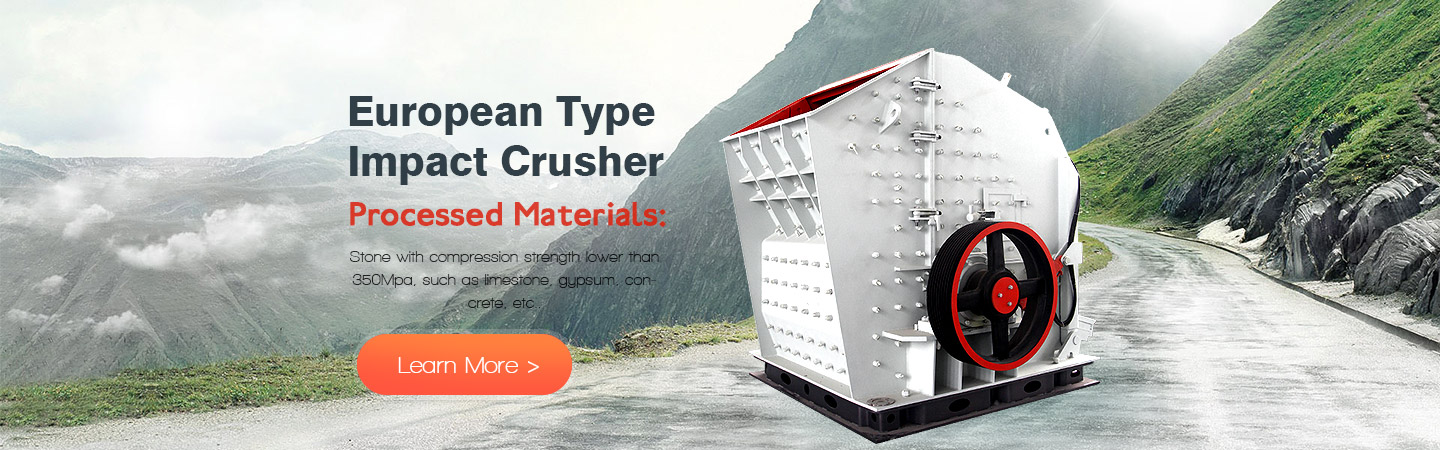
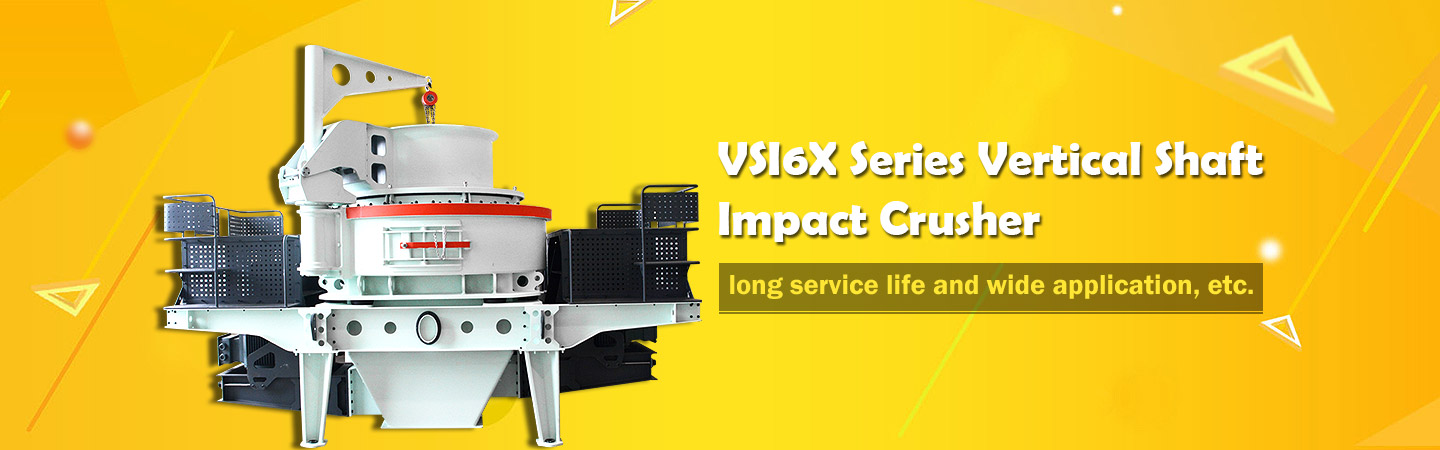
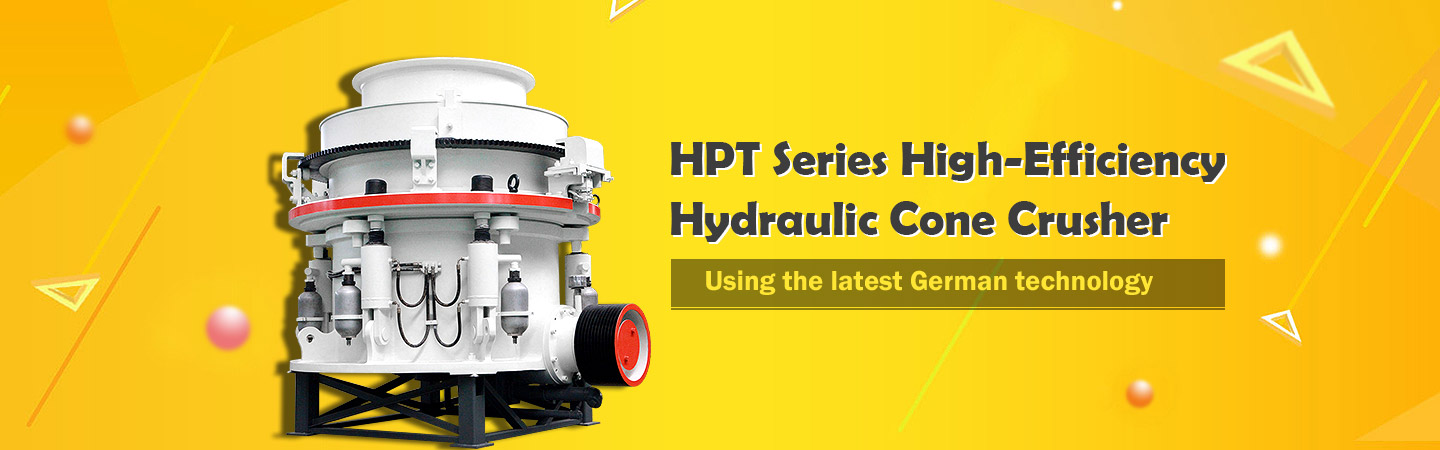
- Crushing and screening plants ($1.5–$5 million for full setups)
Used or refurbished equipment can cut costs by 30–50%, but maintenance expenses and operational efficiency must be carefully evaluated.
3. Technology and Automation
Advanced technologies like autonomous haulage systems and remote-controlled drilling are gaining traction, but these innovations come at a premium. While automated equipment may reduce long-term labor costs, the initial investment is higher—often 20–40% more than traditional machinery. .jpg)
4. Local vs. Imported Equipment
Malaysian mining companies often weigh the benefits of locally assembled equipment against imported options. Chinese machinery tends to be more affordable (10–30% cheaper than European or American brands) but may have shorter lifespans. Import taxes and shipping fees further influence final pricing, making local purchases attractive for some operators. 
5. Maintenance and Operating Costs
Beyond purchase prices, companies must budget for spare parts, fuel, and labor. Equipment with higher energy efficiency or longer service intervals can offset upfront costs over time.
Conclusion
Iron ore mining equipment prices in Malaysia remain dynamic, shaped by global trends and local economic conditions. Buyers should assess total ownership costs—not just sticker prices—to make informed decisions. As automation and sustainability become priorities, investing in newer technologies may prove cost-effective despite higher initial outlays.
For businesses planning purchases, consulting local dealers and comparing financing options is advisable to secure the best value.