Table of Contents
The Evolution and Impact of Gold Mining Machinery
Gold mining has been a cornerstone of human industry for centuries, driving exploration, economic growth, and technological innovation. Today, modern gold mining machinery has revolutionized the efficiency, safety, and environmental sustainability of extracting this precious metal. From simple hand tools to advanced automated systems, the evolution of gold mining equipment reflects the relentless pursuit of higher yields and reduced environmental impact.
Early Tools and Mechanization
In ancient times, gold mining relied on basic tools like pans, sluice boxes, and pickaxes. Miners manually sifted through riverbeds and rock formations, a labor-intensive process with limited output. The California Gold Rush (1848–1855) introduced rudimentary mechanization, including stamp mills and hydraulic mining, which used high-pressure water jets to dislodge gold-bearing sediment. While these methods increased productivity, they also caused significant environmental damage, such as erosion and river pollution. .jpg)
Modern Gold Mining Equipment
Today’s gold mining machinery is engineered for precision, scalability, and minimal ecological disruption. Key technologies include:
-
Excavators and Haul Trucks – Massive electric or diesel-powered machines extract and transport ore from open-pit or underground mines. Autonomous haul trucks, guided by GPS and AI, optimize routes and reduce fuel consumption.
-
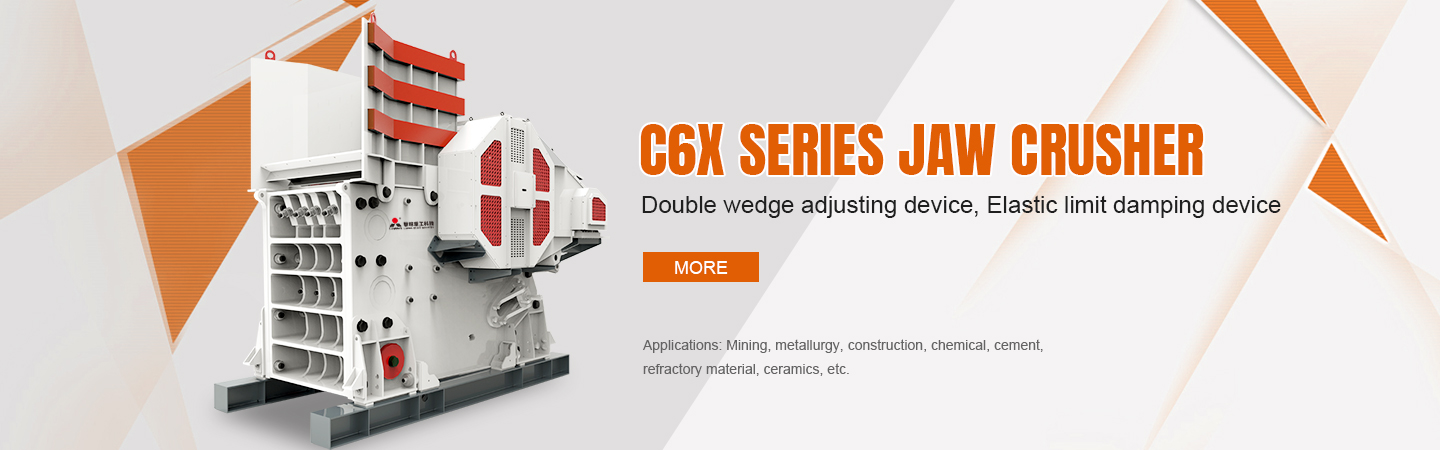
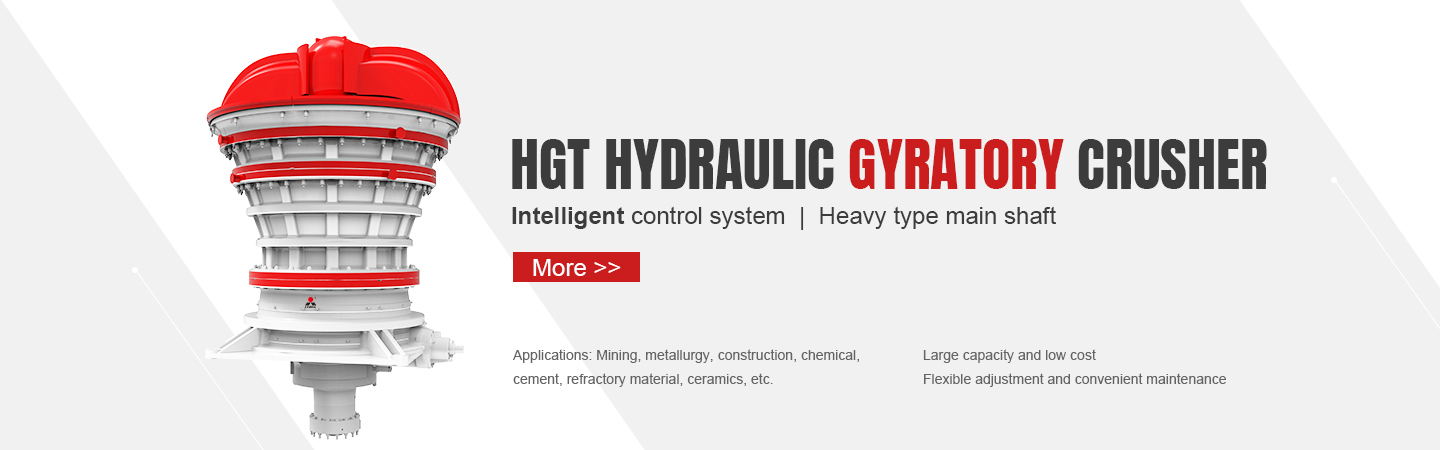
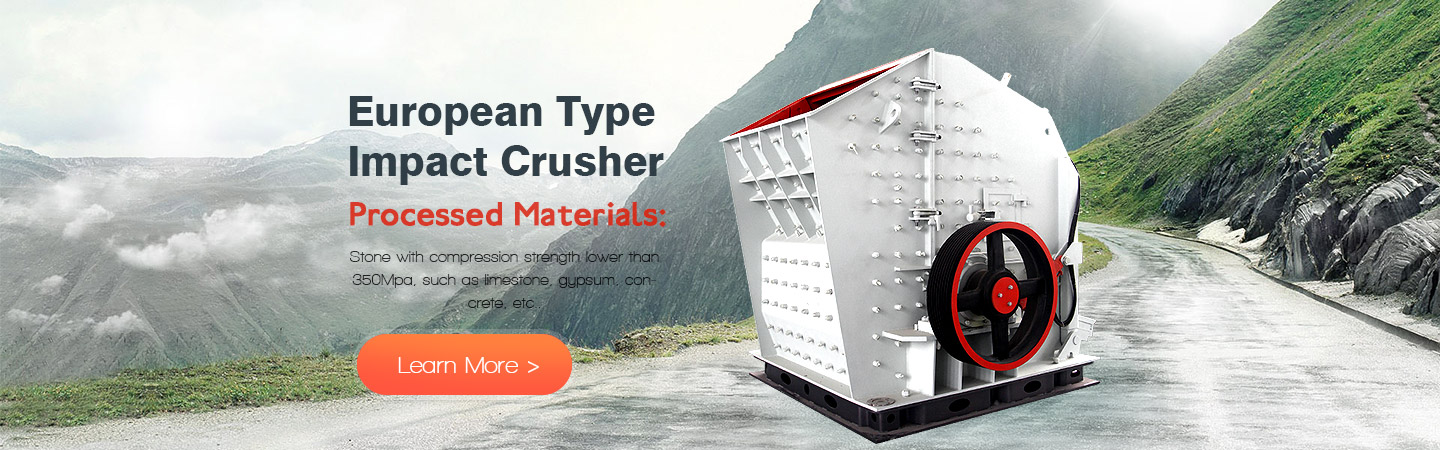
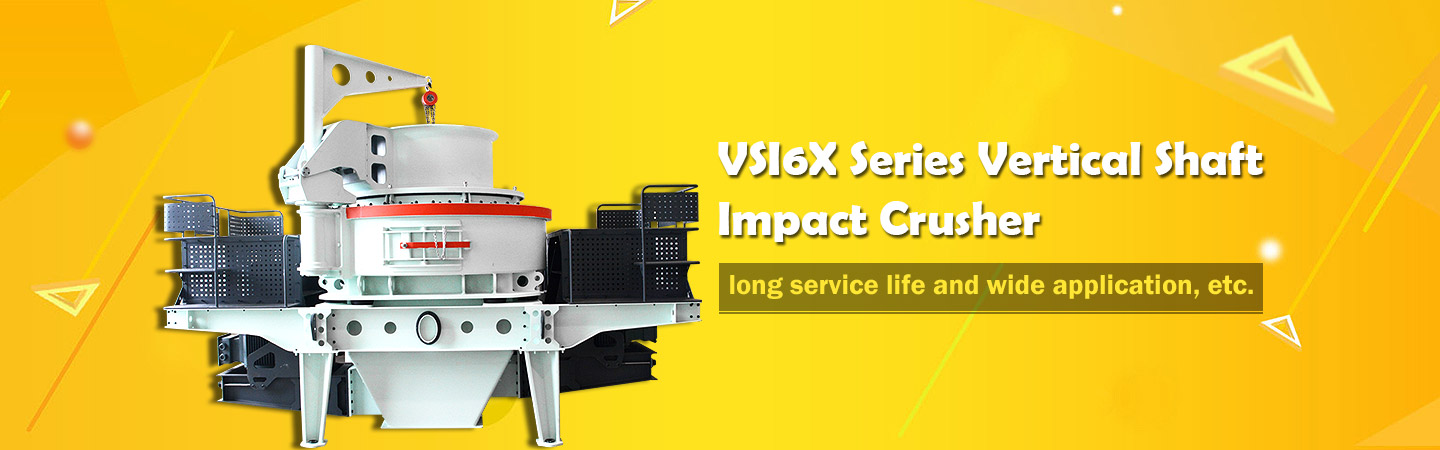
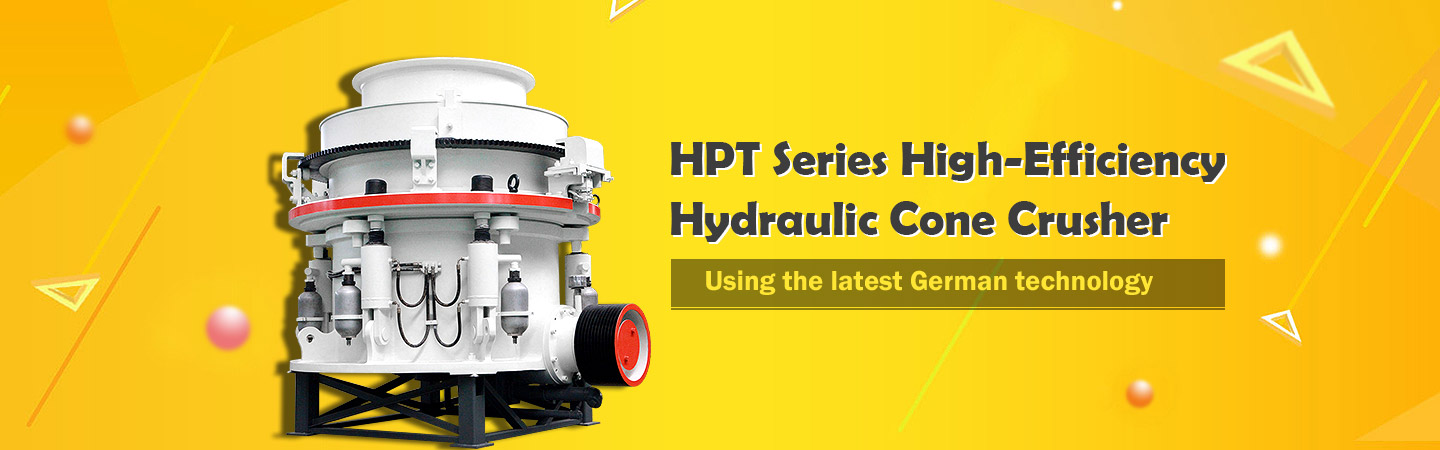
Crushers and Grinders – High-capacity crushers break down ore into smaller fragments, while ball mills grind it into a fine powder for chemical processing.
-
Cyanidation Tanks – Gold is separated from ore using a cyanide leaching process. Advanced tanks ensure efficient recovery while minimizing chemical waste.
-
Froth Flotation Machines – These separate gold from other minerals by agitating ore slurry with reagents, causing gold particles to rise as foam for collection.

-
Dredges and Placer Mining Equipment – Floating dredges extract gold from riverbeds, using suction or mechanical scoops. Modern placer equipment recycles water and reduces sediment discharge.
-
Sensor-Based Sorting Technology – X-ray and laser sensors identify high-grade ore in real time, reducing energy use by processing only valuable material.
Sustainability and Automation
Environmental regulations and corporate responsibility have driven innovations like closed-loop water systems, biodegradable chemicals, and land reclamation programs. Automation has also reduced human exposure to hazardous conditions. Remote-controlled drills, AI-powered exploration drones, and robotic sorting systems improve safety and cut operational costs.
Challenges and Future Trends
Despite advancements, challenges persist, including energy consumption, water scarcity, and community displacement. Future developments may focus on renewable energy integration, zero-discharge processing, and deep-sea mining technologies.
Conclusion
Gold mining machinery has come a long way from primitive pans to automated, eco-conscious systems. As demand for gold continues—driven by jewelry, electronics, and investment—the industry must balance productivity with sustainability. Innovation remains key to unlocking gold’s value while preserving the planet for future generations.