
Table of Contents
The Essential Equipment for Sand Making from Gravel
Producing high-quality sand from gravel requires specialized machinery designed to crush, shape, and refine raw materials efficiently. The process involves several key pieces of equipment, each playing a critical role in transforming coarse gravel into fine, usable sand for construction, concrete production, and other industrial applications.
1. Primary Crusher
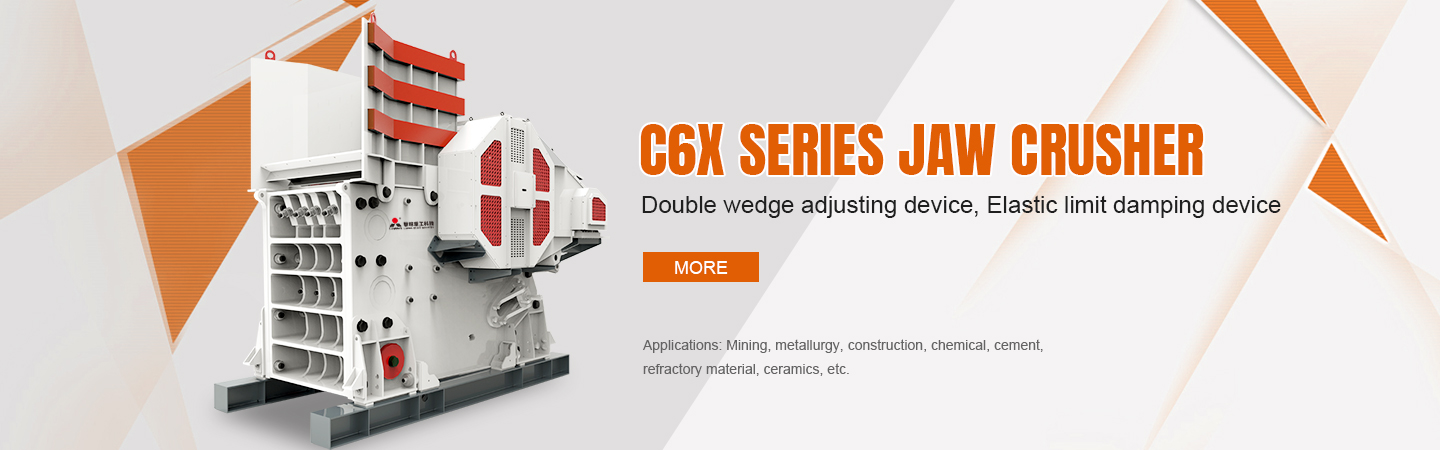
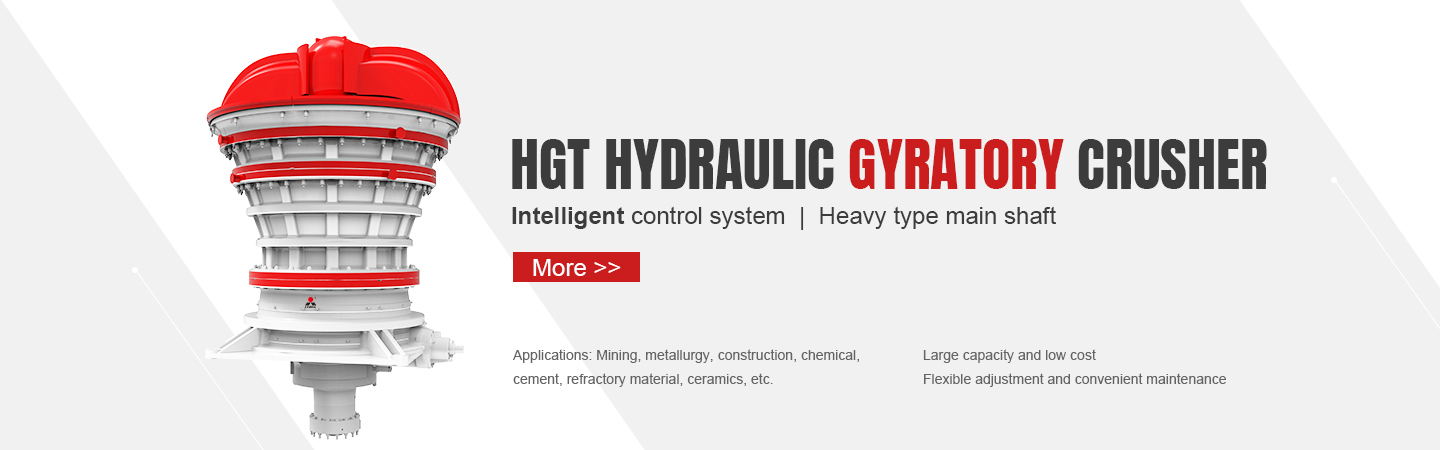
The first step in sand production is reducing large gravel into smaller, manageable pieces. Jaw crushers or gyratory crushers are commonly used for primary crushing. These machines apply compressive force to break down rocks into fragments of roughly 50-150 mm in size. .jpg)
2. Secondary Crusher
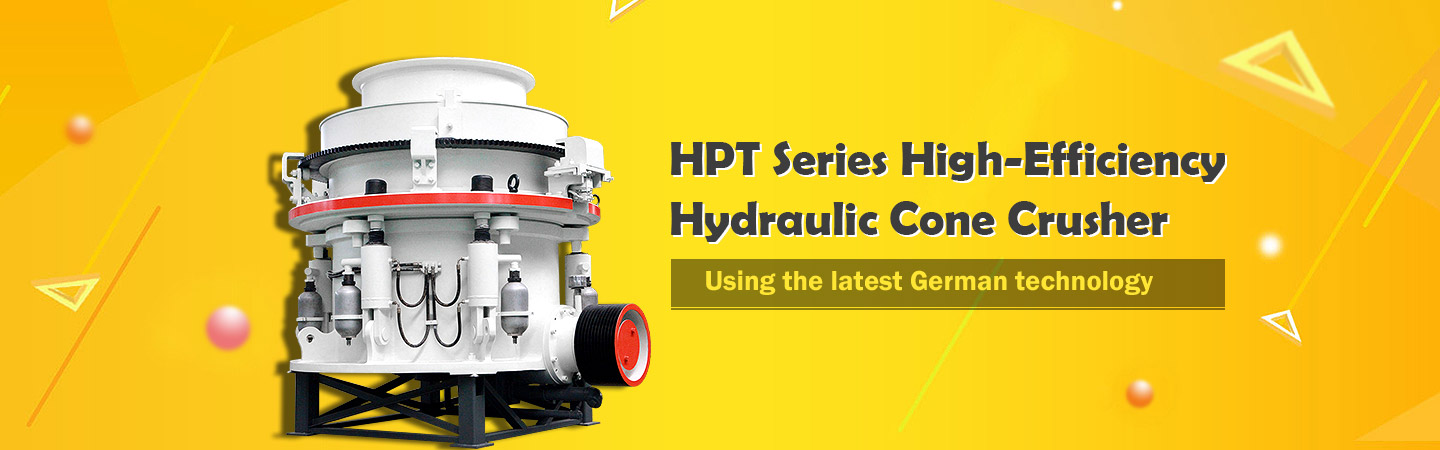
After primary crushing, the material moves to a secondary crusher—typically a cone crusher or impact crusher—for further reduction. This stage refines the gravel into smaller particles (20-50 mm) and improves uniformity. Cone crushers are preferred for harder materials, while impact crushers excel at producing well-shaped aggregates.
3. Sand Maker (Vertical Shaft Impact Crusher)
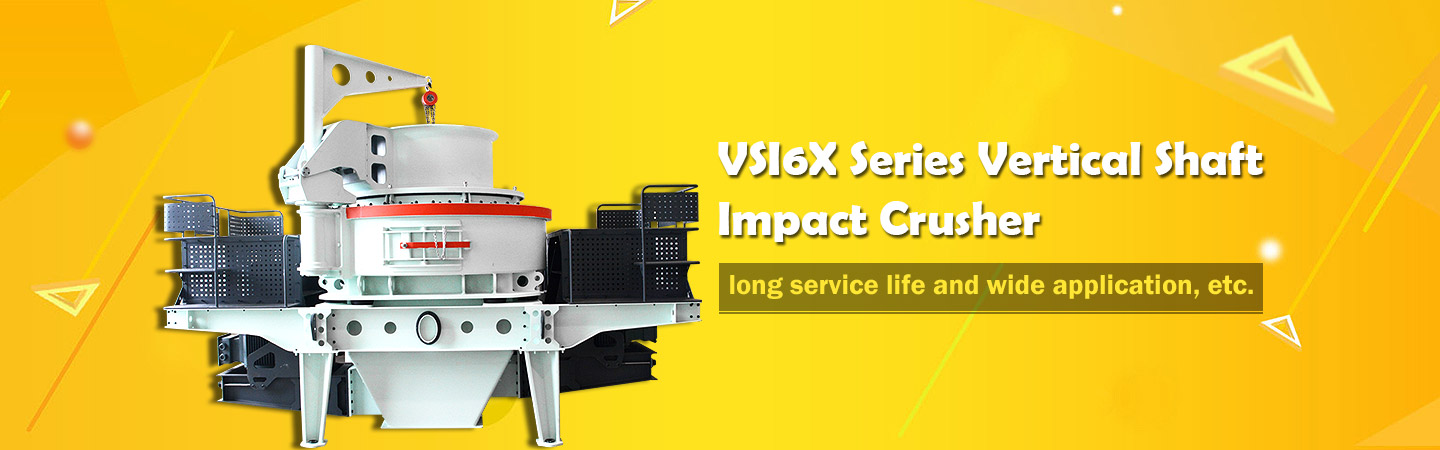
The core of the sand-making process is the vertical shaft impact (VSI) crusher. This machine uses high-speed rotors to throw gravel particles against anvils or crushing chambers, fracturing them into finer grains. VSI crushers produce cubical-shaped sand with optimal gradation, ideal for concrete and asphalt mixes. Adjustable rotor speed and cascade feed systems allow precise control over particle size distribution.
4. Vibrating Screen
Screening separates sand into different sizes and removes oversized particles for recirculation. Multi-deck vibrating screens classify material efficiently, ensuring only properly sized grains proceed to the next stage or final stockpile.
5. Sand Washer
To remove impurities like dust, clay, or organic matter, a sand washer (wheel or screw type) cleans the final product. This step enhances purity and improves bonding properties in construction applications.
6. Conveyors and Feeders
Belt conveyors and vibrating feeders streamline material transfer between equipment stages, minimizing manual handling and boosting productivity. Automated systems ensure consistent feed rates to crushers and screens. 
Conclusion
Producing sand from gravel demands a well-coordinated setup of crushers, sand makers, screens, and washers tailored to material hardness and output requirements. Investing in robust equipment ensures efficient operation, high-quality output, and long-term reliability—key factors for meeting industry standards and project demands.