
Table of Contents
500 TPH High-Capacity Stone Production Line: Design and Applications
A 500-ton-per-hour (TPH) high-capacity stone production line is engineered to meet the demands of large-scale mining, quarrying, and construction projects. This system integrates crushing, screening, and conveying equipment to process hard rocks like granite, basalt, or limestone efficiently. Below is an overview of its key components, workflow, and advantages. .jpg)
Key Components
-
Primary Crushing Station
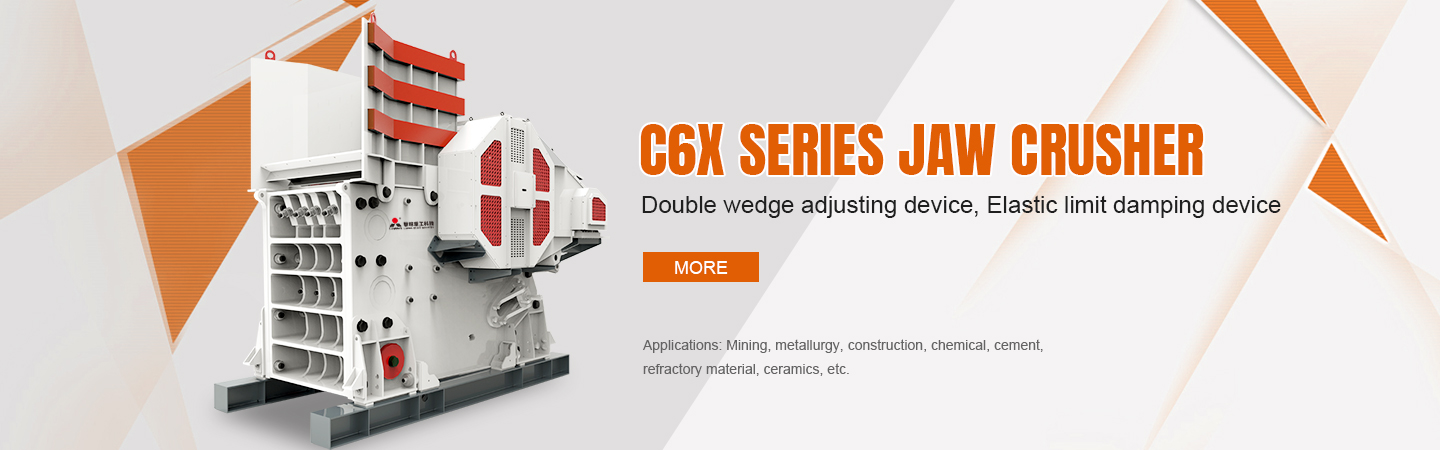
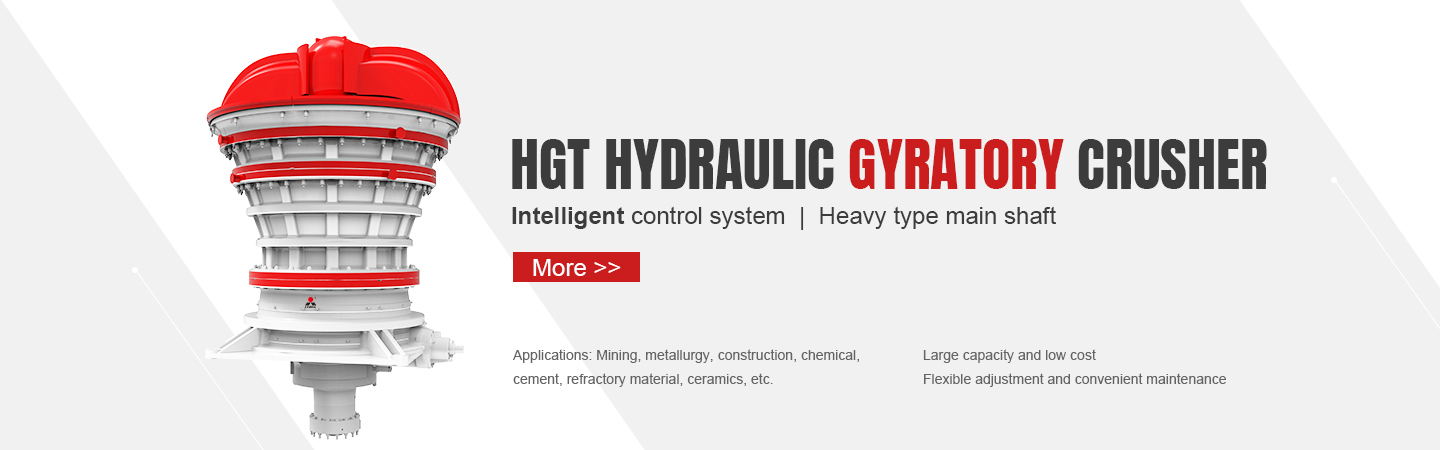
- A heavy-duty jaw crusher or gyratory crusher handles the initial size reduction, breaking large stones (up to 1,000 mm) into smaller pieces (150–300 mm).
-
Secondary & Tertiary Crushing
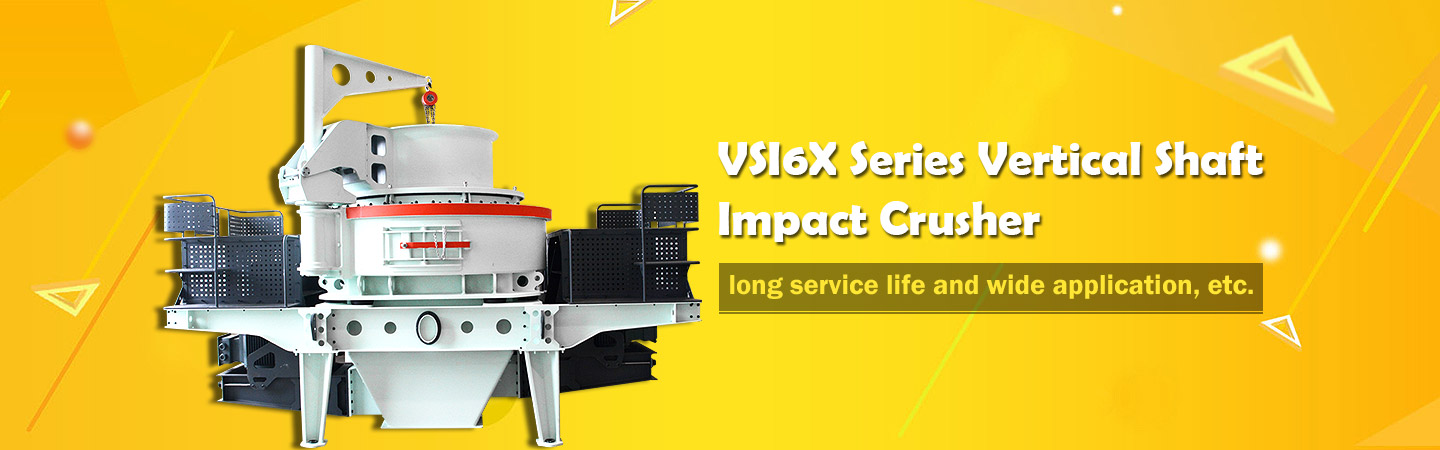
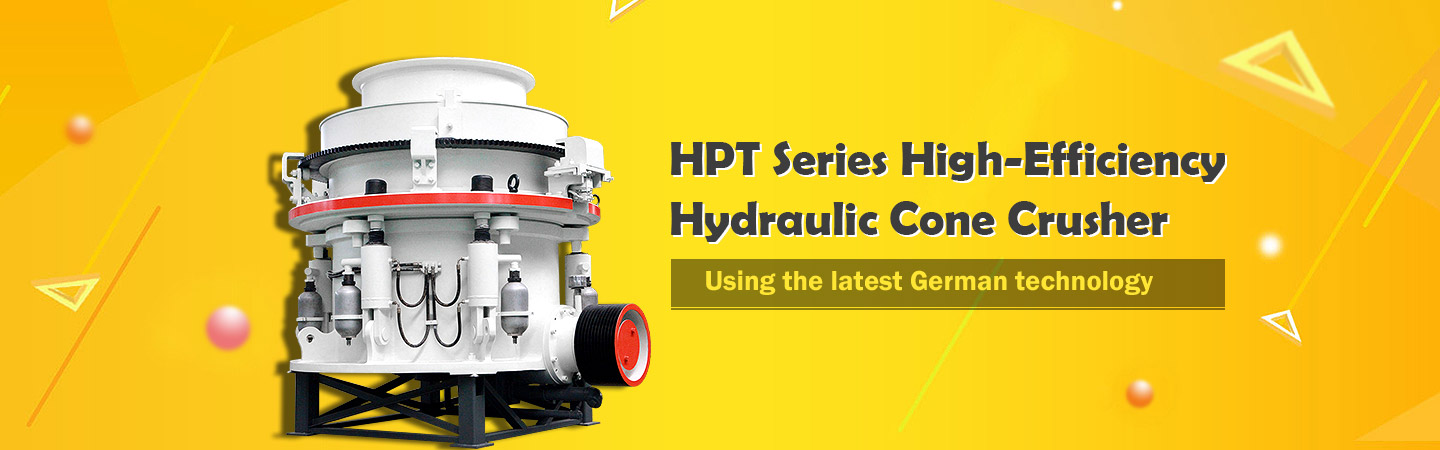
- Cone crushers or impact crushers further refine the material to 20–50 mm for uniformity.
-
Screening System
- Vibrating screens classify crushed stone into specific sizes (e.g., 0–5 mm, 5–20 mm, 20–40 mm) for different applications like concrete or road base.
-
Conveying & Storage
- Belt conveyors transport material between stages, while silos or stockpiles ensure continuous output.
Workflow
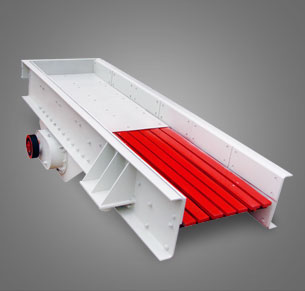
- Raw material is fed into the primary crusher via a vibrating feeder.
- Crushed rock moves to secondary/tertiary crushers for further processing.
- Screens separate aggregates by size; oversized material is recirculated.
- Finished products are stored or loaded for transport.
Advantages
- High Efficiency: Automated controls optimize throughput with minimal downtime.
- Durability: Robust construction reduces wear in harsh operating conditions.
- Flexibility: Adjustable settings accommodate varying material hardness and output requirements.
Applications
- Road construction aggregates
- Concrete and asphalt production
- Railway ballast manufacturing
A well-designed 500 TPH stone production line maximizes productivity while maintaining cost-effectiveness for industrial-scale operations. Regular maintenance and operator training are critical to sustaining peak performance over time.