Table of Contents
- Why Andesite Crushing is Critical for Mongolia’s Construction and Mining Expansion
- Top Crusher Machine Types for Processing Hard Andesite Rock Efficiently
- Optimizing Crushing Performance in Mongolia’s Harsh Climate and Remote Locations
- Customized Andesite Crushing Plants for Mongolian Mining and Road Projects
- Leading Suppliers and Support Services for Andesite Crushers Across Mongolia
- Frequently Asked Questions
Why Andesite Crushing is Critical for Mongolia’s Construction and Mining Expansion
Top Crusher Machine Types for Processing Hard Andesite Rock Efficiently
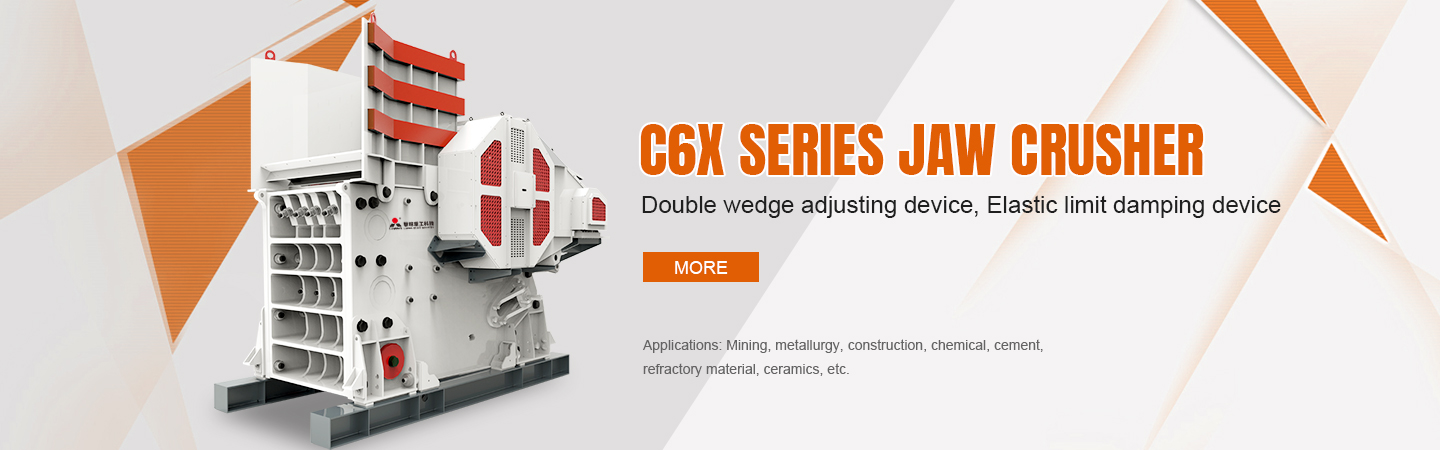
- Jaw Crusher
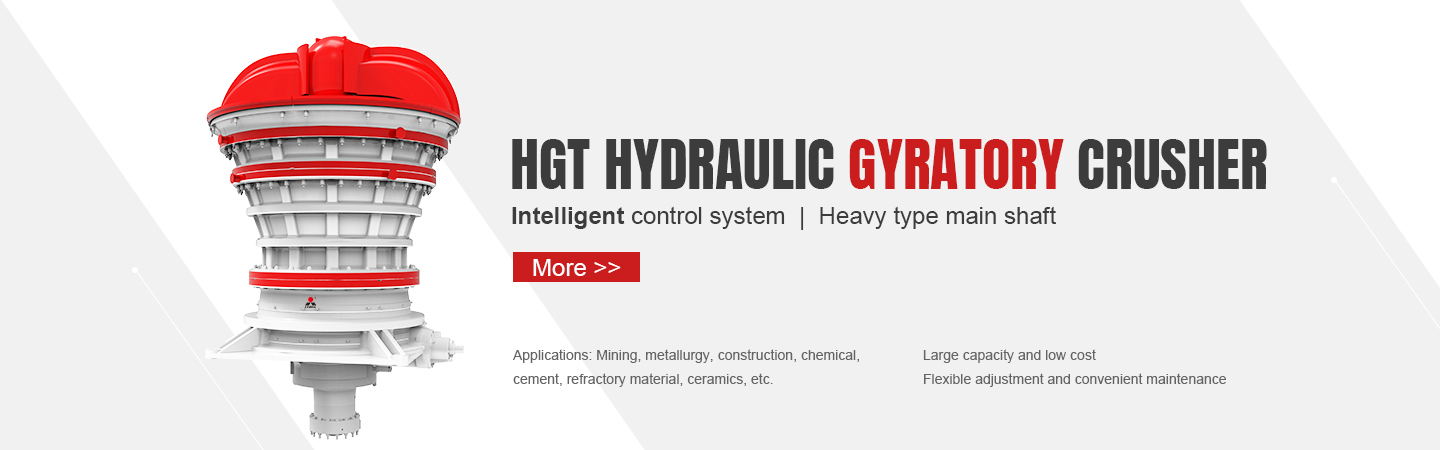
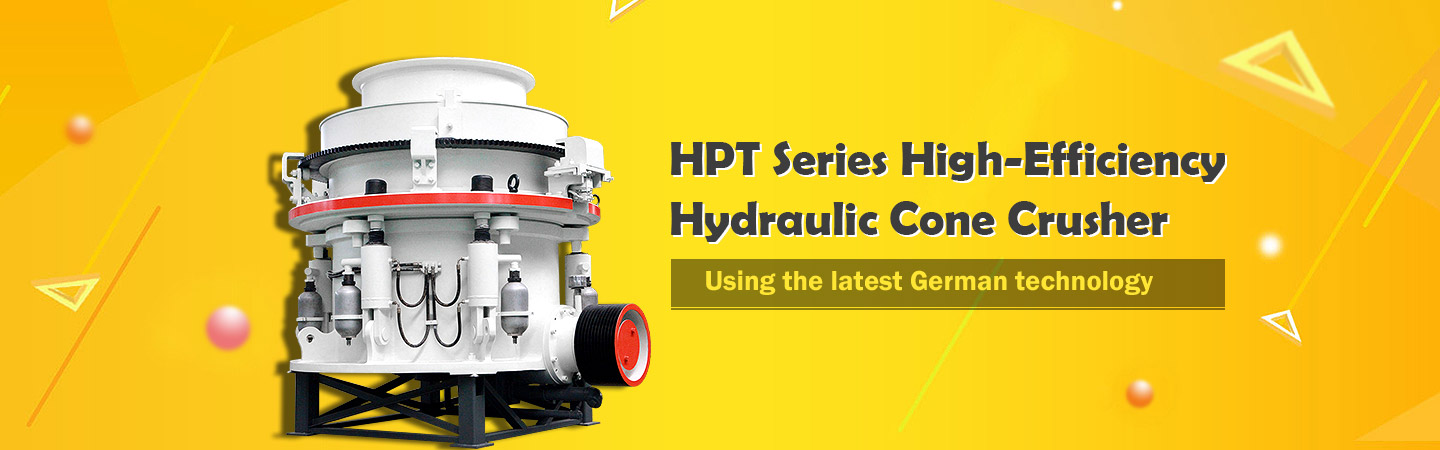
- Cone Crusher
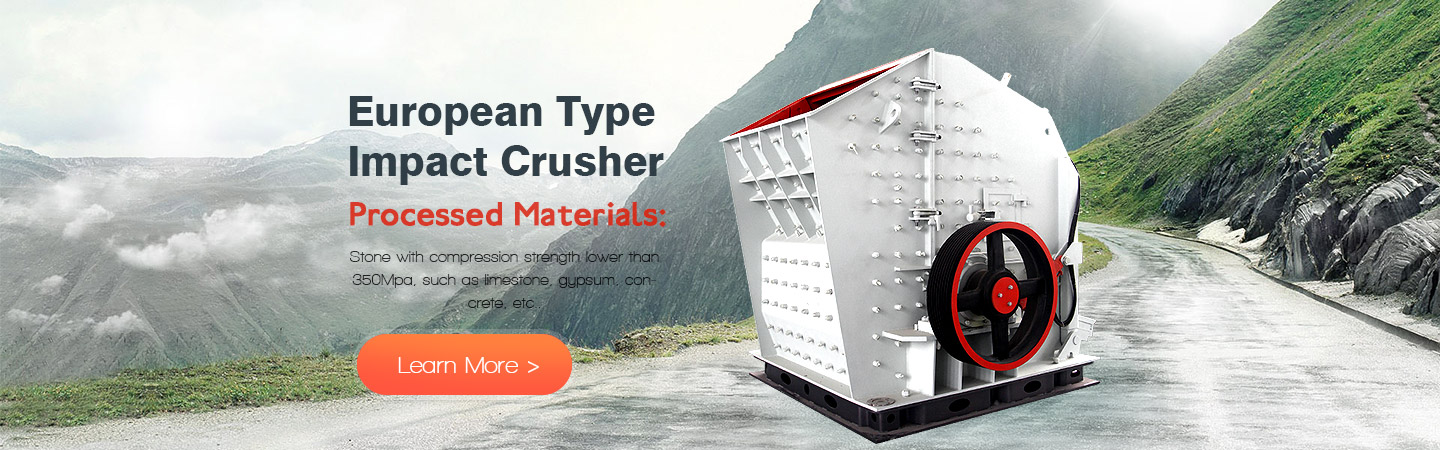
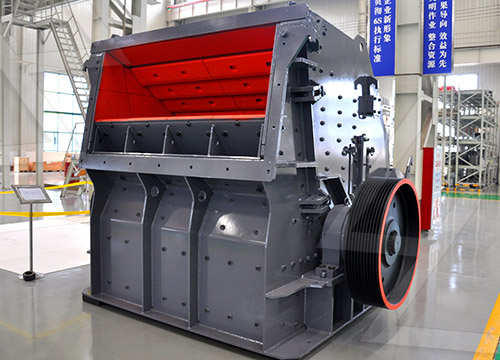
- Impact Crusher
- Hybrid Crusher (Jaw + Cone Configuration)
Processing hard andesite rock in Mongolia’s mountainous terrain demands crusher machines engineered for extreme durability, consistent output, and operational efficiency under abrasive conditions. Among available technologies, four crusher types stand out for their proven performance in high-stress environments.
Jaw crushers serve as primary crushing solutions due to their robust construction and ability to handle feed sizes up to 1.2 meters. Their high compression strength efficiently reduces large andesite boulders into manageable sizes, making them ideal for initial stage processing in remote quarry sites. Fixed and movable jaw plates, constructed from high-manganese steel, resist wear from andesite’s hardness (Mohs 6–7), ensuring prolonged service intervals.
For secondary and tertiary crushing, cone crushers offer superior performance. Their gyratory motion and multi-layer crushing chamber produce uniformly graded aggregate, essential for infrastructure projects requiring strict gradation control. Advanced models with hydraulic adjustment and overload protection adapt dynamically to variable feed conditions, minimizing downtime. The use of manganese or composite liners further enhances wear resistance, critical when processing abrasive andesite over extended periods.
While less common for hard rock, impact crushers may be deployed in selective operations where cubicity and reduced fines are priorities. However, their higher wear rate on andesite limits use to softer variants or low-abrasion applications. Regular rotor and blow bar maintenance is mandatory to sustain efficiency.
A hybrid configuration—combining a primary jaw crusher with a secondary cone crusher—delivers optimal throughput and product quality. This staged approach maximizes reduction ratios while minimizing energy consumption per ton. Integrated screening and closed-circuit recirculation ensure final product specifications meet Mongolia’s growing construction standards.
All equipment must be selected with Mongolia’s rugged terrain and logistical constraints in mind: modular designs, low-maintenance components, and cold-weather adaptations are essential. Emphasis on localized service support and spare parts availability further ensures continuous operation in remote locations.
Optimizing Crushing Performance in Mongolia’s Harsh Climate and Remote Locations
Customized Andesite Crushing Plants for Mongolian Mining and Road Projects
-
Customized andesite crushing plants are essential to meet the demanding geological and logistical realities of Mongolian mining and infrastructure development. The country’s vast reserves of high-strength andesite, coupled with its rugged mountainous terrain and expanding road networks, necessitate crushing solutions engineered for durability, mobility, and efficiency.
-
Andesite’s abrasive nature and high silica content require crushing equipment built with wear-resistant materials and advanced metallurgy. Primary jaw crushers with deep crushing chambers and optimized toggle systems provide reliable initial size reduction, while secondary cone crushers featuring hydraulic adjustment and overload protection ensure consistent output under variable feed conditions.
-
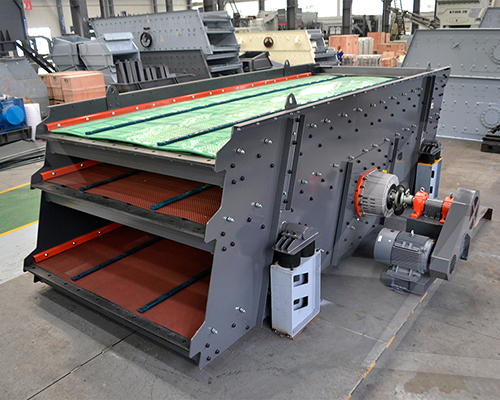
Modular plant configurations are increasingly favored in Mongolia due to remote project sites and seasonal access limitations. Fully portable and semi-portable crushing systems—equipped with tracked or wheeled undercarriages—allow rapid deployment across mining concessions and highway corridors. These systems can be tailored to process capacities ranging from 100 to 800 tons per hour, aligning with project scale and production targets.
-
Environmental and operational challenges such as extreme temperatures (-40°C to +35°C), high altitudes, and limited water availability further demand specialized engineering. Crushing plants incorporate cold-weather packages, sealed lubrication systems, and dust suppression mechanisms using minimal water or dry fog technology to comply with environmental standards and protect worker health.
-
Integration with screening and conveying modules enables closed-circuit operation, optimizing aggregate gradation for both high-grade railway ballast and asphalt concrete used in national road expansion programs. Automation systems with remote monitoring and predictive maintenance algorithms reduce downtime and enhance operational continuity in isolated regions.
-
Collaboration with local engineering partners ensures compliance with Mongolian regulatory frameworks and facilitates timely technical support. Equipment is configured to accept local fuel specifications and accommodate available operator skill levels, enhancing long-term sustainability.
-
As Mongolia advances its mining output and transnational transportation corridors, customized andesite crushing plants represent a critical enabler—delivering resilient, scalable, and terrain-adapted solutions that support national infrastructure growth and resource development.