
Table of Contents
- Why Wear-Resistant Andesite Crushing Equipment is Vital for Philippine Quarry Operations
- Key Features of Long-Lasting Crushing Machinery for Tough Andesite Processing
- How Advanced Material Technology Enhances Equipment Durability in the Philippines
- Reducing Downtime and Maintenance Costs with Smart Crusher Design
- Top Equipment Solutions for Efficient Andesite Crushing in Philippine Mining and Construction
- Frequently Asked Questions
- What is wear-resistant andesite crushing equipment and why is it essential for operations in the Philippines?
- How does tropical climate in the Philippines affect the service life of crushing equipment?
- Which crusher type offers the longest service life for andesite processing in Philippine quarries?
- What wear-resistant materials are best suited for andesite crushing components?
- How can crusher maintenance costs be minimized in remote Philippine locations?
- Why is feed optimization critical in maximizing the lifespan of andesite crushers?
- What role does lubrication play in achieving low-maintenance andesite crushing?
- How do hydraulic protection systems enhance crusher reliability in andesite applications?
- Are mobile crushing units suitable for wear-resistant andesite processing in the Philippines?
- What certifications should wear-resistant crushing equipment have for reliability in the Philippines?
- How does crusher automation improve efficiency and longevity?
- What after-sales support is critical for maintaining low-maintenance crushing operations in the Philippines?
In the demanding landscapes of the Philippine aggregates and mining industries, where rugged terrain and high-production demands push equipment to its limits, selecting the right crushing solution is critical. Andesite, known for its exceptional hardness and abrasive nature, poses significant challenges to standard crushing machinery—accelerating wear, increasing downtime, and driving up operational costs. To meet these challenges head-on, advanced wear-resistant andesite crushing equipment has been meticulously engineered specifically for the region’s unique geological and operational conditions. Combining cutting-edge metallurgy, robust structural design, and intelligent engineering, this next-generation machinery delivers unmatched durability and extended service life. Built for minimal maintenance and maximum uptime, it ensures consistent performance even under the most arduous processing conditions. For Filipino operators seeking reliability, efficiency, and long-term cost savings, investing in purpose-built, wear-resistant crushing technology isn’t just an upgrade—it’s a strategic imperative for sustained productivity and competitive advantage.
Why Wear-Resistant Andesite Crushing Equipment is Vital for Philippine Quarry Operations
-
Andesite is one of the most prevalent igneous rocks in the Philippine archipelago, widely utilized in road construction, concrete production, and infrastructure development due to its high compressive strength and durability. However, its inherent hardness and abrasive characteristics pose significant challenges to standard crushing equipment, accelerating wear on liners, mantles, and blow bars. This necessitates the use of wear-resistant crushing solutions specifically engineered to withstand the rigors of andesite processing.
-
Philippine quarry operations face unique geological and logistical constraints. Many sites operate in remote or rugged terrain, where equipment downtime directly impacts production schedules and supply chain commitments. The tropical climate further exacerbates mechanical stress through high humidity and seasonal rainfall, promoting corrosion and component fatigue. Under these conditions, standard crushers experience shortened service intervals, increased spare part consumption, and higher total cost of ownership.
-
Wear-resistant andesite crushing equipment addresses these challenges through advanced metallurgy and design. High-chrome alloy liners, tungsten carbide-reinforced blow bars, and modular wear components significantly extend operational life. These materials resist micro-fracturing and surface degradation caused by andesite’s angular grain structure and silica content, which typically exceeds 55%. Additionally, optimized chamber profiles and feed distribution reduce uneven wear and material recirculation, improving throughput efficiency.
-
The economic impact of wear resistance is substantial. Equipment longevity reduces unplanned maintenance, minimizes production interruptions, and lowers spare part procurement frequency. For mid- to large-scale Philippine operations, this translates into improved uptime—often exceeding 90%—and a reduction in cost per ton of processed material by as much as 25–30% over a five-year period.
-
Furthermore, wear-resistant systems support sustainability goals by reducing metal waste and energy consumption associated with frequent part replacements. As the Philippine construction sector continues to expand under national infrastructure programs, reliable and durable crushing technology becomes not just an operational advantage, but a strategic necessity for quarry competitiveness and long-term viability.
Key Features of Long-Lasting Crushing Machinery for Tough Andesite Processing
- Robust frame and base construction utilizing high-tensile steel ensures structural integrity under continuous high-stress operation, minimizing deflection and fatigue in demanding Andesite crushing environments prevalent in the Philippine geology.
- Advanced metallurgical design of crushing components, including manganese steel liners and chromium-carbide reinforced mantle and concave assemblies, delivers superior resistance to abrasive wear, extending component life by up to 40% compared to standard alloys.
- Optimized cavity design tailored for high silica content feed materials maximizes compressive crushing efficiency while reducing recirculation load, directly contributing to consistent throughput and lower energy consumption per ton.
- Hydraulic tramp release and automatic clearing systems protect critical components from uncrushable materials common in quarry feed, preventing catastrophic damage and minimizing unplanned downtime.
- Integrated lubrication and cooling architecture featuring forced-feed circulation with real-time temperature and pressure monitoring ensures optimal bearing performance under sustained thermal loads, critical for uninterrupted operation in tropical climates.
- Modular component architecture enables rapid replacement of wear parts without specialized tooling, reducing mean time to repair and increasing equipment availability across remote Philippine mining and aggregate sites.
- Precision-balanced rotor and eccentric shaft assemblies reduce vibration levels to under 2.5 mm/s RMS, preserving foundation integrity and lowering long-term maintenance costs.
- Sealed encapsulation of drive systems and electrical enclosures using IP65-rated housings prevents ingress of dust and moisture, a critical safeguard in high-humidity and wet-season operating conditions.
- Adaptive speed control via variable frequency drives (VFDs) allows operators to fine-tune crusher RPM based on feed gradation and moisture content, optimizing wear distribution and throughput efficiency.
- Embedded sensor networks support predictive maintenance protocols through continuous monitoring of wear progression, load distribution, and bearing condition, enabling data-driven maintenance scheduling and inventory planning.
These engineered features collectively address the aggressive abrasiveness and variable feed characteristics of Andesite, a volcanic rock with compressive strength exceeding 180 MPa and silica content often surpassing 55%. Equipment designed without such specifications suffers accelerated degradation, increased operating costs, and frequent failure. The integration of wear-resistant materials, intelligent protection systems, and climate-adaptive engineering ensures sustained operational performance across the diverse topographical and climatic zones of the Philippines—from the highlands of Benguet to the coastal quarries of Mindanao—delivering measurable reductions in cost-per-ton and total cost of ownership over the equipment lifecycle.
How Advanced Material Technology Enhances Equipment Durability in the Philippines
-
Advanced material technology plays a pivotal role in extending the service life and minimizing maintenance demands of andesite crushing equipment operating under the harsh conditions prevalent across the Philippines. The archipelago’s tropical climate, high humidity, and abrasive nature of andesite—a volcanic rock with high silica content and variable hardness—necessitate engineering solutions that prioritize wear resistance and structural integrity.
-
Modern crushing equipment leverages high-chromium white iron (HCWI) and austenitic manganese steel alloys, both proven for their superior resistance to impact and abrasion. These materials are strategically applied in high-wear zones such as jaw plates, liners, and cone mantles. In particular, HCWI components exhibit hardness exceeding 60 HRC, significantly reducing material degradation during prolonged operation. Meanwhile, work-hardening properties of manganese steel ensure improved surface resistance under dynamic loading conditions typical in primary and secondary crushing stages.
-
Surface engineering techniques, including thermal spray coatings and laser cladding with tungsten carbide composites, further enhance component durability. These treatments create metallurgically bonded layers that resist micro-fracturing and spallation, common failure modes in high-stress environments. Field data from quarry operations in Luzon and Mindanao indicate that coated wear parts can extend replacement intervals by up to 40% compared to conventional materials.
-
Additionally, microalloying with elements such as niobium, vanadium, and titanium refines grain structure and improves toughness without sacrificing hardness. This metallurgical optimization ensures components maintain performance under thermal cycling and variable load conditions—common in mobile and semi-mobile crushing plants operating across remote Philippine sites.
-
The integration of predictive wear monitoring systems with advanced materials allows for condition-based maintenance protocols, reducing unplanned downtime. Sensors embedded in critical components provide real-time feedback on wear progression, enabling preemptive part rotation or replacement.
-
Combined, these material advancements deliver a measurable increase in equipment availability and cost efficiency. For operators in the Philippines, where logistical challenges and supply chain delays amplify maintenance costs, deploying crushing systems engineered with next-generation wear materials translates directly into sustained productivity and lower total cost of ownership.
Reducing Downtime and Maintenance Costs with Smart Crusher Design
-
Integration of smart design principles in andesite crushing equipment significantly reduces unplanned downtime and long-term maintenance expenditures. By leveraging predictive analytics, modular components, and advanced wear monitoring systems, modern crushers achieve sustained operational efficiency even under the demanding conditions typical of Philippine quarries.
-
Intelligent wear monitoring systems utilize embedded sensors to continuously assess liner wear, bearing temperatures, and crusher load distribution. These systems provide real-time data feeds to centralized control platforms, enabling maintenance teams to schedule interventions during planned stops—avoiding catastrophic failures and reducing reactive maintenance by up to 40%.
-
Modular component architecture accelerates maintenance cycles. Critical assemblies such as eccentric shafts, hydraulic adjustment systems, and mantle assemblies are engineered for rapid replacement without extensive disassembly. This design reduces mean time to repair (MTTR) by over 30%, ensuring faster return to production.
-
Advanced material selection further enhances durability. High-chromium white iron liners and composite manganese steel components are strategically deployed in high-impact zones, extending wear part life by 25–50% compared to conventional alloys. Surface treatments such as thermal spray coatings and laser cladding provide additional protection against abrasion and corrosion.
-
Hydraulic tramp release and overload protection systems automatically clear blockages and absorb sudden impact loads, preventing structural damage to mainframe components. This not only preserves equipment integrity but also limits unplanned stoppages caused by foreign object ingress—a common challenge in mixed-feed operations.
-
Remote diagnostics and cloud-based performance analytics enable proactive maintenance planning. Equipment health metrics are continuously evaluated against historical benchmarks, allowing operators to identify degradation trends before failure occurs. Integration with enterprise asset management (EAM) systems ensures seamless work order generation and spare parts provisioning.
-
Energy-efficient drive systems with variable frequency drives (VFDs) minimize mechanical stress during startup and load transitions, contributing to extended bearing and gear life. These systems also reduce power consumption during low-demand periods, further lowering operating costs.
-
Collectively, these smart design elements form a comprehensive strategy for maximizing crusher availability and minimizing lifecycle costs. In the Philippine context—where operational continuity and cost control are critical—investing in intelligent, wear-resistant crushing solutions translates directly into improved profitability and competitive advantage.
Top Equipment Solutions for Efficient Andesite Crushing in Philippine Mining and Construction
-
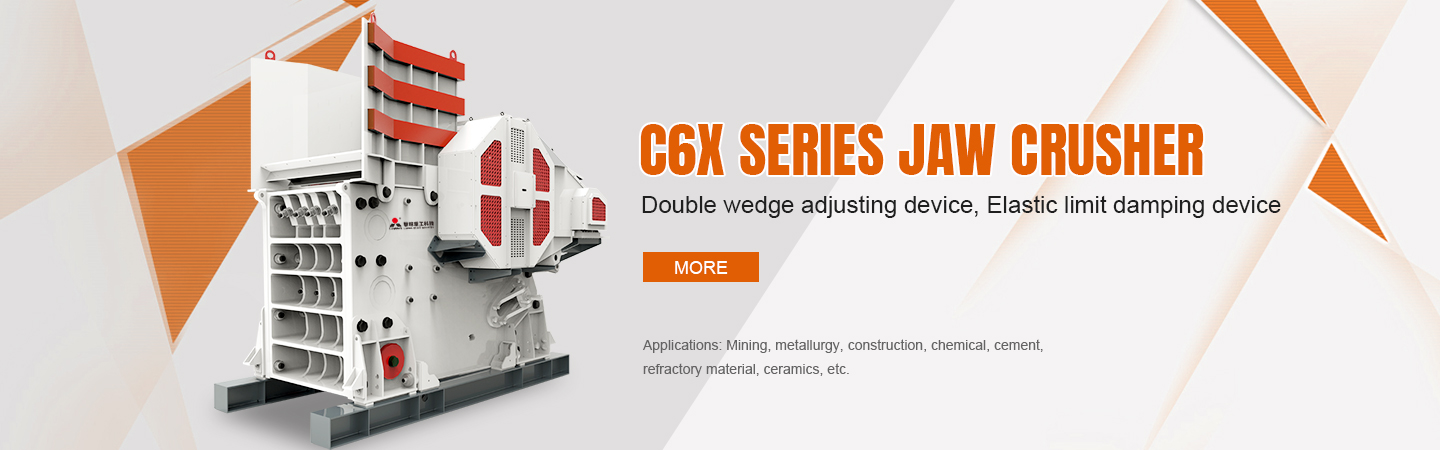
High-capacity jaw crushers engineered with advanced toggle systems and optimized cavity designs deliver consistent primary reduction of andesite, handling feed sizes up to 1,200 mm while maintaining uniform discharge gradation critical for downstream processing.
-
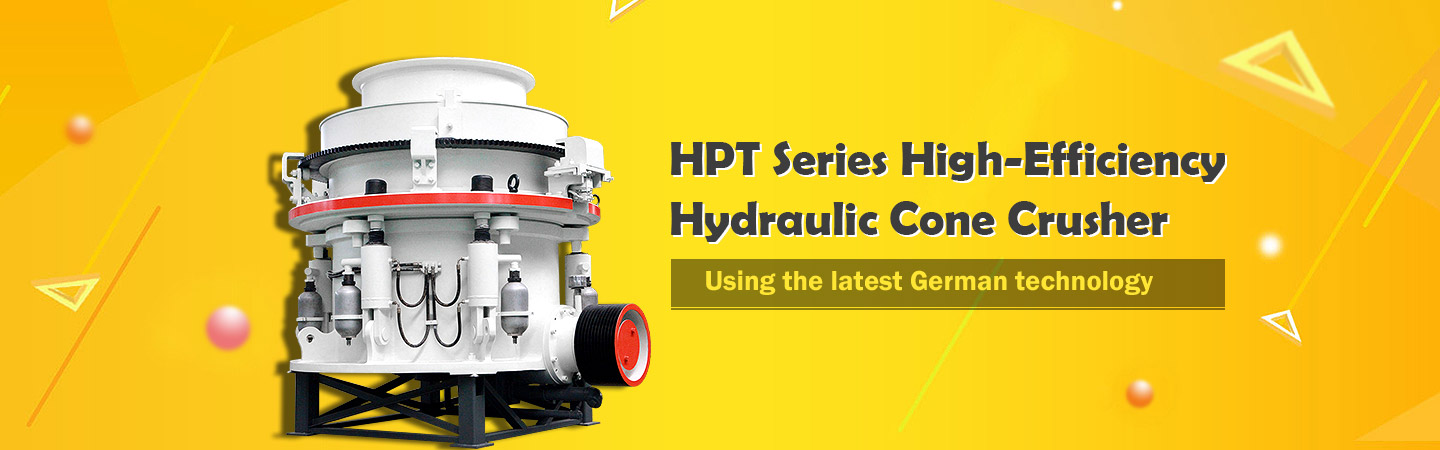
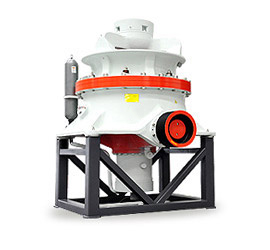
Cone crushers featuring multi-hydrostatic bearing systems and intelligent cavity automation provide superior secondary and tertiary crushing performance. These units utilize manganese steel liners with tailored work-hardening properties, significantly extending wear life when processing abrasive andesite common in Philippine volcanic formations.
-
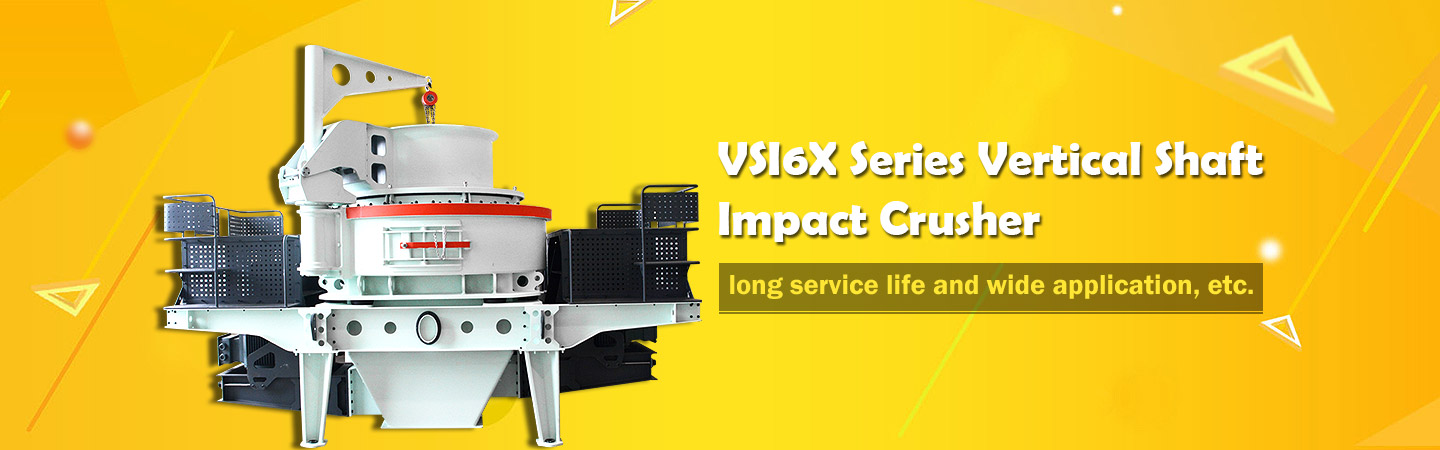
Impact crushers with adjustable rotor speeds and customizable blow bar configurations offer selective crushing advantages for construction aggregates, ensuring cubical particle shape and minimal fines generation—key for high-specification concrete applications.
-
Modular three-deck incline screens with polyurethane and modular rubber screen media ensure accurate sizing and efficient material separation across variable moisture and feed conditions. Integrated vibration monitoring systems enable predictive maintenance, minimizing unplanned downtime.
-
Heavy-duty apron feeders constructed with cast manganese chain links and replaceable wear pans provide controlled, shock-resistant material transfer from stockpile to crusher, essential for managing the high in-feed variability of andesite run-of-mine.
-
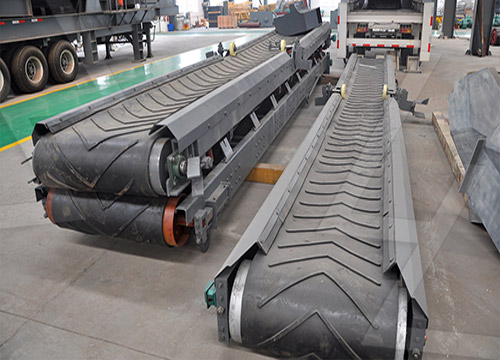
Fully integrated crushing plants incorporating closed-circuit conveyors, dust suppression units, and centralized PLC control systems optimize throughput and operational safety. Remote diagnostics and real-time performance analytics enable fleet-wide condition monitoring, enhancing responsiveness to wear trends.
All equipment is designed with localized serviceability in mind—modular components, simplified access points, and standardized fasteners reduce maintenance duration in remote Philippine mining sites. Lubrication systems are sealed and re-lubricated on-demand, preventing contamination in dusty, humid environments.
Wear protection strategies include dual-hardness crusher liners, thermally sprayed carbide coatings on critical impact zones, and CAD-optimized flow paths that reduce abrasive particle velocity. These engineering refinements extend component life by up to 40% compared to conventional solutions in comparable andesite operations.
Performance validation is achieved through field trials in Luzon and Mindanao quarries, where equipment demonstrated sustained output of 500–800 tph with less than 8% unplanned stoppage over 18-month periods. The combination of metallurgical durability, mechanical precision, and operational intelligence ensures long-term cost efficiency in high-abrasion applications.
Frequently Asked Questions
What is wear-resistant andesite crushing equipment and why is it essential for operations in the Philippines?
Wear-resistant andesite crushing equipment refers to specialized machinery engineered to handle the abrasive nature of andesite rock—a common volcanic aggregate in the Philippines—using hardened components such as high-chrome alloy liners, manganese steel blow bars, and reinforced rotors. Given andesite’s high silica content and hardness (Mohs 6–7), standard crushers suffer rapid degradation. In the Philippines’ humid, tropical environment with high operational demands, using wear-resistant technology ensures extended service life, reduces unplanned downtime, and improves cost-efficiency across quarry and infrastructure projects.
How does tropical climate in the Philippines affect the service life of crushing equipment?
The Philippines’ high humidity, salt-laden air in coastal regions, and intense rainfall accelerate corrosion and wear on metal components. Standard steel structures are prone to rust, while moisture promotes material buildup and clogging. High-authority solutions incorporate weather-resistant coatings (e.g., epoxy-polyurethane), stainless steel upgrades in critical zones, and sealed bearing systems to mitigate environmental degradation. These design enhancements are essential for maintaining long service life and minimizing maintenance frequency.
Which crusher type offers the longest service life for andesite processing in Philippine quarries?
For hard andesite, hydraulic cone crushers with multi-layer wear protection provide the longest service life. Unlike jaw or impact crushers, modern secondary/tertiary cone crushers utilize laminated crushing action with optimized cavity profiles, reducing stress on wear parts. Premium models feature hydraulic tramp release, automatic clearance compensation, and replaceable manganese liners. Combined with Philippine-specific operational tuning (e.g., feed gradation, moisture control), these units achieve over 20,000 hours of reliable operation with scheduled maintenance.
What wear-resistant materials are best suited for andesite crushing components?
Top-tier wear resistance is achieved with high-manganese steel (Mn18Cr2) for mantle and concave liners, and high-chrome white iron (25–30% Cr) for blow bars and impact plates. For ultra-high wear zones, composite materials like ceramic-reinforced alloys or tungsten carbide overlays on crusher tips significantly extend life. OEMs with Philippine market expertise often validate material performance through field trials in regions like Mindanao and Luzon, ensuring suitability for local andesite composition.
How can crusher maintenance costs be minimized in remote Philippine locations?
Implementing predictive maintenance systems with vibration sensors, oil analysis, and thermal imaging reduces unscheduled repairs. For remote sites, modular crusher designs with quick-change wear parts minimize downtime. Partnering with suppliers offering localized technical support—such as Manila- or Cebu-based OEM service teams—ensures rapid spare parts delivery. Additionally, training local operators in preventive maintenance protocols (lubrication schedules, alignment checks) extends component life and cuts long-term costs.
Why is feed optimization critical in maximizing the lifespan of andesite crushers?
Uncontrolled feed leads to uneven wear, overloading, and premature failure. Precision pre-screening and scalping remove fines and oversize material before crushing, reducing stress on rotors and liners. Using controlled feeders (e.g., vibrating grizzlies) ensures uniform material flow and optimal nip angle in cone/jaw crushers. Intelligent feed systems with real-time monitoring prevent choking and maintain ideal throughput—critical for Philippines operations where feed variability from different andesite quarries is common.
What role does lubrication play in achieving low-maintenance andesite crushing?
Advanced automated centralized lubrication systems with high-temperature, water-resistant grease (e.g., lithium complex or synthetic) are essential. These systems maintain optimal bearing conditions under high loads and moisture exposure. Dual-line automatic greasing with alert functions ensures consistent delivery and warns of blockages—preventing catastrophic bearing failures. In tropical climates, using desiccant breathers on reservoirs prevents moisture ingress, enhancing oil integrity and system longevity.
How do hydraulic protection systems enhance crusher reliability in andesite applications?
Hydraulic tramp release systems instantly detect uncrushable materials (e.g., tramp metal or boulders), retracting the main shaft or opening the crusher cavity to prevent damage. Post-clearance, the system resets automatically, minimizing downtime. In Philippine operations where manual sorting is inconsistent, this protection is critical for maintaining low-maintenance performance and avoiding costly structural repairs to mainframes and transmission components.
Are mobile crushing units suitable for wear-resistant andesite processing in the Philippines?
Yes—modern mobile cone crushers with wear-resistant linings are ideal for island-based operations needing flexibility. Units with rubber tracks and weather-resistant enclosures handle rugged terrain and monsoon conditions. Equipped with onboard pre-screening and dust suppression, these mobile plants reduce wear through optimized feed control. Their modular design supports fast relocation across remote sites, making them economical for infrastructure projects across the Philippine archipelago.
What certifications should wear-resistant crushing equipment have for reliability in the Philippines?
Look for crushers complying with ISO 9001 (quality management), CE marking, and Philippine Bureau of Product Standards (BPS) certification. Additional validation through third-party wear testing reports (e.g., SGS, TÜV) and real-world performance logs from Southeast Asian sites ensures suitability. Reputable suppliers also provide lifecycle cost analysis and performance guarantees specific to Philippine andesite hardness and operating conditions.
How does crusher automation improve efficiency and longevity?
Integrated PLC-based control systems monitor feed rate, power draw, bearing temperature, and vibration levels. AI-assisted optimization adjusts crusher settings in real time for peak efficiency—reducing over-crushing and wear. Remote diagnostics and cloud-based dashboards allow Philippine operators to receive alerts and expert support instantly. Automation not only extends equipment life but also reduces labor-intensive oversight, ideal for multi-shift operations.
What after-sales support is critical for maintaining low-maintenance crushing operations in the Philippines?
Expert-level support includes 24/7 technical hotline access, on-site commissioning, operator training, and a localized spare parts inventory. Leading suppliers maintain regional depots in key Philippine industrial zones (e.g., Batangas, Davao) to ensure critical wear parts are delivered within 48 hours. Preventive maintenance contracts with performance tracking further ensure crushers achieve their designed service life with minimal operational disruption.