

Table of Contents
- Why Libya Is Investing in Limestone Sand Making Plants for Construction Growth
- Key Components of a High-Efficiency Limestone Sand Production Line
- Choosing the Right Crushing and Sand Making Equipment for Libyan Conditions
- Optimizing Sand Quality and Output for Libyan Infrastructure Projects
- Sustainable and Cost-Effective Operation of Sand Making Plants in Arid Climates
- Frequently Asked Questions
- What is a limestone sand making plant and how does it benefit Libya’s construction industry?
- How does Libya’s geology support limestone sand production?
- What key equipment is essential in a limestone sand making plant for Libya?
- What capacity options are suitable for Libya’s infrastructure projects?
- How is dust control managed in limestone processing plants in arid Libyan environments?
- What role does automation play in optimizing limestone sand production in Libya?
- How does manufactured limestone sand compare to natural sand in concrete applications?
- What environmental and regulatory considerations apply to sand plants in Libya?
- Can limestone sand making plants be powered sustainably in off-grid areas of Libya?
- What maintenance protocols ensure longevity of sand making equipment in Libya’s harsh climate?
- How do logistics and transportation impact plant location decisions in Libya?
- What are the investment and ROI expectations for a limestone sand plant in Libya?
Libya’s expanding infrastructure and construction sectors are driving unprecedented demand for high-quality aggregates, positioning limestone sand as a critical resource for sustainable development. With abundant limestone reserves and growing urbanization, establishing a limestone sand making plant presents a strategic opportunity to meet local needs while reducing reliance on imported materials. This comprehensive guide explores the complete setup of a modern limestone sand production facility tailored to Libya’s unique geological and logistical landscape. From site selection and regulatory compliance to advanced crushing, screening, and sand washing technologies, we delve into the essential components that ensure operational efficiency, environmental responsibility, and long-term profitability. Backed by proven equipment solutions and industry best practices, this article equips investors, engineers, and project developers with actionable insights to navigate technical challenges and optimize plant performance. Whether launching a greenfield project or upgrading existing operations, this roadmap delivers the knowledge needed to transform raw limestone into premium construction sand—fueling Libya’s growth from the ground up.
Why Libya Is Investing in Limestone Sand Making Plants for Construction Growth
-
Libya is strategically investing in limestone sand making plants to support a nationwide resurgence in construction driven by post-conflict infrastructure reconstruction, urban development, and housing expansion. With natural resources abundant and construction demand rising, locally produced limestone sand presents a cost-effective, sustainable alternative to natural river sand, which is increasingly scarce and environmentally taxing to extract.
-
The geological composition of Libya includes vast limestone deposits, particularly in regions such as Jabal al Akhdar and the western mountains. These formations provide a reliable feedstock for sand production, reducing dependence on imported materials and enhancing supply chain resilience. By leveraging domestic raw materials, Libya minimizes import costs and strengthens economic sovereignty in its construction sector.
-
Mechanized limestone sand production ensures consistent gradation, durability, and compliance with international construction standards—critical for structural concrete, masonry, and road base applications. Unlike natural sand, manufactured sand can be engineered to meet precise specifications, improving the performance and longevity of infrastructure projects such as highways, residential complexes, and industrial facilities.
-
Environmental considerations also underpin this strategic shift. Unregulated river sand mining has led to ecological degradation in various regions globally, including altered hydrology and habitat destruction. By transitioning to manufactured sand from quarried limestone, Libya can mitigate environmental harm while maintaining a steady material supply. Modern sand making plants incorporate dust suppression and water recycling systems, further aligning operations with sustainable practices.
-
Economically, limestone sand plants stimulate local employment, from quarry operations to plant maintenance and logistics. They also encourage private-sector participation in industrial development, fostering long-term growth in Libya’s manufacturing base. The integration of modular, scalable plant designs allows phased investment, accommodating regional demand fluctuations and phased infrastructure rollouts.
-
Libya’s focus on localized production aligns with national development goals emphasizing self-reliance, infrastructure modernization, and industrial diversification. As urbanization accelerates, the ability to produce high-quality construction aggregates domestically will remain a cornerstone of sustainable development and economic recovery.
Key Components of a High-Efficiency Limestone Sand Production Line
-
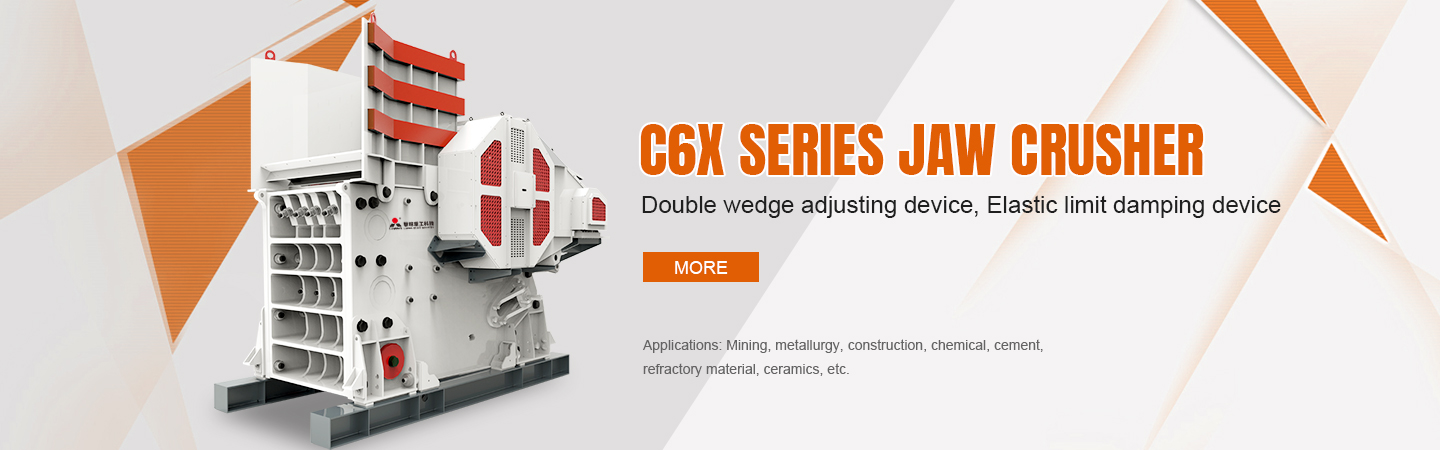
Jaw crusher: Serves as the primary crushing stage, reducing large limestone boulders into manageable feed sizes. A heavy-duty model with high compressive strength handling ensures consistent throughput and minimal downtime in Libya’s arid conditions. Proper selection based on feed size and hardness is critical for downstream efficiency.
-
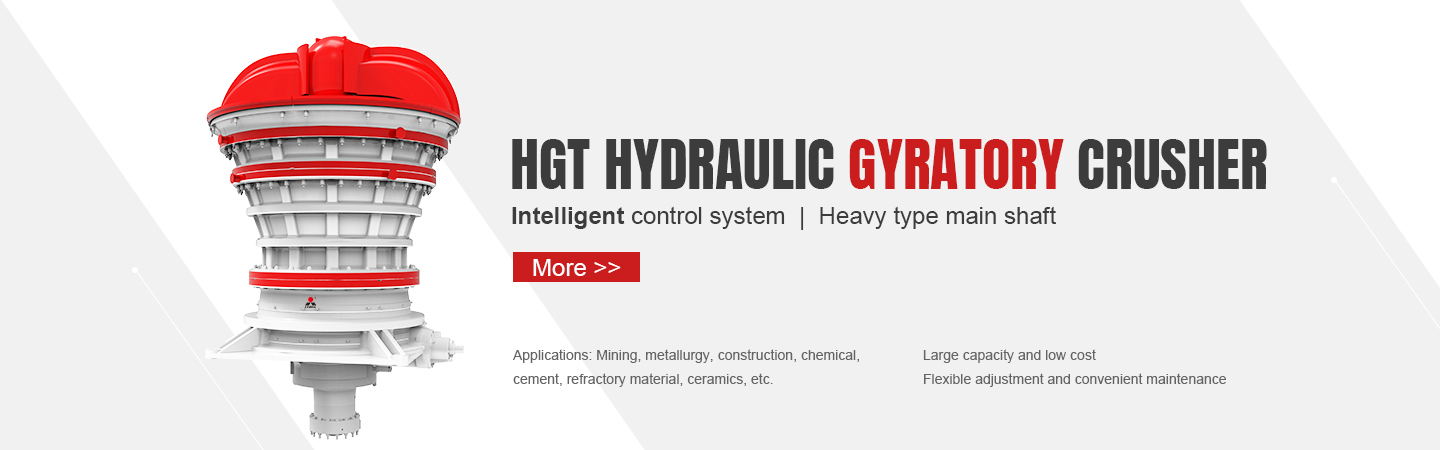
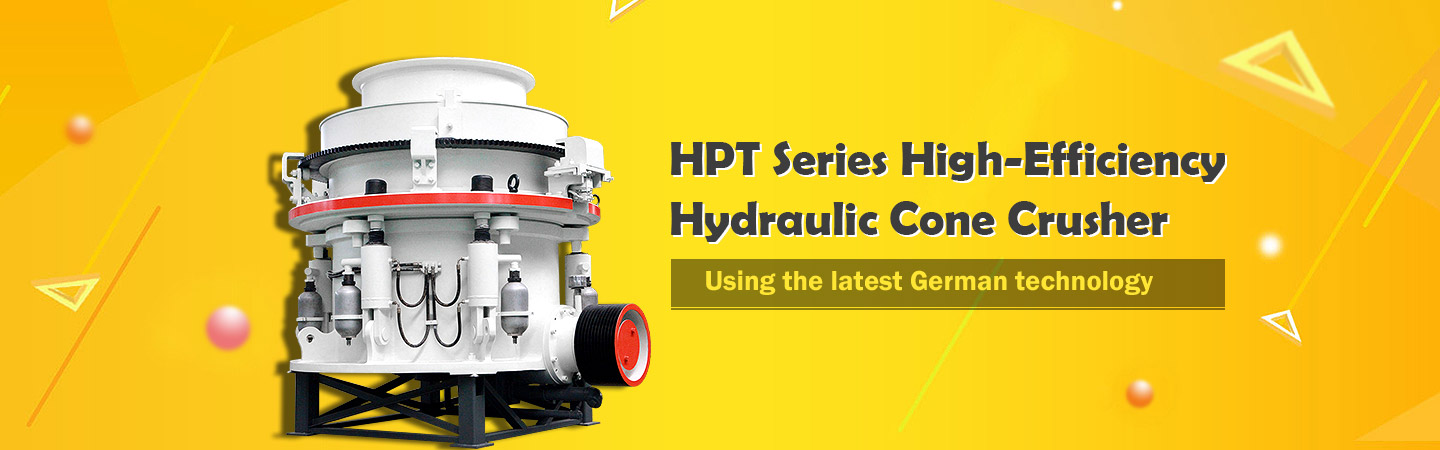
Cone crusher or impact crusher: Positioned as secondary or tertiary crushing units, depending on final product specifications. For high-quality manufactured sand with cubical shape and minimal fines, a hydraulic cone crusher offers precision and durability. Alternatively, a vertical shaft impact crusher (VSI) is preferred when superior particle shape and controlled gradation are required.
-
Vibrating feeder: Ensures uniform material flow into the primary crusher, preventing choke feeding and optimizing crusher utilization. Equipped with variable amplitude control, it adapts to fluctuations in raw material supply common in intermittent quarry operations.
-
Vibrating screen: Facilitates efficient separation of crushed material by size, directing oversize material back to crushers and undersize to stockpiles or further processing. Multi-deck screens with modular panels enhance screening accuracy and reduce maintenance frequency.
-
Sand washing plant: Includes screw or hydrocyclone-based sand screws to remove dust, silt, and impurities. In Libya’s dry environments, where airborne particulates can contaminate stockpiles, effective washing ensures compliance with construction sand standards (e.g., BS 882 or ASTM C33).
-
Conveyor system: Interconnects all components with durable, belt-type conveyors designed for continuous operation. Incorporating variable speed drives allows synchronization with crusher output, minimizing energy waste and material spillage.

-
Dust collection system: Mandatory for environmental compliance and worker safety. Centralized baghouse filters capture particulates generated during crushing and screening, particularly crucial in desert climates prone to dust dispersion.
-
Centralized control panel: Enables automated monitoring and operation of the entire production line. PLC-based systems provide real-time data on equipment status, feed rates, and energy consumption, allowing rapid intervention and process optimization.
Each component must be selected and integrated with Libya’s operational realities in mind—extreme temperatures, water scarcity, and logistical constraints. Matching equipment capacity and reliability to local demand ensures long-term operational efficiency and return on investment.
Choosing the Right Crushing and Sand Making Equipment for Libyan Conditions
-
Selecting appropriate crushing and sand making equipment for limestone processing in Libya demands careful evaluation of geological, environmental, and operational factors specific to the region. Libyan limestone typically exhibits moderate hardness (Mohs 3–4) and variable silica content, influencing wear on crusher components. Primary crushers must handle feed sizes up to 800 mm while ensuring consistent output for downstream processing.
-
Jaw crushers remain the preferred choice for primary crushing due to their reliability, simple maintenance, and ability to process high-moisture feed—common during seasonal humidity fluctuations along coastal zones. Models with deep crushing chambers and hydraulic adjustment systems improve throughput and reduce downtime during blockages.
-
For secondary and tertiary stages, compound cone crushers or impact crushers are recommended. Compound cone crushers offer superior reduction ratios and product shape, critical for high-quality sand used in concrete applications. Their robust design withstands abrasive particles in limestone with elevated quartz content, commonly found in southern Libyan deposits. Alternatively, horizontal shaft impactors (HSIs) provide excellent cubicity and are ideal when final product specifications demand minimal flakiness.
-
The sand making stage requires vertical shaft impactors (VSI) equipped with rock-on-rock crushing chambers. This configuration reduces metal wear and produces well-graded, angular sand with optimal void ratios for construction use. Integration of air classification systems post-VSI enhances fineness modulus control, ensuring compliance with Libyan Standard (LS) 1130 for fine aggregates.
-
Dust management is critical due to Libya’s arid climate and frequent sandstorms. Closed-circuit plants with sealed conveyors, cyclone collectors, and wet suppression systems minimize fugitive emissions and protect equipment longevity.
-
Power availability and fuel costs necessitate energy-efficient configurations. Electric-drive systems are preferred where grid access permits; diesel-hybrid solutions may be viable in remote quarries. Modular plant designs facilitate transport across rugged terrain and accelerate commissioning.
-
Finally, equipment selection must align with scalability goals. As demand for limestone sand grows in infrastructure projects, choosing crushers and VSIs with digital monitoring capabilities enables predictive maintenance and seamless integration into future expansions.
Optimizing Sand Quality and Output for Libyan Infrastructure Projects
- Implement closed-circuit crushing and screening systems to ensure consistent particle size distribution and minimize oversize content
- Utilize advanced washing and dewatering units to reduce silt and clay content below 1.5%, meeting ASTM C33 standards for fine aggregates
- Integrate real-time monitoring via automated control systems to track feed rate, moisture content, and gradation, enabling immediate adjustments
- Optimize crusher settings—particularly for vertical shaft impact (VSI) machines—based on feed limestone hardness and desired fineness modulus (target 2.6–3.0)
- Conduct routine petrographic analysis of raw limestone to preempt variability in abrasion resistance and carbonate composition, which directly impact sand quality
Feed material homogeneity is critical; establish on-site stockpile management protocols to blend limestone batches and maintain uniform input characteristics. This reduces fluctuations in output and enhances predictability in sand specifications. Employ dual-deck inclined screens with adjustable amplitude and frequency to achieve precise separation at 4.75 mm and 0.15 mm thresholds, ensuring compliance with Libyan construction standards for concrete and masonry applications.
Moisture control post-washing is equally vital. Install high-efficiency dewatering cyclones and belt presses to achieve final moisture content below 10%, minimizing handling issues and transportation costs. Furthermore, incorporate magnetic separators upstream of the VSI crusher to eliminate ferrous contaminants that could compromise structural integrity in reinforced concrete.
For infrastructure-scale supply consistency, design the plant with modular scalability—allowing capacity expansion from 50 to 150 TPH without reconfiguration downtime. This supports phased development aligned with national project timelines, such as road networks and housing initiatives.
Regular calibration of moisture analyzers, feed sensors, and gradation samplers ensures sustained accuracy. Partner with local laboratories for third-party testing of sulfate content, organic impurities, and soundness per EN 12620, reinforcing quality assurance protocols.
Ultimately, sand quality must align not only with technical specifications but also with Libya’s environmental and logistical constraints. Dust suppression systems and low-noise enclosures should be integrated to meet urban project site requirements. By combining precise engineering controls with rigorous material testing, limestone sand plants can deliver aggregates that fulfill both durability demands and national infrastructure objectives.
Sustainable and Cost-Effective Operation of Sand Making Plants in Arid Climates
-
Implement closed-loop water recycling systems to minimize freshwater consumption, critical in arid regions where water scarcity is a major constraint. Sand washing and dust suppression require significant water input; recycling up to 90% of process water reduces environmental impact and operational costs.
-
Utilize high-efficiency dust suppression technologies such as fogging systems and sealed conveyors to maintain air quality and regulatory compliance. In dry, windy conditions typical of Libya, airborne particulates can rapidly degrade equipment and compromise worker health. Automated misting systems with variable nozzles reduce dust at transfer points and crushers.
-
Optimize equipment placement and layout to reduce material handling distances. Shorter conveyor runs lower energy consumption and wear, directly impacting maintenance frequency and power costs. Modular plant design allows for phased deployment and scalability based on demand.
-
Select components designed for thermal resilience: motors, bearings, and hydraulics must operate reliably under sustained ambient temperatures exceeding 45°C. Use of heat-resistant lubricants and protective enclosures for electrical systems prevents unplanned downtime.
-
Integrate solar hybrid power systems to offset reliance on diesel generators or unstable grid supply. Photovoltaic arrays paired with battery storage can power auxiliary systems such as control panels, lighting, and monitoring stations, reducing fuel expenditure and carbon footprint.
-
Conduct routine thermal imaging of electrical and mechanical systems to detect early signs of overheating or insulation degradation. Preventive maintenance scheduling based on actual equipment condition—not fixed intervals—improves reliability and reduces spare part inventory costs.
-
Source wear parts locally where possible, or establish strategic stockpiles of critical spares (e.g., crusher liners, screen meshes) to mitigate supply chain delays. Partnering with regional service providers ensures faster technical response times.
-
Employ remote monitoring and SCADA systems to track energy use, production rates, and equipment health in real time. Data-driven insights enable proactive adjustments to feed rates and crusher settings, maximizing throughput while minimizing specific energy consumption.
-
Train local operators in energy-aware practices and preventive maintenance protocols. A skilled, on-site team reduces dependency on external support and ensures consistent adherence to operational best practices under harsh environmental conditions.
Frequently Asked Questions
What is a limestone sand making plant and how does it benefit Libya’s construction industry?
A limestone sand making plant is an integrated processing system designed to crush, shape, and screen limestone into high-quality manufactured sand (M-sand) suitable for concrete, mortar, and structural applications. In Libya, where natural sand resources are under environmental strain and construction demands are rising, M-sand offers a sustainable, consistent alternative. These plants support infrastructure development by providing reliable, standardized aggregates crucial for buildings, roads, and dams.
How does Libya’s geology support limestone sand production?
Libya hosts vast limestone deposits, particularly in regions like Jabal al Akhdar and Fezzan, offering high-purity raw material ideal for sand production. The carbonate-rich formations are durable and chemically stable, making them excellent feedstock for high-strength manufactured sand. This geological advantage reduces import dependency and logistical costs, enabling localized, cost-effective production aligned with national development goals.
What key equipment is essential in a limestone sand making plant for Libya?
A high-efficiency limestone sand making plant includes: jaw crushers (primary crushing), vertical shaft impactors (VSI/VSI5X for fine crushing and particle shaping), vibrating feeders, circular/sieve bend screens, sand washing machines (wheel/trommel), and belt conveyors. Integration with automated control systems ensures consistent gradation (0–5 mm) and compliance with Libyan and international standards (e.g., BS 882, ASTM C33).
What capacity options are suitable for Libya’s infrastructure projects?
Sand making plants in Libya typically range from 50 TPH (small municipal works) to 300+ TPH (large-scale projects like housing developments or road construction). Modular plants with scalability features allow phased expansion. Given Libya’s re-emerging construction sector, mid-capacity plants (100–150 TPH) with mobile configurations offer flexibility for deployment across different regions with varying demand.
How is dust control managed in limestone processing plants in arid Libyan environments?
Dust suppression is critical in Libya’s dry, windy conditions. High-authority plants employ closed-circuit crushing, water spray systems at transfer points, baghouse filters on crushers and screens, and encapsulated conveyor runs. Compliance with environmental regulations (such as Libya’s EPA guidelines) is ensured through integrated monitoring and dust containment strategies that safeguard worker health and reduce ecological impact.
What role does automation play in optimizing limestone sand production in Libya?
Automated PLC/SCADA systems monitor feed rates, crusher performance, moisture content, and grading in real time. This reduces human error, improves output consistency, and minimizes downtime for maintenance. Smart sensors and remote diagnostics enable predictive maintenance—crucial in remote Libyan project sites where technical support may be limited.
How does manufactured limestone sand compare to natural sand in concrete applications?
Limestone M-sand has more uniform gradation, better angularity for improved bond strength, and lower impurity levels (silt, organic matter) than desert or river sand. When properly washed and graded, it enhances concrete workability, durability, and compressive strength—meeting or exceeding standards required by Libyan civil engineering codes. Additionally, controlled production ensures long-term quality consistency.
What environmental and regulatory considerations apply to sand plants in Libya?
Operators must comply with Libya’s environmental protection laws, including EIA (Environmental Impact Assessment) requirements, noise/dust mitigation, and water recycling mandates. Sustainable practices—such as closed-loop water systems (90%+ recycle rate) and land reclamation post-operation—are increasingly expected by government agencies and international partners funding infrastructure initiatives.
Can limestone sand making plants be powered sustainably in off-grid areas of Libya?
Yes. Hybrid power solutions integrating solar PV, diesel generators, and battery storage are viable for remote installations. Solar energy can run conveyors, control panels, and lighting, reducing operational costs and carbon footprint. Several EU-funded pilot projects in southern Libya have demonstrated the feasibility of solar-assisted aggregate processing.
What maintenance protocols ensure longevity of sand making equipment in Libya’s harsh climate?
Preventive maintenance schedules must account for high ambient temperatures, sand abrasion, and dust exposure. Key practices include daily greasing of crushers, monthly inspections of VSI rotor and anvils, monitoring of wear parts (liners, blow bars), and climate-controlled control rooms. On-site training for Libyan technicians ensures rapid troubleshooting and reduces equipment lifecycle costs.
How do logistics and transportation impact plant location decisions in Libya?
Proximity to limestone quarries and major construction zones (e.g., Tripoli, Benghazi, Sabha) is prioritized to minimize haulage costs and delivery lead times. Mobile and semi-mobile plants allow repositioning as projects shift. Rail and upgraded desert roads (post-2023 infrastructure plans) improve supply chain efficiency across southern regions.
What are the investment and ROI expectations for a limestone sand plant in Libya?
Initial CAPEX ranges from $1.5M (50 TPH fixed) to $5M+ (200 TPH mobile). With low-cost raw materials and rising demand (estimated 8–12% CAGR in construction aggregates), payback periods range from 2 to 4 years. Government incentives for local content in infrastructure projects enhance ROI, particularly for Libyan-owned or joint-venture operations.