

Table of Contents
- Maximizing Jamaica’s Natural Resources with Advanced Cobblestone Sand Production
- Why Jamaica’s Construction Boom Needs a Reliable Sand Making Plant
- Key Components of a High-Performance Cobblestone Sand Making Plant
- Customizing Sand Production for Jamaican Infrastructure and Environmental Standards
- Cost-Effective and Sustainable Sand Manufacturing for Long-Term Growth
- Frequently Asked Questions
- What is a cobblestone sand making plant and how does it benefit Jamaica’s construction industry?
- How does a VSI crusher function within a cobblestone sand making plant?
- What raw material specifications are required for optimal cobblestone processing in Jamaica?
- How can a modular sand making plant adapt to remote or rugged terrain in Jamaica?
- What environmental protections are essential for sand plants in Jamaica’s sensitive ecosystems?
- Can manufactured sand from cobblestone meet Jamaican building code requirements?
- What energy-efficient technologies enhance cobblestone sand production in Jamaica?
- How does moisture control impact sand quality in humid Jamaican conditions?
- What maintenance protocols ensure uptime for sand making equipment in Jamaica?
- Is local staffing in Jamaica sufficient to operate advanced sand manufacturing plants?
- How do high-output sand plants impact Jamaica’s import substitution goals?
Jamaica’s construction sector is experiencing robust growth, driven by infrastructure development, urban expansion, and increasing demand for resilient, high-quality building materials. Amid this surge, the need for reliable, locally-sourced sand has become more critical than ever. Traditional sand extraction methods are not only environmentally taxing but often fail to meet modern construction standards. Enter the cobblestone sand making plant—a transformative solution that leverages Jamaica’s abundant natural cobblestone resources to produce premium manufactured sand. Engineered for high efficiency, durability, and minimal environmental impact, these advanced plants convert raw cobblestone into consistent, construction-grade sand, perfectly suited for concrete, masonry, and roadworks. By integrating cutting-edge crushing, screening, and washing technology, cobblestone sand making plants offer a sustainable, cost-effective alternative that reduces reliance on imported materials while supporting local economic growth. For Jamaican contractors, developers, and investors, this innovation represents more than just a production upgrade—it’s a strategic step toward self-sufficiency, sustainability, and long-term industry resilience.
Maximizing Jamaica’s Natural Resources with Advanced Cobblestone Sand Production
-
Jamaica’s abundant natural resources, particularly its widespread riverbed and quarry-derived cobblestone deposits, present a strategic opportunity to support the nation’s growing construction sector through advanced sand production. By transforming locally available cobblestone into high-quality manufactured sand, Jamaica can reduce reliance on imported construction materials, ensure supply chain resilience, and meet stringent industry standards for concrete and masonry applications.
-
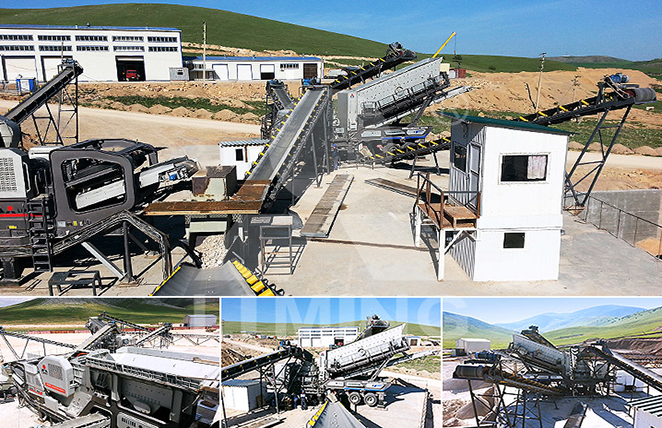
Modern cobblestone sand making plants utilize high-efficiency vertical shaft impact (VSI) crushers, precision screening systems, and closed-circuit washing units to produce uniformly graded, low-impurity sand. This engineered sand offers superior consistency compared to natural river sand, enhancing durability and performance in structural concrete, block manufacturing, and road bases—key components in infrastructure development across urban and rural Jamaica.
-
The integration of modular and energy-efficient processing units enables scalable deployment, particularly in regions such as St. Elizabeth, Clarendon, and St. Ann, where cobblestone availability is high. These systems can operate with minimal environmental disruption when paired with sediment control, dust suppression, and water recycling technologies, aligning with Jamaica’s environmental governance frameworks.
-
Economically, localized sand production stimulates job creation in plant operation, logistics, and equipment maintenance while reducing foreign exchange outflow associated with sand imports. Additionally, consistent product quality supports compliance with Caribbean Community (CARICOM) and ISO standards, positioning Jamaican contractors to deliver projects with improved predictability and reduced rework.
-
To maximize long-term benefits, stakeholders should adopt a resource optimization strategy that includes geological surveys to map cobblestone reserves, lifecycle assessment of processing operations, and partnerships with technical institutions for workforce training. With strategic investment and regulatory alignment, Jamaica can establish a self-sustaining construction materials ecosystem anchored in advanced sand manufacturing.
-
The transition from raw resource extraction to value-added processing marks a critical step in Jamaica’s industrial evolution. By leveraging technological advancements in cobblestone sand production, the country can align natural resource utilization with sustainable development, economic diversification, and resilient infrastructure growth.
Why Jamaica’s Construction Boom Needs a Reliable Sand Making Plant
-
Jamaica’s construction sector is undergoing unprecedented expansion, driven by infrastructure development, tourism-related real estate, and urban housing projects. This surge in activity has placed immense pressure on the supply of key construction materials, particularly fine aggregates such as manufactured sand.
-
Natural sand, traditionally sourced from riverbeds and coastal areas, is becoming increasingly scarce due to environmental regulations and resource depletion. Unregulated dredging has led to ecological degradation, prompting the Jamaican government to enforce stricter controls on sand extraction. As a result, construction timelines are at risk without reliable, sustainable alternatives.
-
A dedicated sand making plant addresses these challenges by converting locally available cobblestone and hard rock into high-quality, construction-grade manufactured sand. This not only reduces dependency on environmentally sensitive sources but also ensures consistent gradation, strength, and cleanliness—critical factors in concrete performance and structural integrity.
-
The geology of Jamaica, particularly in regions like St. Catherine and Manchester, provides abundant cobblestone deposits—ideal feedstock for sand production. Leaving these resources underutilized represents a missed economic opportunity. A high-efficiency sand making plant leverages this indigenous material, transforming it into a valuable commodity while lowering transportation and import costs.
-
Modern sand making technology, such as vertical shaft impact (VSI) crushers and integrated screening systems, enables precise control over particle shape and size distribution. These systems produce sand that meets or exceeds ASTM and local building standards, ensuring compatibility with cementitious applications in high-rise buildings, road bases, and precast elements.
-
Additionally, a localized sand making operation enhances supply chain resilience. With Jamaica’s reliance on imported materials creating vulnerability to price volatility and logistical delays, domestic production offers stability, cost predictability, and faster project turnaround.
-
From an economic standpoint, establishing a sand making plant also stimulates job creation and supports downstream industries, including transport, equipment maintenance, and construction services.
-
In summary, Jamaica’s construction boom cannot be sustained without a reliable, scalable source of fine aggregates. A cobblestone-based sand making plant delivers environmental compliance, technical performance, and economic value—making it a strategic necessity for the nation’s infrastructure future.
Key Components of a High-Performance Cobblestone Sand Making Plant
- High-efficiency vertical shaft impact crusher (VSI)
- Pre-screening and feeding system with variable amplitude control
- Dual-mass vibrating feeder with overload protection
- Closed-circuit classification and air-washing system
- Modular steel structural framework with seismic resilience
- Integrated dust suppression and water recycling unit
- Advanced programmable logic controller (PLC) with remote diagnostics
- Energy recovery drive system with variable frequency drives (VFDs)
A high-performance cobblestone sand making plant must integrate precision engineering with operational resilience to meet Jamaica’s growing demand for construction aggregates. At the core is the vertical shaft impact crusher (VSI), optimized for shaping hard cobblestone into well-graded, cubically shaped fine aggregates with minimal flakiness. The VSI must feature rock-on-rock crushing chambers to enhance particle morphology and reduce wear costs, critical for maintaining consistent product quality under tropical operating conditions.
Feeding uniformity directly influences downstream efficiency. A dual-mass vibrating feeder with automatic amplitude adjustment ensures steady material flow while protecting the VSI from surges and tramp metal. Coupled with a pre-screening unit, oversized material is removed early, reducing energy consumption and wear on critical components. This staged approach increases throughput and extends component life, particularly important given the variable feedstock composition common in Jamaican riverbed sources.
An integrated air-washing and classification system ensures precise control over sand gradation and silt content, complying with local construction standards such as BS 882. This closed-circuit system recovers up to 90% of process water through a high-rate thickener and filter press setup, minimizing environmental impact and operational costs in water-sensitive regions.
Structural integrity is non-negotiable. The plant must be constructed on a modular steel frame designed for rapid deployment and resilience to high humidity and seismic activity. Corrosion-resistant coatings and galvanized components ensure durability in coastal environments.
Automation is pivotal. A centralized PLC system monitors feed rate, crusher load, vibration levels, and water pressure in real time. Remote diagnostics and predictive maintenance alerts reduce unplanned downtime. Energy efficiency is further enhanced via VFDs on major motors, allowing dynamic power adjustment based on load, reducing peak demand on local grids.
Dust control is addressed through enclosed conveyors, cyclone collectors, and misting systems compliant with occupational safety standards. Together, these components form a cohesive, high-output system capable of producing 50–200 TPH of premium manufactured sand tailored to Jamaica’s infrastructure needs.
Customizing Sand Production for Jamaican Infrastructure and Environmental Standards
-
Customizing sand production in Jamaica requires a strategic alignment with both infrastructure demands and environmental regulations unique to the island’s ecological and developmental context. Given the increasing reliance on locally sourced aggregates for road construction, housing, and coastal development, sand manufactured from cobblestone presents a sustainable alternative to river sand extraction, which has been linked to environmental degradation.
-
The hardness and silica content of Jamaican cobblestone—predominantly derived from alluvial and residual deposits—necessitate tailored crushing and screening configurations. Jaw crushers paired with vertical shaft impactors (VSI) optimize gradation and particle shape, meeting the specifications outlined in the Bureau of Standards Jamaica (BSJ) for fine aggregates in concrete (JIS 156:2018). Target output should emphasize a controlled fineness modulus between 2.3 and 3.1 and a silt content below 3%, ensuring compliance with structural integrity requirements.
-
Environmental constraints, particularly near sensitive watersheds and coastal zones, demand closed-loop water recycling systems and dust suppression mechanisms. Integrated wet processing with high-efficiency cyclones minimizes freshwater consumption and prevents sediment runoff, aligning with the National Environment and Planning Agency (NEPA) guidelines. Dust control via fogging systems and enclosed conveyor transitions further mitigates air quality concerns in proximity to communities.
-
Plant layout must account for Jamaica’s tropical climate and variable terrain. Elevated foundations and corrosion-resistant components protect equipment from seasonal rainfall and humidity, while modular designs allow scalability based on regional project intensity—critical for serving both urban centers like Kingston and emerging developments in rural parishes.
-
Local labor integration and technical training programs enhance operational sustainability. Partnering with Jamaican engineering firms and vocational institutions ensures maintenance proficiency and adherence to occupational safety standards under the Ministry of Labour and Social Security.
-
Ultimately, a customized cobblestone sand solution supports Jamaica’s dual objectives of infrastructure resilience and environmental stewardship. By calibrating production parameters to local material characteristics and regulatory frameworks, operators achieve consistent product quality while reducing ecological impact and import dependency.
Cost-Effective and Sustainable Sand Manufacturing for Long-Term Growth
-
Integrated quarry planning to minimize raw material waste and maximize yield from local cobblestone deposits ensures both economic and environmental efficiency. By conducting detailed geological surveys and material flow analysis, operators can target high-grade feedstock, reducing over-excavation and unnecessary transport.
-
Closed-loop water recycling systems significantly lower freshwater consumption, a critical advantage in Jamaica’s tropical climate where water availability fluctuates seasonally. Sedimentation tanks and hydrocyclones enable >90% water recovery, reducing discharge and compliance risks under local environmental regulations.
-
Modular plant design allows phased capital investment aligned with market demand. Core components—primary jaw crushers, vertical shaft impactors (VSI), and screening units—are scalable and energy-optimized, enabling incremental expansion without system overhauls. This reduces initial CAPEX while maintaining ROI timelines.
-
Energy efficiency is achieved through variable frequency drives (VFDs) on conveyor systems and crushers, matching power draw to load requirements. On average, VFD integration reduces energy consumption by 15–20%, directly lowering OPEX and carbon footprint.
-
Utilizing locally sourced cobblestone eliminates dependency on imported sand, insulating producers from global price volatility and shipping disruptions. Local material sourcing also reduces transportation emissions and supports regional economic resilience.
-
Dust suppression via enclosed conveyors, water sprays, and baghouse filters ensures compliance with occupational health standards and minimizes community impact. Captured dust can be repurposed as fines in concrete mix designs, further enhancing resource utilization.
-
Long-term profitability is reinforced through predictive maintenance protocols and remote monitoring systems. Real-time vibration and temperature sensors on critical machinery enable condition-based servicing, reducing unplanned downtime by up to 30%.
-
Collaboration with local engineering firms and training institutions fosters workforce capability, ensuring sustainable operations and knowledge retention. Certified operator training programs improve safety and operational precision.
-
Environmental reclamation plans, including topsoil conservation and post-operation land rehabilitation, align with Jamaica’s National Environmental and Planning Act. These measures enhance social license to operate and support ESG compliance for financing and partnerships.
-
Life-cycle cost analysis confirms that high-efficiency sand plants achieve payback within 3–4 years, with sustained margins exceeding 25% under optimized conditions. This economic profile supports reinvestment and vertical integration into downstream construction supply chains.
Frequently Asked Questions
What is a cobblestone sand making plant and how does it benefit Jamaica’s construction industry?
A cobblestone sand making plant is an integrated system that processes natural cobblestones into construction-grade manufactured sand (M-sand). In Jamaica, where infrastructure development is accelerating, such plants offer a sustainable alternative to depleting natural river sand. These systems enhance material consistency, reduce environmental damage from sand mining, and provide cost-effective, high-quality aggregates for concrete, paving, and masonry applications across residential and commercial projects.
How does a VSI crusher function within a cobblestone sand making plant?
A Vertical Shaft Impact (VSI) crusher is the core component of any high-efficiency cobblestone sand making plant. It utilizes a high-speed rotor to propel cobblestone particles against a wear surface or each other, inducing particle-on-particle breakage. This method produces cubically shaped, well-graded sand with minimal fines—ideal for high-strength concrete. In Jamaica’s tropical climate, where durable construction materials are critical for weather resilience, VSI technology ensures aggregates meet ASTM and BS standards.
What raw material specifications are required for optimal cobblestone processing in Jamaica?
For best performance, input cobblestone should have a compressive strength of at least 100 MPa, low moisture content (<2%), and minimal clay or organic contamination. Jamaican cobblestones sourced from riverbeds or shoreline deposits typically meet these criteria but require pre-washing and screening. Feed size should be controlled to 40–50 mm after primary crushing (e.g., jaw crusher stage) to ensure efficient processing in secondary and tertiary stages.
How can a modular sand making plant adapt to remote or rugged terrain in Jamaica?
Modular cobblestone sand making plants are prefabricated, containerized units that allow rapid deployment in remote areas like Jamaica’s hilly parishes (e.g., St. Elizabeth or Portland). These skid-mounted systems include crushers, screens, conveyors, and control panels—pre-assembled for easy transport and installation. Their scalability supports phased capacity expansion, ideal for localized infrastructure projects with evolving material demands.
What environmental protections are essential for sand plants in Jamaica’s sensitive ecosystems?
Given Jamaica’s biodiversity and coastal sensitivity, sand making plants must incorporate closed-circuit water recycling, dust suppression systems (e.g., fog cannons and bag filters), and noise enclosures. Compliance with NEPA (National Environment and Planning Agency) regulations is mandatory. Additionally, zero-discharge designs and sedimentation ponds prevent contamination of groundwater and nearby marine habitats.
Can manufactured sand from cobblestone meet Jamaican building code requirements?
Yes—when processed correctly, cobblestone-derived M-sand meets the specifications outlined in the Jamaica Building Code (JBC) and aligns with ASTM C33 and BS 882 for fine aggregates. Key parameters including gradation (within the 75µm–4.75mm range), silt content (<3%), and absence of deleterious materials ensure compatibility with structural concrete. Third-party testing at accredited labs (e.g., RJR Labs or UTECH’s Materials Lab) validates compliance.
What energy-efficient technologies enhance cobblestone sand production in Jamaica?
Modern sand plants integrate variable frequency drives (VFDs), high-efficiency IE3/IE4 motors, and intelligent automation (PLC-based control) to minimize power consumption—critical in Jamaica, where energy costs are among the highest in the Caribbean. Solar-assisted power systems and regenerative braking on conveyors can further reduce the carbon footprint and operational expenses over the plant’s lifecycle.
How does moisture control impact sand quality in humid Jamaican conditions?
High ambient humidity and rainfall can cause moisture retention in stockpiled sand, affecting concrete mix design and strength development. Closed silos, covered stockyards, and dewatering screens (e.g., linear or high-frequency screens) are essential. Real-time moisture sensors integrated into batching systems allow automatic adjustment in concrete formulations, ensuring consistency and quality control.
What maintenance protocols ensure uptime for sand making equipment in Jamaica?
A scheduled predictive maintenance program—including vibration analysis, oil sampling, and wear part inspections—is vital in Jamaica’s corrosive, salt-laden coastal air. Critical focus areas include VSI anvil and rotor inspections, screen mesh replacement, and conveyor belt alignment. Partnering with OEMs offering local technical support (e.g., ZWC Outotec or Sandvik) reduces downtime and enhances equipment lifespan.
Is local staffing in Jamaica sufficient to operate advanced sand manufacturing plants?
While basic operations can be managed by trained local technicians, expert oversight—especially during commissioning and troubleshooting—is recommended. OEMs and engineering contractors often provide on-site training programs tailored to Jamaican crews, covering safety, operational protocols, and preventive maintenance. Over time, this builds national technical capacity in mineral processing.
How do high-output sand plants impact Jamaica’s import substitution goals?
Jamaica imports significant volumes of construction sand and aggregates. A high-capacity cobblestone sand making plant (e.g., 100–200 TPH) reduces reliance on foreign materials, lowers transportation costs, and strengthens supply chain resilience. This supports national policies on local content and infrastructure sovereignty while creating skilled jobs in engineering, logistics, and plant operations.