
Table of Contents
- Why Cobblestone Crushing Equipment is Essential for Bolivia’s Infrastructure Development
- Top Features to Look for in Cobblestone Crushers for Andean Terrain
- Adapting Stone Crushing Technology to Bolivia’s High-Altitude and Harsh Climates
- Cost-Effective and Sustainable Crushing Solutions for Bolivian Construction Firms
- Leading Cobblestone Crushing Machine Suppliers Serving the Bolivian Market
- Frequently Asked Questions
- What types of cobblestone crushing equipment are most effective for Bolivia’s geological conditions?
- How do high-altitude conditions in Bolivia affect cobblestone crusher performance?
- Which mobile crusher models are best suited for remote cobblestone sites in Bolivia?
- What maintenance protocols are essential for crushing equipment operating in Bolivia’s dusty and variable climates?
- How can operators ensure compliance with Bolivia’s environmental and mining regulations when crushing cobblestone?
- What is the optimal production capacity for cobblestone crushing plants in Bolivian infrastructure projects?
- Are recycled lubricants and locally sourced wear parts viable for cobblestone crushers in Bolivia?
- How does moisture content in Bolivia’s riverbed cobblestone affect crusher selection?
- What power solutions are recommended for off-grid cobblestone crushing operations in Bolivia?
- How can crushing efficiency be optimized for producing construction-grade aggregates from Bolivian cobblestone?
- Is on-site training for local operators crucial when deploying crushing equipment in Bolivia?
- What are the key logistical challenges in importing and transporting cobblestone crushing equipment to Bolivia?
In the rugged highlands of Bolivia, where construction demands resilience and efficiency at elevations exceeding 4,000 meters, selecting the right cobblestone crushing equipment is not just a logistical decision—it’s a strategic imperative. With cobblestone serving as a durable, locally abundant resource, modern crushing solutions must overcome extreme altitudes, variable feed materials, and demanding project timelines. Traditional equipment often falters under these conditions, leading to downtime, increased costs, and compromised output. However, advancements in mobile jaw crushers, cone crushing technology, and high-altitude engineered systems are revolutionizing aggregate production across the Andes. Designed for superior performance in low-oxygen environments, these machines deliver consistent gradation, enhanced fuel efficiency, and minimal maintenance—critical factors for infrastructure development in remote regions. This article explores the most effective cobblestone crushing solutions tailored to Bolivia’s unique terrain, highlighting innovations that empower contractors to build stronger, faster, and smarter in one of South America’s most challenging construction landscapes.
Why Cobblestone Crushing Equipment is Essential for Bolivia’s Infrastructure Development
-
Bolivia’s rugged topography and expanding urbanization demands necessitate resilient, cost-effective construction materials, particularly in high-altitude regions where conventional aggregates are scarce or logistically impractical to transport. Cobblestone crushing equipment addresses this challenge by enabling localized production of high-quality aggregates from abundant natural cobblestone deposits found across the Altiplano and Andean corridors.
-
At elevations exceeding 3,500 meters, construction projects face compounding challenges: reduced equipment efficiency due to thin air, limited access to industrial infrastructure, and high transportation costs for imported materials. On-site cobblestone crushing mitigates these constraints by transforming readily available riverbed and alluvial cobblestones into engineered aggregates that meet national and international standards for road bases, concrete mixes, and paving applications.
-
Modern cobblestone crushing systems—equipped with jaw crushers, cone crushers, and vibrating screens—are engineered to operate reliably under extreme altitudes and variable feedstock conditions. These systems deliver consistent gradation and particle shape, essential for durable pavement layers in roads, airport runways, and urban infrastructure. Furthermore, closed-circuit configurations allow for material recirculation, optimizing yield and minimizing waste.
-
The economic impact is significant. Localized aggregate production reduces dependency on diesel-intensive haulage from lowland quarries, lowering project costs by up to 30% in remote municipalities. Municipal and national infrastructure programs, such as the ongoing rehabilitation of Route 4 and expansion of El Alto’s transit network, benefit directly from faster timelines and reduced material import pressure.
-
Environmental sustainability is another critical advantage. Utilizing indigenous cobblestone resources limits over-extraction from ecologically sensitive quarries and reduces carbon emissions associated with long-haul transport. When integrated with dust suppression and water recycling systems, cobblestone crushing aligns with Bolivia’s growing emphasis on sustainable public works.
-
In sum, cobblestone crushing equipment is not merely a logistical solution—it is a strategic enabler of equitable, scalable infrastructure development across Bolivia’s high-altitude regions. Its integration into public and private construction frameworks supports national self-sufficiency, enhances project resilience, and accelerates connectivity in underserved areas.
Top Features to Look for in Cobblestone Crushers for Andean Terrain
-
High-Altitude Engine Performance
Cobblestone crushers operating in the Andean terrain of Bolivia must be equipped with engines specifically calibrated for elevations exceeding 3,000 meters. At high altitudes, reduced oxygen levels impair combustion efficiency, leading to power loss and increased emissions. Engines featuring turbocharging or altitude-compensating fuel systems maintain consistent performance and protect against premature wear. Equipment with Tier 4 Final or equivalent emission compliance ensures reliability under thin-air conditions while meeting environmental standards. -
Robust Material Handling and Feed Systems
Andean cobblestone deposits vary widely in size and hardness, often containing quartzite and andesite with compressive strengths exceeding 180 MPa. Crushers must include hydraulic feed control and pre-screening grizzlies to manage irregular feed sizes and prevent blockages. Adjustable jaw settings and overload protection systems enhance throughput stability and reduce downtime in remote locations where maintenance support is limited. -
Mobile and Modular Configurations
Given Bolivia’s rugged topography and limited road infrastructure, mobility is critical. Track-mounted or trailer-configurable crushers allow rapid deployment across isolated project sites. Units with quick setup times and self-contained hydraulic and power systems minimize logistical dependencies. Modular designs also support integration with screening and conveying units for complete on-site processing. -
Dust Suppression and Environmental Resilience
Crushing operations in arid, high-altitude zones generate significant airborne particulates, posing health and environmental risks. Integrated water spray systems or fogging units are essential to control dust at the source. Equipment enclosures should be sealed against fine dust ingress, and electrical components must be rated for wide temperature ranges and high UV exposure. -
Operator-Centric Design and Remote Monitoring
High-altitude work conditions demand ergonomic cabs with pressurization or supplemental oxygen options, heating, and advanced filtration. Real-time telemetry systems enable remote performance monitoring, predictive maintenance alerts, and fuel efficiency tracking—critical for optimizing operations in areas with constrained access to technical personnel.
Selecting cobblestone crushing equipment for Bolivia’s Andean region requires prioritizing altitude-adapted engineering, durability under abrasive conditions, logistical flexibility, and environmental compliance. Equipment that meets these criteria ensures project continuity, cost efficiency, and adherence to operational safety standards across challenging terrains.
Adapting Stone Crushing Technology to Bolivia’s High-Altitude and Harsh Climates
-
High-altitude operations in Bolivia, particularly in regions exceeding 3,500 meters above sea level, present unique environmental and mechanical challenges for stone crushing equipment. Reduced atmospheric pressure and oxygen levels directly impact diesel engine performance, leading to decreased power output, increased fuel consumption, and higher risk of overheating. Equipment selection must therefore prioritize models with turbocharged engines or those rated for high-altitude operation to maintain optimal combustion efficiency.
-
Ambient temperatures in the Altiplano can fluctuate drastically, ranging from sub-zero at night to moderate daytime highs. This thermal cycling induces material fatigue in steel components and affects lubricant viscosity. Crushers and conveyors must utilize cold-weather lubricants and materials with high ductility at low temperatures. Additionally, hydraulic systems should be equipped with reservoir heaters and insulation to prevent fluid thickening and ensure responsive operation.
-
Dust generation is exacerbated by the arid conditions and fine particulate nature of cobblestone feedstock. Effective dust suppression systems—such as enclosed transfer points, water sprays with atomizing nozzles, and cyclonic or baghouse dust collectors—are essential to maintain equipment longevity and comply with occupational health standards.
-
Power availability in remote Andean regions is often limited or inconsistent. Mobile or modular crushing plants with dual-power options (diesel-electric hybrids) offer operational resilience. Units with integrated energy recovery systems and low idle consumption further enhance efficiency under constrained energy supply.
-
Maintenance accessibility is critical given the isolation of many project sites. Equipment should feature modular design for easy component replacement and include remote monitoring capabilities to enable predictive maintenance through vibration analysis and oil sampling telemetry.
-
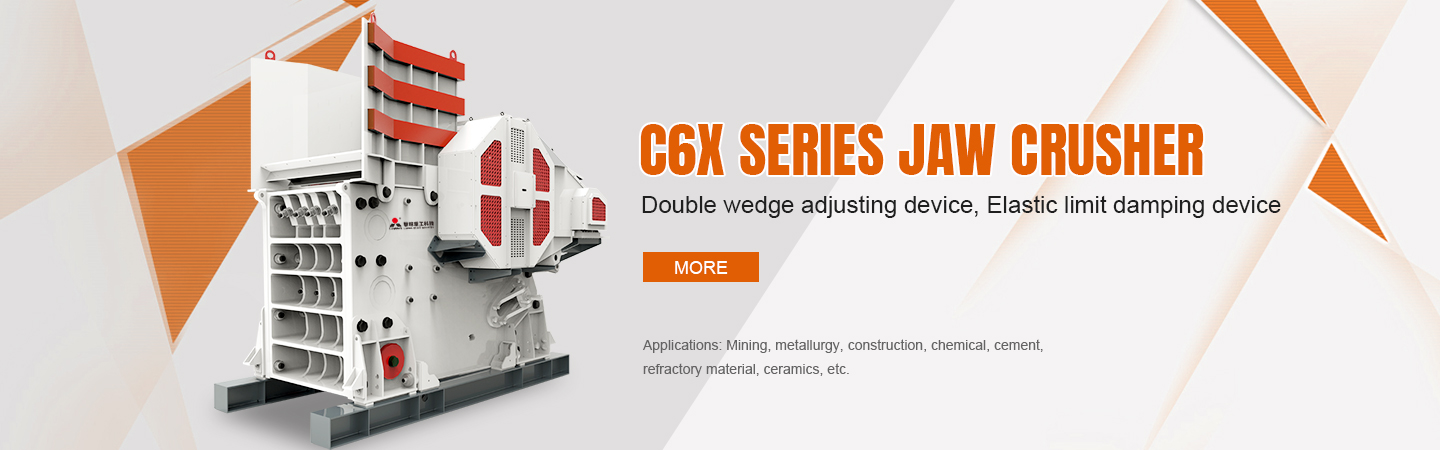
Proven solutions include jaw and cone crushers with altitude-compensating engine controls, paired with vibrating grizzlies to pre-screen cobbles and reduce wear on downstream components. Wear-resistant manganese steel liners and adjustable closed-side settings allow adaptation to variable feed material hardness, common in Bolivia’s geologically diverse terrain.
-
Ultimately, successful deployment hinges on integrated site assessment, climate-specific engineering modifications, and localized technical support networks to ensure uptime and performance consistency in Bolivia’s demanding highland environment.
Cost-Effective and Sustainable Crushing Solutions for Bolivian Construction Firms
-
Prioritize electric-powered or hybrid jaw crushers with variable frequency drives (VFDs) to reduce fuel consumption and emissions, particularly critical in Bolivia’s high-altitude urban centers where air quality regulations are tightening. These systems offer lower operational costs over diesel-powered alternatives, especially when integrated with renewable energy sources such as solar microgrids increasingly available in rural and peri-urban construction zones.
-
Opt for compact, modular crushing plants that can be transported and assembled with minimal civil works. Mobile units reduce infrastructure investment and relocation time between remote Andean project sites. Look for equipment with corrosion-resistant coatings and altitude-adapted engine calibrations to ensure reliability above 3,500 meters.
-
Implement closed-loop water recycling systems in washing and screening stages to mitigate water scarcity challenges common across the Altiplano. Integrating sedimentation tanks and high-efficiency dewatering screens reduces freshwater intake by up to 70%, aligning with Bolivia’s environmental compliance standards and lowering utility costs.
-
Leverage locally sourced cobblestone feed material to minimize transportation logistics. Bolivian road projects, particularly in La Paz, Oruro, and Potosí, can utilize abundant alluvial deposits, reducing material acquisition costs by 30–40% compared to imported aggregates.
-
Partner with regional equipment suppliers offering preventative maintenance training and spare parts inventories. This reduces machine downtime and fosters long-term cost savings. Select manufacturers with proven service networks in the Andes to ensure technical support during critical project phases.
-
Incorporate wear-resistant manganese steel liners and adjustable CSS (closed-side setting) mechanisms in cone and impact crushers to extend component life and maintain consistent product gradation—key for meeting Bolivian construction standards (NB-030 and NB-031) in road base and concrete applications.
-
Conduct lifecycle cost analysis (LCA) when selecting machinery, factoring in energy efficiency, maintenance frequency, and residual value. High initial investment in energy-optimized, low-maintenance equipment typically yields 20–25% lower total cost of ownership over a five-year period.
-
Explore equipment leasing or public-private partnerships for project-specific deployments, particularly for short-duration infrastructure upgrades. This model improves capital allocation and enables access to advanced technology without long-term financial exposure.
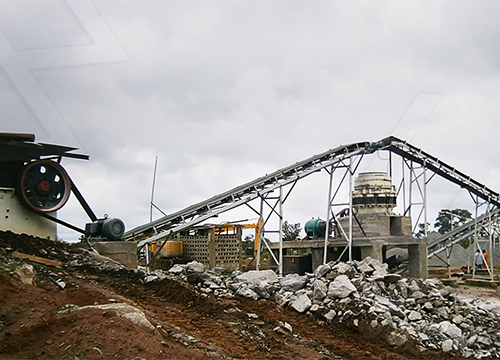
Leading Cobblestone Crushing Machine Suppliers Serving the Bolivian Market
-
ZWC Outotec: A global leader in mining and aggregates technology, ZWC Outotec offers robust cobblestone crushing solutions tailored for high-altitude environments such as those prevalent in Bolivia. Their Nordberg® C Series jaw crushers and Lokotrack mobile plants are engineered for reliability under extreme conditions, including low oxygen levels and temperature fluctuations characteristic of altiplano regions. With a focus on efficiency and reduced downtime, ZWC provides comprehensive technical support, spare parts availability, and remote monitoring systems, ensuring consistent performance across Bolivian construction and mining infrastructure projects.
-
Sandvik Mining and Rock Solutions: Known for innovation and durability, Sandvik delivers advanced mobile and stationary crushing equipment suited to Bolivia’s rugged terrain and logistical challenges. Their QJ341 and QA451 mobile units are frequently deployed for cobblestone processing, featuring fuel-efficient engines and adaptive feed systems that maintain throughput despite variable feed sizes. Sandvik maintains a growing service network in South America, enabling timely field support and operator training—critical for maintaining equipment longevity in remote project sites.
-
Terex Minerals Processing Systems (MPS): Terex MPS offers scalable crushing solutions through its range of Finlay and Canica equipment. The Finlay C-1540 jaw crusher, with integrated pre-screen and bypass conveyor, is particularly effective for processing high-silica cobblestone common in Bolivian riverbeds. Terex emphasizes modular design and transportability, a key advantage in Bolivia’s mountainous regions where access is constrained. Their collaboration with regional distributors ensures parts delivery and on-site commissioning support, minimizing deployment delays.
-
FABO Inc.: A prominent supplier from Turkey, FABO has expanded its footprint in Latin America with cost-effective, containerized crushing plants ideal for mid-scale operations. Their JAWMASTER and COMBO series provide plug-and-play functionality, suitable for contractors seeking rapid mobilization. FABO’s equipment is designed to operate efficiently at elevations exceeding 4,000 meters, aligning with Bolivia’s high-altitude demands. The company offers turnkey installations with local technical partners, enhancing after-sales reliability.
-
Grupo Yllcif, S.A.: As a regional distributor and integrator, this Bolivian-based firm plays a pivotal role in sourcing and customizing crushing systems from international OEMs. Their expertise in local regulatory compliance, logistics, and terrain-specific adaptation makes them a strategic partner for both domestic and foreign contractors navigating Bolivia’s complex operating environment.
Frequently Asked Questions
What types of cobblestone crushing equipment are most effective for Bolivia’s geological conditions?
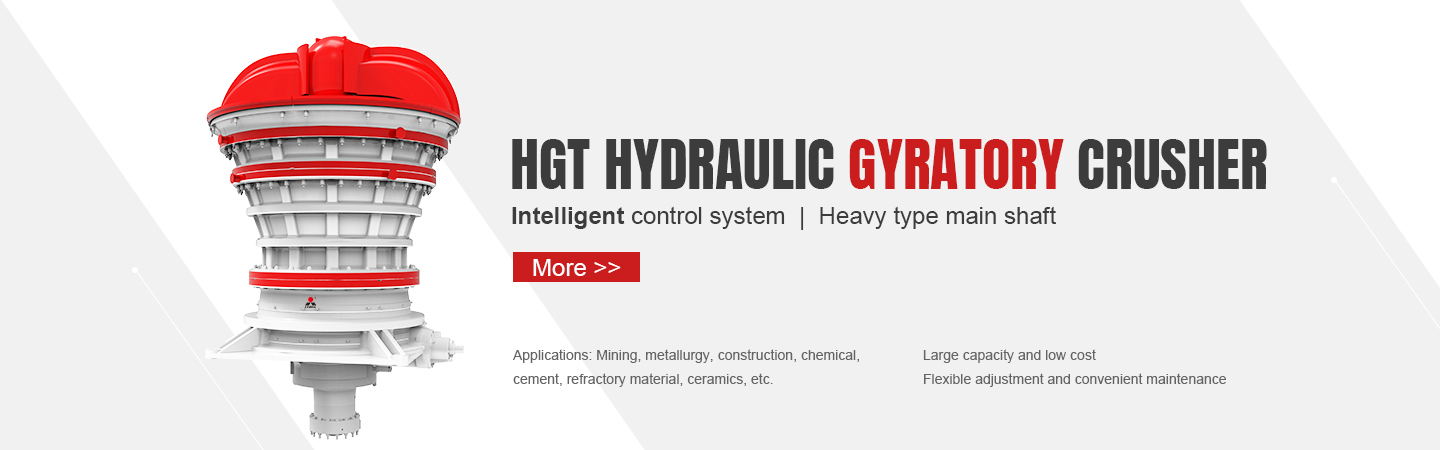
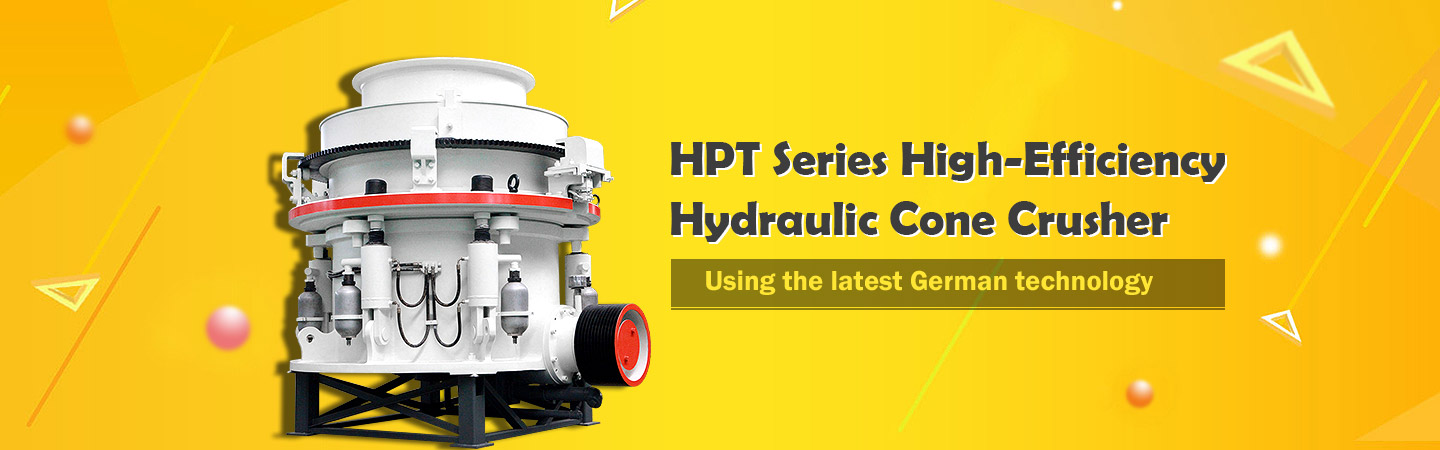
Given Bolivia’s diverse geology—ranging from Andean hard volcanic rocks to softer sedimentary deposits—jaw crushers paired with cone or impact crushers are most effective. Primary jaw crushers handle high-abrasion cobblestone efficiently, while secondary cone crushers produce well-graded aggregates ideal for road construction. Mobile crushing plants are particularly beneficial in Bolivia’s rugged terrain, offering flexibility and reduced transport costs.
How do high-altitude conditions in Bolivia affect cobblestone crusher performance?
High-altitude regions in Bolivia (e.g., La Paz at over 3,600 meters) reduce air density, impacting diesel-powered equipment’s combustion efficiency and hydraulic systems. To maintain optimal performance, crushers should use high-altitude kits that adjust fuel-air ratios and turbocharged engines. Proper equipment derating and cooling system enhancements are critical to prevent overheating and ensure consistent throughput.
Which mobile crusher models are best suited for remote cobblestone sites in Bolivia?
For remote operations in Bolivia, tracked mobile plants like the ZWC Lokotrack LT120 and Kleemann MC110R are ideal due to their self-propelled mobility, integrated screens, and ease of relocation. These models require minimal site preparation, handle cobblestone feed sizes up to 800 mm, and are engineered for rapid deployment in challenging terrains—crucial for Bolivia’s mountainous and underdeveloped regions.
What maintenance protocols are essential for crushing equipment operating in Bolivia’s dusty and variable climates?
Dust infiltration is a major challenge in Bolivia’s arid Altiplano regions. Implement sealed bearing systems, high-efficiency air filters, and scheduled grease purging for toggle bearings in jaw crushers. Use desiccant breathers on hydraulic reservoirs and conduct bi-weekly inspections of liners, belts, and motors. Downtime can be minimized by establishing local maintenance hubs stocked with OEM spare parts.
How can operators ensure compliance with Bolivia’s environmental and mining regulations when crushing cobblestone?
Operators must secure authorization from the Vice Ministry of Mining and Metallurgy and comply with environmental impact assessments (EIA) under Supreme Decree 24042. Effective dust suppression systems (e.g., water sprays, fog cannons), noise barriers, and sedimentation ponds are mandatory. Routine emissions monitoring and community engagement plans are required to maintain operational permits.
What is the optimal production capacity for cobblestone crushing plants in Bolivian infrastructure projects?
Mid-scale stationary or modular plants with capacities of 150–300 tons per hour (TPH) best match Bolivia’s regional infrastructure demands, such as paving rural roads or constructing irrigation systems. This range balances efficiency, energy consumption, and investment cost. For larger projects like highway expansions, modular systems can be scaled in parallel trains to reach 500 TPH.
Are recycled lubricants and locally sourced wear parts viable for cobblestone crushers in Bolivia?
While recycled lubricants must meet ISO 4406 cleanliness standards to avoid component damage, Bolivia lacks a standardized re-refining infrastructure, making OEM or globally certified lubricants preferable. For wear parts (e.g., manganese steel liners, blow bars), sourcing from certified Latin American suppliers like those in Chile or Brazil offers cost and lead-time advantages over European or Asian vendors.
How does moisture content in Bolivia’s riverbed cobblestone affect crusher selection?
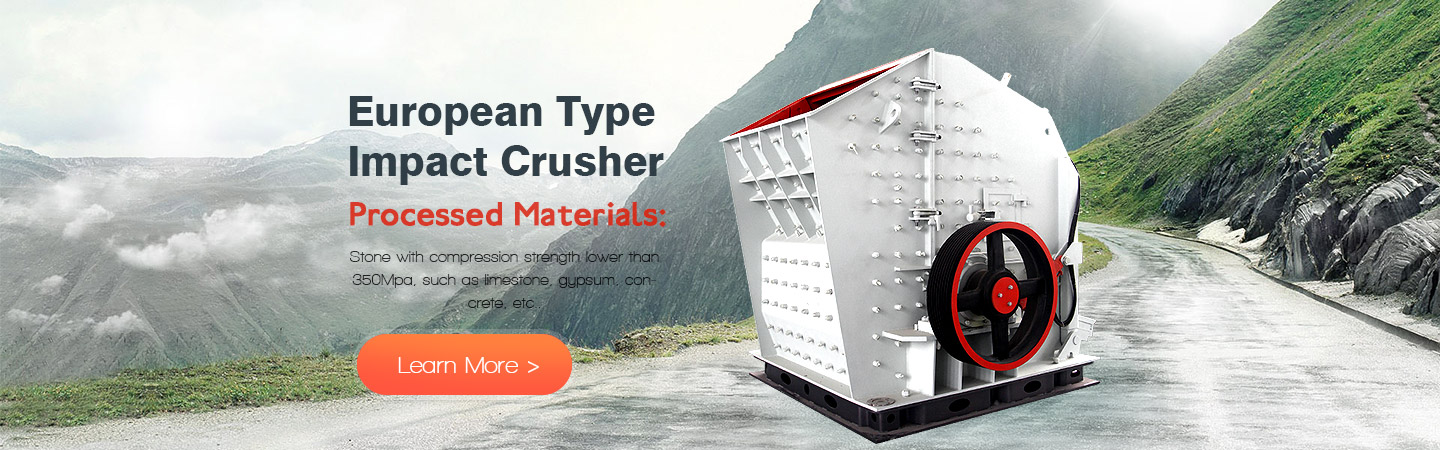
Cobblestone from riverbeds in eastern Bolivia often has elevated moisture, increasing the risk of clogging in fine crushers. To mitigate this, choose crushers with integrated vibrating grizzlies or pre-screening units. Impact crushers with rotor cleaning systems or hybrid cone crushers with anti-stick liners excel in these wet conditions, reducing downtime and improving output consistency.
What power solutions are recommended for off-grid cobblestone crushing operations in Bolivia?
In off-grid areas, dual-power hybrid systems combining Tier 4 Final diesel generators with solar-assisted battery banks offer reliable operation. Solar reduces fuel dependency by up to 30% for control systems and lighting. Alternatively, mobile crushers with onboard cummins or Scania engines provide uninterrupted power but require stringent fuel logistics planning across remote departments.
How can crushing efficiency be optimized for producing construction-grade aggregates from Bolivian cobblestone?
Efficiency is maximized through closed-circuit configurations with secondary screening and recirculation. Use 3-deck inclined screens to classify outputs into 0–5 mm (sand), 5–12 mm, and 12–25 mm fractions per Bolivian Standard NB-H-2. Pre-crushing scalping removes fines, reducing overload, while automated crusher settings (CSS) control via IoT sensors maintains consistent product gradation.
Is on-site training for local operators crucial when deploying crushing equipment in Bolivia?
Yes—customized on-site training by OEM engineers is crucial to ensure safe and efficient operation. Programs should cover daily inspections, troubleshooting, emergency shutdowns, and compliance with Bolivia’s labor safety regulations (Supreme Decree 21398). Trilingual (Spanish, Quechua/Aymara, English) training materials and ongoing remote diagnostics support enhance long-term equipment reliability.

What are the key logistical challenges in importing and transporting cobblestone crushing equipment to Bolivia?
Importing equipment faces customs delays due to complex tariff codes (HS 8474.30) and VAT (13%) without proper free trade exemptions. Transport from Chilean ports (e.g., Arica) through Andean passes requires specialized trailers and route permits. Partnering with local logistics firms experienced in oversized cargo movements ensures timely delivery and compliance with national transit laws.