Table of Contents
- Understanding Aggregate Crushers and Their Role in US Construction Industries
- Types of Aggregate Crushers Used Across Quarries and Mining Sites in America
- Leading Aggregate Crusher Manufacturers Supplying the USA Market
- Choosing the Right Crusher for Your Aggregate Production Needs in the USA
- Maintenance, ROI, and Regulatory Compliance for Aggregate Crushers in the United States
- Frequently Asked Questions
- What is an aggregate crusher and how is it used in the USA construction industry?
- What are the most common types of aggregate crushers used in the United States?
- How do I choose the right aggregate crusher for my operation in the USA?
- Are there federal or state regulations governing aggregate crushing operations in the USA?
- What maintenance practices are critical for maximizing uptime in aggregate crushers?
- How does aggregate quality affect crusher selection and configuration?
- Can recycled concrete and asphalt be processed using standard aggregate crushers in the USA?
- What are the leading manufacturers of aggregate crushers for the U.S. market?
- How can crushing efficiency be optimized in an aggregate plant?
- What role does automation play in modern aggregate crushing operations?
- How does climate affect aggregate crusher performance in different U.S. regions?
- What are the emerging technologies in aggregate crushing for the USA market?
Understanding Aggregate Crushers and Their Role in US Construction Industries
-
Aggregate crushers are essential machinery in the U.S. construction and quarrying sectors, responsible for reducing large rock, ore, or demolition materials into smaller, usable aggregate sizes. These processed materials form the foundational components of roads, bridges, buildings, and other infrastructure, making crushers a cornerstone of modern construction operations.
-
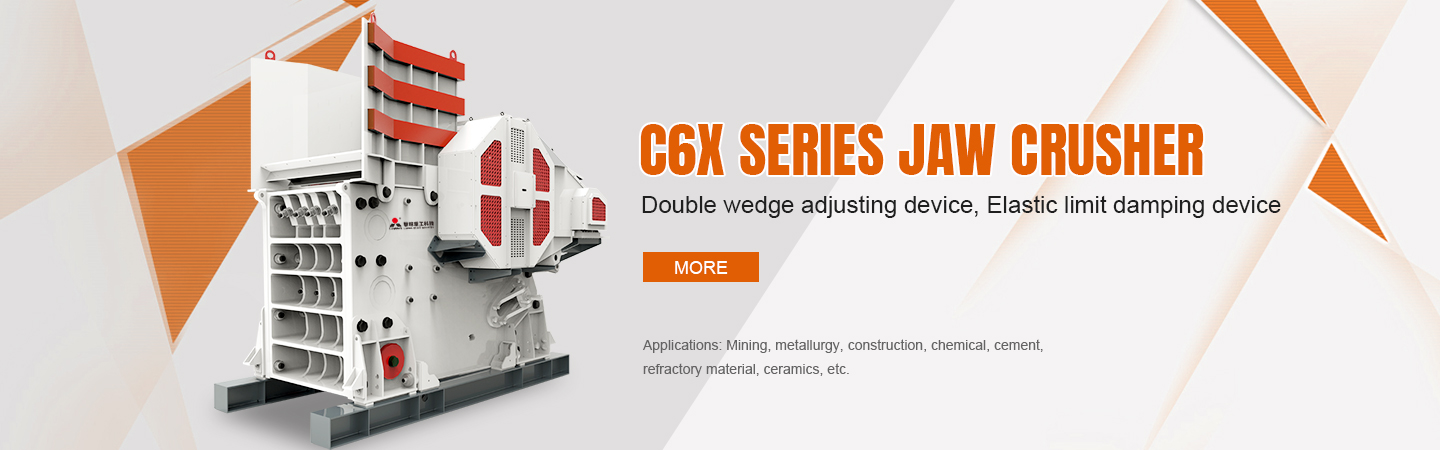
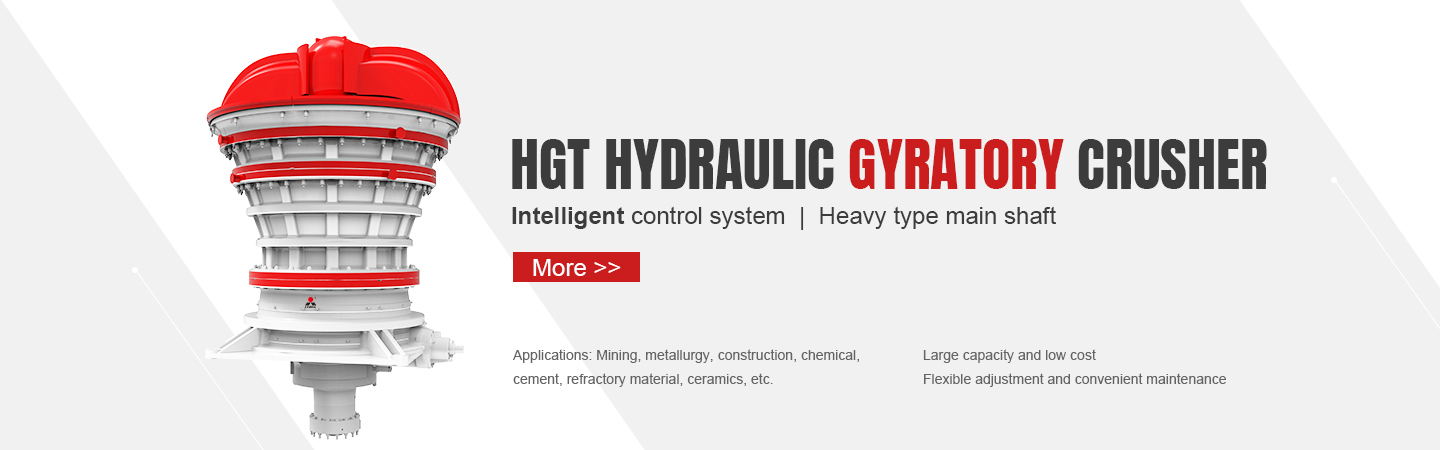
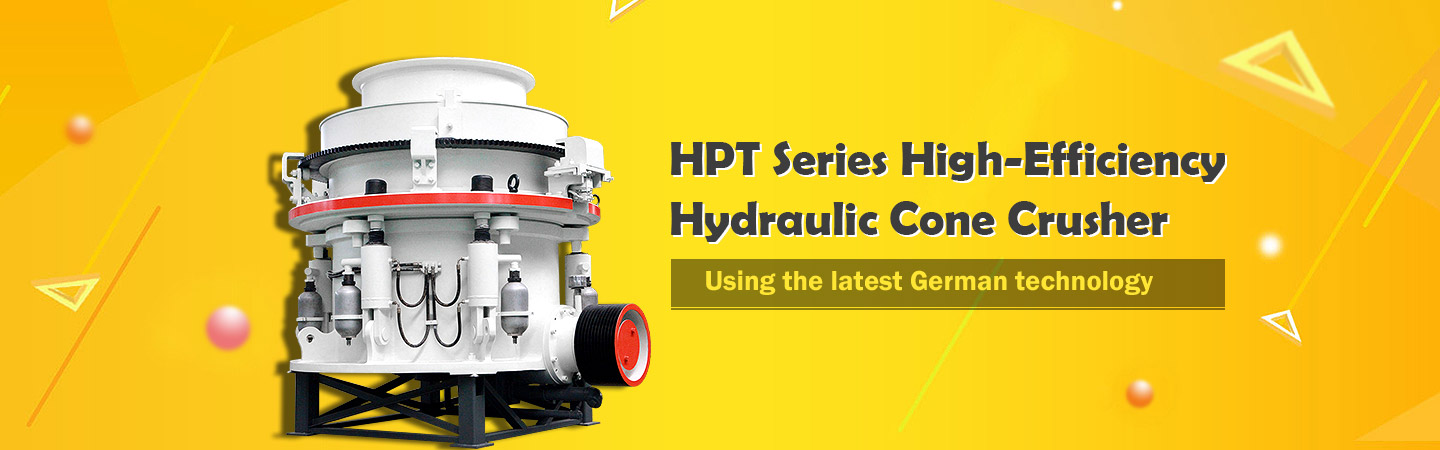
Primary crushing typically begins with jaw or gyratory crushers, which handle the initial size reduction of raw material extracted from quarries. Jaw crushers are widely favored for their reliability, high reduction ratios, and ability to process hard, abrasive feedstock. In secondary and tertiary stages, cone and impact crushers refine the material further, producing uniformly shaped aggregates required for high-specification construction applications.
-
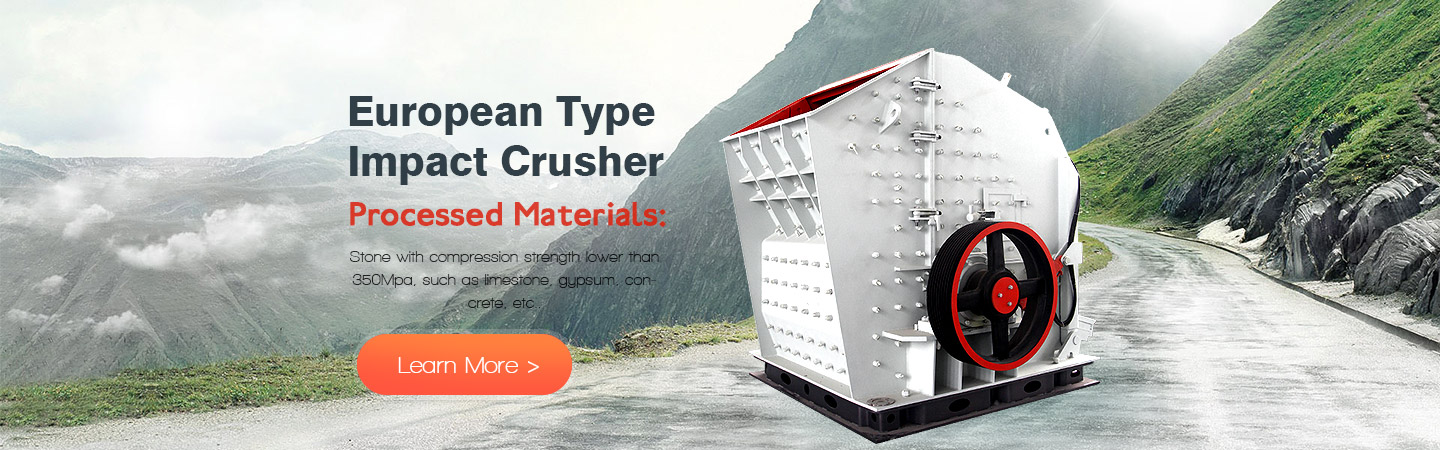
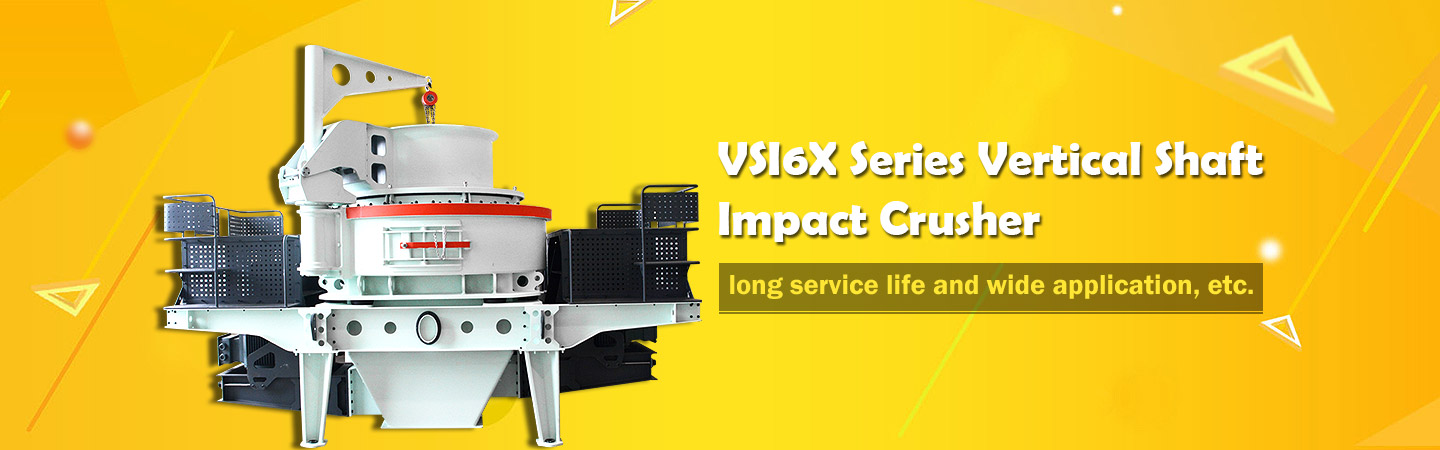
The choice of crusher type depends on several factors, including feed size, desired output gradation, material hardness, and operational capacity. Cone crushers offer precision and consistency for hard rock operations, while horizontal shaft impact (HSI) crushers are optimal for producing cubical aggregates used in asphalt and concrete. Vertical shaft impact (VSI) crushers are increasingly deployed to enhance particle shape and meet stringent specification requirements.
-
In the United States, environmental regulations, efficiency standards, and sustainability goals are influencing crusher design and deployment. Modern crushers integrate advanced automation, real-time monitoring, and dust suppression systems to minimize environmental impact and improve operational safety. Electric and hybrid-powered models are emerging to reduce carbon emissions, aligning with broader industry decarbonization initiatives.
-
Leading manufacturers such as ZWC, Sandvik, and Terex offer crushers engineered for U.S. market demands, emphasizing durability, uptime, and total cost of ownership. Equipment is often customized for regional geology, whether processing limestone in the Midwest or igneous rock in the Pacific Northwest.
-
The integration of crushers within closed-loop processing systems—where recycled concrete and asphalt are reprocessed—underscores their role in advancing circular economy practices in construction. This capability not only reduces landfill use but also lowers material procurement costs.
-
As infrastructure investment grows under federal initiatives like the Bipartisan Infrastructure Law, demand for high-capacity, efficient aggregate crushers is expected to rise, reinforcing their strategic importance in sustaining national construction output and material supply chains.
Types of Aggregate Crushers Used Across Quarries and Mining Sites in America
Leading Aggregate Crusher Manufacturers Supplying the USA Market
Choosing the Right Crusher for Your Aggregate Production Needs in the USA
Maintenance, ROI, and Regulatory Compliance for Aggregate Crushers in the United States
Frequently Asked Questions
What is an aggregate crusher and how is it used in the USA construction industry?
An aggregate crusher is a machine designed to reduce large rocks into smaller, more manageable sizes for use in construction materials like concrete, asphalt, and road base. In the USA, aggregate crushers are critical in producing crushed stone, sand, and gravel—the backbone of infrastructure projects including highways, bridges, and commercial buildings. These crushers operate via compression, impact, or attrition and are deployed in quarries, mines, and recycling sites to meet ASTM and state-specific aggregate specifications.
What are the most common types of aggregate crushers used in the United States?
The most common types of aggregate crushers in the U.S. include jaw crushers, cone crushers, impact crushers, and gyratory crushers. Jaw crushers are used for primary crushing due to their high capacity and reliability. Cone crushers excel in secondary and tertiary crushing, delivering consistent gradation for high-specification projects. Impact crushers are preferred for producing cubical aggregates in asphalt applications, while gyratory crushers handle high-volume primary crushing in large-scale operations.
How do I choose the right aggregate crusher for my operation in the USA?
Selecting the right aggregate crusher depends on feed size, desired output gradation, production capacity, material hardness (measured by Mohs or compressive strength), and mobility needs. For hard rock quarries, a combination of a primary jaw crusher and secondary cone crusher is typically optimal. Operations requiring portability often use track-mounted or wheeled plants. Consult engineering data and conduct material testing to match crusher type, liner design, and closed-side setting to your feedstock and end-product requirements.
Are there federal or state regulations governing aggregate crushing operations in the USA?
Yes, aggregate crushing operations in the U.S. are subject to regulations from the Environmental Protection Agency (EPA), Occupational Safety and Health Administration (OSHA), and state environmental agencies. Key compliance areas include air quality (PM-10/PM-2.5 emissions under NESHAP), noise pollution, dust control, water runoff management (NPDES permits), and worker safety. Facilities must also adhere to MSHA standards for mine safety if operating in extraction zones.
What maintenance practices are critical for maximizing uptime in aggregate crushers?
Critical maintenance practices include regular lubrication of bearings and moving parts, monitoring of crusher liners and wear parts, checking hydraulic and electrical systems, and ensuring proper alignment of feed and discharge systems. Scheduled shutdowns for inspection, vibration analysis, and wear part replacement prevent unplanned downtime. Advanced operations use predictive maintenance tools such as oil analysis and thermal imaging to detect issues before failure.
How does aggregate quality affect crusher selection and configuration?
Aggregate quality—defined by hardness, abrasiveness, moisture content, and mineral composition—directly impacts crusher selection. Highly abrasive materials like quartz-rich rock require wear-resistant manganese steel liners and slower operating speeds to minimize degradation. Moist or sticky feedstocks may necessitate the use of grizzly feeders or pre-screening to prevent clogging. Optimizing crusher chamber design and RPM ensures compliance with Superpave and state DOT specifications for aggregate shape, gradation, and durability.
Can recycled concrete and asphalt be processed using standard aggregate crushers in the USA?
Yes, standard impact and jaw crushers can process recycled concrete (RCA) and reclaimed asphalt pavement (RAP), but modifications are often required. Pre-screening and metal detection systems help remove rebar and contaminants. Impact crushers are particularly effective for recycling due to their ability to break down brittle materials while preserving product quality. Many U.S. jurisdictions now mandate or incentivize recycled aggregate use in transportation projects, making crushing recycling streams both economically and environmentally strategic.

What are the leading manufacturers of aggregate crushers for the U.S. market?
Top manufacturers serving the U.S. market include ZWC Outotec, Sandvik, Terex, McLanahan, Trio, and Kleemann (Wirtgen Group). These companies offer engineered solutions compliant with U.S. emissions (Tier 4 Final), electrical, and safety standards. Domestic service networks, parts availability, and integration with crusher automation systems (e.g., IoT monitoring) make these brands preferred choices for large and mid-sized aggregates producers.
How can crushing efficiency be optimized in an aggregate plant?
Crushing efficiency is optimized through proper choke feeding, correct closed-side settings (CSS), pre-screening to remove fines, balanced crusher load distribution, and closed-loop automation. Advanced plants use real-time monitoring systems to adjust speed, feed rate, and CSS based on throughput and gradation targets. Energy efficiency is further improved by matching motors to actual duty cycles and utilizing variable frequency drives (VFDs).
What role does automation play in modern aggregate crushing operations?
Automation enhances precision, safety, and productivity in U.S. aggregate plants. Systems like plant-wide PLC control, remote monitoring, predictive maintenance alerts, and feed rate optimization reduce human error and improve consistency. Leading operations use AI-driven analytics to forecast wear part life, adjust crusher settings dynamically, and integrate with fleet management for optimal quarry-to-plant logistics.
How does climate affect aggregate crusher performance in different U.S. regions?
Cold climates (e.g., Upper Midwest, Rocky Mountains) can cause material freezing and belt slippage, requiring heated enclosures or anti-freeze additives. In humid Southeast regions, moist feed can clog crushers, so pre-drying or screening is crucial. Dust control becomes more challenging in arid Southwest environments, where water spraying and chemical suppressants are essential to meet air quality standards.
What are the emerging technologies in aggregate crushing for the USA market?
Emerging technologies include AI-powered process optimization, hybrid-electric crusher units to reduce diesel emissions, advanced wear-resistant materials (e.g., composite liners), and digital twin modeling for plant performance simulation. Additionally, integration with construction material testing labs via blockchain for aggregate traceability is gaining traction, especially in federally funded infrastructure projects requiring full material accountability.