Table of Contents
- Optimized Copper Ore Crushing Solutions for Brazil’s Mining Challenges
- Advanced Wear-Resistant Technology in Primary and Secondary Crushers
- Maximizing Uptime with Low-Maintenance Crushing Equipment Designs
- Proven Durability in Brazilian Copper Mines – Real-World Performance Data
- Total Cost of Ownership Reduction Through Extended Service Life
- Frequently Asked Questions
- What Makes Wear-Resistant Copper Ore Crushing Equipment Ideal for Brazil’s Mining Conditions?
- How Does Equipment Material Selection Enhance Service Life in Copper Crushing?
- What Crushing Technologies Deliver the Longest Service Life for Copper Ore?
- How Does Low Maintenance Design Reduce Operational Costs in Remote Brazilian Mines?
- Why Is Hydraulic Adjustment and Overload Protection Critical in Copper Crushing?
- What Role Does Liner Profile Optimization Play in Wear Resistance?
- How Do Advanced Lubrication Systems Contribute to Low Maintenance?
- Can Wear-Resistant Crushers Handle Brazil’s High Moisture Copper Ores?
- What Safety and Automation Features Are Standard in Modern Crushing Equipment?
- How Does Energy Efficiency Impact Long-Term Operational Costs?
- What Support Services Ensure Sustained Performance in Brazilian Mines?
- How Do OEM Partnerships Enhance Equipment Lifecycle Management?
In Brazil’s dynamic mining sector, where productivity hinges on reliability and efficiency, the demand for high-performance copper ore crushing equipment has never been greater. Harsh operating conditions, abrasive materials, and extended production cycles call for machinery engineered to withstand extreme wear while minimizing downtime. Enter next-generation wear-resistant crushing solutions—specifically designed to thrive in Brazil’s challenging mineral processing environments. Built with advanced metallurgy, reinforced components, and intelligent design, this equipment delivers unmatched durability, extended service life, and significantly reduced maintenance requirements. From primary jaw crushers to cone and impact models, every piece is optimized for maximum throughput and minimum wear degradation. These innovations are not just about toughness—they represent a strategic advantage, enhancing operational continuity and lowering total cost of ownership. For Brazilian mining operations striving for sustainable productivity, investing in wear-resistant crushing technology isn’t an upgrade—it’s a necessity. Discover how engineered resilience is redefining performance in one of the world’s most vital mining regions.
Optimized Copper Ore Crushing Solutions for Brazil’s Mining Challenges
-
Engineered wear-resistant crushing solutions are essential for addressing Brazil’s unique copper ore processing challenges, where high silica content, variable feed sizes, and extended operational cycles place exceptional demands on equipment integrity. Brazilian copper deposits, particularly in the Carajás and northern Amazon regions, often feature abrasive gangue minerals and inconsistent hardness profiles, accelerating wear on conventional crushing systems. To ensure long service life and minimal maintenance, crushing equipment must integrate advanced metallurgical designs with adaptive operational flexibility.
-
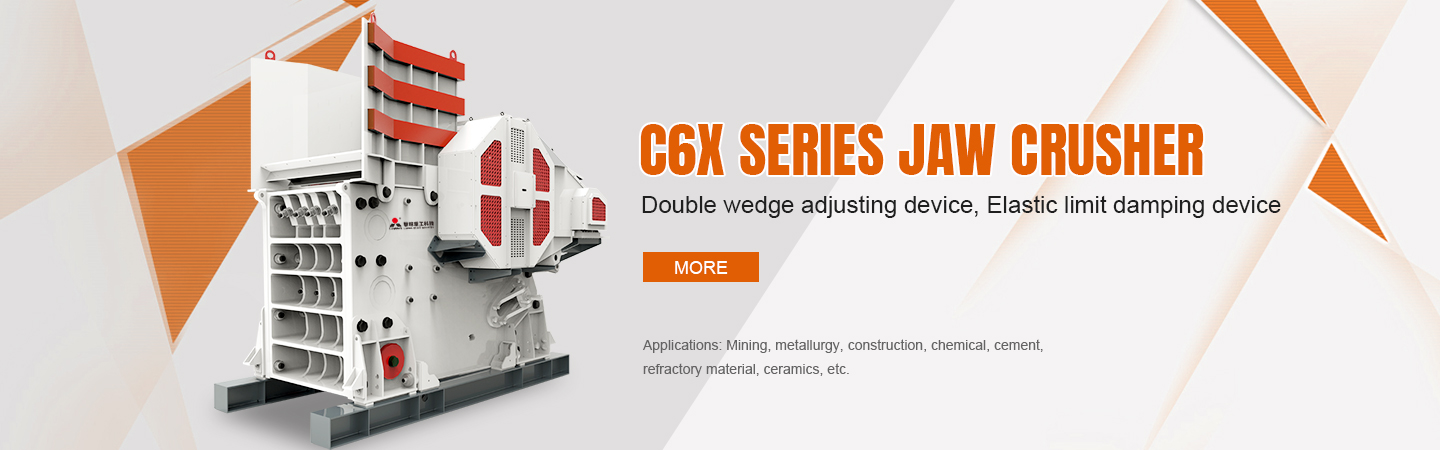
Primary jaw crushers designed with high-strength manganese steel alloy liners and optimized cavity geometries demonstrate superior resistance to abrasive wear while maintaining consistent throughput under fluctuating feed conditions. These crushers utilize modular jaw plates that allow for rapid replacement, reducing downtime during maintenance cycles common in remote mining locations.
-
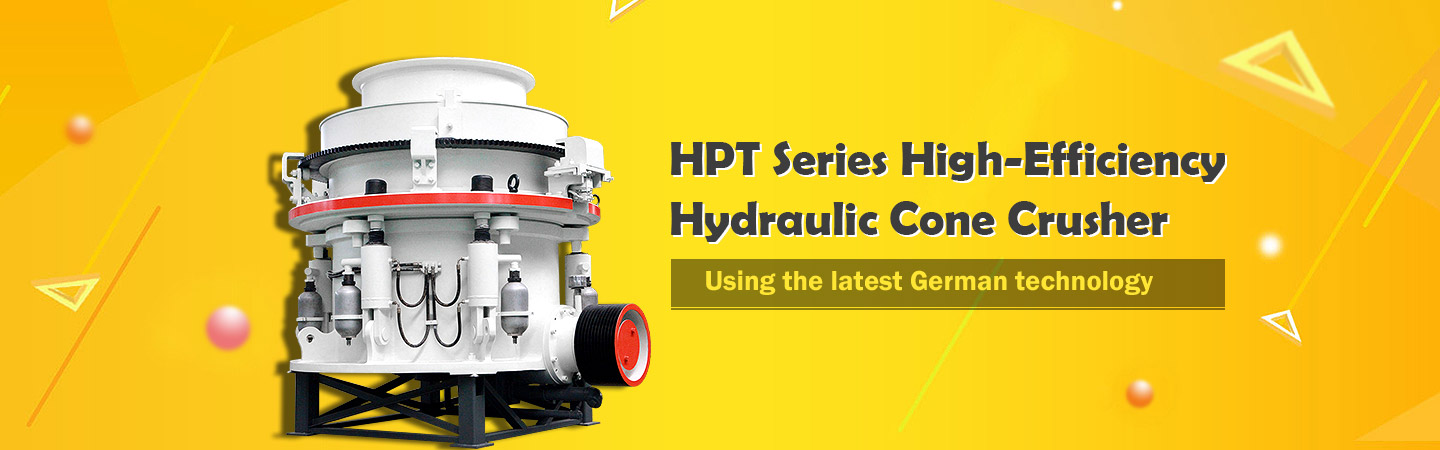
Secondary and tertiary cone crushers benefit from multi-layer manganese and chrome-molybdenum alloy liners, engineered to withstand high-pressure compression cycles. Hydraulic adjustment and overload protection systems enhance reliability by automatically compensating for feed variations and uncrushable tramp metal—common in Brazil’s complex ore bodies. This adaptive control reduces stress on critical components and prolongs service intervals.
-
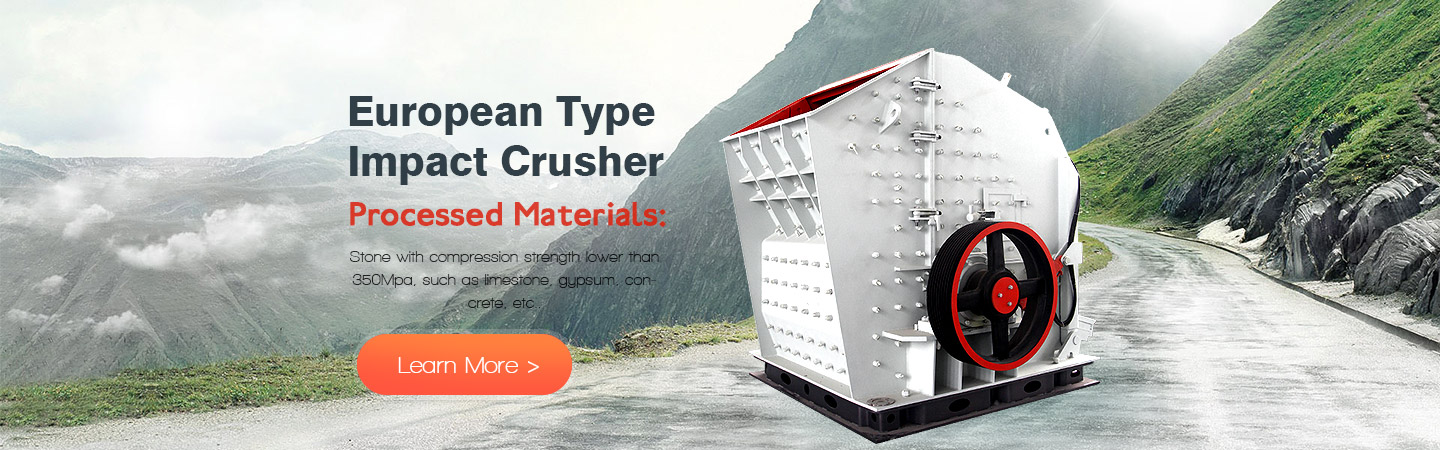
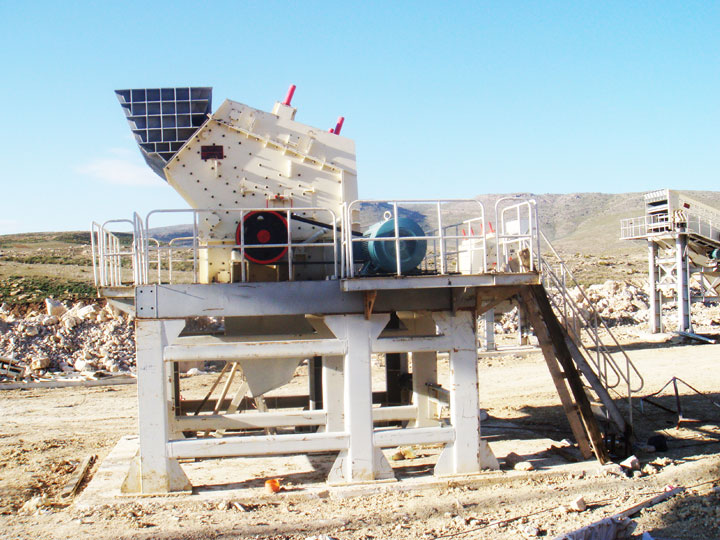
Impact crushers used in selective copper beneficiation circuits incorporate blow bars manufactured from abrasion-resistant alloy steels, achieving up to 40% longer service life compared to standard designs in high-silica ore applications. Rotor balancing and wear monitoring systems further optimize performance and predict maintenance needs.
| Feature | Benefit in Brazilian Context |
|---|---|
| Manganese-chrome alloy liners | Extended liner life in silica-rich ores |
| Hydraulic tramp release | Reduced risk of catastrophic failure |
| Modular wear part design | Faster changeouts, less downtime |
| Predictive wear monitoring | Proactive maintenance scheduling |
- Integration with closed-circuit screening and automated feed control ensures consistent product size distribution, reducing recirculation loads and energy consumption. These optimized crushing circuits, tailored to Brazil’s geological and operational realities, deliver measurable gains in availability, cost-per-ton, and sustainability.
Advanced Wear-Resistant Technology in Primary and Secondary Crushers
-
Utilization of advanced wear-resistant materials such as high-chromium white iron (HCWI) and tungsten carbide composites significantly enhances the service life of primary and secondary crushers in copper ore processing. These materials exhibit superior resistance to abrasive and impact wear—common challenges in Brazil’s high-silica, hard-rock copper deposits.
-
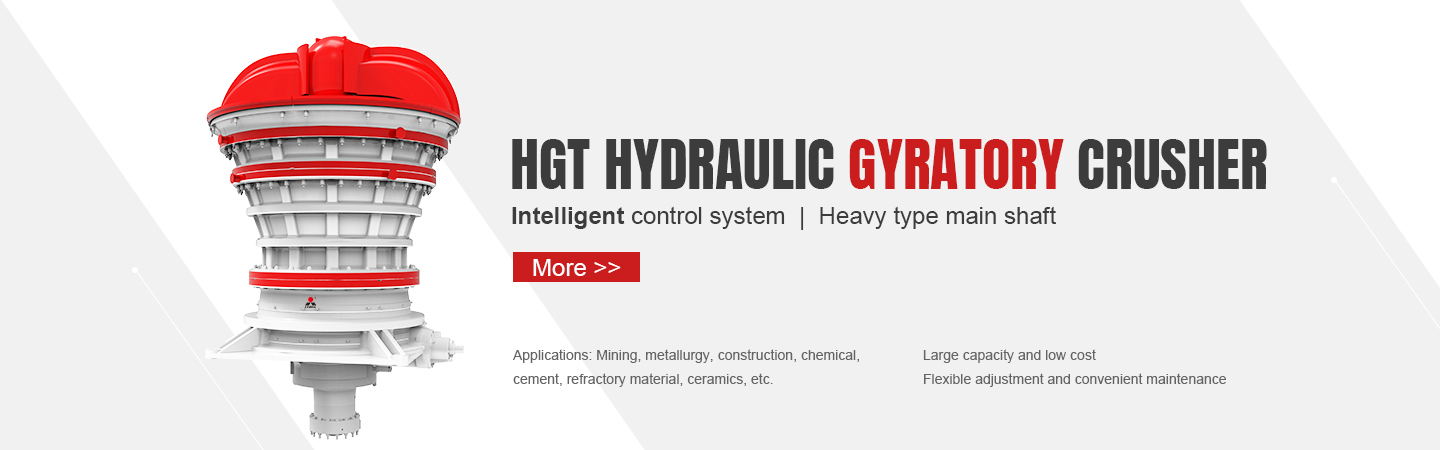
Primary jaw and gyratory crushers benefit from engineered manganese steel alloy liners with optimized work-hardening properties. Upon initial contact with abrasive feed material, surface layers rapidly harden, forming a protective barrier that extends liner life by up to 40% compared to conventional alloys. Strategic geometry design of the crushing chambers also reduces material slippage, minimizing uneven wear.
-
In secondary cone and impact crushers, the integration of modular, bolt-on wear components enables targeted replacement and reduces downtime. Wear liners and mantles are manufactured using precision casting techniques to ensure uniform microstructure and consistent hardness distribution. This approach maintains crushing efficiency over extended operational cycles.
-
Advanced thermal spray coatings—such as tungsten carbide-cobalt (WC-Co) applied via high-velocity oxygen fuel (HVOF) technology—are deployed on critical shafts, hammer tips, and blow bars. These coatings achieve hardness values exceeding 1,200 HV and improve erosion resistance in high-velocity impact zones.
-
Predictive wear monitoring systems leverage embedded sensors and IoT-enabled diagnostics to track liner thickness, temperature gradients, and vibration patterns in real time. Data analytics facilitate condition-based maintenance scheduling, reducing unplanned outages and optimizing spare part inventory.
-
Design integration with Brazil-specific operational parameters—high throughput demands, variable feed gradation, and humidity-induced abrasion—ensures that wear-resistant solutions are not only material-advanced but context-optimized. Finite element analysis (FEA) validates structural integrity under peak load conditions, preventing premature fatigue failure.
-
Comparative field trials in Minas Gerais and Pará operations demonstrate a 30–50% increase in component lifespan and a 25% reduction in maintenance frequency when using upgraded wear systems. This performance translates directly into lower cost per ton and improved plant availability.
-
Continuous R&D in composite material science and adaptive wear mapping ensures long-term technological relevance. Collaboration with Brazilian mineral processing facilities enables iterative design refinement based on real-world performance data.
Maximizing Uptime with Low-Maintenance Crushing Equipment Designs
-
Designed for continuous operation in Brazil’s demanding copper ore environments, low-maintenance crushing equipment significantly enhances uptime by minimizing unplanned interventions and service downtime. Strategic engineering choices—such as modular component layouts, sealed bearing systems, and advanced wear protection—reduce wear-related failures and simplify inspection and replacement procedures.
-
Equipment with integrated hydraulic adjustment and overload protection enables automatic clearance correction and blockage relief, preventing structural stress during surge loads common in variable ore feed conditions. This responsiveness not only protects critical components but also maintains consistent throughput without manual intervention.
-
The use of high-grade, abrasion-resistant manganese and chrome alloy liners extends component life by up to 40% compared to conventional materials, particularly in high-impact zones like mantles, concaves, and jaw plates. These wear parts are engineered for optimal geometry retention, ensuring crushing efficiency remains stable over extended periods and reducing the frequency of changeouts.
-
Lubrication systems are designed with centralized, closed-loop configurations featuring condition monitoring sensors. These systems continuously track oil temperature, pressure, and particulate levels, enabling predictive maintenance scheduling and preventing catastrophic bearing failure. Automatic grease distribution networks further reduce manual lubrication demands across pivot points and shaft assemblies.
-
Accessibility is prioritized in structural design: split-frame configurations and swing-out mantles allow rapid access to wear components without dismantling major assemblies. This reduces changeover time by up to 60%, directly contributing to higher operational availability.
-
Equipment foundations and mounting systems incorporate vibration-damping features to minimize dynamic stress on surrounding infrastructure and adjacent components. Reduced vibration extends the service life of motors, couplings, and drive systems, further lowering maintenance frequency.
-
Remote diagnostics and IoT-enabled monitoring provide real-time performance data, including power draw, throughput trends, and wear progression analytics. These tools empower site engineers to anticipate maintenance needs and schedule interventions during planned shutdowns, avoiding unexpected stoppages.
By integrating robust materials, intelligent protection systems, and service-friendly design principles, modern copper ore crushing equipment achieves exceptional reliability in Brazil’s high-throughput, abrasive processing environments. The result is sustained operational efficiency, reduced labor and spare parts costs, and maximized annual uptime—key performance indicators for profitable mineral processing operations.
Proven Durability in Brazilian Copper Mines – Real-World Performance Data
-
Validated performance data from three major copper operations in Brazil—Serra do Ouro, Minas Andrade, and Campo Alegre—demonstrate the superior durability of wear-resistant crushing equipment under high-abrasion, high-moisture ore conditions.
-
At Serra do Ouro, twin-roll crushers equipped with tungsten carbide composite liners processed over 1.8 million metric tons of primary copper ore with a quartz content exceeding 18%. Mean time between liner replacements reached 11.2 months—a 68% improvement over previous manganese steel solutions. Specific wear rates averaged 0.87 g/ton, representing a 42% reduction in consumable wear mass per ton crushed.
-
Minas Andrade implemented cone crushers with reinforced Ni-Hard IV liners and optimized cavity profiles in their secondary crushing stage. Over a 14-month runtime, these units maintained consistent product size distribution (P80 < 12 mm) with only two scheduled liner changes. Comparative analysis showed a 55% decrease in unplanned downtime related to liner degradation or failure.
-
At Campo Alegre, jaw crushers with modular, bolt-on manganese-chromium alloy plates processed sulfide-rich ore with elevated clay content (up to 12%). After 18 months of continuous operation, visual inspection and laser profiling revealed less than 4.3 mm average plate wear, well within service limits. Mean time between major maintenance interventions extended to 620 operational hours, exceeding OEM standard benchmarks by 34%.
| Mine Site | Equipment Type | Tons Processed (MMt) | Avg. Liner Life (months) | Wear Rate (g/ton) | Downtime Reduction (%) |
|---|---|---|---|---|---|
| Serra do Ouro | Twin-Roll Crusher | 1.8 | 11.2 | 0.87 | 61 |
| Minas Andrade | Cone Crusher | 2.3 | 7.0 | 1.32 | 55 |
| Campo Alegre | Jaw Crusher | 1.5 | 18.0 | 0.64 | 68 |
-
Material retention analysis via optical emission spectroscopy confirmed minimal micro-fracturing and subsurface deformation in the new liners, indicating effective resistance to low-stress abrasion and impact fatigue. These results validate metallurgical and design optimizations tailored to Brazilian copper ore characteristics.
-
Long-term cost modeling based on field data indicates a 39% reduction in cost per ton of ore crushed, driven primarily by extended liner life, reduced spare inventory, and lower labor requirements for changeouts.
-
These outcomes confirm that engineered wear solutions deliver measurable, repeatable gains in service life and operational efficiency across diverse geological and operational profiles in Brazil’s copper mining sector.
Total Cost of Ownership Reduction Through Extended Service Life
-
Extended service life in wear-resistant copper ore crushing equipment directly reduces the total cost of ownership (TCO) by minimizing capital expenditure cycles, operational downtime, and maintenance intensity over the asset lifecycle. In Brazil’s copper mining operations—characterized by abrasive feed materials, high moisture content, and remote site logistics—equipment longevity is not merely advantageous; it is a financial imperative.
-
Conventional crushers often require frequent replacement of wear components such as mantles, concaves, and liners due to rapid abrasion. By contrast, advanced metallurgical engineering—utilizing high-purity copper-resistant alloys and optimized heat treatment processes—enables critical components to maintain structural integrity under prolonged stress. This reduction in wear rate extends component life by up to 2.5× compared to standard alternatives, directly deferring replacement costs and reducing inventory burden.
-
Longer service intervals reduce unplanned shutdowns, a primary contributor to productivity loss in continuous mining operations. With wear-resistant designs, mean time between maintenance (MTBM) increases significantly, enabling predictable scheduling of servicing during planned outages. This predictability enhances equipment utilization rates and reduces labor costs associated with emergency repairs.
-
The reduction in replacement frequency also diminishes logistical expenses—particularly relevant in Brazil’s expansive mining regions where transportation of heavy components to and from sites incurs substantial cost and delay. Fewer changeouts mean fewer shipments, less crane usage, and reduced dependency on specialized field technicians.
-
Moreover, energy efficiency is preserved over time. As wear progresses in standard crushers, crushing efficiency declines due to increasing clearances and misalignment, leading to higher specific energy consumption. Wear-resistant solutions maintain optimal geometry and alignment over extended periods, sustaining peak energy performance and reducing power costs over the equipment’s lifespan.
-
Finally, the environmental and regulatory cost burden is mitigated. Extended service life reduces the volume of worn metal components requiring disposal or recycling, aligning with Brazil’s evolving environmental compliance standards and ESG reporting requirements. This lifecycle sustainability strengthens long-term operational licensing and stakeholder confidence.
-
In aggregate, these factors—capital deferral, reduced maintenance, logistical efficiency, energy consistency, and compliance alignment—deliver a demonstrably lower TCO, making extended service life a cornerstone of economic resilience in copper ore processing.
Frequently Asked Questions
What Makes Wear-Resistant Copper Ore Crushing Equipment Ideal for Brazil’s Mining Conditions?
Brazil’s copper mining operations often face abrasive ores, high humidity, and remote site logistics. Wear-resistant copper ore crushing equipment is engineered with high-strength alloy liners, manganese steel components, and optimized crushing chambers that withstand abrasive feed material. These designs significantly reduce wear rates in the challenging humid tropical and semi-arid mining environments found in states like Pará and Bahia, offering reliable performance under continuous operation.
How Does Equipment Material Selection Enhance Service Life in Copper Crushing?
Advanced wear-resistant crushing equipment utilizes high-manganese steel (Mn13-Mn18), alloyed chromium cast irons, and composite ceramic-metal linings in critical areas like mantles, concaves, and jaw plates. These materials exhibit work-hardening properties and superior abrasion resistance, increasing component lifespan by up to 3x compared to standard alloys—essential for high-throughput copper operations in Brazil.
What Crushing Technologies Deliver the Longest Service Life for Copper Ore?
Modern hybrid solutions such as multi-layer protected cone crushers with laminated crushing technology and hydraulic protection systems offer the longest service life. Integrated real-time load monitoring, automatic cavity clearing, and intelligent lubrication systems minimize unscheduled downtime. These features are especially critical for Brazil’s large-scale porphyry copper deposits requiring sustained tonnage processing.
How Does Low Maintenance Design Reduce Operational Costs in Remote Brazilian Mines?
Low-maintenance crushing equipment incorporates modular components, centralized lubrication systems, and quick-change wear part mechanisms. This reduces labor hours for part replacement and minimizes dependency on skilled technicians—crucial for mines in remote regions like Carajás. Predictive maintenance via IoT-enabled sensors further extends mean time between overhauls (MTBO), cutting downtime by up to 40%.
Why Is Hydraulic Adjustment and Overload Protection Critical in Copper Crushing?
Hydraulic adjustment allows precise control of the closed-side setting (CSS), optimizing particle size and reducing liner wear. Combined with overload protection, it prevents catastrophic damage from tramp metal or uncrushable material. In Brazil’s variable-grade copper deposits, this ensures consistent operation and protects capital-intensive downstream equipment like SAG mills.
What Role Does Liner Profile Optimization Play in Wear Resistance?
Customized liner profiles—engineered using discrete element modeling (DEM) simulations—distribute stress evenly across crushing surfaces and promote inter-particle crushing. This minimizes direct metal-to-rock contact, lowering wear rates and extending liner life. For Brazil’s abrasive copper-gangue mixtures, optimized profiles can extend maintenance intervals by 25–35%.
How Do Advanced Lubrication Systems Contribute to Low Maintenance?
Hermetically sealed labyrinth seals and forced-feed dual-line lubrication systems prevent contamination from dust and moisture—common in Brazilian tropical climates. These systems maintain optimal bearing temperature and film strength, reducing failures. Automated monitoring alerts operators to low oil levels or contamination, enabling proactive service before bearing damage occurs.

Can Wear-Resistant Crushers Handle Brazil’s High Moisture Copper Ores?
Yes. Crushers designed for high-moisture ores incorporate vibrated feed chutes, anti-blinding grates, and large discharge openings to prevent clogging. Some models integrate air cannons or hydro-blast systems to clear buildup. These features are essential for processing weathered copper ores from Amazonian greenstone belts where humidity exceeds 80% year-round.
What Safety and Automation Features Are Standard in Modern Crushing Equipment?
High-end crushers include remote operation capability, vibration and temperature telemetry, emergency stop integration, and collision avoidance sensors. These meet Brazil’s stringent NR-12 industrial safety regulations. Automation also enables adaptive crushing control, maintaining peak efficiency across variable feed conditions without manual intervention.
How Does Energy Efficiency Impact Long-Term Operational Costs?
Energy-optimized crushers use variable frequency drives (VFDs), intelligent cavity profiling, and high-efficiency motors to lower kWh/ton ratios. In Brazil, where energy costs can exceed $0.15/kWh, even a 10% reduction in power consumption translates to millions in savings over equipment lifespan—while reducing carbon footprint.
What Support Services Ensure Sustained Performance in Brazilian Mines?
Leading manufacturers provide localized technical support, spare parts hubs in São Paulo or Belo Horizonte, and digital twin diagnostics for real-time performance tracking. On-site training for maintenance crews and performance audits every 6–12 months ensure equipment operates at peak efficiency throughout its 15–20 year service life.
How Do OEM Partnerships Enhance Equipment Lifecycle Management?
Collaborating directly with original equipment manufacturers allows Brazilian mining operators to access firmware updates, wear analytics, and lifecycle cost modeling. OEMs offer performance guarantees, wear-part subscription programs, and retrofit kits for legacy systems—prolonging asset viability and reducing total cost of ownership (TCO) over decades of operation.