


Table of Contents
- Why Basalt Crushing is Critical for Malaysia’s Infrastructure Development
- Key Components and Design Features of a Modern Basalt Crusher Plant
- Selecting the Right Crushers for Malaysian Basalt: Jaw, Cone, and Impact Options
- Optimizing Crusher Plant Performance in Tropical Malaysian Conditions
- Environmental and Regulatory Compliance for Crusher Operations in Malaysia
- Frequently Asked Questions
- What is a basalt crusher plant and why is it critical for Malaysia’s construction industry?
- What are the key components of a basalt crusher plant setup in tropical climates like Malaysia?
- How does basalt hardness affect crusher selection in Malaysia?
- What environmental regulations must a basalt crusher plant comply with in Malaysia?
- How can modular crusher plant designs benefit operations in remote Malaysian regions?
- What maintenance practices optimize uptime in Malaysian basalt crusher operations?
- What are the power supply options for a basalt crusher plant in off-grid Malaysian locations?
- How does aggregate specification differ for Malaysian highway versus building projects?
- What safety protocols are mandatory for crusher plant operations in Malaysia?
- Can basalt crusher plants integrate AI for predictive operations in Malaysia?
- What is the typical ROI timeline for establishing a basalt crusher plant in Malaysia?
- How do logistics and quarry proximity impact crusher plant efficiency in Malaysia?
Malaysia’s construction and quarrying sectors are experiencing unprecedented growth, driven by large-scale infrastructure development and urban expansion. At the heart of this progress lies a critical need for durable, high-quality aggregates—making basalt, with its superior hardness and resilience, an indispensable resource. To meet rising demand efficiently and sustainably, advanced basalt crusher plants are emerging as transformative solutions across the region. Engineered for optimal performance, these state-of-the-art crushing systems deliver exceptional throughput, precise particle sizing, and reduced operational costs—key advantages in Malaysia’s competitive quarrying landscape. Incorporating modular design, intelligent automation, and energy-efficient technologies, modern basalt crusher plants ensure consistent output while minimizing environmental impact. As Malaysia continues to build smarter and stronger, investing in high-efficiency crushing solutions is no longer a luxury but a strategic imperative. This article explores how tailored basalt crusher plant configurations are empowering Malaysian operators to maximize productivity, meet stringent quality standards, and support the nation’s long-term development goals.
Why Basalt Crushing is Critical for Malaysia’s Infrastructure Development
-
Basalt crushing plays a pivotal role in advancing Malaysia’s infrastructure development by ensuring a consistent supply of high-quality aggregates essential for durable construction. As Malaysia accelerates investments in highways, rail networks, airports, and urban development under national initiatives such as the Twelfth Malaysia Plan (12MP) and Regional Comprehensive Economic Partnership (RCEP) integration, demand for resilient construction materials has surged. Basalt, with its high compressive strength, low water absorption, and excellent resistance to weathering, is ideally suited for critical structural applications, particularly in geotechnically challenging environments common across peninsular and eastern Malaysia.
-
The efficient processing of basalt through advanced crusher plants enhances material uniformity, gradation control, and production throughput—factors directly impacting project timelines and long-term performance. Modern crushing solutions incorporating primary jaw crushers, secondary cone crushers, and tertiary impact or vertical shaft impact (VSI) crushers enable precise particle shaping and size distribution required in high-specification asphalt, concrete, and railway ballast. This level of precision supports compliance with MS (Malaysian Standards) and international specifications such as ASTM and EN, ensuring compatibility with both domestic and cross-border infrastructure projects.
-
Moreover, localized basalt crushing reduces dependency on imported aggregates, lowering transportation costs and carbon emissions associated with long-haul logistics. Strategically located crusher plants near basalt-rich regions—such as in Pahang, Perak, and Johor—optimize supply chain efficiency and contribute to regional economic development through job creation and local procurement.
-
Sustainability is further enhanced through closed-circuit crushing systems integrated with screening and dust collection technologies, minimizing waste and enabling partial recycling of fines for use in sub-base layers or soil stabilization. These operational efficiencies align with Malaysia’s Sustainable Infrastructure Guidelines and decarbonization objectives.
-
In sum, basalt crushing is not merely a processing step but a strategic enabler of infrastructure resilience, cost-efficiency, and national self-reliance in construction materials. High-efficiency crusher plants represent critical infrastructure assets that support Malaysia’s ambition to build future-ready, sustainable, and interconnected urban and rural developments.
Key Components and Design Features of a Modern Basalt Crusher Plant
- Primary crusher (typically a robust jaw crusher) designed for high compressive strength basalt, ensuring reliable feed reduction and consistent output size
- Secondary and tertiary cone or impact crushers optimized for cubical particle shaping, critical for superior aggregate performance in high-grade concrete and asphalt applications
- Vibrating feeder with variable amplitude control to regulate material flow and prevent choke feeding, enhancing plant uptime and wear part longevity
- Modular screening units with multi-deck configurations for precise gradation control, supporting production of multiple aggregate sizes (e.g., 5–10 mm, 10–20 mm) to meet Malaysian construction standards (MS 24:2010)
- Closed-circuit recycling via return conveyors to maximize yield and minimize oversized recirculation load
- High-tensile steel conveyor systems with self-cleaning pulleys and belt protection sensors to maintain throughput efficiency in humid tropical conditions
- Centralized hydraulic system for automated crusher setting adjustments and tramp release, reducing downtime during maintenance
- Integrated dust suppression system utilizing misting nozzles and cyclone collectors to comply with Malaysia’s Department of Environment (DOE) air quality regulations
- Sound-attenuated enclosures and vibration-dampened foundations to mitigate noise emissions in proximity to residential zones, adhering to local environmental guidelines
Modern basalt crusher plants incorporate intelligent control systems featuring PLC-based automation with SCADA integration. This enables remote monitoring of crusher load, feed rate, power consumption, and bearing temperature—ensuring optimal energy utilization and predictive maintenance scheduling. Real-time data analytics reduce unplanned stoppages and extend equipment lifecycle.
Plant layout emphasizes compact, modular design for rapid deployment and scalability, particularly advantageous for remote quarry sites across Peninsular Malaysia’s mountainous terrain. Components are corrosion-resistant, with protective coatings engineered to withstand high humidity and monsoon exposure.
Feed material characteristics unique to Malaysian basalt—such as hardness (Mohs 6–7), abrasive silica content, and natural moisture—dictate wear part selection. Manganese steel liners and composite blow bars are standard, with geometry tuned to balance impact resistance and wear life.
All systems are engineered for compliance with Malaysian Occupational Safety and Health Act (OSHA) 1994, featuring emergency stop networks, lockout-tagout stations, and operator training modules embedded within the control interface.
Selecting the Right Crushers for Malaysian Basalt: Jaw, Cone, and Impact Options
-
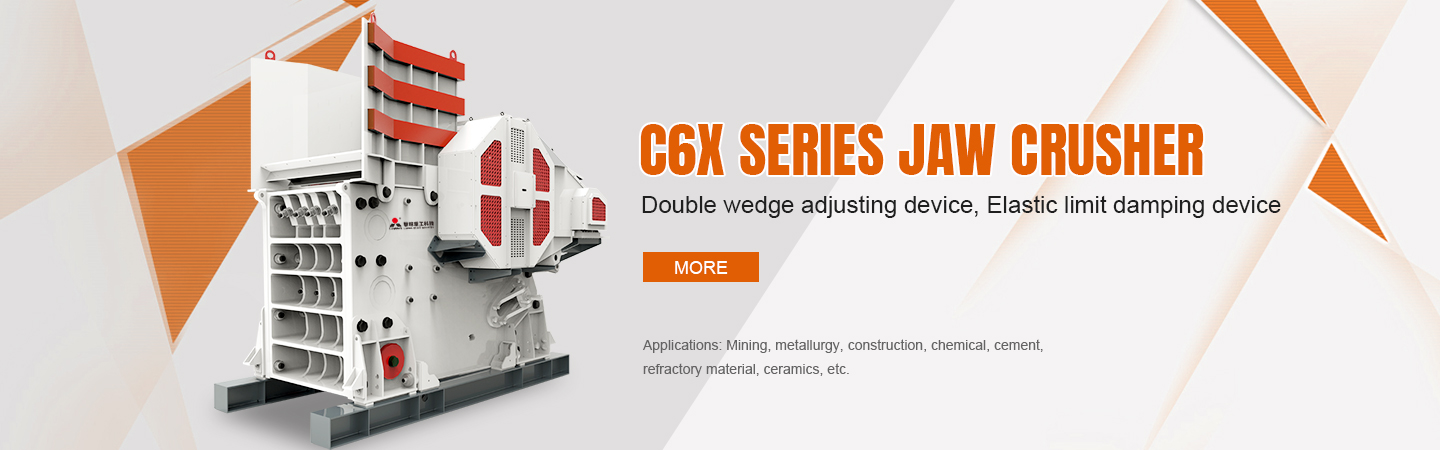
Jaw crushers serve as the primary choice for initial basalt reduction due to their robustness and ability to handle high feed sizes typical in Malaysian quarries. Designed for compressive strength, basalt—averaging 200–300 MPa—requires machinery that ensures consistent performance under abrasive conditions. Jaw crushers deliver reliable pre-crushing with minimal downtime, making them ideal for primary stages where throughput and feed variability are critical.
-
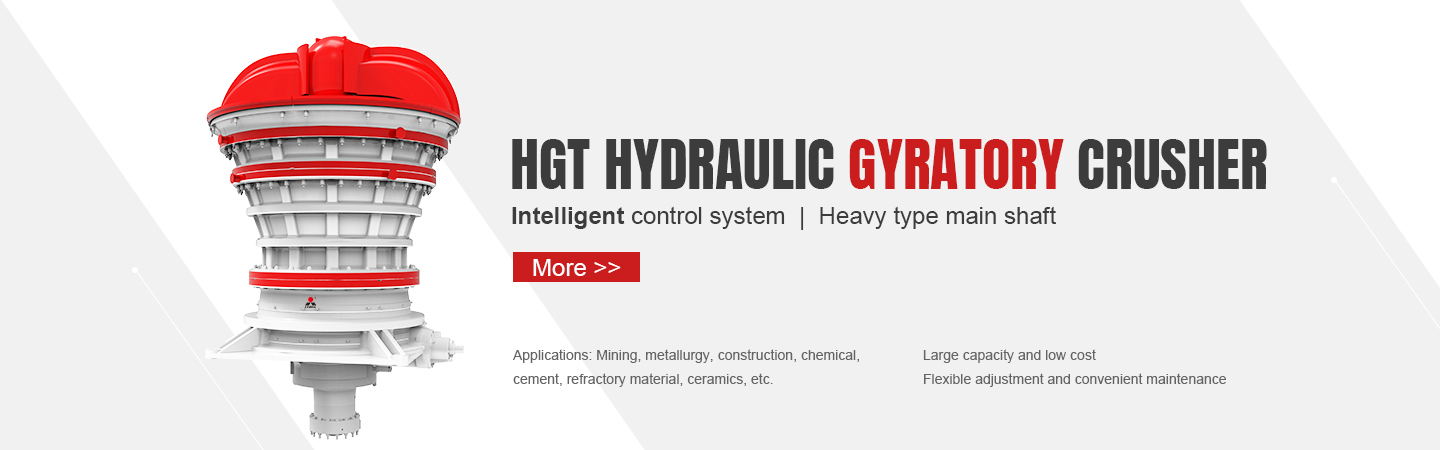
For secondary and tertiary crushing, cone crushers offer superior performance in shaping and size reduction. Their high reduction ratios and controlled output gradation align with Malaysian construction standards requiring well-graded aggregates. Modern hydraulic cone crushers provide advanced cavity optimization and automated settings adjustment, ensuring consistent product quality even with fluctuating feed characteristics. In basalt applications, multi-hydro-cylinder models minimize wear costs and maximize uptime through real-time overload protection.
-
Impact crushers, while less common in hard-rock basalt processing, are viable for selective operations requiring cubicity and lower fines. Vertical shaft impact (VSI) crushers excel in producing high-quality aggregates for premium concrete and asphalt applications, particularly in urban infrastructure projects. However, their susceptibility to wear under abrasive conditions necessitates premium-grade wear parts and strict feed control to remain cost-effective.
| Crusher Type | Best Application Stage | Advantages for Basalt | Limitations in Malaysian Context |
|---|---|---|---|
| Jaw | Primary | High reduction capacity, durability | Limited final product shaping |
| Cone | Secondary/Tertiary | Precise gradation, low wear cost | Higher initial investment |
| Impact (VSI) | Tertiary/Shaping | Excellent particle shape, low fines | High wear rate with abrasive basalt |
Selection hinges on project scale, desired output specifications, and operational cost tolerance. Large-scale quarrying operations benefit from hybrid configurations—jaw-cone combinations—ensuring efficiency and product conformity. Smaller, mobile setups may leverage compact impact solutions where transport logistics favor portability over throughput. Equipment must account for Malaysia’s tropical humidity and rainfall, favoring corrosion-resistant materials and sealed bearing systems. Ultimately, integrating wear-resistant manganese liners, optimized closed-side settings, and predictive maintenance protocols ensures longevity and sustained efficiency in basalt crushing operations.
Optimizing Crusher Plant Performance in Tropical Malaysian Conditions
- Implement proactive corrosion management through the use of stainless-steel fasteners, epoxy-coated structural components, and galvanized guarding to counter elevated humidity and frequent rainfall.
- Optimize crusher chamber design with hydrophobic liners and sealed bearing arrangements to prevent moisture ingress, reducing wear and unplanned downtime.
- Integrate fully enclosed conveyor systems with polymer skirts and sealed transfer points to mitigate material degradation and belt slippage due to damp feed conditions.
- Deploy high-capacity dewatering screens and pre-screening grizzlies to remove fines and excess moisture prior to primary crushing, improving throughput efficiency and reducing crusher overload.
- Utilize variable frequency drives (VFDs) on feeding and conveying equipment to dynamically adjust material flow in response to moisture-induced surges or blockages.
- Schedule routine maintenance during dry periods to maximize component longevity; prioritize inspection of electrical enclosures, motor cooling fins, and hydraulic systems for mold and condensation buildup.
- Employ remote monitoring systems equipped with humidity, temperature, and vibration sensors to enable predictive maintenance and real-time performance diagnostics.
- Select lubricants with high water resistance and extended service intervals, specifically formulated for tropical climates to maintain gearbox and bearing integrity.
- Design plant layout with elevated foundations and graded drainage channels to prevent water accumulation around critical infrastructure during monsoon seasons.
- Use anti-bacterial coatings on control panels and operator cabins to inhibit microbial growth in persistently humid environments.
Crusher selection should favor models with robust sealing technologies and high reduction ratios to handle the inherent variability in basalt feedstock moisture content. Jaw and cone crushers with hydraulic tramp release mechanisms are particularly advantageous, allowing uncrushable material and wet agglomerates to pass without structural damage. Closed-circuit configurations with efficient classification enhance product consistency despite fluctuating input conditions.
Training programs for local operators must emphasize rapid response to moisture-related blockages, correct lubrication protocols, and early identification of corrosion indicators. On-site spare parts inventory should include critical wear components and sealed bearings to minimize downtime during peak operational periods.
By aligning mechanical design, operational strategy, and maintenance planning with Malaysia’s tropical environmental profile, basalt crusher plants achieve sustained high efficiency, reduced lifecycle costs, and compliance with stringent construction material quality standards.
Environmental and Regulatory Compliance for Crusher Operations in Malaysia
-
Adherence to environmental and regulatory standards is a critical operational imperative for basalt crusher plants in Malaysia, where quarrying and construction activities are subject to rigorous oversight by federal and state authorities. The Department of Environment (DOE), under the Ministry of Natural Resources and Environmental Sustainability (NRES), enforces the Environmental Quality Act 1974 (EQA 1974), which governs emissions, effluent discharge, noise levels, and waste management. Crusher operations must secure an Environmental Impact Assessment (EIA) approval prior to commissioning if the project exceeds prescribed thresholds under the EIA Order 2015.
-
Air quality management is a primary concern due to dust emissions generated during crushing, screening, and material transfer. Operators must implement engineered controls such as enclosed conveyors, water sprays, and baghouse filters to comply with the National Ambient Air Quality Standards (NAAQS), particularly for PM10 and PM2.5. Regular ambient air monitoring and dust suppression audits are mandatory components of environmental compliance programs.
-
Noise pollution, regulated under the Environmental Quality (Noise) Regulations 2019, necessitates baseline noise studies and ongoing monitoring. Crushers and associated equipment must be acoustically insulated or operated within stipulated decibel limits, especially in proximity to residential zones.
-
Hydrological impacts are mitigated through silt fences, sedimentation ponds, and runoff control systems to prevent contamination of watercourses. Discharge of process water must conform to the Environmental Quality (Scheduled Wastes) Regulations 2005 and requires approval under the Environmental Quality (Prescribed Premises) (Crusher Plants) Regulations 2022.
-
Land use and rehabilitation obligations are enforced through quarry lease agreements administered by state mining departments. Operators must submit a Mine Closure and Rehabilitation Plan (MCRP) outlining progressive reclamation, topsoil conservation, and post-operational land use. Failure to comply may result in suspension of operating licenses or financial penalties.
-
Continuous compliance is ensured through environmental management systems (EMS) aligned with MS ISO 14001 standards, mandatory annual environmental audits, and real-time reporting to regulatory agencies. Integration of compliance protocols into operational planning ensures sustainable quarrying while supporting Malaysia’s broader environmental sustainability goals.
Frequently Asked Questions
What is a basalt crusher plant and why is it critical for Malaysia’s construction industry?
A basalt crusher plant is a specialized processing facility designed to crush hard basalt rock into aggregate sizes suitable for road construction, building materials, and infrastructure projects. In Malaysia, where rapid urbanization and highway development are ongoing, basalt aggregates provide high strength and durability. A properly engineered crusher plant ensures consistent product quality, reduces operational costs, and meets stringent local construction standards, making it indispensable for large-scale public and private developments.

What are the key components of a basalt crusher plant setup in tropical climates like Malaysia?
In Malaysia’s humid, high-rainfall environment, a basalt crusher plant must include corrosion-resistant materials, elevated foundations to prevent flood damage, and robust dust suppression systems due to regulatory requirements. Key components include a primary jaw crusher, secondary cone or impact crusher, vibrating feeders, screening units, conveyor systems, and centralized control panels with IoT integration for remote monitoring. Water management and anti-corrosion coatings are essential for long-term reliability.
How does basalt hardness affect crusher selection in Malaysia?
Basalt has a Mohs hardness of 5–6 and compressive strength exceeding 300 MPa, requiring crushers engineered for high abrasion resistance. In Malaysia, operators typically use jaw crushers for primary crushing due to their robustness, followed by multi-cylinder hydraulic cone crushers for secondary and tertiary stages. These provide better particle shape and higher reduction ratios essential for producing premium aggregates compliant with JKR (JKR R5) and CIDB specifications.
What environmental regulations must a basalt crusher plant comply with in Malaysia?
Malaysian crusher plants must adhere to Department of Environment (DOE) guidelines under the Environmental Quality Act 1974. Key requirements include EIA (Environmental Impact Assessment) approval, noise levels below 75 dBA at site boundaries, dust emissions controlled to less than 150 µg/m³, and proper stormwater management under MS ISO 14001 standards. Operators must also implement EHSMS (Environmental, Health, and Safety Management Systems) and conduct quarterly environmental audits.
How can modular crusher plant designs benefit operations in remote Malaysian regions?
Modular basalt crusher plants offer rapid deployment, easier transportation via standard flatbed trucks, and scalability—ideal for East Malaysian states like Sabah and Sarawak with limited infrastructure access. These pre-engineered, containerized units reduce installation time by up to 60%, feature plug-and-play electrical systems, and can be relocated with minimal downtime. For remote mining or infrastructure zones, modular solutions enhance operational agility while meeting Jabatan Keselamatan dan Kesihatan Pekerjaan (DHKK) compliance.
What maintenance practices optimize uptime in Malaysian basalt crusher operations?
To maximize plant availability, operators should implement predictive maintenance schedules using vibration analysis, thermal imaging, and oil debris monitoring. Lubrication intervals for bearings and sealing systems must align with manufacturer specs under tropical temperatures. Daily inspections for wear parts—especially mantle, concave, and jaw plates—are critical. Integrating CMMS (Computerized Maintenance Management Systems) with GPS-enabled service alerts improves response time and parts logistics across distributed sites.
What are the power supply options for a basalt crusher plant in off-grid Malaysian locations?
In off-grid areas, crusher plants can be powered by heavy-fuel-oil (HFO) generators, dual-fuel diesel-gas systems, or hybrid solar-diesel setups. For sustainable operations, several Malaysian contractors are adopting containerized solar farms (50–200 kW) with battery storage to run control systems, reducing diesel consumption by 30–50%. Grid-tied plants must comply with SEDA Malaysia’s guidelines and may leverage PPAs for renewable energy integration.
How does aggregate specification differ for Malaysian highway versus building projects?
For Malaysian expressways under JKR R5 standards, basalt aggregates must achieve a Los Angeles Abrasion value ≤30% and aggregate impact value (AIV) ≤21%. Particle shape (flakiness index <15%) is critical for asphaltic concrete. In contrast, building projects using structural concrete (to MS 30: Part 2) allow slightly higher AIV (≤30%) but require strict chloride content limits (<0.01%) to prevent reinforcement corrosion—especially near coastal areas like Penang or Johor.
What safety protocols are mandatory for crusher plant operations in Malaysia?
Crusher plants must comply with the Factories and Machinery Act 1967 and DHKK regulations, including mandatory machine guarding, lockout-tagout (LOTO) procedures, and confined space entry permits. Operators require certification in CP30 lifting and OSHA Malaysia training. Advanced systems now use RFID-based personnel tracking and AI-powered CCTV for real-time hazard detection, ensuring full traceability during DOSH audits.
Can basalt crusher plants integrate AI for predictive operations in Malaysia?
Yes, leading plants in Malaysia are deploying AI-driven analytics for throughput optimization, wear prediction, and failure diagnostics. Systems like Siemens MindSphere or proprietary SCADA with machine learning algorithms analyze crusher load, power draw, and vibration patterns to preempt downtime. AI integration also supports predictive stockpile management, aligning production with MYR-pegged project schedules and reducing idle time by up to 22%.
What is the typical ROI timeline for establishing a basalt crusher plant in Malaysia?
A medium-scale basalt crusher plant (150–200 tph) requires an initial investment of RM 8–15 million. With aggregate demand driven by MRT3, ECRL, and Pan Borneo Highway projects, ROI typically occurs within 3–4 years. Profitability is enhanced by vertical integration—supplying directly to ready-mix and asphalt plants—and leveraging government incentives under MIDA’s machinery allowance scheme.
How do logistics and quarry proximity impact crusher plant efficiency in Malaysia?
Proximity to basalt quarries reduces haulage costs and carbon footprint, crucial in peninsular states like Perak or Pahang with fragmented road networks. Optimized logistics use GPS-tracked trucks with weighbridge integration at plant entry, ensuring payload accuracy. For export-oriented plants in Kuantan or Bintulu, integrating with port infrastructure enables direct shipment to Singapore or Indonesia, improving margin by 15–20%.