

Table of Contents
- Why River Pebble Sand Making Machines Are Vital for Kyrgyzstan’s Construction Boom
- How River Pebbles Are Transformed into Premium Construction Sand in Central Asia
- Top Features to Look for in a Sand Making Machine for Kyrgyzstan’s Terrain and Climate
- Support, Installation, and Maintenance of Sand Making Equipment in Remote Regions
- Cost-Benefit Analysis: ROI of Investing in Local Sand Production for Kyrgyz Contractors
- Frequently Asked Questions
- What is a river pebble sand making machine and how does it work?
- Why is a VSI crusher preferred for processing river pebbles in Kyrgyzstan?
- How do you select the right sand making machine capacity for Kyrgyzstan’s market?
- What are the critical wear parts in a river pebble sand making machine and how to extend their life?
- Can river pebble sand meet Kyrgyz construction standards for concrete and masonry?
- What power and infrastructure requirements are needed for operation in rural Kyrgyzstan?
- How does climate in Kyrgyzstan affect sand making machine performance?
- What maintenance protocols ensure maximum uptime in Kyrgyz conditions?
- Is mobile or stationary sand making better for Kyrgyzstan’s geography?
- How can operators ensure sand quality consistency in variable pebble feed?
- What environmental regulations apply to sand making operations in Kyrgyzstan?
- Are there government incentives for local sand production in Kyrgyzstan?
Nestled amidst the rugged landscapes of Central Asia, Kyrgyzstan is experiencing a surge in infrastructure development, driving unprecedented demand for high-quality construction aggregates. As urbanization accelerates and transportation networks expand, the need for reliable, efficient sand production solutions has never been more critical. River pebble sand making machines have emerged as a transformative force in this evolving sector, offering a sustainable and cost-effective method of transforming naturally abundant river pebbles into premium construction sand. Designed for durability and optimized for performance in challenging environments, these advanced machines deliver consistent gradation, superior particle shape, and high throughput—essential attributes for modern concrete and asphalt applications. With energy efficiency, low maintenance, and adaptability to local geological conditions, river pebble sand making technology is empowering Kyrgyz producers to meet stringent industry standards while maximizing resource utilization. This article explores how cutting-edge sand making solutions are revolutionizing aggregate production across Kyrgyzstan, paving the way for smarter, more sustainable construction practices in a nation on the rise.
Why River Pebble Sand Making Machines Are Vital for Kyrgyzstan’s Construction Boom
-
River pebble sand making machines are pivotal to Kyrgyzstan’s construction sector, where rapid urbanization and infrastructure development are driving unprecedented demand for high-quality construction aggregates. With abundant river pebble resources in riverbeds across the country—particularly in the Naryn, Chuy, and Talas basins—locally sourced raw material provides a sustainable foundation for aggregate production. However, natural river pebbles require precise processing to meet modern construction standards, a role efficiently fulfilled by advanced sand making machines.
-
These machines transform coarse river pebbles into uniformly graded, cubically shaped fine aggregates essential for high-strength concrete, road bases, and precast elements. Unlike traditional quarrying methods, which are environmentally disruptive and geologically limited in Kyrgyzstan, river pebble processing leverages existing alluvial deposits with minimal ecological impact. This aligns with national sustainability goals while reducing dependency on imported sand, which often suffers from inconsistent quality and high transportation costs.
-
The arid climate and seismic activity in Kyrgyzstan demand construction materials with superior durability and bonding capacity. Sand produced by vertical shaft impact (VSI) crushers—core components of river pebble sand making systems—offers optimal particle shape, controlled gradation, and reduced flakiness. Such characteristics enhance the structural integrity of buildings and infrastructure, critical in earthquake-prone regions.
-
Furthermore, modern sand making machines offer high throughput with low operational costs, making them economically viable for medium and large-scale producers. Integrated screening and washing systems ensure compliance with GOST and international standards, facilitating access to both domestic and regional markets. Modular designs allow for deployment in remote or mountainous areas, where infrastructure projects are often located.
-
As Kyrgyzstan advances its national development agenda—including housing programs, road networks, and hydroelectric projects—reliable, localized aggregate supply becomes strategic. River pebble sand making machines not only ensure material consistency and performance but also foster energy-efficient, environmentally responsible production. Their integration into Kyrgyzstan’s construction value chain is not merely beneficial—it is essential for scalable, resilient growth.
How River Pebbles Are Transformed into Premium Construction Sand in Central Asia
-
River pebbles, abundant in Central Asia’s riverbeds, serve as a high-silica, durable raw material ideal for premium construction sand production. In Kyrgyzstan, where infrastructure development demands reliable aggregates, transforming these naturally rounded stones into engineered sand requires a systematic, mechanized approach leveraging advanced crushing and shaping technologies.
-
The transformation begins with the extraction and preliminary screening of river pebbles to remove clay, silt, and organic contaminants. This ensures feed material consistency and protects downstream equipment. Pebbles are then fed into primary jaw crushers for coarse reduction, breaking down boulders into manageable sizes—typically under 100 mm—for further processing.
-
Secondary crushing employs impact or cone crushers to achieve intermediate granular refinement. However, the critical phase lies in tertiary processing, where vertical shaft impact (VSI) crushers apply high-speed rotor dynamics to fracture pebbles along natural stress lines. This imparts the cubical particle shape, controlled gradation, and surface texture required for high-strength concrete and mortar applications.
-
Post-crushing, the material undergoes multi-stage screening and air/water classification to segregate fine sand fractions (0.075–4.75 mm) from oversize particles. Advanced sand washing units remove residual fines and dust, elevating the fineness modulus to meet GOST and international standards (e.g., ASTM C33). The resulting manufactured sand exhibits superior angularity, bond strength, and packing density compared to natural sand, minimizing void content in concrete mixes.
-
Dust management and water recycling systems are integral to sustainable operations in Kyrgyzstan’s arid and ecologically sensitive regions. Closed-loop water circuits reduce consumption by up to 90%, while baghouse collectors capture fine particulates, ensuring compliance with environmental regulations.
-
Automation systems monitor feed rate, crusher parameters, and product gradation in real time, enabling consistent quality and minimal operator intervention. The final product—uniform, well-graded, and free of deleterious materials—is stockpiled for use in residential, commercial, and civil engineering projects across Central Asia.
-
This mechanized transformation not only addresses the shortage of natural sand but also enhances construction material performance, supporting Kyrgyzstan’s transition to modern, durable infrastructure.
Top Features to Look for in a Sand Making Machine for Kyrgyzstan’s Terrain and Climate
-
Robust Wear Protection: Kyrgyzstan’s mountainous terrain yields river pebbles with high silica content, necessitating sand making machines equipped with advanced wear-resistant materials such as high-chromium alloy liners and blow bars. Look for models with modular, replaceable wear components to minimize downtime and reduce long-term maintenance costs in remote regions.
-
Adaptive Feed Handling: Given the variability in river pebble size and moisture content—especially in seasonal climates—opt for machines with a broad feed size tolerance (up to 50 mm) and non-clogging rotor designs. This ensures uninterrupted operation during spring snowmelt or post-rain periods when feedstock may carry residual moisture.
-
Cold Climate Resilience: With winter temperatures frequently dropping below -20°C in high-altitude zones, hydraulic and lubrication systems must function reliably under extreme cold. Select units with enclosed, heated lubrication circuits, cold-start capabilities, and thermally insulated bearing housings to prevent oil thickening and mechanical failure.
-
High Reduction Ratio & Cubical Output: For construction-grade aggregate, particle shape is critical. Machines should deliver a reduction ratio of at least 1:8 and produce sand with a cubicity index >0.8. This ensures superior compaction and bond strength in concrete—essential for infrastructure resilience in seismically active regions like Kyrgyzstan.
-
Energy Efficiency with Variable Speed Drive: Power supply can be inconsistent in rural or high-altitude areas. A variable frequency drive (VFD) allows motor speed adjustment based on load, reducing peak power demand and protecting against voltage fluctuations while optimizing energy consumption.
-
Dust Suppression Integration: Arid summer conditions increase airborne particulate during processing. Machines should support integrated dust collection—either via enclosed chutes with filter units or direct connection to wet suppression systems—to comply with environmental standards and protect operator health.
-
Remote Monitoring Capability: Given logistical challenges in accessing remote quarry sites, real-time performance monitoring via IoT-enabled sensors is a strategic advantage. Look for systems offering remote diagnostics, vibration analysis, and wear-level tracking to enable predictive maintenance.
-
Modular and Mobile Configurations: For projects across Kyrgyzstan’s rugged landscape, mobility is key. Consider trailer-mounted or skid-mounted sand making units that allow rapid deployment and relocation, reducing transport costs of raw material and finished product.
Support, Installation, and Maintenance of Sand Making Equipment in Remote Regions
-
Remote deployment of sand making equipment in Kyrgyzstan’s rugged terrain demands a structured support, installation, and maintenance framework to ensure uninterrupted operation and maximum uptime. Given the geographic isolation and limited local technical infrastructure, pre-installation planning is critical. Equipment must be modular, pre-tested, and designed for rapid field assembly with minimal specialized tools.
-
Installation in remote regions requires a phased approach: site assessment, foundation preparation, component delivery, and commissioning. A qualified technical team must conduct on-site surveys to verify access routes, power availability, and foundation stability. Given Kyrgyzstan’s mountainous topography and seasonal weather constraints, all logistics should be scheduled during accessible months. Equipment components should be shipped in weather-resistant, transport-optimized containers to mitigate damage during off-road transit.

-
Commissioning includes mechanical alignment, electrical integration, and control system calibration. Remote commissioning support via satellite-connected diagnostics can mitigate delays caused by limited on-ground expertise. Real-time data monitoring systems should be installed to enable predictive maintenance and remote troubleshooting.
-
Maintenance protocols must be proactive. A localized spare parts inventory—stored at regional hubs—is essential to reduce equipment downtime. Critical components such as impellers, bearings, and liners should be stocked based on failure rate analysis and supply lead times. Preventive maintenance schedules, aligned with local operating conditions (e.g., dust levels, ambient temperature), must be rigorously enforced.
-
Training local technicians is paramount. Comprehensive on-site programs covering mechanical inspection, lubrication cycles, vibration analysis, and emergency shutdown procedures ensure operational continuity. Training should include digital diagnostics using tablet-based manuals and augmented-reality support tools linked to the OEM’s technical center.
-
OEM-backed remote technical support, accessible via satellite or mobile networks, ensures rapid response. Cloud-based equipment health dashboards allow for continuous performance tracking and early fault detection. Scheduled maintenance visits by regional service engineers should complement day-to-day local oversight.
-
Environmental conditions—high altitude, temperature extremes, and abrasive feed material—must inform equipment specifications and maintenance intervals. Sand making machines deployed in Kyrgyzstan should feature sealed bearings, enhanced cooling systems, and dust-resistant electrical enclosures to ensure reliability under harsh operating conditions.
Cost-Benefit Analysis: ROI of Investing in Local Sand Production for Kyrgyz Contractors
- High upfront equipment costs are offset by long-term savings in material procurement and transportation.
- Local sand production reduces dependency on imported or distant aggregate sources, minimizing freight expenses and supply chain volatility.
- River pebble sand making machines offer >90% operational efficiency with low maintenance, ensuring consistent output and reduced downtime.
- Processed river pebble sand meets Kyrgyz and international standards for fine aggregate (e.g., GOST, ASTM C33), enabling direct use in concrete and masonry applications.
- Local production avoids customs duties and import tariffs on foreign sand, preserving working capital for contractors.
The financial case for investing in localized sand production is reinforced by escalating demand in Kyrgyzstan’s construction sector. Urban development projects in Bishkek, Osh, and regional centers require millions of cubic meters of quality sand annually. Sourcing from distant quarries or neighboring countries increases lead times and costs by 30–50%. In contrast, setting up a river pebble sand making line near riverbeds in Naryn or Chüy enables contractors to produce 50–100 tons per hour at a production cost of $5–7/ton—nearly half the delivered cost of imported material.
| Cost Factor | Local Production | Imported/Long-Haul Sand |
|---|---|---|
| Raw Material | Free (river pebbles) | $8–12/ton (quarried sand) |
| Transportation | <$1/ton (local) | $10–15/ton (long-distance) |
| Production Cost | $5–7/ton | N/A (material only) |
| Total Delivered Cost | $6–8/ton | $18–27/ton |
| Availability | On-demand, 300+ days/year | Subject to logistics, season |
Return on investment typically occurs within 8–14 months for medium-scale operations processing 300,000 tons annually. Beyond direct savings, contractors gain competitive advantage through supply reliability, improved bid accuracy, and reduced project delays. Environmental compliance is also enhanced—localized production minimizes over-extraction from ecologically sensitive zones when managed under regulated extraction protocols.
Moreover, residual value of machinery after 7–10 years exceeds 30% of initial investment, further improving lifecycle ROI. For Kyrgyz contractors navigating material scarcity and cost inflation, vertical integration into sand production is not merely operational optimization—it is strategic financial leverage.
Frequently Asked Questions
What is a river pebble sand making machine and how does it work?
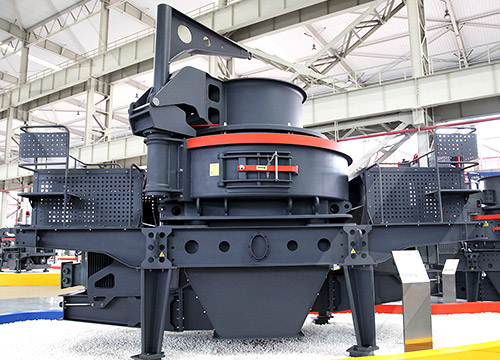
A river pebble sand making machine, commonly known as a vertical shaft impact crusher (VSI), processes hard river pebbles into high-quality construction sand. It operates by accelerating stone materials via a high-speed rotor, causing particles to collide with each other or a fixed surface, resulting in cubic-shaped sand with excellent grain shape, strength, and low flakiness—ideal for concrete and building applications in Kyrgyzstan’s infrastructure projects.
Why is a VSI crusher preferred for processing river pebbles in Kyrgyzstan?
VSI crushers are ideal for river pebbles due to their high abrasion resistance and ability to handle hard siliceous materials (SiO2 content up to 70%). Their autogenous crushing mechanism preserves grain integrity, reduces wear, and produces consistent M-sand (mechanical sand) that meets Kyrgyz GOST standards for construction aggregates, addressing sand scarcity in remote regions.
How do you select the right sand making machine capacity for Kyrgyzstan’s market?
Select based on project scale and local demand. Small to medium setups (50–100 TPH) suit regional contractors; large operations (200+ TPH) require integrated VSI + screening + washing lines. Consider Kyrgyzstan’s fragmented terrain—modular, mobile plants offer flexibility for mountainous or remote sites with limited road access.
What are the critical wear parts in a river pebble sand making machine and how to extend their life?
Key wear parts include the impeller (rotor), rock liners, and feed tubes. Use high-chromium cast iron or tungsten carbide components, and ensure proper feed gradation (35–50 mm input) to reduce impact stress. In Kyrgyzstan’s dusty environments, pre-screening and regular lubrication prevent premature wear and machine downtime.
Can river pebble sand meet Kyrgyz construction standards for concrete and masonry?
Yes, properly processed river pebble sand complies with Kyrgyz construction norms (ST RK 1399–2005) when fineness modulus is 2.6–3.0, silt content <3%, and particle shape is cubical. VSI-produced sand enhances concrete strength by 15–20% versus natural sand, crucial for earthquake-resilient buildings in seismic Zone IX areas.
What power and infrastructure requirements are needed for operation in rural Kyrgyzstan?
VSI plants require 200–630 kW motors depending on capacity. In off-grid regions, diesel-powered or hybrid (grid + generator) setups are practical. Water availability for washing systems is critical—dry processing modes with air classifiers are alternatives in water-scarce mountainous zones like Naryn.
How does climate in Kyrgyzstan affect sand making machine performance?
Harsh winters (down to -30°C) demand cold-resistant lubricants, enclosed rotor housings, and heating systems for lubrication units. Dust control becomes critical during dry, windy summers—install cyclones or bag filters compliant with Kyrgyz environmental regulations (Law on Atmospheric Protection).
What maintenance protocols ensure maximum uptime in Kyrgyz conditions?
Implement predictive maintenance: monthly vibration analysis, daily visual inspections for cracks, bimonthly replacement of wearing liners. Store spare rotors and bearings locally due to long import lead times. Use remote monitoring systems with SMS alerts to detect imbalances early in isolated quarry sites.
Is mobile or stationary sand making better for Kyrgyzstan’s geography?
Mobile VSI plants are superior for Kyrgyzstan’s rugged landscape, allowing relocation across riverbeds or construction sites without civil works. Wheeled or tracked units reduce logistical costs and bypass poor road infrastructure, ideal for temporary contracts in regions like Osh or Batken.
How can operators ensure sand quality consistency in variable pebble feed?
Integrate real-time online particle analyzers and closed-loop feedback systems to adjust rotor speed and feed rate automatically. Combine VSI with air classifiers to maintain consistent gradation (0.075–4.75 mm) and meet ST RK 1248–2002 specifications regardless of raw material variability.
What environmental regulations apply to sand making operations in Kyrgyzstan?
Operators must comply with ST RK ISO 14001:2015-based environmental management systems. Dust emissions must stay below 1 mg/m³, and wastewater must be recycled via settling ponds. Environmental impact assessments (EIA) are mandatory for new setups under the Ministry of Natural Resources and Ecology guidelines.
Are there government incentives for local sand production in Kyrgyzstan?
Yes. The Kyrgyz government promotes local material production via tax exemptions (under the Investment Code) and reduced import duties on mining machinery (HS 8474). Projects creating rural jobs or replacing imported sand are prioritized for state infrastructure tenders.