
Table of Contents
- Why River Pebble Sand Making Equipment Is in High Demand Across Kenya
- How Modern Sand Crushers Transform River Pebbles into Premium Construction Aggregates
- Key Features to Look for in Efficient River Pebble Processing Machines
- Cost-Effective Sand Production Strategies for Kenyan Quarry and Aggregate Businesses
- Leading Equipment Suppliers and Local Support Networks for Sand Making in Kenya
- Frequently Asked Questions
- What is river pebble sand making equipment and how is it used in Kenya?
- Why choose river pebbles for sand production in Kenya?
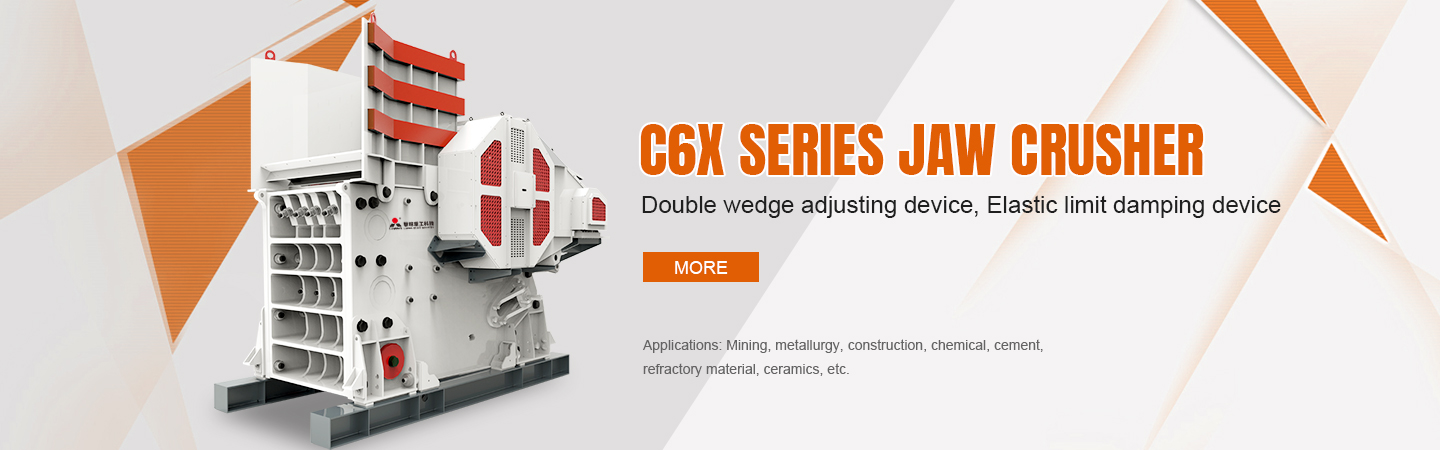
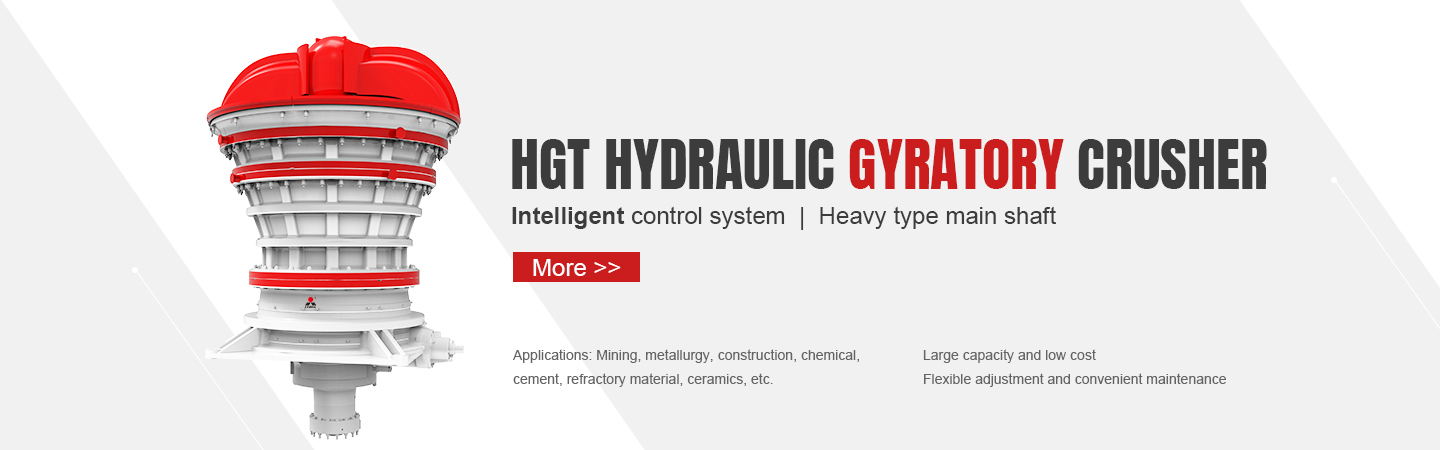
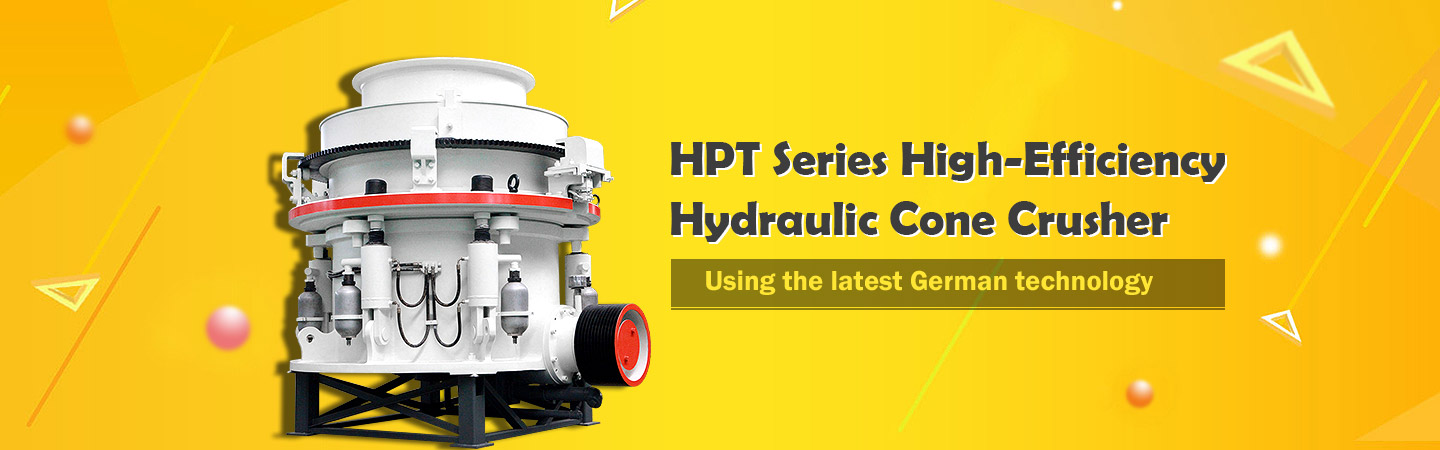
- What types of crushers are most effective for river pebble sand making?
- How does sand making from river pebbles compare to natural river sand?
- What capacity options are available for river pebble sand making lines in Kenya?
- How can dust generation be controlled in river pebble sand plants?
- What maintenance practices ensure longevity of sand making equipment?
- Are river pebble sand making plants environmentally compliant in Kenya?
- How does moisture content affect sand quality from river pebbles?
- What power supply considerations are needed for sand making equipment in Kenya?
- Can sand making plants be mobile for remote Kenyan sites?
- What are the ROI expectations for investing in river pebble sand making equipment in Kenya?
Kenya’s construction sector is surging, driven by ambitious infrastructure projects and rapid urbanization, creating unprecedented demand for high-quality construction sand. Amid growing environmental concerns over illegal sand harvesting from rivers and coastlines, sustainable alternatives have become imperative. River pebble sand making equipment is emerging as a game-changing solution, transforming naturally abundant pebbles into premium manufactured sand that meets strict engineering standards. Advanced crushing and screening technologies now enable local producers to deliver consistent, durable aggregates essential for modern concrete and masonry applications. These innovative systems offer not only superior grain shape and strength but also reduced environmental impact, aligning with Kenya’s push for greener development. From compact mobile units to large-scale processing plants, the latest sand making equipment is tailored to suit diverse operational needs across Kenya’s dynamic landscape. As the nation builds toward a resilient future, investing in efficient, reliable river pebble sand making solutions is proving essential for sustainable growth and long-term industry success.
Why River Pebble Sand Making Equipment Is in High Demand Across Kenya
-
Kenya’s construction sector is undergoing unprecedented expansion, driven by urbanization, infrastructure development, and government-backed housing initiatives. This growth has intensified the demand for high-quality construction sand, positioning river pebble sand making equipment as a critical solution in the supply chain.
-
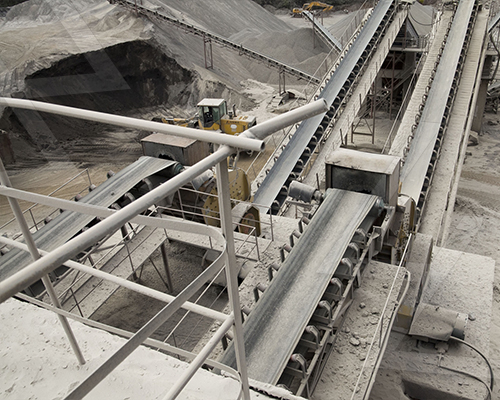
Natural river sand, historically the primary source of fine aggregate, is becoming increasingly scarce due to environmental regulations and over-extraction. This scarcity has led to supply instability and rising prices, compelling contractors and producers to seek sustainable alternatives. River pebble sand making equipment offers a reliable, engineered method to produce construction-grade sand from abundant pebble deposits, mitigating supply risks.
-
The processed sand derived from river pebbles exhibits superior properties—consistent gradation, optimal particle shape, and low impurity levels—making it ideal for high-strength concrete, precast elements, and mortar applications. These attributes align with Kenya’s evolving construction standards, where durability and compliance with KEBS specifications are non-negotiable.
-
Modern river pebble crushing and sand making systems integrate advanced VSI (Vertical Shaft Impact) technology, enabling efficient transformation of raw pebbles into cubical, well-graded sand with minimal waste. Such systems are energy-efficient, scalable, and designed for Kenya’s operational conditions, including variable power supply and remote site deployment.
-
Investment in localized sand production also supports Kenya’s economic goals by reducing reliance on imported materials, creating skilled jobs, and promoting backward integration in the construction value chain. Forward-thinking aggregates producers are capitalizing on this shift, deploying modular sand plants near urban centers and major infrastructure corridors.

-
Environmental sustainability further amplifies demand. Unlike unregulated sand mining, controlled processing of river pebbles minimizes ecological disruption and complies with NEMA guidelines. This regulatory alignment is increasingly decisive in project approvals and public-private partnerships.
-
As Kenya advances its Vision 2030 and National Development Strategy objectives, the integration of river pebble sand making equipment is not merely a commercial trend but a strategic necessity for resilient, scalable, and sustainable construction material supply.
How Modern Sand Crushers Transform River Pebbles into Premium Construction Aggregates
-
Modern sand crushers have redefined the transformation of river pebbles into premium construction aggregates, particularly in high-demand markets such as Kenya’s rapidly expanding infrastructure sector. River pebbles, abundant in Kenya’s riverbeds, possess ideal mineralogical stability and low impurity content, but require precise mechanical processing to meet stringent construction specifications.
-
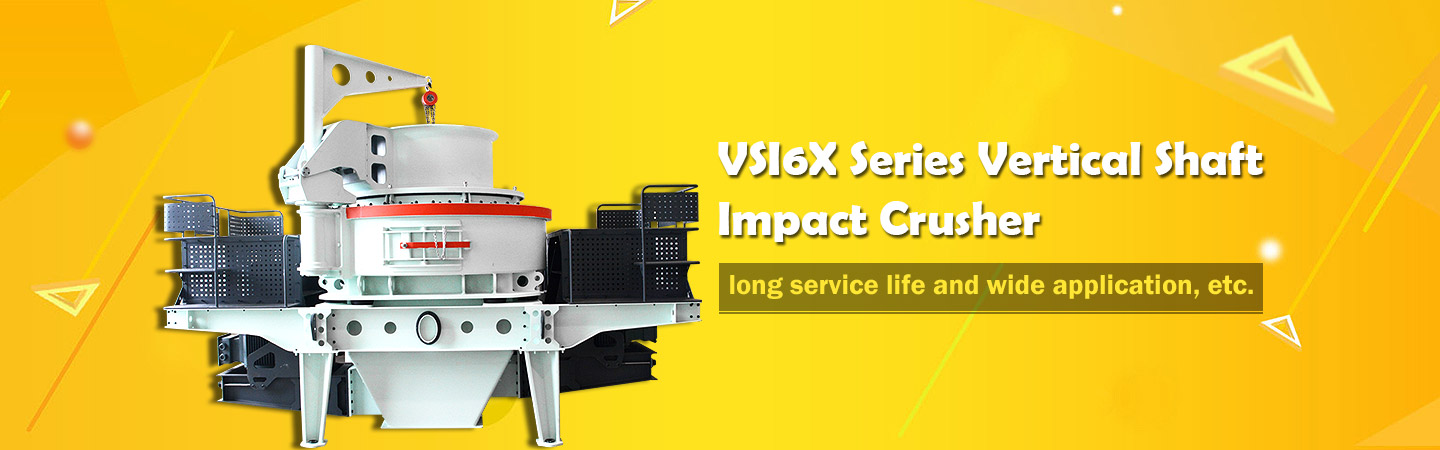
Advanced vertical shaft impact (VSI) crushers stand at the forefront of this transformation. Utilizing a rock-on-rock or rock-on-anvil crushing principle, VSI crushers impart high-velocity impact forces that fracture river pebbles along natural fissures, producing cubically shaped aggregates with superior particle morphology. This cubical shape enhances packing density and interlock in concrete and asphalt mixes, directly improving structural integrity and reducing void content.
-
Closed-circuit configurations, integrating crushers with multi-deck screening systems and air classification units, ensure precise gradation control. These systems efficiently segregate output into market-specific fractions—ranging from coarse 10–20 mm down to fine 0–5 mm sand—meeting Kenya Bureau of Standards (KEBS) requirements for use in high-performance concrete, road base layers, and precast applications.
-
Automation and real-time monitoring further elevate operational precision. Modern plants employ programmable logic controllers (PLC) to regulate feed rates, rotor speed, and chamber pressure, optimizing throughput while minimizing wear and energy consumption. This level of control ensures consistent aggregate quality essential for large-scale construction projects, including highways, bridges, and urban housing developments.
-
The transformation process also addresses sustainability. Efficient water recycling systems and dust suppression technologies reduce environmental impact, aligning with Kenya’s growing emphasis on eco-conscious construction practices.
-
Importantly, the integration of mobile and modular crushing units allows deployment in remote quarrying areas, reducing transportation costs and enabling decentralized production. This flexibility supports localized supply chains critical for Kenya’s ongoing construction boom.
-
The result is a reliable stream of high-quality, specification-compliant aggregates that outperform traditional naturally graded sands in durability, consistency, and performance—proving that technological advancement in sand crushing is not merely an operational upgrade, but a strategic enabler of infrastructure excellence.
Key Features to Look for in Efficient River Pebble Processing Machines
-
High Crushing Efficiency with Low Energy Consumption
Efficient river pebble processing machines must deliver optimal throughput while minimizing power usage. Given the hardness of river pebbles (typically 6–7 on the Mohs scale), equipment incorporating advanced rotor design and high-energy impact crushing—such as vertical shaft impact (VSI) crushers—is essential. These machines achieve cubical particle shaping with reduced fines, directly enhancing the quality of manufactured sand for concrete applications. -
Wear-Resistant Liners and Components
Due to the abrasive nature of river pebbles, prolonged operation demands robust wear protection. Processing units should feature high-chrome alloy or composite wear liners in critical areas such as impact plates, blow bars, and crushing chambers. Quick-change modular designs reduce downtime during liner replacement, ensuring continuous production in high-demand environments. -
Closed-Loop Feedback and Automation Systems
Advanced control systems with real-time monitoring of feed rate, motor load, and vibration levels enhance operational stability. Automated adjustment of crusher settings based on material feedback ensures consistent output gradation, minimizing human error and optimizing production efficiency. -
Modular and Scalable Configuration
Given the variable scale of construction projects across Kenya, flexibility in plant configuration is critical. Mobile or semi-mobile units with modular crushing, screening, and washing stages allow rapid deployment and reconfiguration based on project needs. This adaptability supports both large infrastructure developments and localized site-specific operations. -
Integrated Dust and Slurry Management
Compliance with environmental standards requires effective dust suppression and water recycling systems. Efficient sand screws or hydrocyclones paired with dewatering units reduce water consumption and recover fine sand, minimizing waste. Enclosed transfer points and misting systems further mitigate airborne particulates. -
Proven Performance in Similar Geologies
Select equipment with documented success in processing silica-rich, hard feedstocks under tropical or semi-arid conditions. Regional case studies from East Africa provide valuable benchmarks for reliability, maintenance frequency, and uptime in Kenya’s growing construction sector.
Ultimately, the integration of mechanical robustness, intelligent control, and environmental compliance defines efficiency in river pebble sand production—directly supporting Kenya’s demand for high-grade aggregate in sustainable construction.
Cost-Effective Sand Production Strategies for Kenyan Quarry and Aggregate Businesses
-
Implement closed-circuit crushing systems to minimize material loss and optimize grain size distribution, ensuring higher yields from raw river pebbles. By integrating vibrating screens and conveyors with vertical shaft impact (VSI) crushers, Kenyan operators can achieve consistent sand gradation while reducing reprocessing needs.
-
Prioritize equipment with low energy consumption and high throughput, such as hybrid VSI crushers equipped with hydrodynamic lubrication. These machines reduce maintenance intervals and power demands—critical in regions with intermittent grid access and high electricity costs.
-
Source wear parts locally where possible or establish bulk procurement agreements with suppliers in Mombasa or Nairobi to reduce downtime and import costs. Standardizing crusher components across operations enhances spare part availability and technician familiarity, lowering lifecycle expenses.
-
Conduct regular petrographic analysis of river pebbles to adapt crushing parameters dynamically. Variability in quartzite and basalt composition affects crusher wear and energy use; adjusting rotor speed and feed rate based on material hardness improves efficiency and extends liner life.
-
Deploy modular, mobile sand-making units for remote or short-term projects. These units reduce civil works and installation costs, enable rapid deployment, and allow relocation as project demands shift—ideal for Kenya’s expanding infrastructure corridors.
| Strategy | Key Benefit | Implementation Tip |
|---|---|---|
| Closed-circuit processing | 15–20% increase in usable sand yield | Use automated screen monitoring to maintain optimal cut points |
| Energy-efficient VSI models | 25–30% lower power per ton | Pair with variable frequency drives (VFDs) for load matching |
| Localized maintenance networks | 40% faster turnaround on repairs | Train in-house technicians with OEM certification programs |
| Feed material analysis | Reduced liner wear, optimized settings | Test feedstock weekly; adjust crusher settings accordingly |
| Mobile modular plants | Lower capital and operational overhead | Lease units during peak demand periods to manage cash flow |
-
Train operational staff in preventive maintenance and real-time performance monitoring. Empowering site teams to detect early signs of wear or inefficiency reduces unplanned stoppages and preserves equipment longevity.
-
Leverage digital monitoring platforms with IoT-enabled sensors to track crusher performance, vibration patterns, and energy draw. Real-time analytics enable predictive maintenance, reducing repair costs by up to 35% over time.
Adopting these strategies enables Kenyan aggregate producers to achieve sustainable sand production margins while meeting the quality standards required by modern construction projects.
Leading Equipment Suppliers and Local Support Networks for Sand Making in Kenya
-
Sand making equipment supply in Kenya has evolved rapidly to meet the demands of a construction sector growing at over 6% annually. Leading global manufacturers have established strong footholds through strategic partnerships with local distributors, ensuring reliable access to advanced crushing, screening, and sand washing systems tailored to river pebble feedstock.
-
Key international suppliers include ZWC Outotec, Sandvik, and Powerscreen. These companies offer high-efficiency vertical shaft impactors (VSI), such as the ZWC Barmac B Series, which are particularly effective for processing hard, abrasive river pebbles into construction-grade manufactured sand. Their equipment is known for consistent product gradation, low wear costs, and high throughput—critical factors for commercial sand plants.
-
In Kenya, local representation is critical for after-sales support and operational continuity. ZWC partners with Industrial Equipment Solutions Ltd, which provides technical training, spare parts inventory, and on-site maintenance services across Nairobi, Mombasa, and Kisumu. Sandvik collaborates with HBM Limited, offering modular plant configurations and remote diagnostics to minimize downtime.
-
Chinese manufacturers such as SBM Kenya and Zhengzhou Yunji have gained market share by offering cost-competitive VSI crushers and integrated sand plants. While initial capital outlay is lower, long-term performance depends on proper maintenance and access to genuine wear parts—areas where localized support networks are still maturing.
-
Independent Kenyan engineering firms, including East Africa Machinery and Rock Systems Ltd, design and fabricate auxiliary components such as feeders, conveyors, and control panels. These firms enhance system integration and offer responsive repair services, particularly in remote quarrying zones.
-
The National Construction Authority (NCA) and the Association of Kenya Constructors (AKC) have initiated equipment benchmarking programs to promote standardized sand quality and machinery compliance. These efforts, coupled with training partnerships from technical institutions like the Technical University of Kenya, are strengthening local technical capacity.
-
Equipment selection must balance initial investment, feed material characteristics, and long-term operational support. Buyers are advised to conduct site-specific feasibility assessments and prioritize suppliers with established Kenyan service infrastructure. This ensures optimal plant performance, regulatory compliance, and alignment with national sand quality standards (KS EAS 13:2016).
Frequently Asked Questions
What is river pebble sand making equipment and how is it used in Kenya?
River pebble sand making equipment refers to specialized machinery—primarily vertical shaft impact crushers (VSI), horizontal shaft impact crushers (HSI), and associated screening and washing systems—designed to process naturally rounded river pebbles into high-grade construction sand. In Kenya, this equipment is deployed in commercial sand production for infrastructure projects, where demand for consistent, durable, and well-graded sand exceeds supply from traditional river dredging, which is environmentally restricted.
Why choose river pebbles for sand production in Kenya?
River pebbles are abundant in Kenyan riverbeds and offer superior mechanical properties, including high silica content, low water absorption, and excellent abrasion resistance. When processed into manufactured sand (M-sand), they produce concrete with enhanced compressive strength and reduced cracking—critical for durable roads, bridges, and high-rise buildings in Kenya’s expanding urban environments.
What types of crushers are most effective for river pebble sand making?
Vertical Shaft Impact (VSI) crushers are the gold standard for processing river pebbles due to their ability to impart high velocity impact force, producing cubically shaped sand particles with consistent gradation. Models like Barmac VSI and HVI series are particularly effective for hard, abrasive materials like quartzitic pebbles common in Kenya. Secondary crushers such as jaw or cone crushers are used for primary size reduction before the VSI stage.
How does sand making from river pebbles compare to natural river sand?
Manufactured sand from river pebbles offers better quality control than natural river sand—ensuring consistent gradation, particle shape, and cleanliness. Natural sand often contains silt, organic impurities, and variable particle size, leading to weak concrete. In Kenya, where illegal sand harvesting is a growing environmental concern, engineered M-sand provides a sustainable, legal, and higher-performance alternative.
What capacity options are available for river pebble sand making lines in Kenya?
Sand making plants in Kenya range from mini plants (20–30 TPH) suitable for small contractors, to modular setups (50–100 TPH), and full-scale industrial lines (150–300 TPH). Equipment scalability is critical, allowing Kenyan producers to match output to regional demand—from Nairobi’s construction boom to rural infrastructure projects—while optimizing capital and operational expenditure.
How can dust generation be controlled in river pebble sand plants?
Dust control is crucial in dry processing environments typical of Kenya’s arid and semi-arid regions. High-efficiency solutions include enclosed conveying systems, water atomization sprays at transfer points, and multi-stage dust collectors (e.g., baghouse filters). Closed-circuit wet washing systems also reduce airborne particulates while improving final sand quality, complying with Kenya’s environmental regulations.
What maintenance practices ensure longevity of sand making equipment?
To maximize equipment lifespan, operators should conduct daily inspections of VSI rotor wear, lubricate bearings per OEM standards, monitor vibration levels, and replace worn anvils or liners proactively. In Kenya’s high-dust and high-temperature settings, using advanced monitoring systems and scheduled preventive maintenance ensures >90% uptime and reduces costly unplanned downtime.
Are river pebble sand making plants environmentally compliant in Kenya?
Yes—when properly designed. Modern plants integrate closed-loop water recycling, noise-reduction enclosures, and dust suppression systems to meet NEMA (National Environment Management Authority) standards. Additionally, producing sand from river pebbles reduces pressure on ecologically sensitive riverbeds, promoting sustainable sand sourcing aligned with Kenya’s National Environmental Policy.
How does moisture content affect sand quality from river pebbles?
Excess moisture in final product sand can disrupt cement-to-aggregate ratios in concrete. Therefore, dewatering screens and centrifugal dryers are used to reduce moisture to <10%. In Kenya’s variable climate, integrating sand screw classifiers with dewatering systems ensures consistent, dry, and lump-free sand suitable for precise batching at concrete plants.
What power supply considerations are needed for sand making equipment in Kenya?
Most medium to large sand plants require stable 3-phase power (415V). In off-grid regions, hybrid configurations with diesel generators or solar-diesel hybrids are increasingly deployed. High-efficiency VSI crushers with IE3 motors and soft starters help minimize power demand spikes—critical in areas with unreliable grid infrastructure.
Can sand making plants be mobile for remote Kenyan sites?
Yes—tracked or wheeled mobile crushing and screening units allow quick deployment to remote quarry sites or infrastructure corridors. These mobile plants are ideal for Kenya’s growing road and rail projects in Turkana, West Pokot, and Garissa, where transport logistics are challenging. Fully mobile lines reduce setup time and capital tied up in fixed infrastructure.
What are the ROI expectations for investing in river pebble sand making equipment in Kenya?
A well-operated 50–100 TPH river pebble sand plant in Kenya typically achieves ROI within 12–18 months, driven by high demand (KES 2,500–3,500 per ton vs. KES 800–1,200 for natural sand) and minimal raw material costs. Integration with ready-mix concrete or block-making units further improves margins, making it a high-value investment for Kenyan construction entrepreneurs.