
Table of Contents
- Drilling Machines and Blasthole Rigs for Iron Ore Exploration
- Excavators and Loaders: Key Tools for High-Efficiency Iron Ore Loading
- Haul Trucks and Transport Systems for Moving Bulk Iron Ore
- Crushing and Screening Equipment in Iron Ore Processing Plants
- Advanced Technologies and Support Equipment in Modern Iron Ore Mining
- Frequently Asked Questions
- What primary machinery is essential for extracting iron ore in large-scale mining operations?
- What types of drilling equipment are used in iron ore mining exploration and production?
- How are transported iron ore materials moved efficiently from pit to processing plant?
- What crushing equipment is necessary for initial processing of mined iron ore?
- Which screening equipment ensures proper sizing before beneficiation?
- What role do rail systems play in large iron ore mining infrastructure?
- How are iron ore fines managed and processed for market readiness?
- What type of dewatering equipment is critical in iron ore processing?
- What specialized loaders are recommended for high-efficiency iron ore loading operations?
- How are wear parts managed in iron ore mining to ensure equipment longevity?
- What advanced automation systems optimize iron ore mining equipment performance?
- What environmental control equipment is necessary alongside iron ore mining machinery?
Extracting iron ore is a complex, large-scale operation that demands precision, power, and the right blend of advanced machinery. From the initial removal of overburden to the final haulage of raw ore, each stage in the mining process relies on specialized equipment engineered for durability and efficiency in harsh environments. Modern iron ore mining operations deploy a sophisticated array of machinery, including massive hydraulic excavators, high-capacity haul trucks, electric rope shovels, and rotary drills designed to penetrate tough geological formations. Crushing systems, conveyor networks, and screening plants further refine the extracted material before transportation. As global demand for steel continues to rise, so does the need for reliable, high-performance mining equipment capable of maximizing output while maintaining safety and sustainability standards. Understanding the essential machinery involved—not just their functions but how they integrate into a cohesive operational workflow—is critical for optimizing productivity and ensuring long-term success in today’s competitive mining landscape.
Drilling Machines and Blasthole Rigs for Iron Ore Exploration
-
Rotary-percussive drilling machines and blasthole rigs are pivotal in the early and production phases of iron ore extraction, enabling precise subsurface assessment and efficient fragmentation of overburden and ore bodies. These systems facilitate the creation of blastholes for subsequent explosive loading, ensuring optimal rock breakage during mining cycles.
-
In exploration, diamond core drilling rigs—typically truck- or track-mounted—are employed to extract continuous cylindrical samples from prospective formations. These samples provide critical geological data, including ore grade, mineralogy, structural integrity, and depth profiles. Rigs used in this phase operate with high precision, utilizing tungsten-carbide or synthetic diamond-impregnated bits to penetrate hard, abrasive iron formations such as banded iron formations (BIFs). Common configurations include triple-tube core barrels to maximize recovery in fractured zones.
-
Once exploration confirms viable reserves, blasthole drilling transitions to production-scale operations. Down-the-hole (DTH) hammers and top-hammer rotary rigs dominate this phase, drilling holes ranging from 102 mm to 250 mm in diameter and up to 30 meters deep. These rigs are mounted on crawler or wheeled platforms for mobility across rugged terrains typical of iron ore sites. Modern systems integrate electronic guidance and automated depth, angle, and rotation controls to ensure blast pattern consistency and minimize dilution.
-
Key performance metrics for blasthole rigs include penetration rate, fuel efficiency, bit life, and operational uptime. Given the abrasive nature of iron-rich rock, wear-resistant components and advanced cooling systems are essential. Leading manufacturers equip rigs with real-time monitoring and telematics to support predictive maintenance and optimize fleet utilization.
-
Environmental and operational safety standards necessitate dust suppression systems—typically wet drilling or integrated cyclonic shrouds—to mitigate airborne particulates. Noise reduction features and enclosed operator cabins with climate control further enhance compliance with occupational health regulations.
-
Selection of drilling equipment must align with geological conditions, production targets, and logistical constraints. For large open-pit iron ore operations, high-mobility, high-capacity rotary blasthole rigs such as the Sandvik DR412 or Atlas Copco Pit Viper series offer proven reliability. In constrained or remote exploration zones, compact, modular rigs provide flexibility without sacrificing data accuracy.
Excavators and Loaders: Key Tools for High-Efficiency Iron Ore Loading
-
Excavators and loaders are central to the efficient loading of iron ore during both open-pit and underground mining operations. These machines are selected based on payload requirements, terrain conditions, material density, and integration with downstream haulage systems.
-
Hydraulic excavators, particularly those in the 20- to 40-ton range, dominate high-production iron ore loading due to their digging force, precision, and adaptability. Equipped with heavy-duty buckets designed for abrasive materials, modern electric or diesel-electric excavators offer improved fuel efficiency and reduced maintenance intervals. Their ability to handle uneven benches and fragmented ore makes them ideal for primary loading in benching operations.
-
Loaders, especially wheel loaders with capacities from 20 to over 40 tons, complement excavators by providing rapid cycle times and mobility across haul roads. In iron ore applications, rigid-frame, high-lift models with reinforced axles and tires resistant to sharp rock penetration are standard. These loaders are often deployed in stockpile management, secondary loading, or direct truck loading where cycle speed outweighs the need for deep digging.
| Machine Type | Typical Capacity | Key Strengths | Common Applications in Iron Ore Mining |
|---|---|---|---|
| Hydraulic Excavator | 20–40+ tons | High breakout force, precision, versatility | Bench loading, muck pile clearing, ore rehandling |
| Wheel Loader | 20–40+ tons | Fast cycle times, mobility, reliability | Stockpiling, truck loading, surface cleanup |
-
Integration with automated fleet management systems enhances coordination between excavators, loaders, and haul trucks, minimizing idle time and optimizing material flow. Telematics and real-time monitoring allow for predictive maintenance, reducing unplanned downtime in continuous operations.
-
Machine selection must account for the abrasive nature of iron ore and the high moisture content often present in tropical mining regions. Features such as dust suppression systems, reinforced undercarriages, and sealed bearing systems are critical to sustaining performance.
-
Ultimately, excavators and loaders define the throughput capacity at the loading face. Their operational efficiency directly influences haul cycle productivity, overall mine output, and unit cost per ton. Proper specification, operator training, and preventative maintenance regimes are essential to maintaining peak performance in iron ore extraction environments.
Haul Trucks and Transport Systems for Moving Bulk Iron Ore
-
Haul trucks and transport systems are critical components in the efficient movement of bulk iron ore from extraction points to processing facilities or stockpiles. Given the high volume and density of iron ore, these systems must deliver robust performance, reliability, and scalability to support continuous mining operations.
-
Off-highway haul trucks dominate bulk transport in large-scale open-pit iron ore mines. These rigid-frame or articulated dump trucks range from 90 to over 400 metric tons of payload capacity. Models such as the Caterpillar 797F, Komatsu 980E, and BelAZ 75710 are engineered to operate under extreme loads, elevated ambient temperatures, and abrasive conditions typical of iron ore environments. Key design features include reinforced frames, high-torque diesel-electric or mechanical drive systems, and advanced braking technologies to ensure safety on steep haul roads.
-
Tire selection and maintenance are vital due to the immense stress placed on rubber during operation. Large radial tires, often exceeding 4 meters in diameter, require rigorous monitoring for wear, pressure, and damage to prevent unplanned downtime and reduce operational costs.
-
In addition to haul trucks, conveyor belt systems are increasingly deployed for long-distance or high-throughput transport. Overland conveyors can move thousands of tons per hour over several kilometers with lower energy consumption and emissions compared to truck haulage. They are particularly advantageous in fixed-pit geometries or when integrating rail-loading terminals.
| System Type | Typical Capacity (tph) | Advantages | Limitations |
|---|---|---|---|
| Off-Highway Trucks | 200–400 tons per cycle | Flexibility, scalability | High fuel use, maintenance intensity |
| Overland Conveyors | 5,000–10,000+ | Lower operating cost, continuous flow | High initial capital, fixed routing |
| In-Pit Crushing & Conveying (IPCC) | Variable | Reduces truck dependency, energy efficient | Complex integration, site-specific design |
-
Hybrid systems that combine mobile crushers with conveyors are gaining traction, especially in deep or expanding pits where truck cycle times become inefficient. These IPCC systems reduce fuel consumption, emissions, and haul road maintenance.
-
Effective transport planning integrates fleet management systems (FMS), GPS tracking, and payload monitoring to optimize routing, scheduling, and equipment utilization. Automation, including autonomous haulage systems (AHS), further enhances safety and productivity in iron ore operations.
Crushing and Screening Equipment in Iron Ore Processing Plants
-
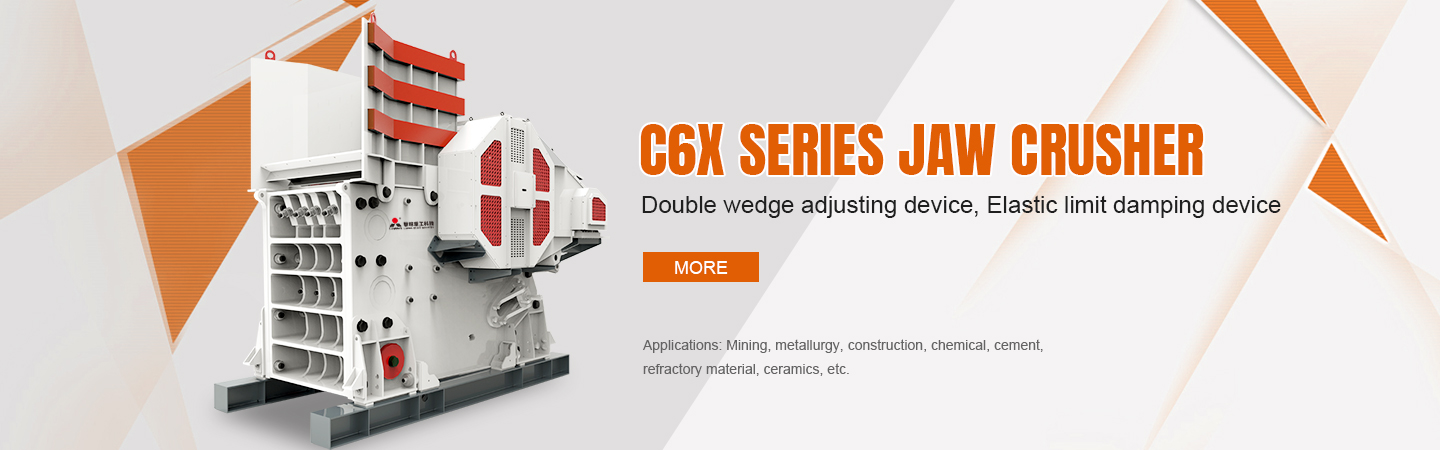
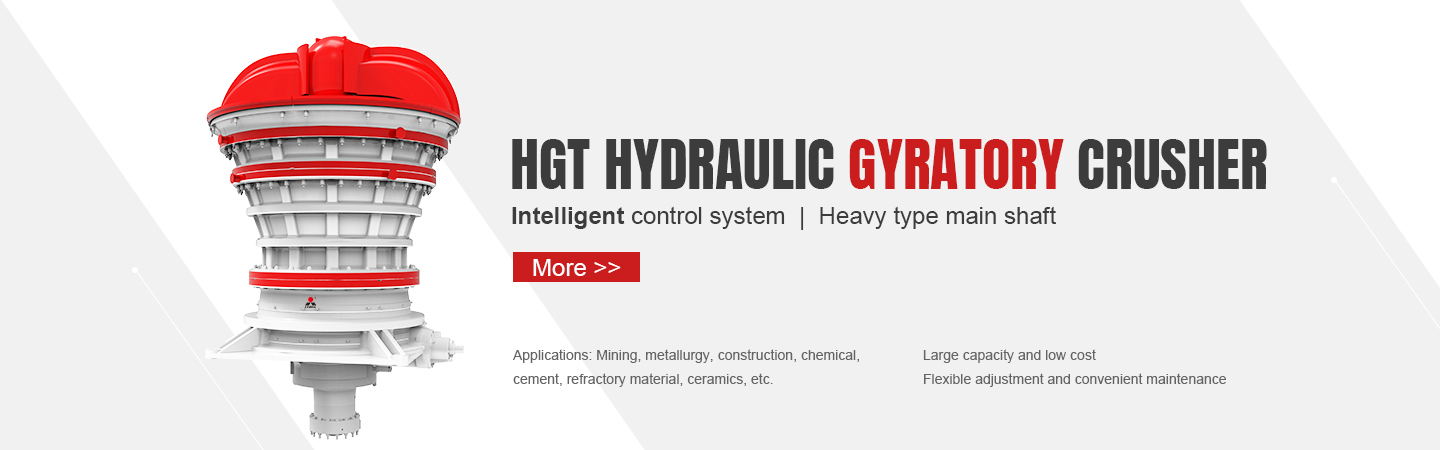
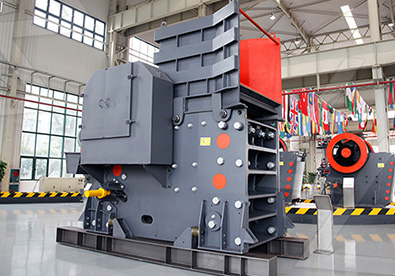
Primary crushing is typically performed using jaw or gyratory crushers, which reduce run-of-mine iron ore to a size suitable for secondary crushing. Gyratory crushers are favored in large-scale operations due to their high throughput capacity and consistent product size.
-
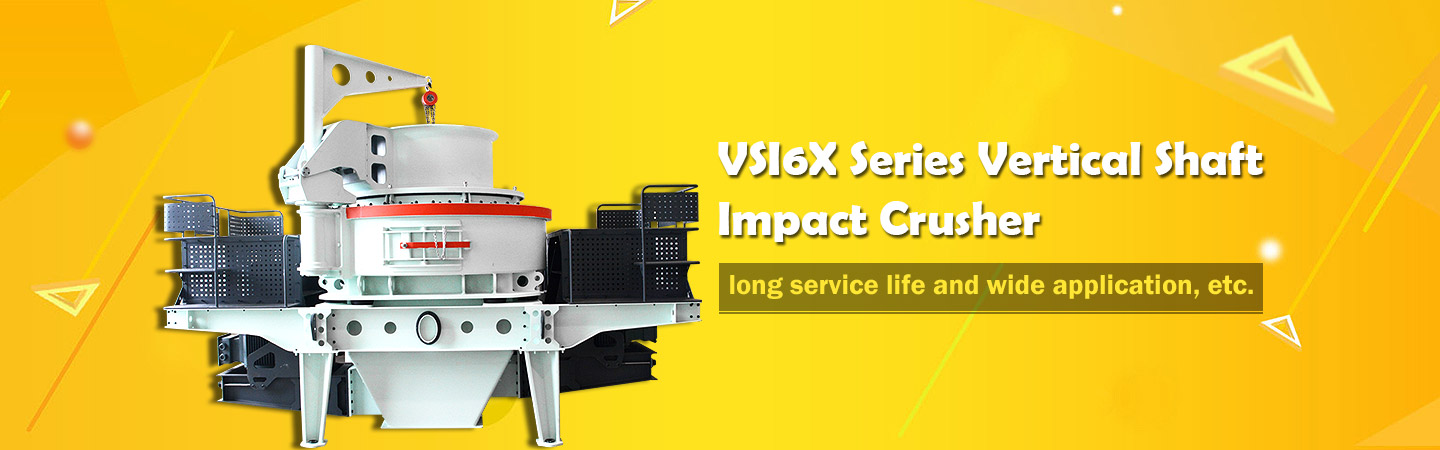
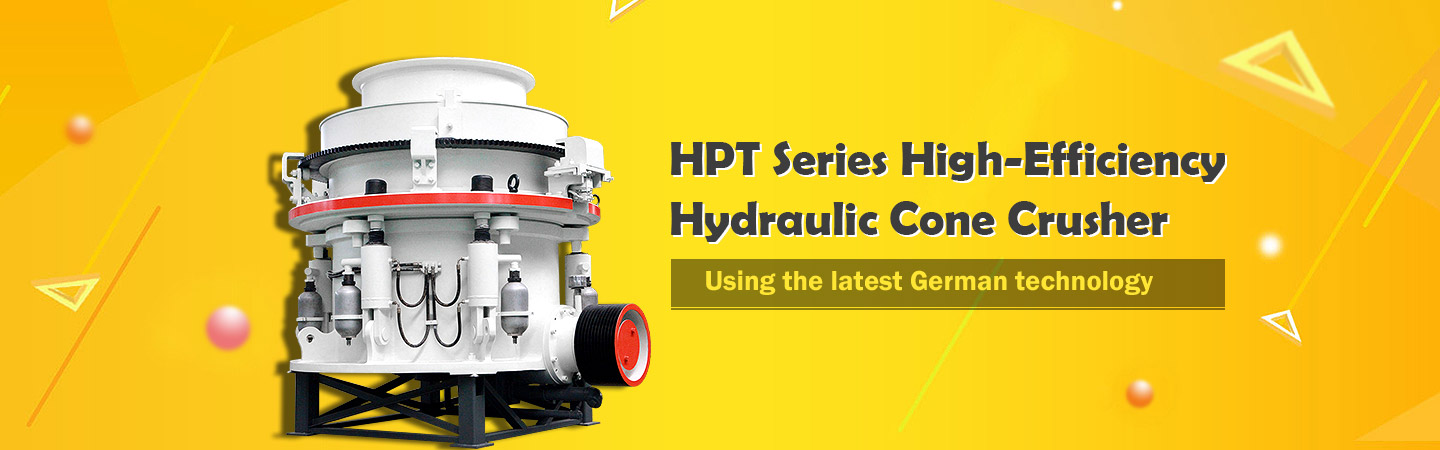
Secondary and tertiary crushing stages employ cone or impact crushers to further reduce particle size, preparing the ore for efficient screening and downstream processing. Modern cone crushers offer advanced liner profiles and hydraulic adjustment systems to optimize performance and minimize downtime.
-
Screening ensures particle size homogeneity and protects downstream equipment by separating undersized material from oversize fractions requiring additional crushing. Vibrating screens with multiple decks and variable amplitude settings are standard, enabling precise classification based on ore characteristics and plant throughput demands.
-
Closed-circuit configurations—where screen undersize reports to the next processing stage and oversize returns to the crusher—are critical for achieving target size distributions. These circuits enhance efficiency and reduce energy consumption per ton of processed ore.
-
Equipment selection is influenced by ore hardness, feed size, moisture content, and production targets. High-abrasion-resistant materials are used in wear components to extend service life in harsh operating environments.
-
Modular and mobile crushing and screening units are increasingly adopted for remote or temporary operations, offering rapid deployment and reduced infrastructure costs. These systems integrate crushing, screening, and conveying into a single skid-mounted or tracked platform.
-
Automation and condition monitoring systems are now integral to crushing and screening circuits. Real-time data on crusher load, screen vibration patterns, and bearing temperatures enable predictive maintenance and optimize operational parameters.
-
Proper integration of crushing and screening with upstream haulage and downstream beneficiation—such as grinding and magnetic separation—ensures balanced material flow and minimizes bottlenecks.
-
Dust suppression and noise control systems are essential for regulatory compliance and worker safety. Enclosed transfer points, water sprays, and acoustic barriers are commonly deployed.
In iron ore processing, the crushing and screening circuit sets the foundation for efficient liberation and recovery. Precision in equipment selection, circuit design, and operational control directly influences overall plant productivity and operating cost efficiency.
Advanced Technologies and Support Equipment in Modern Iron Ore Mining
-
Integration of advanced technologies into modern iron ore mining has transformed operational efficiency, safety, and environmental performance. Automation, digitalization, and real-time monitoring systems now underpin large-scale extraction, enabling precise control over complex mining processes.
-
Autonomous haulage systems (AHS) represent a pivotal advancement, deploying GPS-guided trucks that operate 24/7 with minimal human intervention. These systems reduce fuel consumption, lower maintenance costs, and mitigate operator fatigue-related incidents. Major producers report up to 15% improvement in fleet utilization following AHS deployment.
-
Drilling automation has evolved through the adoption of intelligent drill rigs equipped with onboard sensors and geolocation software. These systems deliver consistent borehole placement, optimizing blast fragmentation and reducing overbreak. Integration with geological models allows dynamic adjustment based on real-time rock property analysis.
-
Digital twin technology is increasingly deployed to simulate mine plans, equipment performance, and material flow. By mirroring physical operations in a virtual environment, operators can test scenarios, predict equipment failures, and optimize scheduling without disrupting production.
-
Remote operations centers (ROCs) centralize control of dispersed mining assets. Located offsite, these hubs monitor drilling, hauling, and processing via high-bandwidth telemetry and industrial IoT networks. ROCs enhance decision-making through data aggregation and predictive analytics, improving response times to operational anomalies.
-
Advanced sensor-based ore sorting systems utilize X-ray transmission, laser fluorescence, or electromagnetic detection to pre-concentrate material before processing. This reduces waste sent to crushers and mills, lowering energy use and extending plant throughput capacity.
-
Support equipment has also advanced: modern high-pressure grinding rolls (HPGRs) and smart conveyors with embedded condition-monitoring sensors enable predictive maintenance and reduce unplanned downtime. Fleet management systems leverage AI to optimize equipment assignment, route planning, and refueling cycles.
-
Environmental stewardship is supported through drone-based surveying, methane monitoring networks, and water recycling automation. These tools ensure compliance with regulatory standards while minimizing ecological impact.
-
Cybersecurity protocols are now critical, safeguarding operational technology networks from digital threats as connectivity increases.
The convergence of these technologies defines the current frontier of iron ore mining—where precision, sustainability, and resilience are engineered into every phase of extraction.
Frequently Asked Questions
What primary machinery is essential for extracting iron ore in large-scale mining operations?
Large-scale iron ore mining requires heavy-duty equipment such as electric rope shovels, hydraulic excavators, wheel loaders, and front-end loaders for overburden removal and ore excavation. These machines offer the durability and capacity needed to handle abrasive materials under extreme conditions.
What types of drilling equipment are used in iron ore mining exploration and production?
Rotary blasthole drills and down-the-hole (DTH) hammers are standard for drilling into iron ore formations. These tools create precise, deep holes for explosives in open-pit mining, ensuring efficient fragmentation of hard rock prior to excavation.
How are transported iron ore materials moved efficiently from pit to processing plant?
High-capacity haul trucks—such as rigid-frame and articulated dump trucks rated for 100 to 400 tons—are used to transport iron ore over long distances. In contiguous operations, conveyor systems with high tensile strength belts minimize fuel use and maximize throughput.
What crushing equipment is necessary for initial processing of mined iron ore?
Primary gyratory crushers and jaw crushers are used to reduce large run-of-mine iron ore into smaller, manageable sizes. Secondary and tertiary cone or impact crushers further refine the material for downstream beneficiation processes.
Which screening equipment ensures proper sizing before beneficiation?
Vibrating screens with multi-deck configurations, often with modular polyurethane or rubber panels, are used to classify crushed ore by size. These screens are engineered for high resistance to abrasion and are critical for feed consistency in downstream processes.
What role do rail systems play in large iron ore mining infrastructure?
Heavy-haul railway systems are vital for transporting iron ore over long distances from remote mines to ports or processing hubs. These systems use specialized gondola cars and locomotives capable of hauling thousands of tons per train, optimized for efficiency and cost-effectiveness.
How are iron ore fines managed and processed for market readiness?
Iron ore fines are typically processed through agglomeration equipment such as sintering plants or pelletizing drums, which bind fine particles into larger, stable forms suitable for blast furnace use, improving handling and metallurgical properties.
What type of dewatering equipment is critical in iron ore processing?
High-capacity thickeners, filter presses, and vacuum disc filters are used to remove moisture from iron ore concentrate. Efficient dewatering reduces transportation costs, prevents freezing in transit, and meets shipping specifications.
What specialized loaders are recommended for high-efficiency iron ore loading operations?
Electric or hybrid-powered front-end loaders with high bucket capacities (20–50 m³) and advanced payload management systems ensure precise, rapid loading of haul trucks and railcars, minimizing cycle times and operational downtime.
How are wear parts managed in iron ore mining to ensure equipment longevity?
Mining operations use abrasion-resistant steel, ceramic-lined components, and predictive maintenance systems to combat wear from iron ore’s high silica content. OEM-recommended wear parts and laser-clad repairs extend equipment lifecycle in high-stress environments.
What advanced automation systems optimize iron ore mining equipment performance?
Integrated fleet management systems (FMS), GPS-based guidance, and machine health monitoring platforms enable real-time tracking of haul trucks and shovels. Automation reduces human error, improves fuel efficiency, and enhances safety in complex mining environments.
What environmental control equipment is necessary alongside iron ore mining machinery?
Dust suppression systems (mist cannons, water sprays), enclosed conveyors, and water treatment plants are essential to mitigate particulate emissions and runoff. These systems ensure compliance with environmental regulations and reduce community impact.