




Table of Contents
- How Coal Mining Alters Landscapes and Destroys Ecosystems
- Water Contamination and the Legacy of Acid Mine Drainage
- Air Pollution from Coal Extraction and Processing Operations
- Greenhouse Gas Emissions and Coal Mining’s Role in Climate Change
- Biodiversity Loss and the Collapse of Local Habitats Near Mining Sites
- Frequently Asked Questions
- What are the primary environmental impacts of surface coal mining?
- How does coal mining contribute to water contamination?
- What role does methane emission play in the environmental footprint of coal mining?
- How does coal mining affect biodiversity and ecosystems?
- What are the long-term land reclamation challenges after coal mining?
- How does coal mining contribute to climate change beyond combustion?
- What technologies can reduce the environmental footprint of coal mining?
- Are there regulatory frameworks that effectively minimize coal mining’s environmental damage?
- How does coal mining impact local communities’ access to clean water?
- What are the cumulative effects of multiple coal mines in a region?
- Can abandoned coal mines be repurposed for environmental benefit?
- What are the best practices for sustainable closure of coal mines?
Beneath the surface of energy production lies a legacy of ecological upheaval—the coal mining industry, long a cornerstone of global power generation, exacts a profound and often irreversible toll on the natural world. From the stark transformation of lush landscapes into barren excavations to the contamination of vital waterways with toxic runoff, the environmental impact of coal mining is both extensive and enduring. Mountaintop removal, open-pit excavation, and underground mining disrupt ecosystems, displace wildlife, and compromise soil stability, while the release of heavy metals, acid mine drainage, and airborne particulates further degrade air and water quality. These consequences extend far beyond the operational lifespan of mines, leaving behind scarred terrains and compromised communities for generations. As the world grapples with climate change and environmental stewardship, understanding the full scope of coal’s ecological footprint—from destruction at the source to long-term pollution—is essential to informed decision-making and sustainable energy futures.
How Coal Mining Alters Landscapes and Destroys Ecosystems
-
Surface mining removes overburden—soil, rock, and vegetation—exposing underlying coal seams, which results in complete restructuring of topography. This process often flattens ridgelines, fills valleys, and eliminates natural drainage patterns, leading to irreversible geomorphological change.
-
Mountaintop removal, a particularly destructive form of surface mining, involves the use of explosives to dismantle entire mountain summits. The resulting overburden is deposited into adjacent valleys, burying headwater streams under debris. United States Geological Survey data indicate that over 500 miles of Appalachian streams have been permanently buried or degraded by valley fills.
-
Deforestation and vegetation loss are direct consequences of land clearing for mining operations. The removal of native flora eliminates habitat for terrestrial species, disrupts ecological succession, and diminishes biodiversity. Recovery of pre-mining vegetation is rare due to soil compaction, nutrient depletion, and contamination.
-
Soil integrity is compromised through the segregation and mixing of soil horizons during excavation. The loss of organic-rich topsoil diminishes water retention and microbial activity, inhibiting natural revegetation. Reclaimed sites often support only rudimentary plant communities, failing to restore original ecosystem functions.
-
Hydrological systems are profoundly altered. Excavation disrupts groundwater flow, lowers water tables, and increases surface runoff. Acid mine drainage—a byproduct of pyrite oxidation in exposed rock—releases sulfuric acid and leaches heavy metals (e.g., iron, aluminum, manganese) into waterways. This contamination persists for decades, rendering aquatic habitats toxic and eliminating sensitive species such as mayflies and trout.
-
Post-mining landscapes frequently exhibit subsidence in underground operations, where collapsed mine shafts deform the surface, damaging infrastructure and natural landforms. Subsidence alters surface hydrology, creates sinkholes, and accelerates erosion.
-
Long-term ecological recovery is severely limited. Even after reclamation efforts, mined areas exhibit reduced species richness, fragmented habitats, and impaired biogeochemical cycles. The functional equivalence to pre-mining ecosystems is rarely achieved, with studies showing persistent deficits in carbon sequestration, nutrient cycling, and ecosystem resilience.
-
Cumulatively, coal mining transforms biologically complex landscapes into ecologically simplified, functionally degraded systems with diminished capacity for self-renewal.
Water Contamination and the Legacy of Acid Mine Drainage
-
Acid mine drainage (AMD) remains one of the most persistent and damaging legacies of coal mining, arising when sulfide minerals—predominantly pyrite (FeS₂)—are exposed to oxygen and water during mining operations. This exposure triggers a cascade of geochemical reactions that generate sulfuric acid, drastically lowering pH levels in surrounding water bodies.
-
The acidic conditions mobilize heavy metals such as iron, aluminum, manganese, lead, and arsenic, which leach from surrounding rock into groundwater and surface water. These contaminant-laden discharges degrade aquatic ecosystems, often rendering streams and rivers biologically sterile. Iron precipitates as orange-hued ochre, smothering benthic habitats and disrupting food webs.
-
AMD can persist for decades or even centuries after mine closure, particularly in regions with extensive underground workings or poorly reclaimed spoil piles. The longevity of contamination is exacerbated by the self-perpetuating nature of the reaction: acidity enhances further pyrite oxidation, creating a feedback loop that sustains pollution long after mining has ceased.
-
In Appalachia and other historically coal-intensive regions, thousands of miles of streams remain impaired due to AMD. Abandoned mine lands contribute untreated discharges that overwhelm natural buffering capacity, particularly in carbonate-poor geologies. Remediation efforts include passive treatment systems—such as constructed wetlands and anoxic limestone drains—and active chemical dosing, though long-term maintenance and cost remain significant challenges.
-
The ecological consequences extend beyond immediate toxicity. Chronic metal exposure impairs fish reproduction and invertebrate development, leading to reduced biodiversity and trophic collapse. Additionally, contaminated sediments act as secondary pollution sources, slowly releasing metals during flood events or sediment disturbance.
-
Regulatory frameworks such as the Clean Water Act and programs administered by the Office of Surface Mining Reclamation and Enforcement aim to mitigate AMD, but legacy pollution outpaces remediation capacity. Proactive mine planning, including backfilling with alkaline materials and rigorous post-mining water management, is essential to prevent future occurrences.
-
Ultimately, acid mine drainage exemplifies the intergenerational environmental cost of coal extraction. Without sustained investment in monitoring and remediation, contaminated watersheds will continue to impair ecosystem services, public health, and regional economies for generations.
Air Pollution from Coal Extraction and Processing Operations
-
Coal extraction and processing operations are significant contributors to air pollution, releasing a range of hazardous airborne contaminants throughout the mining, handling, and preparation phases. These emissions stem from both direct operational activities and indirect processes associated with equipment use and material degradation.
-
Primary pollutants include particulate matter (PM10 and PM2.5), nitrogen oxides (NOx), sulfur dioxide (SO₂), carbon monoxide (CO), volatile organic compounds (VOCs), and methane (CH₄). Dust generated during overburden removal, drilling, blasting, coal crushing, and transportation constitutes a major source of particulate emissions. These fine particles can remain suspended for extended periods, degrading air quality and posing respiratory risks to nearby communities and workers.
-
Methane, a potent greenhouse gas with a global warming potential significantly higher than CO₂ over short timeframes, is naturally released during coal seam excavation, particularly in underground mining. Ventilation air methane (VAM) and degasification systems contribute substantially to fugitive emissions unless captured and utilized.
-
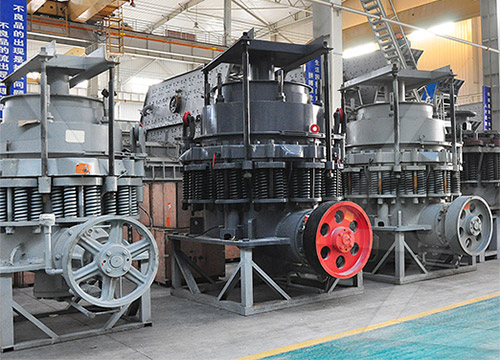
Coal preparation plants—facilities that wash and size raw coal—emit additional particulates and VOCs during drying, screening, and sorting operations. Combustion of diesel and heavy fuels in mining machinery and transport vehicles further amplifies emissions of NOx, CO, and black carbon, particularly in surface mining settings.
-
Spontaneous combustion of coal waste piles and abandoned mines introduces episodic but intense releases of SO₂, CO, and toxic hydrocarbons. These events are exacerbated by the oxidation of pyrite in discarded refuse, which generates heat and can trigger self-sustaining fires that persist for years.
-
Regulatory frameworks often mandate dust suppression systems, enclosed conveyors, and methane capture technologies; however, compliance varies globally, and monitoring remains inconsistent in many regions. Long-term exposure to these pollutants correlates with increased incidence of chronic bronchitis, cardiovascular disease, and premature mortality in adjacent populations.
-
Effective mitigation requires integrated strategies: electrification of mining fleets, real-time air quality monitoring, reclamation of waste stockpiles, and deployment of methane oxidation or utilization systems. Without stringent controls, air pollution from coal operations continues to impose severe ecological and public health burdens across mining regions.
Greenhouse Gas Emissions and Coal Mining’s Role in Climate Change
- Coal mining is a significant contributor to global greenhouse gas (GHG) emissions, both directly and indirectly, playing a critical role in accelerating anthropogenic climate change.
- The primary GHG associated with coal mining is methane (CH₄), a potent greenhouse gas with a global warming potential 28–34 times greater than carbon dioxide (CO₂) over a 100-year period. Methane is released during coal extraction, particularly in underground mining operations, where it accumulates in coal seams and is liberated during mining activities.
- Surface mining also emits methane, though typically at lower rates than underground operations. Additionally, post-mining processes such as coal transportation, storage, and stockpiling contribute to fugitive methane and CO₂ emissions.
- Once extracted, coal’s climate impact intensifies during combustion. Coal-fired power generation is the largest single source of CO₂ emissions globally, accounting for approximately 30% of total energy-related CO₂ emissions. The high carbon content of coal means that its combustion releases substantially more CO₂ per unit of energy than natural gas or oil.
- Abandoned mines continue to emit methane for decades after closure, representing a long-term, often unmonitored source of emissions. These emissions are frequently underestimated in national inventories, contributing to inaccuracies in climate modeling and mitigation planning.
- Coal mining infrastructure—such as processing plants, conveyors, and heavy machinery—relies heavily on diesel and grid electricity, often sourced from fossil fuels, further amplifying the sector’s carbon footprint.
- Land-use changes from surface mining, including deforestation and topsoil removal, reduce carbon sequestration capacity, diminishing ecosystem resilience and contributing indirectly to atmospheric CO₂ accumulation.
- Regulatory frameworks in many countries have begun addressing coal mine methane through monitoring and capture initiatives, but implementation remains inconsistent, particularly in developing economies where coal dependency is high.
- Mitigation strategies, including methane capture and utilization, improved mine ventilation air treatment, and accelerated phase-out of coal extraction, are critical to aligning climate goals with industrial practice.
- The persistence of coal in global energy systems undermines international climate commitments, such as those under the Paris Agreement, emphasizing the necessity of transitioning to low-carbon energy sources to mitigate long-term climatic disruption.
Biodiversity Loss and the Collapse of Local Habitats Near Mining Sites
- Direct habitat destruction from surface mining operations eliminates native vegetation and disrupts soil structure, leading to immediate and irreversible loss of local biodiversity.
- Overburden removal and topsoil stripping eradicate plant communities that support specialized insect, avian, and mammalian species, many of which are unable to relocate or adapt to altered landscapes.
- Fragmentation of contiguous habitats isolates populations, reducing genetic exchange and increasing vulnerability to local extinction, particularly for species with limited dispersal capabilities.
- Aquatic ecosystems adjacent to mining sites suffer disproportionately due to sedimentation, altered hydrology, and contamination from acid mine drainage (AMD), which lowers pH and mobilizes heavy metals such as iron, aluminum, and manganese.
- Sensitive aquatic taxa—including macroinvertebrates, amphibians, and fish—experience population declines or complete extirpation in streams receiving runoff from spoil piles and waste dumps.
- Riparian zones, critical for maintaining water quality and supporting diverse faunal assemblages, are degraded or destroyed during mining infrastructure development, further impairing ecosystem resilience.
- Post-mining reclamation efforts often fail to restore pre-disturbance biodiversity due to inadequate soil reconstruction, introduction of non-native vegetation, and persistent chemical contamination.
- Even after vegetation is reestablished, ecological functions such as nutrient cycling, pollination, and predator-prey dynamics remain impaired, resulting in biologically simplified ecosystems.
| Affected Component | Primary Impact Mechanism | Biological Consequence |
|---|---|---|
| Terrestrial flora | Clearing and soil disruption | Loss of endemic and specialist plant species |
| Soil microbiota | Compaction, contamination, oxygen depletion | Reduced decomposition and nutrient availability |
| Stream macroinvertebrates | Sediment loading, metal toxicity | Decline in diversity and abundance |
| Riparian fauna | Habitat fragmentation and water pollution | Reduced breeding success and migration barriers |
| Avian communities | Loss of nesting and foraging habitat | Shifts in species composition and density |
- Long-term monitoring reveals that reclaimed sites sustain only a fraction of original species richness, with persistent dominance by generalist and invasive species.
- Cumulative impacts across multiple mining operations amplify regional biodiversity decline, particularly in ecologically sensitive or topographically complex regions.
- The collapse of local habitats near coal mining sites represents not only a loss of species but also the degradation of ecosystem services such as water filtration, carbon sequestration, and soil stabilization.
Frequently Asked Questions
What are the primary environmental impacts of surface coal mining?
Surface coal mining leads to extensive land degradation, including deforestation, topsoil loss, and habitat destruction. It often results in altered drainage patterns, increased erosion, and sedimentation of nearby water bodies. Additionally, the removal of overburden can expose pyrite minerals, leading to acid mine drainage—a persistent source of water pollution that affects aquatic ecosystems for decades.
How does coal mining contribute to water contamination?
Coal mining releases heavy metals (e.g., mercury, lead, arsenic) and sulfates into groundwater and surface water through leaching and runoff. Acid mine drainage, generated when sulfide minerals react with air and water, significantly lowers pH levels in streams and rivers, harming aquatic life and rendering water unsafe for human or agricultural use. Proper containment systems and proactive water treatment are required to mitigate these risks.
What role does methane emission play in the environmental footprint of coal mining?
Coal mining is a major source of methane (CH₄), a potent greenhouse gas with over 80 times the global warming potential of CO₂ over a 20-year period. Methane is released during coal extraction, especially in underground mines, due to degasification of coal seams. Implementing methane capture and utilization technologies—such as ventilation air methane (VAM) oxidation and coalbed methane recovery—can reduce emissions and provide an energy resource.
How does coal mining affect biodiversity and ecosystems?
Coal mining fragments and destroys habitats, threatening terrestrial and aquatic species. Mountaintop removal and valley fills eliminate forests and streams, disrupting ecological connectivity. Post-mining reclamation often fails to restore original biodiversity, particularly in complex ecosystems like Appalachian forests. Expert-led ecological restoration, including native species reintegration and long-term monitoring, is essential for meaningful recovery.
What are the long-term land reclamation challenges after coal mining?
Reclaimed mine sites frequently suffer from poor soil quality, compaction, and reduced fertility, limiting vegetation growth and land usability. Spoil piles and compacted substrates hinder root development and water infiltration. Best practice involves a comprehensive reclamation plan that includes topsoil conservation, contouring to natural landforms, and establishing diverse, native vegetation to support ecosystem stability.
How does coal mining contribute to climate change beyond combustion?
While burning coal is the largest climate impact, coal mining itself contributes significantly through direct emissions of CO₂ and methane from equipment operations, energy use, and geological disturbance. Methane vented or flared during mining operations adds to radiative forcing. Transitioning to electrified mining equipment, methane capture, and emissions monitoring systems can reduce the sector’s upstream climate impact.
What technologies can reduce the environmental footprint of coal mining?
Advanced technologies include automated emission monitoring systems, dry-stack tailings filtration to reduce slurry waste, and in-situ leaching (where applicable) to minimize surface disruption. Real-time groundwater monitoring, drone-based reclamation assessment, and predictive modeling for acid drainage can enhance environmental management. Methane capture and conversion systems also improve sustainability outcomes.
Are there regulatory frameworks that effectively minimize coal mining’s environmental damage?
Stringent frameworks such as the U.S. Surface Mining Control and Reclamation Act (SMCRA) and the EU’s Industrial Emissions Directive impose environmental safeguards, including bonding for reclamation and water quality standards. However, enforcement and long-term monitoring remain challenges. Strengthening compliance, requiring third-party audits, and mandating post-closure liability can improve regulatory effectiveness.
How does coal mining impact local communities’ access to clean water?
Contamination from acid mine drainage and heavy metals can compromise drinking water sources, particularly in rural or underserved areas near mining operations. Sedimentation from erosion clouds water supplies and clogs infrastructure. Proactive hydrogeological assessments, community water monitoring programs, and enforceable buffer zones around水源地 (water sources) are critical protective measures.
What are the cumulative effects of multiple coal mines in a region?
Concentrated mining operations amplify environmental degradation through combined watershed disruption, air pollution, habitat loss, and socioeconomic strain. Cumulative impact assessments are often inadequate in permitting processes. Regional-scale environmental planning, integrated watershed management, and cross-mine coordination are necessary for holistic risk mitigation.
Can abandoned coal mines be repurposed for environmental benefit?
Yes—abandoned mines can be transformed into renewable energy sites (e.g., solar farms on reclaimed land) or used for geothermal energy extraction. Methane recovery from closed mines reduces emissions while generating power. Successful repurposing requires thorough risk assessment, engineering controls, and stakeholder collaboration to ensure safety and sustainability.
What are the best practices for sustainable closure of coal mines?
Best practices include progressive reclamation, long-term water management plans, methane monitoring post-closure, and community engagement. Financial assurance mechanisms ensure funds are available for ongoing maintenance. A transition plan integrating ecological, economic, and social factors—developed with input from environmental scientists, engineers, and local stakeholders—maximizes sustainability outcomes.