
Table of Contents
- Understanding Aggregate Mining in Malaysia: Industry Overview and Economic Impact
- Top Malaysian Mining Companies Specializing in Aggregate Production
- Geographical Distribution of Aggregate Resources Across Malaysia
- Regulatory Framework and Environmental Compliance in Malaysian Mining
- Future Outlook: Sustainability and Innovation in Malaysia’s Aggregate Sector
- Frequently Asked Questions
- What is the legal framework governing aggregate mining in Malaysia?
- How do aggregate mining companies in Malaysia secure extraction rights?
- What environmental regulations must Malaysian aggregate miners comply with?
- How are land use conflicts managed in aggregate mining operations in Malaysia?
- What are the key geological sources of aggregates in Malaysia?
- How does Malaysia regulate sand mining, particularly marine and river sand?
- What role does the Department of Minerals and Geoscience Malaysia (JMG) play in aggregate licensing?
- What health and safety standards apply to aggregate mining in Malaysia?
- How are aggregate mining companies addressing sustainability in Malaysia?
- What technological advancements are being used in Malaysian aggregate mining?
- How are mining royalties and taxes structured for aggregate extraction in Malaysia?
- What are the future prospects for the aggregate mining industry in Malaysia?
Malaysia’s mining sector stands as a cornerstone of its industrial development, with aggregate production playing a pivotal role in supporting infrastructure, construction, and urban expansion across the nation. Among the key contributors are leading aggregate mining companies that harness the country’s rich geological endowment of limestone, granite, and sandstone to deliver high-quality construction materials. These organizations combine advanced extraction techniques with sustainable practices to meet growing domestic demand while adhering to stringent environmental regulations. From large-scale operations in Johor and Perak to emerging ventures in Sarawak and Sabah, Malaysia’s aggregate producers are shaping the backbone of the built environment. This article explores the major players driving innovation and efficiency in the sector, examines the critical resources underpinning their success, and offers insightful analysis into market trends, regulatory frameworks, and future opportunities within Malaysia’s dynamic aggregate mining industry.
Understanding Aggregate Mining in Malaysia: Industry Overview and Economic Impact
-
Malaysia’s aggregate mining industry is a foundational segment of the nation’s construction and infrastructure development ecosystem, supplying essential materials such as crushed stone, sand, and gravel. These materials are predominantly used in concrete production, road construction, and building foundations, underpinning both public and private sector development projects.
-
The industry operates under a regulated framework administered by the Department of Minerals and Geoscience Malaysia (Jabatan Mineral dan Geosains Malaysia, JMG), which oversees licensing, environmental compliance, and resource sustainability. Quarrying activities are concentrated in states with favorable geology, including Selangor, Perak, Johor, and Pahang, where granite and igneous rock formations provide high-quality raw materials.
-
Aggregate extraction in Malaysia is conducted through open-pit quarrying, with production scaled to meet regional demand. The shift toward sustainable practices has prompted increased scrutiny on land rehabilitation, dust control, and water management, aligning with national environmental policies and ESG standards increasingly adopted by major operators.
-
Economically, the aggregate mining sector contributes indirectly but significantly to GDP through its integration with construction, transportation, and heavy machinery industries. It supports thousands of direct and indirect jobs, particularly in rural and semi-urban areas where quarries are located.
| Key State | Primary Resource | Major Applications |
|---|---|---|
| Selangor | Granite, Quartzite | Urban construction, industrial projects |
| Perak | Igneous rock | Road base, concrete production |
| Johor | Sandstone, Gravel | Infrastructure, residential development |
| Pahang | Hard rock | Large-scale civil engineering |
-
Major players in the industry include YTL Cement, Malayan Quarry Industries, and Rockwell Mining, which operate integrated quarry and processing facilities. These companies invest in advanced crushing and screening technologies to improve yield and product consistency.
-
Demand for aggregates remains robust, driven by national initiatives such as the Pan Borneo Highway, MRT expansions, and the Regional Comprehensive Economic Partnership (RCEP)-linked industrial developments. However, resource depletion and land-use conflicts necessitate strategic planning, including the exploration of recycled aggregates and alternative materials to ensure long-term industry viability.
Top Malaysian Mining Companies Specializing in Aggregate Production
- Malakoff Corporation Berhad
- YTL Cement (a division of YTL Corporation Berhad)
- Lafarge Malaysia Berhad
- Gamuda Berhad (via Gamuda Mining)
- MIT Minerals Sdn Bhd
Malaysia’s aggregate production sector is anchored by a select group of industry leaders whose operations integrate quarrying, crushing, and logistical distribution to supply critical construction materials nationwide. These companies operate under stringent environmental and regulatory frameworks while maintaining high standards in product consistency and supply chain reliability.
Malakoff Corporation Berhad, primarily known for its power generation, has expanded into aggregate mining through strategic quarry operations in Negeri Sembilan and Johor. Leveraging its large-scale infrastructure expertise, Malakoff produces granite and basalt-based aggregates meeting MS 30:2014 standards for use in highways, bridges, and high-rise developments.
YTL Cement, part of the diversified YTL Corporation, operates integrated quarrying and cement plants across Pahang and Selangor. Its aggregate division supplies coarse and fine aggregates derived from limestone and igneous rock, directly feeding both internal cement production and external construction contracts. YTL’s vertically integrated model enhances cost control and quality assurance.
Lafarge Malaysia Berhad, a subsidiary of Holcim Group, operates quarries in Kedah, Perak, and Johor, producing high-specification aggregates for precast concrete, ready-mix, and infrastructure projects. The company emphasizes sustainable quarrying practices, including land rehabilitation and dust suppression systems, aligning with international environmental benchmarks.
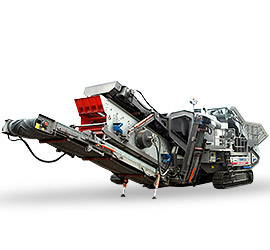
Gamuda Berhad, through its Gamuda Mining arm, supports its core engineering and tunneling projects with in-house aggregate production. Notably, its operations in the Klang Valley supply crushed stone from tunnel excavation, reducing reliance on external sources and minimizing transportation emissions—an innovation increasingly adopted in urban infrastructure development.
MIT Minerals Sdn Bhd, a privately held but significant player, specializes in granite aggregate production in Perak and Kelantan. With ISO-certified processing plants, MIT serves both domestic contractors and export markets in Singapore and Indonesia, emphasizing product gradation precision and low water absorption rates.
Collectively, these companies manage over 60% of Malaysia’s commercial aggregate output. Their operations reflect a shift toward mechanized processing, environmental stewardship, and integration with national infrastructure timelines. As urbanization continues and projects under the Pan-Borneo Highway and MRT3 programs advance, these firms are strategically positioned to maintain supply resilience and technical leadership in the sector.
Geographical Distribution of Aggregate Resources Across Malaysia
| State | Primary Aggregate Types | Key Geological Formations | Notable Mining Regions |
|---|---|---|---|
| Johor | Granite, Sandstone | Johor Granite Batholith, sedimentary basins | Kota Tinggi, Kluang, Segamat |
| Selangor | Quartzite, Metamorphic Rock | Bentong-Raub Suture Zone, Klang Group formations | Kuala Kubu Bharu, Hulu Selangor |
| Perak | Granite, Quartz Veins | Main Range Granite, Kinta Valley formations | Gopeng, Kampar, Batu Gajah |
| Pahang | Granite, Volcaniclastic Rock | Eastern Belt Granitoids, Bentong-Raub Suture | Raub, Bentong, Maran |
| Kedah | Quartzite, Sandstone | Setul Limestone Group, Kubang Pasu Formation | Sik, Baling, Padang Serai |
| Negeri Sembilan | Schist, Quartzite | Bentong-Raub Suture Zone, Mantle Melange Complex | Jempol, Tampin |
| Sarawak | Sandstone, Alluvial Gravel | Rajang Group, Crocker Formation equivalents | Sibu, Mukah, Bintulu |
| Sabah | Sandstone, Tuffaceous Material | Crocker Formation, Kinabatangan Group | Papar, Kota Belud, Sandakan |
Malaysia’s aggregate resources are distributed unevenly across its geological provinces, shaped by tectonic history, igneous activity, and sedimentary deposition. The Peninsular region is dominated by igneous and metamorphic sources, with extensive granite outcrops in the Eastern and Main Range granitoid belts supplying high-quality crushed stone. Johor and Perak are key contributors, where large-scale quarrying operations exploit durable granite with low water absorption, ideal for high-strength concrete.
In central and northern Peninsular Malaysia, particularly in Perak and Kedah, metamorphic quartzite and sandstone formations yield aggregates with excellent resistance to weathering. The Bentong-Raub Suture Zone, extending through Selangor and Negeri Sembilan, hosts metamorphosed sediments that provide angular, well-interlocking particles valued in asphaltic mixes.
Eastern Peninsular states such as Pahang contain mixed igneous and volcaniclastic materials, with operations near Raub and Maran focusing on hard, dense aggregates suited for heavy-duty infrastructure. Coastal alluvial deposits in Selangor and Perak also contribute sand and gravel, though diminishing availability has led to increased reliance on crushed stone.
In East Malaysia, Sarawak’s Rajang Group formations—comprising thick sequences of sandstone and shale—serve as the primary source of aggregates in the central and southern regions. Operations in Sibu and Bintulu emphasize scalable production to support regional development. Sabah’s aggregate supply is derived mainly from the Crocker and Kinabatangan formations, where sandstone and tuffaceous rocks are processed for road base and construction fill.
Resource quality varies significantly with lithology and weathering profile, necessitating rigorous geological assessment prior to quarry development. Regulatory zoning, environmental sensitivity, and transportation logistics further influence regional supply dynamics, positioning proximity to urban centers and port infrastructure as a key determinant in operational viability.
Regulatory Framework and Environmental Compliance in Malaysian Mining
| Regulatory Body | Primary Responsibilities |
|---|---|
| Department of Minerals and Geoscience Malaysia (JMG) | Licensing, exploration and mining permits, technical oversight |
| Department of Environment (DOE) | Environmental impact assessment (EIA) approval, pollution control, compliance monitoring |
| Local Authorities (Pihak Berkuasa Tempatan) | Land use planning, local permits, waste management oversight |
| Ministry of Natural Resources, Environment and Climate Change (NRECC) | Policy formulation, inter-agency coordination, legislative enforcement |
Mining activities in Malaysia are governed by the Federal Mineral Development Act 1994, which provides the legal foundation for mineral resource management. The Department of Minerals and Geoscience Malaysia (JMG) serves as the primary regulatory authority, responsible for issuing exploration licenses, mining leases, and ensuring adherence to technical and operational standards. All mining operations must obtain prior approval from JMG, including detailed mine plans and closure strategies.
Environmental compliance is rigorously enforced through the Environmental Quality Act 1974 and its subsidiary regulations. Projects exceeding specified thresholds are required to undergo an Environmental Impact Assessment (EIA), reviewed and approved by the Department of Environment (DOE). The EIA process assesses potential impacts on air, water, biodiversity, and local communities, mandating mitigation measures and monitoring programs.
Post-mining land rehabilitation is a statutory requirement. Licensees must submit a comprehensive Environmental Management Plan (EMP) and post a financial bond to guarantee reclamation. The EMP outlines progressive rehabilitation, soil stabilization, re-vegetation with native species, and long-term monitoring. Non-compliance may result in enforcement actions, including suspension of operations or revocation of licenses.
State governments also play a critical role, as land administration is a state matter under the Malaysian Constitution. Mining leases require state consent, and coordination between federal and state agencies is essential for timely approvals.
Recent policy emphasis has shifted toward sustainable mining practices and climate resilience. The National Minerals Policy 2020 reinforces responsible resource extraction, requiring operators to integrate environmental, social, and governance (ESG) principles into operations. Enhanced reporting standards and community engagement are now integral to licensing conditions, reflecting Malaysia’s commitment to sustainable development in the extractive sector.
Future Outlook: Sustainability and Innovation in Malaysia’s Aggregate Sector
-
Adoption of sustainable practices is becoming a strategic imperative for Malaysia’s aggregate sector, driven by tightening environmental regulations, stakeholder expectations, and long-term resource security. As urban development and infrastructure projects continue to expand under national initiatives such as the 12th Malaysia Plan and Regional Comprehensive Economic Partnership (RCEP) commitments, pressure on aggregate resources is intensifying. This necessitates a shift from conventional extraction models to circular, low-impact operations.
-
Leading mining companies are investing in closed-loop water recycling systems, dust suppression technologies, and energy-efficient crushing and screening equipment to reduce ecological footprints. Rehabilitation of exhausted quarry sites using native vegetation and biodiversity monitoring programs is now standard among top-tier operators, aligning with Department of Environment (DOE) and Ministry of Natural Resources, Environment and Climate Change (NRECC) guidelines.
-
Innovation is emerging through digital integration. Geographic Information Systems (GIS), drone-based surveying, and predictive analytics enable precise resource mapping and reserve management, minimizing over-extraction and optimizing logistics. Some operators have begun piloting real-time environmental monitoring platforms that track noise, air quality, and vibration levels, ensuring compliance and enhancing community relations.
-
The industry is also exploring alternative materials to reduce reliance on virgin aggregates. Recycled concrete aggregate (RCA) from construction and demolition waste is gaining traction, particularly in non-structural applications. Pilot projects in Selangor and Johor have demonstrated technical feasibility and cost efficiency, supported by incentives under the National Sustainability Agenda.
-
Regulatory frameworks are evolving to support this transition. The revised National Minerals Policy emphasizes sustainable mining, responsible sourcing, and community engagement. Certification schemes such as the Green Building Index (GBI) are indirectly influencing aggregate demand by favoring sustainable construction materials.
-
Looking ahead, consolidation among smaller quarries, increased automation, and partnerships with research institutions—such as Universiti Teknologi Malaysia’s Centre for Pavement and Transportation Technology—are expected to drive efficiency and innovation. The sector’s future hinges on balancing resource availability with environmental stewardship, positioning Malaysia as a regional model for sustainable aggregate production.
Frequently Asked Questions
What is the legal framework governing aggregate mining in Malaysia?
The legal framework for aggregate mining in Malaysia is primarily overseen by the Federal Ministry of Natural Resources, Environment and Climate Change (NRECC), along with state-level authorities. Mining activities require permits under the National Mineral Policy and the Mineral Development Act 1994. Environmental compliance is enforced via the Environmental Quality Act 1974, requiring an Environmental Impact Assessment (EIA) for large-scale projects. Companies must also adhere to land use regulations governed by state land enactments and obtain approvals from local councils.
How do aggregate mining companies in Malaysia secure extraction rights?
Aggregate mining companies secure extraction rights through a two-tiered process involving federal and state authorities. First, a “License to Operate” or “Quarry License” must be obtained from the state Director of Minerals and Geoscience Department (JMG). Companies must submit geological surveys, mine plans, and environmental management plans. Strategic locations near infrastructure and river basins—common sources of sand and gravel—are highly regulated and often require competitive bidding, especially for marine or riverbed extraction.
What environmental regulations must Malaysian aggregate miners comply with?
Malaysian aggregate mining firms must adhere to strict environmental regulations administered by the Department of Environment (DOE). Key compliance requirements include conducting an EIA for projects exceeding prescribed thresholds, implementing Sediment and Erosion Control Plans (SECP), and maintaining zero discharge into waterways. The DOE mandates a Environmental Management Plan (EMP) and regular monitoring, with non-compliance leading to license revocation or fines under the Environmental Quality (Scheduled Wastes) Regulations 2005.
How are land use conflicts managed in aggregate mining operations in Malaysia?
Land use conflicts in Malaysia’s aggregate mining sector are managed through inter-agency coordination between the JMG, DOE, and local planning authorities. Mining activities must align with the local structure plan under the Town and Country Planning Act 1976. Developers are encouraged to conduct Social Impact Assessments (SIA) and engage in community consultations. To mitigate disputes, companies may pursue land swaps or land rehabilitation agreements, especially in agricultural or residential zones.
What are the key geological sources of aggregates in Malaysia?
The primary geological sources of aggregates in Malaysia include alluvial deposits (river and floodplain sand and gravel), igneous and metamorphic rock formations (granite, gneiss), and coastal marine sand. Peninsula Malaysia, particularly in Johor, Perak, and Pahang, hosts abundant hard rock quarries. Sarawak and Sabah rely heavily on riverine and alluvial sources. Geotechnical surveys conducted by licensed geoscientists are mandatory to confirm resource viability and extraction sustainability.
How does Malaysia regulate sand mining, particularly marine and river sand?
Malaysia tightly regulates sand mining—especially river and marine sand—due to ecological and national security concerns. The extraction of river sand is controlled under State River Enactments and requires permits from state irrigation departments. Marine sand mining is restricted under the Land Boundary Act and requires federal approval; it is often linked to land reclamation projects. Export bans on sea sand have been enforced since 2019 to prevent illegal poaching and environmental degradation.
What role does the Department of Minerals and Geoscience Malaysia (JMG) play in aggregate licensing?
The JMG is the primary federal agency responsible for regulating mineral exploration and mining in Malaysia. For aggregate operations, JMG approves quarry licenses, reviews mine closure plans, and verifies geological data. The department also maintains the National Mineral Inventory and ensures adherence to mining codes of practice. JMG conducts periodic site audits and collaborates with state authorities to enforce safety and environmental standards.
What health and safety standards apply to aggregate mining in Malaysia?
Aggregate mining in Malaysia must comply with the Occupational Safety and Health Act 1994 (OSHA) and the Factories and Machinery Act 1967. Operators are required to implement Safety and Health Management Systems (SHMS), conduct risk assessments, and appoint competent safety officers. Blasting operations (in hard rock quarries) are regulated under the Explosives Act 1957, requiring certified supervisors and buffer zone controls. Regular training and audits are mandated to prevent accidents related to machinery, slope failure, or dust exposure.
How are aggregate mining companies addressing sustainability in Malaysia?
Leading aggregate mining firms in Malaysia are adopting sustainability through integrated quarry rehabilitation, biodiversity offsetting, and carbon footprint reduction. Companies are implementing progressive rehabilitation programs, transforming exhausted quarries into ecoparks or water reservoirs. Some have adopted ISO 14001 certification and invested in dust suppression systems, electric haul trucks, and closed-loop water recycling. The NRECC encourages adherence to the Mining Sector Sustainable Development Framework (MSSDF).
What technological advancements are being used in Malaysian aggregate mining?
Malaysian aggregate companies are adopting digital and automation technologies to improve efficiency and safety. These include drone-based surveying for volume calculations, GIS for resource modeling, and automated crushing and screening plants with IoT monitoring. Some firms use predictive maintenance systems and AI-driven fleet management. Real-time monitoring of dust and noise levels via sensors ensures environmental compliance, while blockchain is being tested for supply chain transparency.
How are mining royalties and taxes structured for aggregate extraction in Malaysia?
Aggregate mining companies in Malaysia pay royalties and fees determined by state governments, as mineral rights are state-controlled. Royalties are typically calculated per metric ton, ranging from RM0.20 to RM2.00 depending on material type and location. Additional fees include annual license fees, environmental bonds, and road maintenance levies. Companies must also comply with GST and corporate tax regulations under the Inland Revenue Board (IRB).
What are the future prospects for the aggregate mining industry in Malaysia?
The future of Malaysia’s aggregate mining industry hinges on sustainable resource management, infrastructure demand, and regulatory stability. With ongoing mega-projects like the Pan Borneo Highway and Iskandar Malaysia, demand for construction aggregates remains strong. However, increased scrutiny on environmental impact and land use is driving consolidation and innovation. The sector is expected to shift toward engineered aggregates, recycling from C&D waste, and brownfield redevelopment to meet long-term supply needs.