
Table of Contents
- Advanced Mineral Hammer Crushers Revolutionizing Indonesia’s Mining Sector
- New Generation Hammer Crushers: High Efficiency for Coal Processing in Indonesia
- Coal Gangue Crusher Technology: Sustainable Waste Utilization in Indonesian Plants
- Key Features of Modern Hammer Crushers for Hard Mineral and Gangue Applications
- Choosing the Right Hammer Crusher Supplier in Indonesia for Optimal Performance
- Frequently Asked Questions
- What is a mineral hammer crusher and how does it work in Indonesian mining operations?
- Why choose a new hammer crusher specifically designed for coal and gangue in Indonesia?
- How do hammer crushers compare to other crushers for coal gangue processing in Indonesia?
- What material specifications should be considered when selecting a hammer for a coal gangue crusher?
- How does climate in Indonesia affect hammer crusher performance and longevity?
- What maintenance protocols are critical for maximizing uptime of new hammer crushers in Indonesian plants?
- Can hammer crushers efficiently process mixed feed containing both coal and gangue?
- What innovations define the latest generation of hammer crushers in Indonesia’s mineral sector?
- How does crusher efficiency impact coal preparation cost in Indonesian power plants?
- What safety standards must hammer crushers meet for operation in Indonesia?
- Are mobile hammer crushers viable for remote coal gangue sites in Indonesia?
- How do OEMs customize hammer crushers for Indonesian coal gangue characteristics?
Indonesia’s growing demand for efficient mineral processing has propelled groundbreaking advancements in crushing technology, particularly in coal and gangue applications. At the heart of this evolution is the mineral hammer crusher—engineered to deliver superior performance, durability, and cost-effectiveness in challenging operational environments. Designed specifically for Indonesia’s diverse geological conditions, the latest generation of hammer crushers integrates innovative rotor dynamics, optimized hammer materials, and enhanced wear resistance to maximize throughput and minimize downtime. These new hammer crusher solutions are redefining coal and gangue processing by offering higher reduction ratios, consistent output quality, and reduced energy consumption. As the country intensifies its focus on sustainable resource utilization and operational efficiency, the adoption of advanced coal gangue crusher systems is becoming pivotal across mining and power generation sectors. With local and international manufacturers collaborating to tailor technology to Indonesian needs, the mineral hammer crusher is emerging as a cornerstone of modern mineral processing—delivering robust, scalable solutions that meet the demands of today’s dynamic industry landscape.
Advanced Mineral Hammer Crushers Revolutionizing Indonesia’s Mining Sector
-
Advanced mineral hammer crushers are redefining efficiency, reliability, and sustainability across Indonesia’s mining operations, particularly in coal and gangue processing. With the country’s abundant coal reserves and increasing demand for cleaner processing methods, modern hammer crusher technology has become pivotal in optimizing downstream mineral handling.
-
Recent innovations in rotor design, hammer material composition, and automated control systems have significantly enhanced throughput and wear resistance. High-chrome alloy hammers and reinforced rotor assemblies now extend operational life by up to 40%, reducing downtime and maintenance costs—critical factors in remote mining locations where logistics are challenging.
-
These crushers are engineered to handle variable feed sizes and moisture levels common in Indonesian coal and gangue, maintaining consistent output without clogging. Advanced screening integration allows for precise particle size control, meeting stringent requirements for both power generation and industrial feedstock.
| Feature | Traditional Hammer Crusher | Advanced Hammer Crusher |
|---|---|---|
| Hammer Lifespan | 800–1,200 hours | 1,400–1,800 hours |
| Energy Efficiency | Standard | Up to 25% improvement |
| Moisture Tolerance | <15% | Up to 20% |
| Automation Level | Manual control | PLC-integrated monitoring |
-
Crucially, the integration of real-time monitoring and predictive maintenance systems enables proactive component assessment, minimizing unplanned outages. Remote diagnostics and condition-based lubrication systems further enhance operational continuity, particularly under Indonesia’s tropical operating conditions.
-
Environmental performance has also improved. Closed-circuit designs and dust suppression mechanisms reduce particulate emissions, aligning with tightening environmental regulations in mining zones such as East Kalimantan and South Sumatra.
-
The scalability of advanced hammer crushers supports both large-scale export-oriented mines and smaller domestic operations. Modular configurations allow for incremental capacity expansion, providing flexibility amid fluctuating market demands.
-
As Indonesia advances its mineral processing infrastructure, the adoption of next-generation hammer crushers represents a strategic shift toward higher productivity, reduced environmental impact, and long-term operational resilience. These systems are no longer mere crushing units—they are intelligent, integrated components of modern mining value chains.
New Generation Hammer Crushers: High Efficiency for Coal Processing in Indonesia
- Advanced rotor design with optimized hammer arrangement increases crushing efficiency by up to 35% compared to conventional models, ensuring consistent particle size distribution critical for coal preparation in Indonesian thermal power plants.
- Integration of high-chrome alloy hammers enhances wear resistance, extending service life by 40–50% under abrasive conditions typical when processing high-silica gangue associated with Kalimantan and Sumatra coal seams.
- Modular housing and hydraulic opening systems reduce downtime during maintenance, enabling hammer replacement and internal inspection within two hours—significantly improving operational availability in continuous mining operations.
- Variable frequency drive (VFD) controls allow real-time adjustment of rotor speed based on feed characteristics, optimizing energy consumption and minimizing over-grinding, particularly beneficial when handling variable moisture and friability in Indonesian sub-bituminous coals.
- Dust suppression integration via sealed enclosures and misting systems ensures compliance with Indonesia’s increasingly stringent environmental regulations, reducing fugitive emissions by over 90% in closed-circuit configurations.
- Intelligent monitoring systems with vibration sensors and temperature telemetry provide predictive maintenance alerts, reducing unplanned breakdowns and enhancing safety in remote mining locations across the archipelago.
| Feature | Impact on Coal Processing |
|---|---|
| High-speed twin-stage rotors | Achieves 80–90% product below 10 mm in single pass, ideal for coal pulverization feed |
| Replaceable liner plates with tungsten carbide coating | Reduces abrasion from gangue minerals, cutting annual wear costs by up to 30% |
| Adjustable grate design | Enables flexible output control (6–25 mm), adapting to diverse downstream requirements |
| Low specific energy consumption (0.8–1.1 kWh/t) | Reduces power dependency in off-grid mining sites reliant on diesel generation |
New-generation hammer crushers are redefining coal comminution efficiency across Indonesia’s mining sector. Designed to handle the region’s challenging coal-gangue mixtures, these machines combine robust mechanical engineering with digital process control. Their adoption supports higher throughput in coal beneficiation plants, particularly in South Kalimantan and East Kalimantan, where coal washing operations demand reliable size reduction with minimal operational cost. As Indonesia advances toward cleaner coal utilization and improved mine-to-power-plant logistics, the role of precision-engineered hammer crushers becomes instrumental in achieving both productivity and sustainability targets.
Coal Gangue Crusher Technology: Sustainable Waste Utilization in Indonesian Plants
-
Coal gangue, a byproduct of coal mining and processing, presents both an environmental challenge and a resource opportunity in Indonesia’s mineral processing sector. With increasing regulatory pressure and sustainability mandates, Indonesian plants are adopting advanced coal gangue crusher technologies to convert waste into valuable secondary materials.
-
The mineral hammer crusher has emerged as a pivotal solution for coal gangue processing due to its high reduction ratio, operational efficiency, and adaptability to variable feed characteristics. Recent innovations integrate reinforced rotor systems, adjustable hammer configurations, and wear-resistant materials—such as high-chromium alloy hammers—that extend service life and reduce downtime in abrasive conditions typical of gangue.
-
Modern hammer crushers are engineered with optimized cavity designs that enhance material circulation and ensure uniform particle size distribution. This is critical for downstream applications such as brick manufacturing, cement blending, and low-calorific fuel production. In Indonesian plants, crushed gangue with controlled gradation (typically 0–10 mm) is increasingly reused in construction materials, reducing landfill dependency and raw material extraction.
-
Energy efficiency is another focal point. Variable frequency drives (VFDs) and intelligent control systems now regulate crusher speed based on feed load, minimizing energy consumption. Some installations in Sumatra and Kalimantan have reported up to 18% reduction in specific energy use compared to legacy models.
-
Automation and predictive maintenance systems are being integrated into crusher operations, enabling real-time monitoring of vibration, temperature, and wear. This data-driven approach improves operational reliability and supports Indonesia’s transition toward smart mining practices.
-
Environmental compliance is further enhanced through dust suppression systems and enclosed feeding mechanisms, which mitigate particulate emissions during crushing. These features align with Indonesia’s Ministry of Environment and Forestry regulations on industrial emissions and waste management.
-
Sustainable gangue utilization also supports circular economy goals. By repurposing waste into marketable products—such as aggregate substitutes or combustion supplements—plants improve economic viability while reducing environmental impact.
-
As Indonesia advances its mineral processing infrastructure, the adoption of high-performance hammer crushers for gangue treatment reflects a strategic convergence of innovation, sustainability, and regulatory alignment.
Key Features of Modern Hammer Crushers for Hard Mineral and Gangue Applications
-
Advanced Rotor Design: Modern hammer crushers employ optimized rotor configurations with high-inertia, balanced rotors engineered for maximum impact energy transfer. This design ensures consistent particle size reduction under high-stress conditions typical in hard mineral and gangue processing, minimizing wear while enhancing throughput.
-
High-Grade Wear Materials: Critical wear components—including hammers, impact plates, and liners—are fabricated from alloyed manganese steel or composite materials with superior hardness and abrasion resistance. These materials significantly extend service life in Indonesia’s siliceous coal and gangue matrices, reducing downtime and maintenance costs.
-
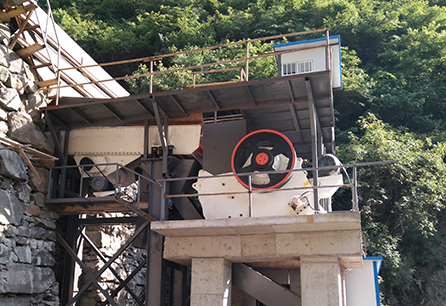
Hydraulic Adjustment Systems: Integrated hydraulic opening and adjustment mechanisms allow rapid access to the crushing chamber for inspection and liner replacement. This feature reduces maintenance time by up to 60% compared to traditional mechanical systems, improving operational availability in continuous mining and preparation plants.
-
Adjustable Grate Design: Modular, segmented grate assemblies enable precise control over product size distribution. Operators can reconfigure grate openings quickly to accommodate varying feed characteristics or downstream processing requirements, essential for variable Indonesian coal seams interlaced with pyritic or quartzitic gangue.
-
Dust Suppression Integration: Closed-circuit dust extraction ports and internal water spray systems are standard in modern units, addressing stringent environmental and safety regulations. These systems mitigate airborne particulate release during high-velocity impact crushing, crucial in tropical, humidity-sensitive environments.
-
Intelligent Monitoring: Embedded vibration sensors, temperature probes, and load monitoring systems enable real-time diagnostics and predictive maintenance. Data integration with plant-wide SCADA systems allows proactive intervention, minimizing unplanned stoppages and optimizing crusher performance.
-
Energy-Efficient Drive Configurations: Variable frequency drives (VFDs) coupled with high-torque electric motors ensure optimal rotor speed under fluctuating loads. This adaptability reduces peak power demand and mechanical stress, aligning with Indonesia’s growing emphasis on energy conservation in mineral processing.
-
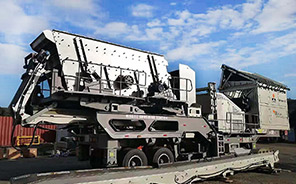
Modular Structural Frame: Contemporary hammer crushers utilize bolted, modular frames that simplify transport and installation—particularly advantageous in remote mining regions. The design supports rapid reconfiguration and scalability, accommodating phased capacity increases in evolving coal beneficiation circuits.
These innovations collectively enhance reliability, operational flexibility, and cost efficiency in hard mineral applications, positioning modern hammer crushers as indispensable units in Indonesia’s coal and gangue processing infrastructure.
Choosing the Right Hammer Crusher Supplier in Indonesia for Optimal Performance
- Evaluate technical expertise and industry experience
- Assess manufacturing standards and quality control protocols
- Verify local service and after-sales support capabilities
- Prioritize suppliers offering application-specific customization
- Confirm compliance with Indonesian mining and safety regulations
Selecting the appropriate hammer crusher supplier in Indonesia requires a strategic assessment of technical competence, operational reliability, and long-term support. Given the abrasive nature of coal and gangue, crushers must be engineered to withstand high wear while maintaining consistent throughput and particle size control. Suppliers with demonstrable experience in Indonesia’s mineral processing sector are better positioned to address region-specific challenges, including variable feed composition, humidity, and remote site logistics.
Technical proficiency is paramount. Leading suppliers employ metallurgical engineering teams to optimize hammer design, rotor dynamics, and chamber configuration—factors directly influencing energy efficiency and wear life. In coal and gangue applications, advanced materials such as high-chromium alloy hammers or composite blow bars significantly extend service intervals. Request performance data from comparable installations and verify adherence to international standards such as ISO 9001 for design and manufacturing.
Localized support infrastructure is a critical differentiator. The remoteness of many Indonesian mining operations demands responsive spare parts availability, on-site technical service, and operator training. Suppliers with regional service hubs or established partnerships in Sumatra, Kalimantan, or Sulawesi can minimize downtime through rapid troubleshooting and preventive maintenance programs.
Customization capability ensures optimal integration into existing processing flows. A qualified supplier will conduct material testing to tailor rotor speed, hammer layout, and discharge grizzly settings, achieving the desired size reduction while reducing over-grinding and power consumption. Modern innovations—including modular designs, hydraulic adjustment systems, and smart monitoring integration—should be available to enhance operational flexibility and predictive maintenance.
Finally, regulatory compliance cannot be overlooked. Ensure the supplier adheres to Indonesia’s Ministry of Energy and Mineral Resources (ESDM) guidelines and provides crushers compliant with local electrical, mechanical, and environmental safety standards. Documentation, including CE or SNI certification, should be readily available.
In a competitive and demanding environment like Indonesia’s coal sector, the supplier relationship directly impacts productivity and total cost of ownership. A rigorous selection process focused on engineering quality, regional support, and application-specific innovation ensures sustained crusher performance and operational resilience.
Frequently Asked Questions
What is a mineral hammer crusher and how does it work in Indonesian mining operations?
A mineral hammer crusher is a mechanical device that uses rotating hammers to break down hard and abrasive materials like coal, gangue, and various minerals. In Indonesia, these crushers are widely used in mining and mineral processing due to their high reduction ratio and continuous operation capability. The hammers, attached to a rotor, strike incoming material at high speed, reducing it into smaller particles, which are then discharged through a grate or screen. Its robust design suits Indonesia’s humid tropical environment and high-moisture feed materials.
Why choose a new hammer crusher specifically designed for coal and gangue in Indonesia?
New hammer crushers optimized for coal and gangue account for Indonesia’s unique feed characteristics—high moisture, clay content, and variable hardness. These models feature moisture-resistant linings, anti-clogging grates, and wear-resistant hammers made from high-chromium alloys. Advanced rotor balancing and adjustable impact zones improve efficiency and reduce downtime, making them ideal for processing low-calorific coal and hard gangue encountered in local mines.
How do hammer crushers compare to other crushers for coal gangue processing in Indonesia?
Unlike jaw or cone crushers, hammer crushers offer superior reduction ratios (up to 40:1) in a single pass, making them ideal for pulverizing coal gangue into fine, usable particles. They are more cost-effective for high-volume throughput applications, require less maintenance than impact crushers in abrasive conditions, and handle sticky, moist materials better due to open rotor designs. For Indonesian operations focused on power generation or cement blending, hammer crushers provide unmatched efficiency.
What material specifications should be considered when selecting a hammer for a coal gangue crusher?
Hammers for coal gangue applications in Indonesia should be fabricated from high-chrome white iron (e.g., ASTM A532 Class III) or forged alloy steel with hardness ratings of 58–65 HRC. These materials resist abrasion and impact fatigue common in gangue crushing. Optimal hammer geometry—such as chisel-edge designs—and through-hardening techniques extend service life. Modular hammers with reversible ends also enhance cost-efficiency for remote Indonesian sites.
How does climate in Indonesia affect hammer crusher performance and longevity?
Indonesia’s high humidity and frequent rainfall increase moisture in feed material, leading to clogging and accelerated corrosion. High-performance hammer crushers address this with corrosion-resistant coatings (e.g., epoxy or zinc spray), sealed bearings, and open-bottom grates to prevent plugging. Ventilation systems and anti-rust metallurgy in key components ensure reliable operation in tropical conditions.
What maintenance protocols are critical for maximizing uptime of new hammer crushers in Indonesian plants?
Routine maintenance includes daily inspection of hammer wear, rotor balance checks, and screen/grate clearance adjustments. Lubrication of bearings every 8–10 operating hours using high-temperature grease is essential. Monthly monitoring of drive belts, alignment, and electric motor load ensures early fault detection. Implementing a predictive maintenance strategy using vibration analysis helps anticipate failures, especially in remote coal-processing facilities.
Can hammer crushers efficiently process mixed feed containing both coal and gangue?
Yes, modern hammer crushers are engineered to handle heterogeneous feed blends of coal and gangue. Variable rotor speeds, adjustable impact zones, and segmented hammer rows allow operators to optimize performance based on feed composition. Dual-layer grates enable staged crushing—coarser material recirculates while finer particles exit—enhancing separation efficiency and reducing over-grinding in mixed Indonesian feedstocks.
What innovations define the latest generation of hammer crushers in Indonesia’s mineral sector?
New Indonesian-market hammer crushers integrate smart sensor technology for real-time wear monitoring, load balancing, and automatic feed control. They feature modular designs for rapid hammer replacement, energy-efficient IE4 motors, and hybrid hammers with tungsten carbide tips. Some models include integrated magnetic separators to remove tramp metal, preventing rotor damage—a critical feature given inconsistent feed quality.
How does crusher efficiency impact coal preparation cost in Indonesian power plants?
Crusher efficiency directly affects comminution energy use and downstream processing. High-efficiency hammer crushers reduce particle size uniformly with lower kWh/ton, minimizing over-grinding and saving up to 15–20% in energy costs. Consistent output also improves pulverizer efficiency in coal-fired plants, reducing wear and maintenance—critical for cost control in Indonesia’s competitive power generation sector.
What safety standards must hammer crushers meet for operation in Indonesia?
Hammer crushers in Indonesia must comply with national safety regulations (SNI) and international standards such as ISO 12100 and IEC 60204-1. Key requirements include emergency stop systems, explosion-proof electrical components (for coal dust environments), guarding around moving parts, and noise suppression below 85 dB(A). Certification by the Ministry of Energy and Mineral Resources (ESDM) is mandatory for operation in mining zones.
Are mobile hammer crushers viable for remote coal gangue sites in Indonesia?
Yes, mobile hammer crushers are increasingly deployed in Indonesia’s remote mining areas due to their transportability and rapid setup. Mounted on tracked or wheeled platforms, they eliminate costly material hauling and allow processing at the pit face. Integrated feeders and dust suppression systems enhance usability in archipelagic regions with limited infrastructure.
How do OEMs customize hammer crushers for Indonesian coal gangue characteristics?
Original Equipment Manufacturers (OEMs) tailor hammer crushers by modifying rotor diameter, hammer configuration, and grate spacing to match local coal gangue hardness (typically 5–7 on Mohs scale) and moisture content (10–20%). They may increase rotor inertia for tough feed, incorporate oversized bearings for longevity, and use tropicalized electrical enclosures. Site-specific engineering ensures compatibility with Indonesia’s diverse geology and operational demands.