
Table of Contents
- Understanding the Gold Mining Crushing Process: Breaking Down Raw Ore
- Essential Milling Techniques for Optimal Gold Recovery
- Washing Systems in Gold Mining: Separating Valuable Minerals from Waste
- Equipment Selection for Gold Crushing Milling and Washing Operations
- Optimizing Efficiency in Gold Mining Processing Plants
- Frequently Asked Questions
- What equipment is essential for gold mining crushing, milling, and washing?
- How does the hardness of ore affect gold ore crushing and milling efficiency?
- What is the optimal particle size for liberating gold during milling?
- How can water recycling improve sustainability in gold washing circuits?
- What are the advantages of using a trommel vs. a vibrating screen in alluvial gold washing?
- How does gravity concentration integrate with gold crushing and milling circuits?
- What role does automation play in optimizing gold milling circuits?
- How do you prevent gold losses during crushing and screening operations?
- What is refractory gold ore, and how does it change processing requirements?
- How important is ore characterization before designing a crushing and milling circuit?
- What are the best practices for maintaining crushing equipment in remote gold mines?
- Can dry processing be used effectively in gold crushing and washing?
In the relentless pursuit of unlocking nature’s most coveted metal, the journey from raw gold-bearing ore to refined treasure hinges on a meticulously orchestrated sequence of crushing, milling, and washing. These foundational stages of gold ore processing are not merely steps in a workflow—they are the critical backbone of operational efficiency and maximum yield. As demand for gold continues to rise and ore grades become increasingly challenging, mining operations must leverage advanced technologies and optimized methodologies to remain profitable and sustainable. From robust jaw crushers that reduce boulder-sized ore to fine-tuned ball mills that liberate microscopic gold particles, every component plays a pivotal role. Equally vital are the washing systems that separate valuable minerals from waste, ensuring minimal loss and environmental impact. This comprehensive guide dives deep into the science, equipment, and best practices behind efficient gold mining processing, empowering operators and engineers to enhance recovery rates, reduce costs, and streamline performance across the entire extraction chain.
Understanding the Gold Mining Crushing Process: Breaking Down Raw Ore
-
Raw gold ore, as extracted from open-pit or underground operations, typically contains gold particles embedded within hard, siliceous host rock or sulfide minerals. The primary objective of the crushing process is to liberate these valuable particles by reducing the ore to a size suitable for downstream processing—typically under 10 mm, depending on the milling and recovery method employed.
-
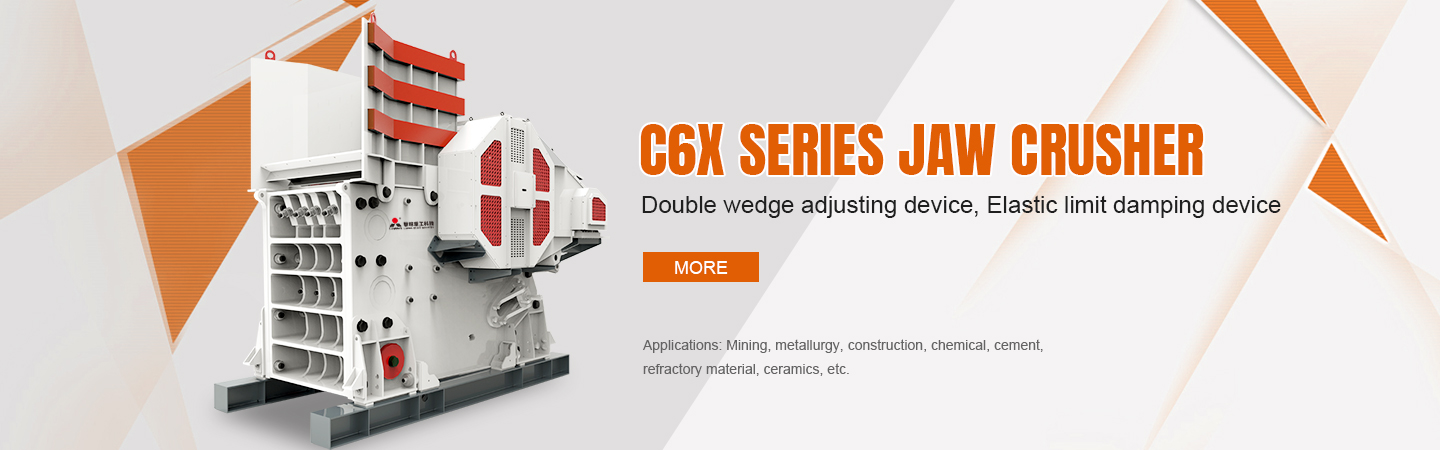
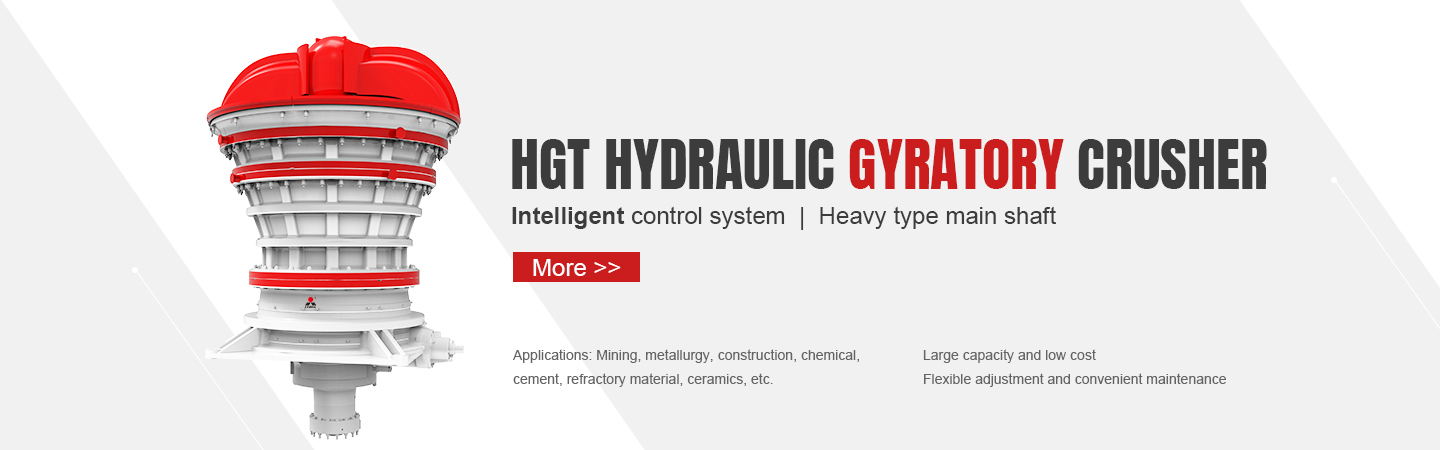
Crushing occurs in stages, each designed to progressively reduce particle size while optimizing energy efficiency and minimizing equipment wear. The process begins with primary crushing, where large run-of-mine ore (often exceeding 1 meter in diameter) is fed into a jaw or gyratory crusher. These robust machines apply compressive force to fracture bulk material into smaller, manageable chunks—usually under 150 mm.
-
Secondary crushing follows, often utilizing cone or impact crushers to further reduce the ore to approximately 25–50 mm. At this stage, screening may be integrated to separate undersized material for onward transport while routing oversized particles back for additional crushing (closed-circuit operation). This ensures consistent feed size for subsequent grinding.
-
Tertiary crushing, when required, achieves final size reduction, preparing the ore for milling. In high-throughput operations, high-pressure grinding rolls (HPGRs) are increasingly favored for their energy efficiency and ability to induce microfractures that enhance gold liberation.
-
Throughout the crushing circuit, effective material handling—via conveyor belts, feeders, and chutes—is critical to maintain continuous operation and prevent bottlenecks. Dust suppression and metallurgical sampling points are also integrated to ensure environmental compliance and process control.
-
The efficiency of the crushing stage directly impacts the performance of downstream milling and recovery processes. Inadequate size reduction leads to poor liberation, reducing gold recovery; excessive crushing wastes energy and increases operating costs. Therefore, circuit design must balance liberation requirements with operational economy.
-
Proper maintenance, crusher setting optimization, and feed rate control are essential to sustain throughput and minimize downtime. Advances in automation and real-time monitoring further enhance performance, enabling predictive maintenance and adaptive control strategies aligned with ore variability.
Essential Milling Techniques for Optimal Gold Recovery
-
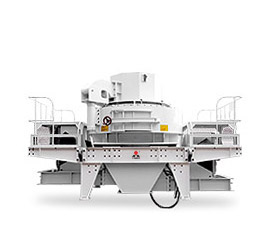
Optimize feed size distribution: Effective milling begins with consistent feed size, typically 6–25 mm, to ensure uniform grinding and prevent overloading the mill. Pre-crushing via jaw or cone crushers ensures compatibility with mill design and maximizes throughput efficiency.
-
Select appropriate mill type based on ore characteristics: Ball mills are preferred for fine grinding of free-milling ores due to their robustness and predictable performance. SAG (semi-autogenous grinding) mills are cost-effective for large-scale operations processing competent ore, reducing energy consumption by utilizing the ore itself as grinding media. Rod mills are suitable for coarse grind applications where minimal over-grinding is desired.
-
Maintain optimal mill loading: Charge levels should be maintained at 30–45% of mill volume for ball mills, with steel ball sizes ranging from 50–125 mm. Larger balls break coarse particles; smaller balls enhance fine grinding. Regular monitoring of ball top-up rates and wear profiles ensures consistent grind efficiency.
-
Control slurry density: Maintain pulp density between 65–75% solids by weight. Lower densities reduce grinding efficiency; higher densities impede media motion and slurry transport. Automated density sensors with feedback loops to water addition systems enhance consistency.
-
Monitor and adjust grinding time (residence time): Target a P80 (80% passing size) of 75–106 µm for optimal liberation of free gold, or finer (45–63 µm) for refractory ores. Excessive grinding increases slime generation, which can hinder downstream recovery processes like gravity separation and flotation.
-
Implement closed-circuit grinding with hydrocyclones: This configuration enables real-time classification and recirculation of oversized particles, ensuring consistent product fineness and reducing energy waste.
-
Conduct regular grindability testing (e.g., Bond Work Index): This quantifies ore hardness and guides mill power requirements, facilitating accurate scale-up and performance benchmarking.
-
Prioritize liner design and material: High-chrome steel or rubber-lined mills reduce wear and improve lifting action, directly influencing energy transfer and particle breakage efficiency.
-
Address gold-specific risks: Minimize over-grinding to prevent “preg-robbing” by carbonaceous material or formation of ultra-fine gold colloids that report to tailings. Consider gravity pre-concentration ahead of milling for coarse free gold to reduce losses.
Effective milling is not merely particle size reduction—it is a precision operation aligning mechanical parameters with mineralogical liberation, forming the foundation for maximum gold recovery in downstream processes.
Washing Systems in Gold Mining: Separating Valuable Minerals from Waste
-
Efficient separation of gold-bearing minerals from waste material is critical in ore processing, and washing systems play a pivotal role in the early stages of this operation. These systems are designed to remove clay, fine silts, and surface impurities that hinder downstream recovery processes such as gravity separation and cyanidation.
-
The primary objective of a washing system is to disaggregate and classify raw feed material, particularly when dealing with alluvial, saprolitic, or weathered ores containing high levels of moisture and clays. Without proper washing, these materials can cause blinding in screens, clogging in chutes, and reduced efficiency in subsequent concentration circuits.
-
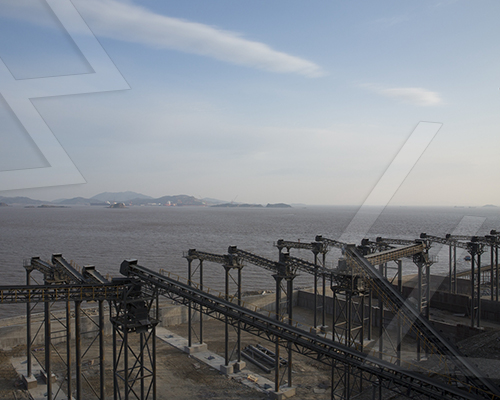
Trommel screens are the most widely used washing units in gold mining operations. These rotating cylindrical drums are fitted with lifters and screen panels that both scrub and size the ore as it tumbles through the unit. Water is sprayed internally to enhance particle breakdown and liberation of gold from clay coatings. The oversize fraction is discharged for further crushing or rejection, while the undersize slurry proceeds to gravity recovery devices.
-
For finer material or operations with extreme clay content, attrition scrubbers may be employed upstream of the trommel. These high-intensity agitated tanks use mechanical action to shear away clays and break apart agglomerates, improving the liberation of fine gold particles.
-
Water management is integral to effective washing. Closed-circuit water recycling systems are commonly implemented to minimize fresh water consumption and reduce environmental impact. Sedimentation ponds or thickening units allow for solids recovery and water reuse, maintaining operational sustainability.
-
In arid regions or environmentally sensitive areas, dry-washing techniques are applied, though with lower recovery efficiency compared to wet methods. These systems use air fluidization and vibration to separate gold from lighter material, eliminating water use entirely but typically limited to coarse free-milling gold in dry placer deposits.
-
Proper system design must consider feed gradation, clay plasticity, moisture content, and desired throughput. A well-optimized washing circuit significantly enhances the performance of downstream gold recovery stages by delivering a clean, classified feed.
Equipment Selection for Gold Crushing Milling and Washing Operations
-
Jaw crushers are the primary choice for initial gold ore reduction due to their robustness and ability to handle high compressive strength feed materials. Select models with manganese steel liners and adjustable closed-side settings to optimize throughput and product size control. For operations processing over 50 tons per hour, consider overhead eccentric designs for improved reliability and reduced maintenance.
-
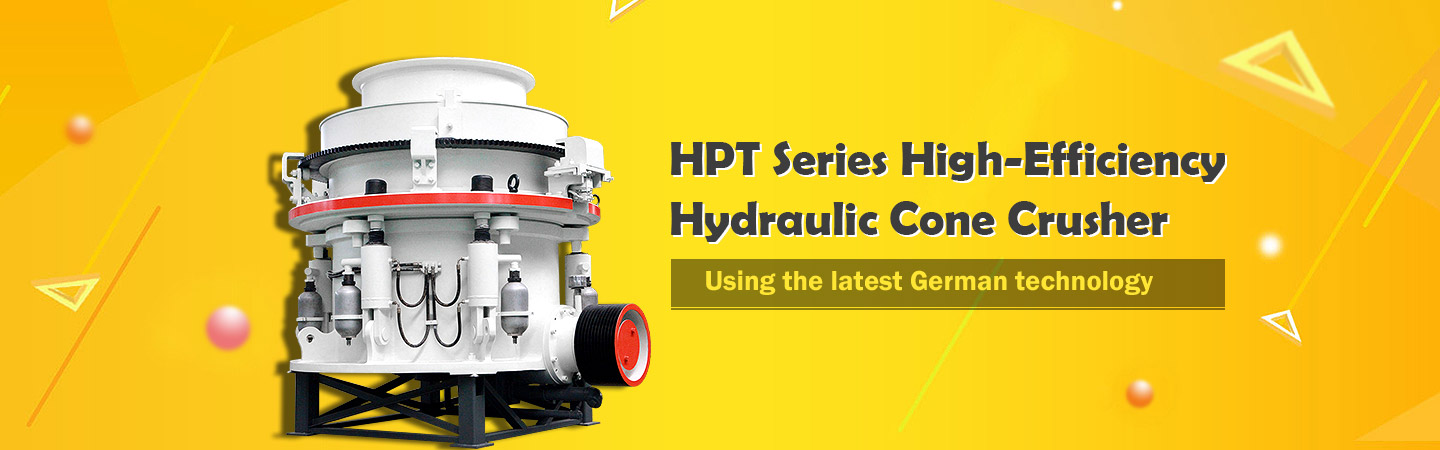
Cone crushers serve as secondary or tertiary units where fine crushing is required before grinding. Hydraulic adjustment and overload protection systems are critical for maintaining consistent product gradation and protecting downstream equipment. Match the crusher’s cavity type—standard, short-head, or intermediate—to the desired output size and ore hardness.
-
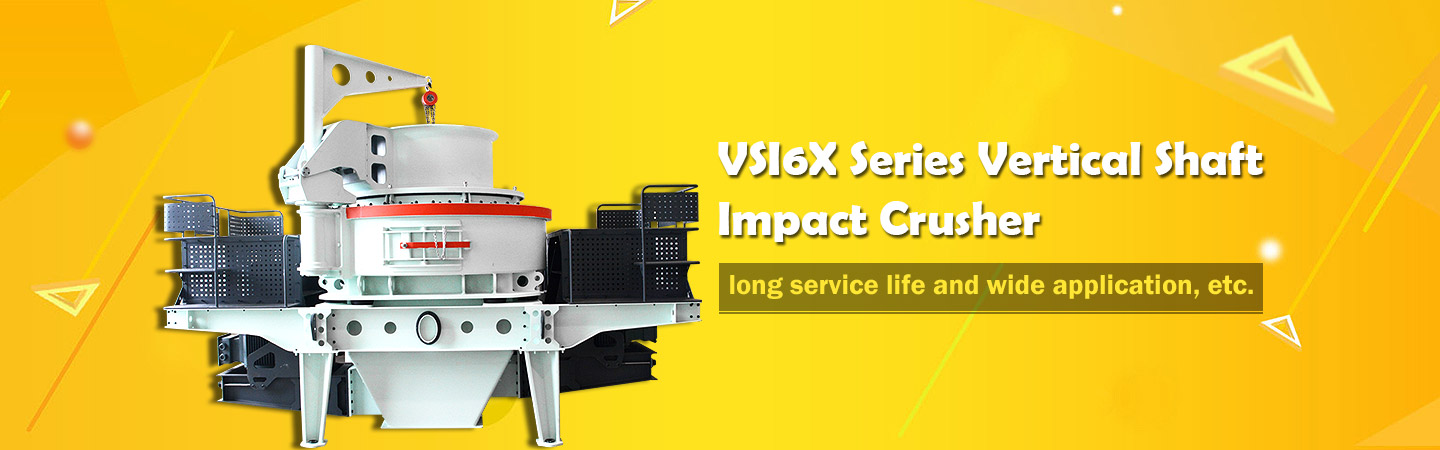
Impact crushers may be considered for softer, free-milling ores but are generally avoided in hard, abrasive gold deposits due to rapid wear and inconsistent particle shape. When applicable, horizontal shaft impactors (HSIs) offer high reduction ratios and cubical product profiles beneficial for gravity concentration circuits.
-
SAG and ball mills dominate fine grinding applications. SAG mills are preferred in large-scale operations where autogenous grinding reduces media costs, provided the ore has sufficient competence. Ball mills offer greater control over particle size distribution and are essential when downstream recovery processes demand ultra-fine liberation (typically P80 < 75 µm).
-
Use hydrocyclones in closed circuit with mills to ensure precise classification. Select cyclone diameter, apex size, and feed pressure based on slurry density and desired cut point. Pair with variable frequency drives (VFDs) on slurry pumps to maintain constant operating parameters despite feed variability.
-
For washing operations, rotary trommels are effective for alluvial or weathered deposits containing clay and fines. Incorporate spray bars and multi-deck screening sections to maximize material disaggregation and solids separation. In hard-rock applications, wet scalping screens with polyurethane panels reduce blinding and improve dewatering efficiency.
-
Pump selection must account for slurry specific gravity, abrasive content, and required head. Use rubber-lined centrifugal pumps with replaceable impellers for high-solids feeds. Ensure seals are compatible with continuous operation—mechanical seals with clean water flush systems are recommended in high-wear environments.
Equipment integration, maintenance accessibility, and power availability must guide final selection. Conduct metallurgical testing to define ore characteristics and simulate circuit performance prior to procurement.
Optimizing Efficiency in Gold Mining Processing Plants
-
Conduct comprehensive ore characterization prior to plant commissioning to determine optimal comminution and liberation requirements. Variability in ore hardness, gold particle size, and gangue mineralogy directly impacts crusher and mill performance.
-
Implement staged crushing with appropriate equipment selection: primary jaw or gyratory crushers followed by cone or impact crushers to achieve a consistent feed size of 10–15 mm. Proper choke feeding enhances throughput and reduces fines generation.
-
Utilize closed-circuit grinding with hydrocyclones for efficient classification. Maintain optimal mill pulp density (typically 70–80% solids) and ball charge loading to maximize energy efficiency and minimize overgrinding.
-
Install variable frequency drives (VFDs) on critical rotating equipment to match power consumption with load fluctuations, reducing energy waste during low-ore feed periods.
-
Optimize gold recovery circuits by aligning particle size distribution with the recovery method. For gravity concentration, ensure free-milling gold is liberated at P80 < 150 µm; for cyanidation, target P80 < 75 µm.
-
Deploy continuous monitoring systems for key parameters: feed rate, power draw, screen efficiency, cyclone pressure, and sump levels. Real-time data enables proactive adjustments and minimizes downtime.
-
Apply predictive maintenance protocols based on vibration analysis, lubricant sampling, and thermal imaging to prevent unplanned equipment failure in crushers, mills, and pumps.
-
Integrate water recycling loops with efficient thickening and filtration. Reduce fresh water demand by maintaining a closed-loop wash circuit with < 0.5% solid losses in tailings.
-
Optimize gravity recovery stages by positioning Knelson or Falcon concentrators immediately after milling. High-G forces enhance fine gold capture, especially for refractory or coarse-free gold particles.
-
Evaluate the cost-benefit of sensor-based ore sorting upstream of crushing. X-ray transmission (XRT) or laser-based sorters can reject up to 30% of waste rock, reducing downstream energy and reagent consumption.
-
Standardize operating procedures and conduct routine metallurgical balancing to identify inefficiencies. Benchmark recovery rates, energy intensity (kWh/t), and water usage against industry best practices.
Efficiency in gold processing is not achieved through isolated upgrades but through integrated design, continuous monitoring, and disciplined operational control. The cumulative effect of precision in each stage—from crushing to tailings disposal—defines plant profitability and sustainability.
Frequently Asked Questions
What equipment is essential for gold mining crushing, milling, and washing?
Essential equipment includes jaw crushers for primary crushing, cone or impact crushers for secondary crushing, ball mills or SAG mills for grinding, spiral classifiers or hydrocyclones for particle separation, and trommel screens or shaking tables for washing and gravity concentration. Heavy-duty slurry pumps and dewatering systems are also critical in managing material flow and moisture.
How does the hardness of ore affect gold ore crushing and milling efficiency?
Ore hardness, measured by the Bond Work Index, directly impacts energy consumption and throughput. Harder ores require more robust crushers and longer milling times, increasing operational costs. Pre-concentration techniques like sensor-based sorting or efficient crusher circuit design (e.g., closed-circuit crushing) can optimize energy use and reduce unnecessary grinding of waste rock.
What is the optimal particle size for liberating gold during milling?
For most free-milling gold ores, optimal liberation is achieved at P80 (80% passing) between 75 and 106 microns. Refractory ores may require finer grinding—down to 45 microns—to expose encapsulated gold particles. Liberation size must be confirmed through metallurgical testwork, such as locked-cycle milling tests, to balance recovery and energy costs.
How can water recycling improve sustainability in gold washing circuits?
Closed-loop water recycling systems reduce freshwater consumption and environmental impact by reusing 80–95% of process water. Key components include thickener units, filter presses, and flocculation systems to remove suspended solids. This also minimizes tailings pond size and supports compliance with stringent environmental regulations.
What are the advantages of using a trommel vs. a vibrating screen in alluvial gold washing?
Trommel screens offer better handling of sticky or clay-laden feeds due to their internal scrubbing action and are less prone to blinding. Vibrating screens provide higher efficiency on dry, free-flowing material and allow finer cut points. Trommels are preferred in wet, high-clay placer operations, while vibrating screens suit processed hard rock feed after primary crushing.
How does gravity concentration integrate with gold crushing and milling circuits?
Gravity concentration—using equipment like Knelson concentrators or Falcon concentrators—is often applied after crushing/milling to recover coarse free gold before downstream processes. This reduces reliance on cyanidation, lowers reagent costs, and produces a high-grade gravity concentrate suitable for direct smelting.
What role does automation play in optimizing gold milling circuits?
Advanced process control (APC) and real-time monitoring (e.g., online particle size analyzers and pulp density sensors) optimize mill loading, water balance, and classifier performance. Automation stabilizes grinding circuits, improves recovery, reduces wear, and allows adaptive control based on ore variability, leading to higher throughput and lower unit costs.
How do you prevent gold losses during crushing and screening operations?
To prevent gold losses, minimize open transfer points and use fully enclosed conveyors and chutes lined with rubber or UHMW. Implement efficient dust collection systems and conduct regular gold accounting via sampling and fire assay across circuit points. Fine gold recovery screens (e.g., high-frequency screens) capture fine particles before discharge.
What is refractory gold ore, and how does it change processing requirements?
Refractory gold ore contains gold locked within sulfide minerals or carbonaceous material, making it inaccessible to conventional cyanidation. It requires pre-treatment such as pressure oxidation (POX), bio-oxidation, or roasting after crushing and milling. These steps add complexity and capital cost but are essential for achieving viable recovery rates.
How important is ore characterization before designing a crushing and milling circuit?
Ore characterization—through assays, mineralogy (QEMSCAN), and comminution testing (Bond, SMC Test)—is critical for circuit design. It determines equipment selection, power requirements, and grind size targets. Inadequate testing leads to undersized equipment, poor liberation, and reduced recovery, significantly impacting project viability.
What are the best practices for maintaining crushing equipment in remote gold mines?
Implement predictive maintenance using vibration analysis, oil sampling (ferrography), and thermal imaging. Stock critical spares, standardize wear parts, and use remote monitoring systems. Scheduled shutdowns for liner and bearing inspections prevent unplanned downtime, which is especially costly in remote operations with limited infrastructure.
Can dry processing be used effectively in gold crushing and washing?
Yes, dry processing using air-based separation (e.g., air tables, FDS units) is viable in arid regions with water restrictions. While typically less efficient than wet gravity methods for fine gold, it eliminates slurry handling and tailings dams. Dry plants are modular, mobile, and increasingly used in small-scale and artisanal operations with proper dust control.