
Table of Contents
- Understanding the Gold Mining Processing Workflow
- Crushing and Grinding: Preparing Ore for Recovery
- Gravity Separation and Flotation Techniques Explained
- Cyanidation Leaching and Carbon-in-Pulp Methods
- Refining and Smelting: Producing High-Purity Gold Bullion
- Frequently Asked Questions
- What are the key stages in a gold mining processing plan?
- How is ore characterization used to design a gold processing flow sheet?
- What role does gravity separation play in modern gold processing?
- When is flotation preferred over cyanidation in gold processing?
- How do carbon-in-leach (CIL) and carbon-in-pulp (CIP) differ in gold recovery?
- What measures are taken to treat refractory gold ores?
- How is water and reagent management optimized in gold processing plants?
- What safety and environmental considerations are critical in gold processing?
- How does automation improve efficiency in gold processing?
- What are the economic factors influencing gold processing plant design?
- How is tailings management integrated into gold processing planning?
- What emerging technologies are shaping the future of gold processing?
Unlocking the radiant potential hidden within raw earth, gold mining is as much a science as it is a testament to human ingenuity. Transforming unassuming ore into gleaming refined gold demands a meticulously orchestrated processing plan—one that integrates geology, engineering, and advanced technology in seamless harmony. From the initial extraction at the mine face to the final purification in the refinery, every stage plays a pivotal role in maximizing yield, ensuring safety, and minimizing environmental impact. This comprehensive gold mining processing plan navigates through crushing, grinding, gravity separation, flotation, leaching, and refining, each step engineered for precision and efficiency. As global demand for gold continues to rise, so does the need for sustainable, cost-effective, and technologically advanced processing methods. Whether operating at artisanal scale or within large industrial complexes, understanding the full spectrum of gold recovery processes is essential for optimizing performance and profitability. Embark on a journey through the intricate yet fascinating pathway that turns rugged ore into one of the world’s most coveted treasures.
Understanding the Gold Mining Processing Workflow
-
Extraction of gold-bearing ore begins with drilling and blasting in hard rock mining operations, or hydraulic excavation in alluvial and placer deposits. The objective is to liberate material containing economically viable concentrations of gold for downstream processing.
-
Run-of-mine ore is transported via haul trucks to a primary crusher, where it is reduced to a nominal size of 150–250 mm. Secondary and tertiary crushing stages further reduce the particle size to approximately 10–25 mm, preparing the feed for grinding circuits.
-
The crushed ore enters a grinding circuit—typically semi-autogenous (SAG) or ball mills—where particle size is reduced to 75–150 microns. This liberation stage is critical: gold must be physically freed from host minerals to enable efficient recovery.
-
Ground slurry proceeds to gravity concentration units such as Knelson or Falcon concentrators. These devices exploit specific gravity differences to recover coarse free gold particles early, improving overall recovery and reducing reliance on downstream chemical processes.
-
The bulk of gold recovery occurs via cyanidation, where the slurry is leached with a dilute sodium cyanide solution (typically 100–500 ppm) under controlled pH (10.5–11.0) maintained by lime addition. Gold dissolves to form a soluble dicyanoaurate complex:
Au + 2CN⁻ → [Au(CN)₂]⁻ -
Leaching is conducted in agitated tanks over residence times ranging from 24 to 72 hours, depending on ore mineralogy and gold liberation characteristics. Alternative lixiviants such as thiosulfate are applied in carbonaceous or preg-robbing ores where cyanide inefficiency is observed.
-
Gold-loaded solution is separated from leached solids through counter-current decantation (CCD) thickeners or filtration. The clarified pregnant solution advances to recovery via either:
- Carbon-in-pulp (CIP): Activated carbon adsorbs gold from slurry in agitated tanks.
- Carbon-in-leach (CIL): Adsorption occurs concurrently with leaching, reducing residence time.
-
Loaded carbon undergoes elution, where gold is stripped under high temperature and pressure, followed by electrowinning to produce a solid gold-rich deposit on steel wool. This deposit is smelted with fluxes to yield doré bars (typically 80–95% gold).
-
Tailings are detoxified (if cyanide is used) and managed in engineered storage facilities, ensuring environmental compliance. Final gold product is further refined to 99.99% purity via chlorination or electrolytic methods, such as the Miller or Wohlwill processes.
Crushing and Grinding: Preparing Ore for Recovery
-
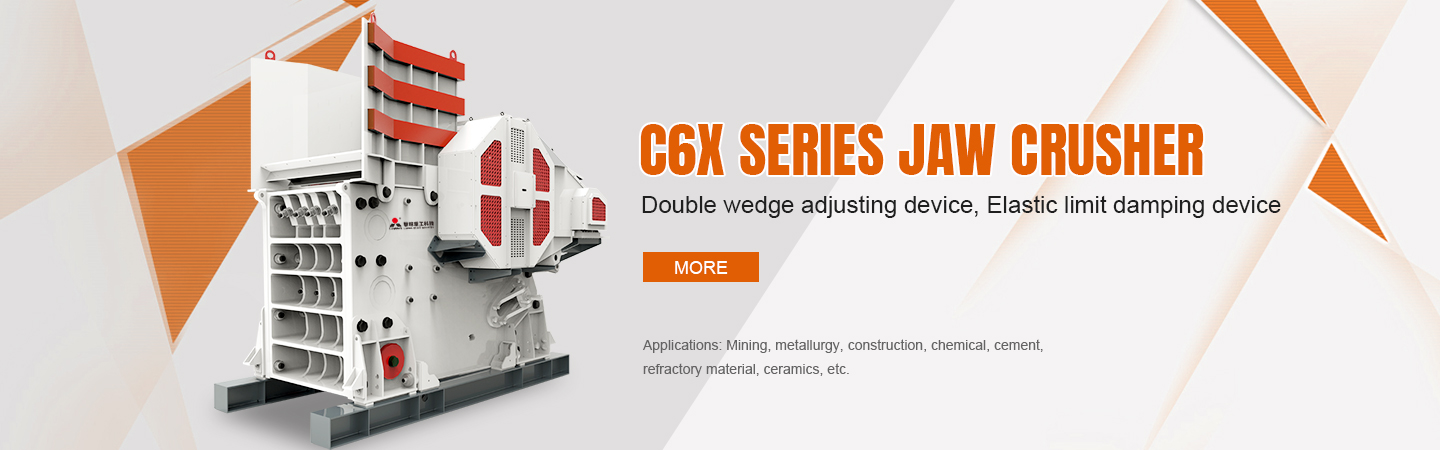
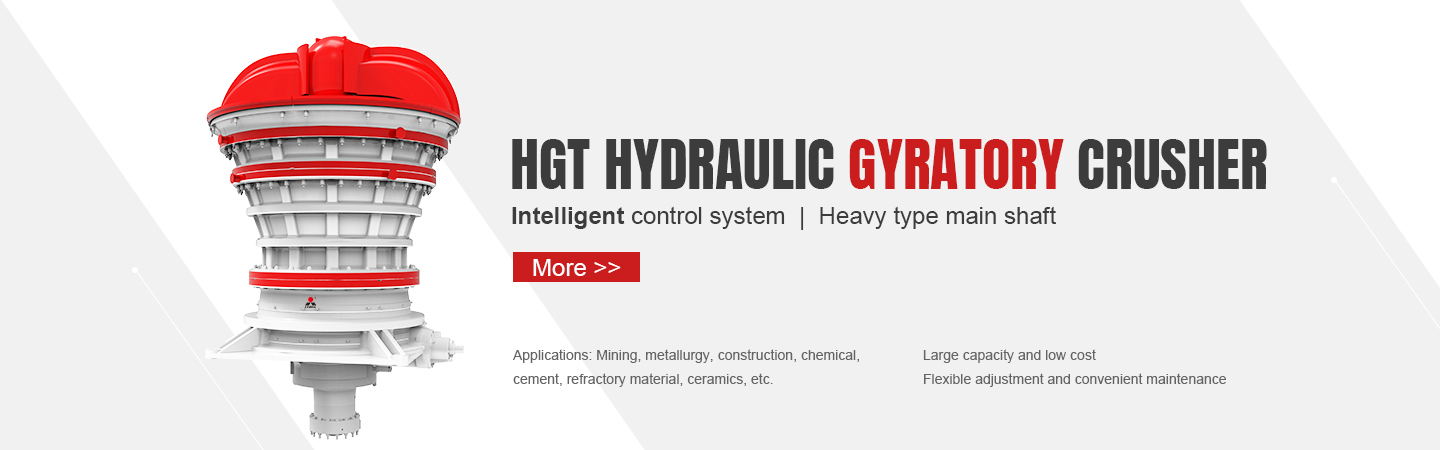
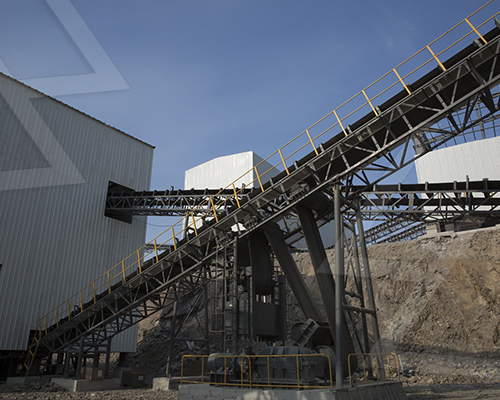
Primary crushing reduces run-of-mine ore from large boulders to material typically under 150 mm, using jaw or gyratory crushers. This stage is critical for preparing feed to downstream circuits and optimizing energy efficiency.
-
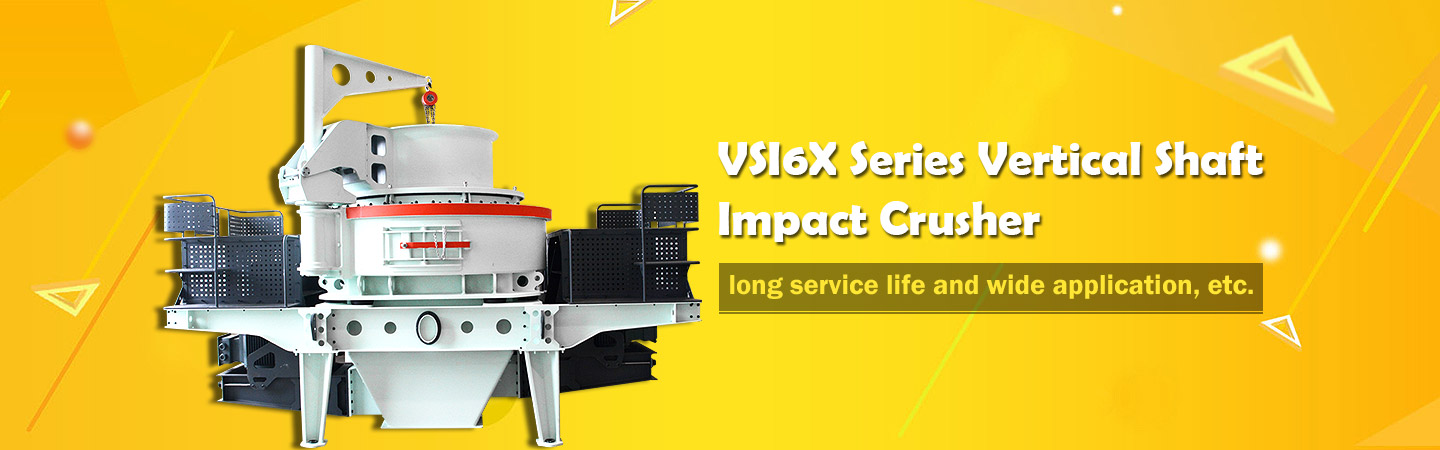
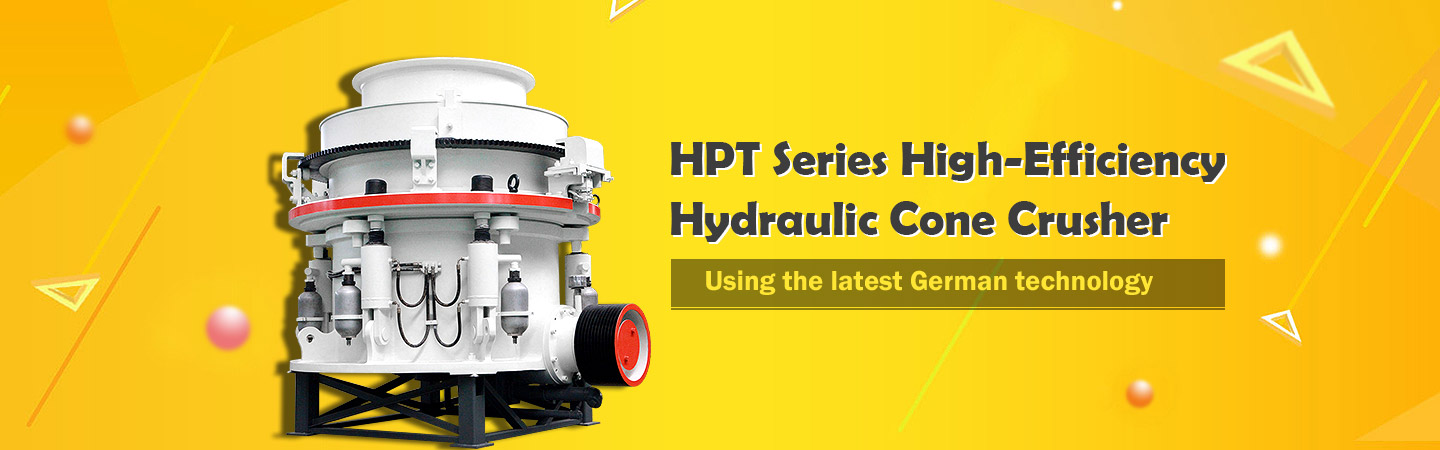
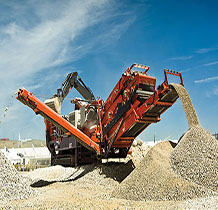
Secondary and tertiary crushing further reduce particle size to 10–25 mm, employing cone or impact crushers. Closed-circuit configurations with vibrating screens ensure consistent product size and minimize over-grinding.
-
Crushed ore is stockpiled or conveyed directly to grinding circuits. Homogenization during stacking and reclaiming helps stabilize feed grade and mineralogy, improving downstream metallurgical consistency.
-
Grinding transforms crushed ore into a slurry with liberated gold particles, typically reducing particle size to 75–150 µm. Ball mills and SAG (semi-autogenous grinding) mills are most common, selected based on ore hardness, throughput, and liberation characteristics.
-
SAG mills utilize the ore itself as grinding media, supplemented with steel balls, and are favored for their energy efficiency in large-scale operations. Ball mills provide finer grinding and are often used in regrind or secondary grinding roles.
-
Grinding efficiency is highly sensitive to feed size, mill loading, and slurry density. Advanced process control systems monitor power draw, bearing pressure, and cyclone performance to maintain optimal grind size (P80).
-
Liberation analysis via optical or automated mineralogy verifies that grinding achieves sufficient exposure of gold-bearing phases, especially in refractory ores where fine dissemination is common.
-
Over-grinding increases energy costs and may promote slimes generation, complicating downstream recovery. Under-grinding risks incomplete liberation and reduced gold recovery—both scenarios compromise overall economics.
-
Water balance and grinding media consumption are major operational considerations. High chrome steel balls or forged alloys are standard; media wear rates must be monitored to sustain grinding efficiency.
-
Liner design and mill speed influence grinding kinetics and maintenance intervals. Modern designs use modular lifters and composite materials to extend liner life and reduce downtime.
-
The final ground product is classified via hydrocyclones or spiral classifiers to ensure only properly sized slurry advances to gravity concentration, flotation, or leaching circuits. Efficient classification prevents misplacement of coarse particles and reduces recirculation load.
-
Proper crushing and grinding lays the foundation for maximum gold recovery. A well-designed comminution circuit balances capital intensity, energy use, and metallurgical performance, directly determining project viability.
Gravity Separation and Flotation Techniques Explained
-
Gravity separation leverages differences in specific gravity between gold particles and gangue minerals to achieve concentration. Given gold’s high density (19.3 g/cm³), it settles more rapidly than lighter silicate and oxide minerals when subjected to fluid pulsation or centrifugal forces. This principle is exploited in equipment such as shaking tables, spiral concentrators, jigs, and centrifugal concentrators like Knelson or Falcon units. In practice, gravity separation is most effective for free-milling ores containing coarse, liberated gold particles typically above 75 microns. It is often implemented early in the processing circuit to recover a significant portion of gold before downstream treatment, reducing both reagent consumption and energy costs. Optimal performance requires precise control over feed rate, water flow, and particle size distribution, with pre-concentration screening or classification frequently employed to enhance efficiency.
-
Flotation, in contrast, exploits differences in surface chemistry rather than density. Fine gold particles, often associated with sulfide minerals such as pyrite or arsenopyrite, are rendered hydrophobic through the addition of collectors—typically xanthates or dithiophosphates. The hydrophobic particles attach to air bubbles introduced into a slurry within flotation cells, forming a mineral-laden froth that is skimmed off as concentrate. Flotation is particularly suited for fine-grained, refractory ores where gold is not liberated by crushing alone and may be submicroscopic inclusions within sulfide matrices. The process allows for high selectivity through careful reagent optimization and pH control, commonly operating in slightly alkaline conditions (pH 8–10) to suppress unwanted gangue mineral floatation.
-
While gravity separation excels in recovering coarse, free gold with minimal reagent use, flotation dominates in complex, fine-grained deposits. Modern gold processing plants often integrate both techniques in a hybrid flowsheet: gravity recovery upfront captures coarse gold rapidly, while flotation recovers fine or sulfide-associated gold. This combined approach maximizes overall gold recovery, particularly in ores with heterogeneous particle size distribution and mineralogical complexity.
Cyanidation Leaching and Carbon-in-Pulp Methods
-
Gold recovery via cyanidation remains the dominant metallurgical process for liberating gold from host ores, particularly in low-grade, free-milling deposits. The method relies on the selective dissolution of gold into an aqueous alkaline cyanide solution, forming a stable dicyanoaurate complex:
Au + 2CN⁻ + ½O₂ + H₂O → [Au(CN)₂]⁻ + 2OH⁻.
Optimal leaching conditions require maintaining a pH between 10.5 and 11.0, typically achieved with lime addition, to prevent the evolution of toxic hydrogen cyanide gas and ensure reagent stability. -
Cyanidation is commonly implemented through tank leaching systems, where finely ground ore slurry is agitated with sodium cyanide (NaCN) at concentrations ranging from 100 to 500 ppm. Oxygen availability is critical; enhanced kinetics are often achieved via oxygen sparging or the use of oxidative additives such as lead nitrate, particularly in ores containing sulfide minerals that consume oxygen.
-
Following leaching, gold recovery from the pregnant solution is efficiently achieved through the Carbon-in-Pulp (CIP) process. Activated carbon, typically coconut-shell-based with high surface area and microporosity, is introduced directly into the leach tanks or subsequent adsorption tanks. Gold-cyanide complexes selectively adsorb onto the carbon surface, separating gold from the slurry. The number of adsorption stages typically ranges from 4 to 8, designed to maximize recovery while minimizing gold inventory loss.
-
Loaded carbon is separated from the slurry via screens and subjected to acid washing to remove scale and inorganic fouling, followed by elution—most commonly using the Zadra or AARL process—where gold is stripped under high temperature and pressure with a caustic cyanide solution. The resulting rich eluate is then processed through electrowinning, where gold is electrodeposited onto steel wool cathodes.
-
The final step involves smelting the loaded cathodes with fluxes to produce doré bars, typically assaying 80–90% gold. Carbon, after regeneration via thermal reactivation, is reused in the circuit. Process efficiency hinges on ore mineralogy, grind size, cyanide concentration, and retention time, with modern operations achieving gold recoveries exceeding 95% under optimized conditions.
Refining and Smelting: Producing High-Purity Gold Bullion
-
Crushed and concentrated gold ore undergoes initial purification via gravity separation, flotation, or leaching, yielding a doré-grade material or gold-rich concentrate suitable for refining.
-
Refining and smelting transform this intermediate product into high-purity gold bullion, typically meeting Good Delivery standards (99.99% Au minimum). Two principal methods dominate industrial practice: pyrometallurgical smelting and hydrometallurgical refining.
-
In pyrometallurgical processing, doré material—often a mixture of gold, silver, and base metals—is charged into a high-temperature induction or gas-fired furnace. A flux blend (typically borax, silica, and soda ash) is added to lower the melting point of impurities and form a fluid slag. At temperatures exceeding 1,100°C, gold and other noble metals coalesce into a molten bullion phase, while base metals oxidize and report to the slag layer.
-
The molten bullion is poured into molds to form doré bars, typically assaying between 70–90% gold. These are transported to specialized refineries for final purification.
-
For final refining, the Miller process is widely employed. Chlorine gas is bubbled through molten doré at approximately 1,050°C. Base metals and silver react preferentially to form chlorides, which float as slag and are removed. The process rapidly produces gold of 99.5% purity but does not eliminate platinum group metals (PGMs).
-
For higher purity (99.99%+), the Wohlwill electrolytic process is utilized. Doré bars serve as anodes in a hydrochloric acid–gold chloride electrolyte. Pure gold dissolves from the anode and deposits onto titanium or stainless-steel cathodes. Silver, PGMs, and other impurities remain in solution or as anode slimes, which are separately processed for recovery.
-
Final product verification involves fire assay, inductively coupled plasma mass spectrometry (ICP-MS), and X-ray fluorescence (XRF) to certify purity and trace element profile.
-
Certified gold is cast into standard bars (e.g., 400-troy-ounce Good Delivery bars) under controlled conditions with full chain-of-custody documentation. Each bar is uniquely serialized and inspected for integrity, weight, and hallmarking compliance prior to storage or shipment.
Frequently Asked Questions
What are the key stages in a gold mining processing plan?
A gold mining processing plan typically includes several key stages: exploration and resource definition, mining method selection (open-pit or underground), ore transportation, crushing and grinding, gravity separation, flotation, cyanidation (such as carbon-in-leach or carbon-in-pulp), gold recovery (via electrowinning or zinc precipitation), and final refining. Each stage is optimized based on ore characteristics and economic modeling to ensure maximum recovery and cost efficiency.
How is ore characterization used to design a gold processing flow sheet?
Ore characterization involves detailed geochemical and mineralogical analysis to determine gold liberation size, association with sulfides or other minerals, presence of preg-robbing materials, and cyanide solubility. This data directly informs the selection of comminution requirements, choice between gravity, flotation, or leaching methods, and modifications such as pre-oxidation for refractory ores, ensuring an optimized, fit-for-purpose process design.
What role does gravity separation play in modern gold processing?
Gravity separation remains a critical pre-concentration step, particularly for free-milling ores with coarse gold particles. Devices like Knelson concentrators and Falcon centrifugal separators efficiently recover liberated gold early in the circuit, reducing downstream processing load and improving overall recovery—especially in operations processing high-tonnage, low-grade material.
When is flotation preferred over cyanidation in gold processing?
Flotation is typically preferred for refractory ores where gold is finely disseminated within sulfide minerals like pyrite or arsenopyrite, making direct cyanidation inefficient. By concentrating gold-bearing sulfides into a smaller mass, flotation enriches the material for downstream pressure oxidation or roasting prior to leaching, enhancing recovery while reducing reagent and energy costs.
How do carbon-in-leach (CIL) and carbon-in-pulp (CIP) differ in gold recovery?
In CIL, activated carbon is added directly to leaching tanks, allowing simultaneous leaching and adsorption of dissolved gold. CIP, by contrast, performs leaching first, then passes the pregnant solution through separate carbon adsorption tanks. CIL typically achieves higher recovery in simpler circuits, while CIP offers greater control and flexibility, especially in complex or variable feed scenarios.
What measures are taken to treat refractory gold ores?
Refractory gold ores require pre-treatment to liberate encapsulated gold. Common methods include oxidative processes such as roasting, pressure oxidation (POX), and bio-oxidation. These break down sulfide matrices, exposing gold to cyanide. POX is favored for high-sulfur ores due to high recovery rates and environmental compliance, while bio-oxidation offers a lower-cost, eco-friendly alternative for suitable deposits.
How is water and reagent management optimized in gold processing plants?
Optimized water and reagent management involves closed-loop water recycling, pH control systems, and real-time monitoring of cyanide and oxygen levels. Advanced process control systems regulate reagent dosing based on feed variability, minimizing consumption and environmental impact. Tailings detoxification (e.g., using SO₂/air) ensures safe discharge and regulatory compliance.
What safety and environmental considerations are critical in gold processing?
Critical considerations include containment of cyanide through rigorous handling protocols and ISO 14001-compliant management systems, tailings storage facility (TSF) integrity per Global Industry Standard on Tailings Management (GISTM), dust suppression in crushing/grinding circuits, and stringent monitoring of air and water emissions. Reclamation planning and community engagement are also integral to sustainable operations.
How does automation improve efficiency in gold processing?
Automation enhances efficiency through real-time data acquisition, predictive maintenance, and closed-loop control of key parameters (e.g., pulp density, reagent dosing, and carbon retention time). Supervisory control and data acquisition (SCADA) systems, coupled with machine learning models, allow dynamic optimization of recovery rates and energy use, reducing downtime and operational variability.
What are the economic factors influencing gold processing plant design?
Plant design is influenced by capital and operating costs, ore grade, throughput requirements, recovery targets, metallurgical complexity, infrastructure availability, and market conditions. Early-stage feasibility studies (pre-feasibility and bankable feasibility) evaluate trade-offs between process options (e.g., CIP vs. CIL, flotation vs. whole-ore leaching) to optimize net present value (NPV) and internal rate of return (IRR).
How is tailings management integrated into gold processing planning?
Tailings management is integrated from conception, incorporating thickened discharge, paste tailings, or dry stacking depending on water scarcity and seismic risk. Designs include liners, monitoring wells, and long-term stability assessments. Modern plans emphasize water recovery, geochemical stabilization, and post-closure land use, aligning with ESG goals and regulatory frameworks.
What emerging technologies are shaping the future of gold processing?
Innovations such as sensor-based ore sorting, high-pressure grinding rolls (HPGR), thiosulfate leaching (as a non-toxic alternative to cyanide), and hybrid processing (e.g., gravity-flotation-leach circuits) are gaining traction. Additionally, digital twins and AI-driven optimization platforms are transforming predictive modeling and real-time plant management, boosting recovery and sustainability.