Table of Contents
- Understanding the Iron Ore Mining Lifecycle from Exploration to Production
- Key Stages in the Iron Ore Extraction and Processing Workflow
- Essential Machinery Used in Modern Iron Ore Mining Operations
- Cutting-Edge Technologies Transforming Iron Ore Processing Efficiency
- Iron Ore Mining Equipment Price Trends and Cost Analysis 2024
- Frequently Asked Questions
- What is the primary method used in iron ore mining today?
- What are the key stages in the iron ore processing chain?
- Which machinery is essential for large-scale iron ore extraction?
- How does beneficiation improve iron ore quality?
- What is the role of automation in modern iron ore mining?
- What are the environmental impacts of iron ore mining and how are they mitigated?
- What is the typical capital investment for setting up an iron ore mining operation?
- How are iron ore prices linked to mining equipment investment decisions?
- What safety technologies are integrated into modern iron ore mining equipment?
- How do pelletizing plants fit into the iron ore production cycle?
- What are the latest innovations in energy-efficient iron ore processing?
- How do global supply chains influence iron ore mining machinery procurement?
Iron ore, the backbone of the global steel industry, fuels modern infrastructure and economic development—yet its journey from raw earth to refined material is a complex, technology-driven endeavor. Understanding the iron ore mining process and the specialized machinery involved is essential for industry professionals, investors, and engineers alike. From exploration and drilling to blasting, hauling, crushing, and beneficiation, each stage relies on advanced equipment engineered for efficiency, durability, and precision. Innovations in mining technology have not only increased output but also enhanced safety and environmental sustainability. This comprehensive guide delves into every phase of the iron ore extraction process, highlighting key machinery such as excavators, haul trucks, crushers, and magnetic separators, while providing up-to-date insights into equipment pricing across global markets. Whether you’re planning a mining operation or optimizing an existing setup, this article offers a detailed, expert perspective on the tools and techniques shaping the future of iron ore production.
Understanding the Iron Ore Mining Lifecycle from Exploration to Production
-
Exploration
Iron ore mining begins with geological exploration to identify potential ore bodies. This phase employs geophysical surveys, remote sensing, satellite imagery, and drilling to assess the size, grade, and economic viability of deposits. Core samples are analyzed to determine iron content, mineralogy, and impurities. Advanced modeling software helps estimate reserves and plan resource extraction. -
Permitting and Feasibility
Following discovery, technical, environmental, and economic feasibility studies are conducted. These evaluate capital and operating costs, infrastructure needs, market conditions, and environmental impact. Regulatory approvals, including environmental permits and land-use rights, are secured before development proceeds. This stage may take several years and is critical for securing investment. -
Mine Development
Once feasibility is confirmed, mine infrastructure is constructed. This includes access roads, power supply, water management systems, processing plants, and waste storage facilities. Open-pit or underground mining methods are selected based on deposit geometry and depth. Open-pit is most common for iron ore due to shallow, laterally extensive deposits. -
Production
Extraction begins with drilling, blasting, and loading of ore using heavy machinery such as hydraulic shovels, excavators, and haul trucks. The mined material is transported to crushing and screening plants where it is reduced in size and classified. Subsequent beneficiation processes—such as magnetic separation, gravity concentration, and flotation—upgrade the ore to achieve market-grade concentrate (typically 60–67% Fe). For low-grade ores, pelletizing or sintering may follow to produce agglomerated feed for blast furnaces. -
Closure and Rehabilitation
Upon depletion, the mine enters closure. Equipment is decommissioned, waste facilities are secured, and land is rehabilitated to meet environmental standards. Long-term monitoring ensures ecosystem stability and water quality compliance.
Throughout the lifecycle, equipment selection—drills, haul trucks, crushers, separators—is driven by deposit characteristics, production scale, and cost-efficiency. Modern operations integrate automation and digital monitoring to optimize safety, throughput, and recovery rates. The entire process, from first drill to final rehabilitation, spans decades and demands rigorous planning, regulatory compliance, and sustainable practices.
Key Stages in the Iron Ore Extraction and Processing Workflow
-
Exploration and Resource Definition
Geological surveys, remote sensing, and drilling campaigns identify and quantify iron ore deposits. Core samples undergo geochemical analysis to determine ore grade, mineralogy, and spatial continuity. This stage establishes compliance with JORC or NI 43-101 standards, forming the basis for feasibility studies. -
Mine Planning and Development
Engineers design open-pit or underground mine layouts based on ore body geometry, geotechnical data, and economic constraints. Infrastructure—including access roads, power supply, water management systems, and waste rock dumps—is developed. Pre-stripping removes overburden to expose the ore body in open-pit operations. -
Extraction (Mining)
Large-scale drilling and blasting fragment the ore in bench sequences. Hydraulic excavators and electric rope shovels load fragmented material into haul trucks (typically 90–400 tonnes capacity) for transport to primary crushers. For direct shipping ore (DSO), minimal processing may be required before transport to port. -
Primary Crushing
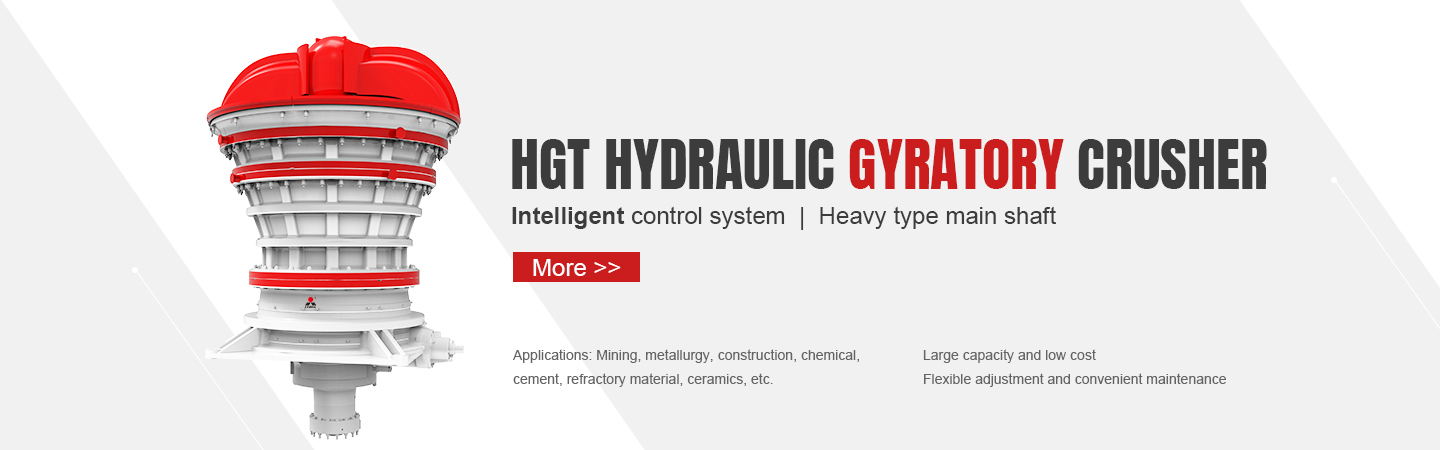
Ore is fed into primary gyratory or jaw crushers, reducing run-of-mine (ROM) material from up to 1.5 m to approximately 150–250 mm. Crushers are often stationed at the mine face or within ROM pads, with conveyor systems transporting crushed ore to secondary processing areas. -
Secondary and Tertiary Crushing
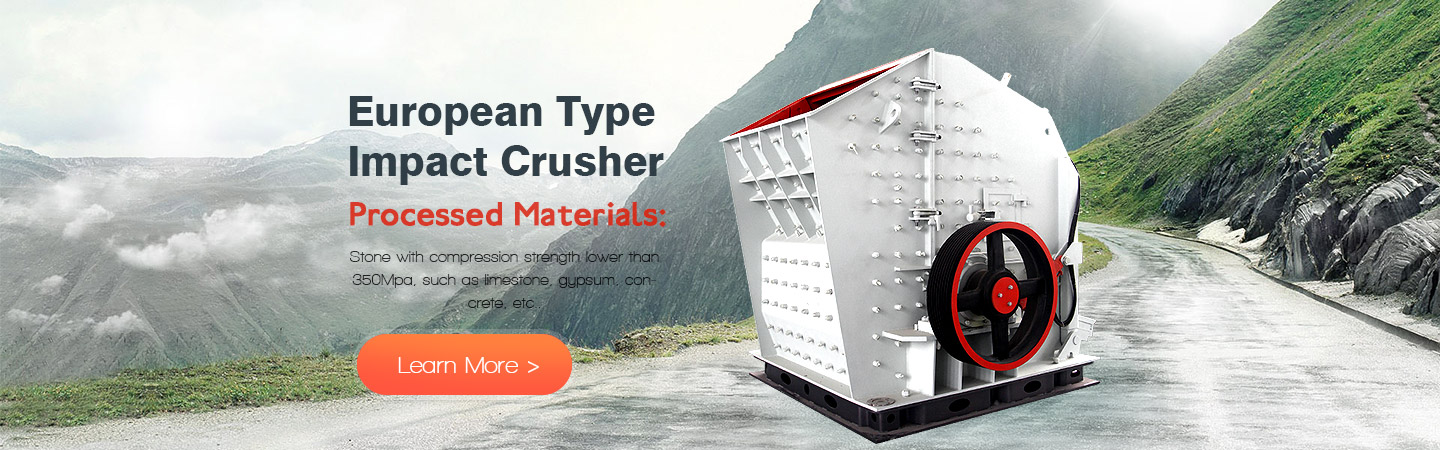
Cone or impact crushers further reduce particle size to 10–25 mm. Closed-circuit configurations with vibrating screens ensure consistent product size. Proper crushing optimizes downstream grinding efficiency and energy consumption. -
Grinding
Ball mills or SAG (semi-autogenous grinding) mills reduce ore to 75–150 µm. Steel balls or the ore itself act as grinding media. Slurry concentration is precisely controlled to facilitate effective liberation of hematite or magnetite from gangue minerals. -
Beneficiation
Methods vary by ore type. For hematite, washing, screening, and gravity separation remove clay and fines. For magnetite, low-intensity magnetic separators extract iron minerals. Flotation may remove silica and alumina impurities. Spirals, hydrocyclones, and thickening assist in particle separation. -
Pelletizing or Sintering (Agglomeration)
Concentrated fines are agglomerated into uniform, high-strength feed for blast furnaces. In pelletizing, fine ore is mixed with binders and rolled into green pellets, then fired at 1200–1350°C. Sintering blends fines with flux and coke, igniting them into porous sinter cake. -
Dewatering and Tailings Management
Concentrate is dewatered using filters or centrifuges to reduce moisture for transport. Tailings are pumped to engineered storage facilities with monitoring systems for environmental compliance. Dry stacking is increasingly adopted to reduce water use and risk. -
Transport and Shipping
Final product—lump, fines, or pellets—is transported via rail or conveyor to port facilities. Automated loading systems ensure accurate shipment weights and minimize dust emissions. Quality control labs verify grade and composition before export.
Essential Machinery Used in Modern Iron Ore Mining Operations
-
Drilling machinery: Modern iron ore mining relies heavily on rotary blasthole drills for precision drilling in hard rock formations. These rigs, such as the Sandvik DR412i or Atlas Copco Pit Viper series, deliver high penetration rates and accurate hole placement to optimize blasting efficiency. Hydraulic top-hammer and down-the-hole (DTH) variants are selected based on deposit hardness and production scale.
-
Excavation equipment: Electric rope shovels (e.g., P&H 4100XPC) and hydraulic excavators (e.g., Komatsu PC8000) dominate the loading phase. These machines offer high bucket capacities (up to 55 m³) and reliability under continuous operation. Load-haul-dump (LHD) units are used in underground iron ore operations where space constraints require maneuverability and efficient muck removal.
-
Haulage systems: Ultra-class haul trucks, including the Caterpillar 797F and BelAZ 75710, transport ore from pit to crusher. With payloads exceeding 360 metric tons, these diesel-electric or mechanical drive trucks are engineered for durability on steep haul roads. For deeper pits, in-pit crushing and conveying (IPCC) systems reduce reliance on trucking, improving energy efficiency and lowering operating costs.
-
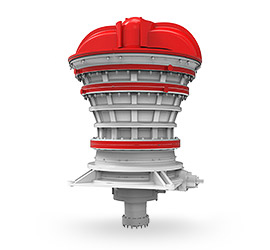
Crushing and screening: Primary gyratory crushers (e.g., ZWC Superior MK-II) reduce run-of-mine ore to manageable sizes. Secondary and tertiary cone or impact crushers further refine material for beneficiation. Vibrating screens classify output by size, ensuring uniform feed for downstream processes. Modular, mobile crushing units are increasingly adopted for flexibility in remote or phased operations.
-
Conveying systems: Overland belt conveyors, often kilometers in length, transfer crushed ore to processing plants. Equipped with monitoring systems for tension, alignment, and wear, these systems ensure continuous throughput with minimal downtime.
-
Auxiliary and support machinery: Dozers (e.g., Caterpillar D11), graders, and water trucks maintain site infrastructure and ensure safe, efficient operations. Fleet management systems (e.g., Hexagon MinePlan or Wenco) integrate GPS and telemetry for real-time equipment tracking, optimizing utilization and maintenance scheduling.
Each machine class is selected based on ore body geometry, production targets, and site logistics. Capital and operational costs vary significantly—electric shovels range $10–15 million, while ultra-class haul trucks cost $5–7 million each. Lifecycle costs, fuel efficiency, automation compatibility, and maintenance intervals are critical decision factors in fleet procurement.
Cutting-Edge Technologies Transforming Iron Ore Processing Efficiency
-
Advanced sensor-based ore sorting systems are revolutionizing pre-concentration in iron ore processing, enabling real-time material classification based on elemental composition. Utilizing technologies such as X-ray transmission (XRT) and laser-induced breakdown spectroscopy (LIBS), these systems accurately identify and eject waste rock before grinding, reducing energy consumption and throughput load by up to 30%.
-
High-intensity magnetic separation (HIMS) has evolved with rare-earth drum magnets offering superior field gradients, allowing for more efficient recovery of fine hematite and magnetite particles. Modern designs integrate automated feed control and real-time monitoring, enhancing separation precision and reducing reliance on water-intensive methods.
-
The integration of digital twin technology enables dynamic simulation of entire beneficiation circuits. By mirroring physical plants in virtual environments, operators optimize parameters such as slurry density, retention time, and reagent dosage, leading to consistent product quality and reduced downtime through predictive maintenance.
-
Flotation processes have advanced with next-generation reagents tailored for silicate gangue removal. These collectors improve selectivity and reduce environmental impact due to lower dosage requirements and biodegradability. Coupled with microcell flotation technology, recovery rates for ultrafine particles have increased significantly.
-
Automation and AI-driven process control systems leverage machine learning algorithms to analyze historical and real-time operational data. These systems autonomously adjust crusher settings, screen apertures, and hydrocyclone pressures, maintaining optimal performance under variable feed conditions.
-
Dry processing technology is gaining traction in water-scarce regions. Electrostatic and vibrational air classifiers now achieve effective particle segregation without water, minimizing environmental footprint and tailings generation. Piloted installations in Australia and Brazil report iron recovery rates exceeding 88% in coarse fractions.
-
Modular and mobile processing units equipped with integrated IoT sensors allow rapid deployment and scalability, particularly beneficial for remote or satellite deposits. These units reduce capital expenditure and accelerate time-to-production while maintaining high recovery efficiency.
-
Energy-efficient comminution strategies, including high-pressure grinding rolls (HPGR) and vertical stirred mills, are displacing conventional ball mills in regrind circuits. HPGR units reduce specific energy consumption by 20–30% while generating a favorable particle size distribution for downstream concentration.
These technologies collectively enhance throughput, reduce operating costs, and support sustainability objectives in modern iron ore operations. Their adoption reflects a strategic shift toward intelligent, adaptive, and environmentally responsible processing infrastructure.
Iron Ore Mining Equipment Price Trends and Cost Analysis 2024
-
Global iron ore mining equipment prices in 2024 reflect moderate upward pressure driven by inflationary input costs, supply chain recalibrations, and rising demand for high-efficiency, automation-integrated machinery. Key equipment segments—including primary gyratory crushers, overland conveyors, high-capacity haul trucks, and advanced screening systems—have seen average price increases of 4.5% to 7.5% year-on-year.
-
Electric rope shovels (e.g., Komatsu P&H 4100XPC, Caterpillar 6060FS) now range from $11.5M to $14.2M, influenced by increased copper and steel costs and expanded onboard digital monitoring systems. Similarly, 360-ton-class haul trucks (e.g., Liebherr T 264, BelAZ 75311) are priced between $5.8M and $7.1M, with hybrid-electric models commanding a 12–15% premium due to fuel efficiency and emissions compliance.
-
Crushing and screening equipment has experienced differentiated pricing. Modular, mobile crushing plants with integrated automation have risen 6.8% on average, now retailing from $1.8M to $3.4M depending on throughput (1,500–3,000 tph). Fixed primary gyratory crushers (e.g., ZWC Nordberg GPY600) range from $850,000 to $1.3M, with higher costs linked to smart diagnostics and predictive maintenance packages.
| Equipment Type | Average 2024 Price Range (USD) | Key Cost Drivers |
|---|---|---|
| Electric Rope Shovel | $11.5M – $14.2M | Material inputs, automation integration |
| 360-ton Haul Truck | $5.8M – $7.1M | Powertrain type, hybrid premium |
| Mobile Crushing Plant | $1.8M – $3.4M | Throughput, modular design |
| Primary Gyratory Crusher | $850,000 – $1.3M | Smart systems, service contracts |
| Overland Conveyor System | $120,000 – $200,000 per km | Belt width, control systems, length |
-
Operational cost analysis indicates a 9% average increase in total cost of ownership (TCO) over 2023, primarily from energy consumption, skilled labor for digital systems, and maintenance of emissions-reducing technologies. However, ROI improves over five-year cycles due to 18–22% gains in fuel efficiency and 30% lower unplanned downtime in automated fleets.
-
Regional disparities persist: equipment delivered in Latin America and Africa incurs 10–15% higher landed costs due to logistics and import duties. Conversely, Asia-Pacific buyers benefit from localized manufacturing and service hubs, reducing procurement lead times by up to 25%.
-
Long-term pricing stability is anticipated beyond 2024, contingent on resolution of rare earth supply constraints and continued adoption of circular economy practices in equipment manufacturing.
Frequently Asked Questions
What is the primary method used in iron ore mining today?
The primary method used in iron ore mining today is open-pit (or open-cast) mining, which involves removing large quantities of overburden to access shallow, laterally extensive ore bodies. This method dominates the industry due to its cost-efficiency, scalability, and compatibility with large-scale machinery such as drills, haul trucks, and excavators. For deeper deposits, underground mining methods like sublevel caving are used, though they account for a smaller fraction of global output.
What are the key stages in the iron ore processing chain?
The iron ore processing chain consists of five major stages: (1) Drilling and blasting to fragment the ore, (2) Loading and hauling using excavators and dump trucks, (3) Crushing and screening to reduce ore size, (4) Beneficiation (including magnetic separation, gravity separation, and flotation) to increase iron content, and (5) Pelletizing or sintering to prepare the concentrate for blast furnace use. Each stage relies on specialized machinery calibrated for throughput, efficiency, and grade optimization.
Which machinery is essential for large-scale iron ore extraction?
Essential machinery includes rotary blasthole drills (e.g., Atlas Copco Pit Viper series), electric rope shovels (e.g., P&H 4100XPC), high-capacity haul trucks (e.g., Caterpillar 797F, 400-ton capacity), wheel loaders, in-pit crushing and conveying (IPCC) systems, gyratory and cone crushers, high-intensity magnetic separators, and pelletizing drums. These machines are selected based on ore hardness, production volume, and site infrastructure.
How does beneficiation improve iron ore quality?
Beneficiation increases the iron (Fe) content from as low as 30–40% to over 60–65% by removing silica, alumina, and other gangue materials. Processes include jigging, spirals, magnetic separation for magnetite ores, reverse flotation for hematite, and dewatering using thickeners and filters. Advanced sensor-based ore sorting is increasingly used to pre-concentrate feed and reduce downstream costs.
What is the role of automation in modern iron ore mining?
Automation enhances safety, productivity, and operational consistency. Autonomous haulage systems (AHS), like those from Caterpillar and Komatsu, operate 24/7 with reduced fuel use and maintenance. Drill automation (e.g., Hexagon SmartROC), automated blast monitoring, and remote-operated crushers improve precision. Mine planning software (Deswik, Surpac) enables real-time grade control and fleet management via integrated GPS and telemetry.
What are the environmental impacts of iron ore mining and how are they mitigated?
Major environmental impacts include land degradation, dust emissions, water contamination, and high energy consumption. Mitigation includes dust suppression (water sprays, chemical binders), reclamation plans with topsoil preservation, closed-loop water recycling systems, tailings storage facilities (TSFs) with geosynthetic liners, and adoption of electric or hybrid haulage to reduce carbon emissions. ISO 14001-compliant environmental management systems are standard in tier-1 operations.
What is the typical capital investment for setting up an iron ore mining operation?
Capital expenditure for a greenfield iron ore mine ranges from $1.5 billion to $3+ billion, depending on scale, location, and infrastructure needs. This includes $300–500 million for drilling and excavation equipment, $400–700 million for processing plants, $200–400 million for haul trucks and support fleet, and additional costs for rail, port access, power, and water systems. Pre-feasibility and feasibility studies typically cost $10–30 million.
How are iron ore prices linked to mining equipment investment decisions?
Iron ore prices (benchmarked via Platts IODEX) directly influence CAPEX decisions. At prices above $100/ton, mining companies invest in expansion, automation, and efficiency upgrades. Below $70/ton, operations prioritize cost containment, idling marginal pits, or upgrading to lower-cost processing methods. Equipment financing and leasing options are often leveraged during price volatility to preserve liquidity.
What safety technologies are integrated into modern iron ore mining equipment?
Modern machinery incorporates collision avoidance systems (CAS), proximity detection, fatigue monitoring, automated fire suppression, and real-time structural health monitoring via IoT sensors. Equipment like Komatsu’s Intelligent Machine Control (iMC) systems use 3D machine guidance to prevent over-excavation. Remote operation centers reduce personnel exposure in high-risk zones.
How do pelletizing plants fit into the iron ore production cycle?
Pelletizing plants convert fine iron ore concentrate into durable, high-grade pellets (62–66% Fe) suitable for blast furnaces and direct reduction plants. The process involves mixing concentrate with binders (e.g., bentonite), forming green pellets in disc or drum pelletizers, then indurating at 1200–1350°C in straight-grate or grate-kiln furnaces. A typical high-capacity plant processes 5–10 million tons per year with CAPEX of $500M–$1B.
What are the latest innovations in energy-efficient iron ore processing?
Innovations include high-pressure grinding rolls (HPGR) reducing energy use by 20–30% in comminution, sensor-based ore sorting to discard waste pre-crushing, dry magnetic separation to minimize water use, and digital twin modeling for optimizing plant performance. Renewable energy integration (solar, wind) powers remote operations, while electrified haul trucks (e.g., Volvo’s EL100) are entering pilot stages to cut emissions.
How do global supply chains influence iron ore mining machinery procurement?
Global supply chains affect lead times, costs, and technology access. OEMs like Sandvik, ZWC, and FLSmidth dominate high-end processing equipment, while Chinese manufacturers (Sino Steel, CITIC HEAVY) offer cost-effective alternatives. Sanctions, trade policies, and logistics disruptions (e.g., port congestion) impact delivery schedules. Leading miners use long-term OEM partnerships and regional spare parts hubs to ensure uptime.