
Table of Contents
- Understanding Crusher Equipment: Essential Machines for Material Reduction
- Types of Crusher Equipment: Jaw, Cone, Impact, and Mobile Crushers Compared
- Industrial Applications of Crusher Machinery in Mining and Construction
- How to Choose the Right Crusher Equipment for Your Project Requirements
- Maintenance and Operational Best Practices for Long-Lasting Crusher Performance
- Frequently Asked Questions
- What types of crusher equipment are commonly used in aggregate production?
- How do I select the right crusher for hard rock mining applications?
- What maintenance practices extend the life of crusher equipment?
- How does closed-circuit crushing improve efficiency?
- What are the advantages of mobile versus stationary crusher equipment?
- How do I optimize crusher settings for maximum productivity?
- What safety features are essential in modern crusher equipment?
- How does automation enhance crusher equipment performance?
- What causes excessive wear in crusher liners, and how can it be minimized?
- How does feed material variability impact crusher selection?
- What role does crusher chamber design play in product quality?
- Can electric and hybrid systems be integrated into crusher equipment?
In the dynamic world of mining, construction, and aggregate production, crusher equipment stands as a cornerstone of operational efficiency and material processing excellence. These powerful machines transform raw, bulky materials into valuable, manageable sizes, enabling everything from road construction to mineral extraction. With evolving project demands and technological advancements, selecting the right crusher is no longer just about breaking rock—it’s about optimizing throughput, minimizing downtime, and maximizing return on investment. From jaw and cone crushers to impactors and gyratory models, each type offers distinct advantages tailored to specific applications and material characteristics. Understanding the nuances between them is essential for achieving peak performance in diverse operating environments. This comprehensive guide explores the most common types of crushers, their ideal applications, and expert selection strategies to help industry professionals make informed decisions. Equip your operations with the right crushing solution and unlock new levels of productivity and efficiency in today’s competitive landscape.
Understanding Crusher Equipment: Essential Machines for Material Reduction
-
Primary function of crusher equipment is the mechanical reduction of large solid materials into smaller, more manageable fragments through compression, impact, or attrition forces. These machines are foundational in industries such as mining, quarrying, construction, and recycling, where size reduction is a prerequisite for processing, transportation, or reuse of materials.
-
Crushing operations typically occur in multiple stages: primary, secondary, tertiary, and occasionally quaternary. Primary crushers handle raw, run-of-mine material and are designed for high throughput and robustness. Secondary and tertiary crushers further refine the output to meet precise size specifications required for downstream processes.
-
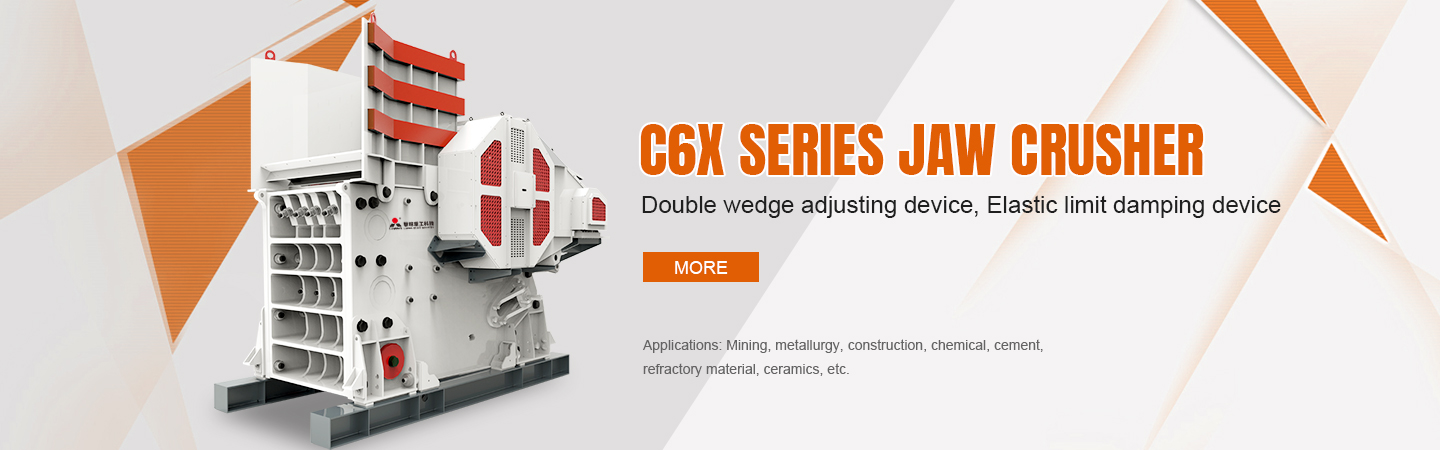
Jaw crushers are commonly used in primary crushing due to their ability to process hard, abrasive feed materials with high reduction ratios. They operate on the principle of compressive force, utilizing a fixed and a reciprocating jaw plate to fracture material.
-
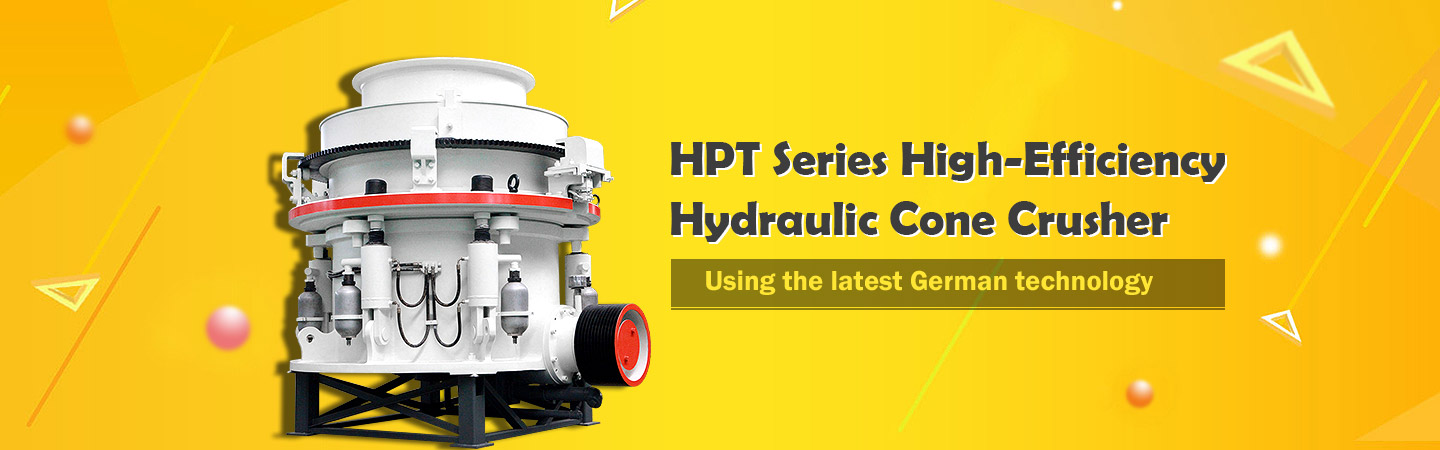
Cone crushers excel in secondary and tertiary applications, offering consistent product shape and fine gradation control. They use a rotating mantle inside a concave bowl to compress material against a fixed surface, ideal for producing aggregates with cubical particle geometry.
-
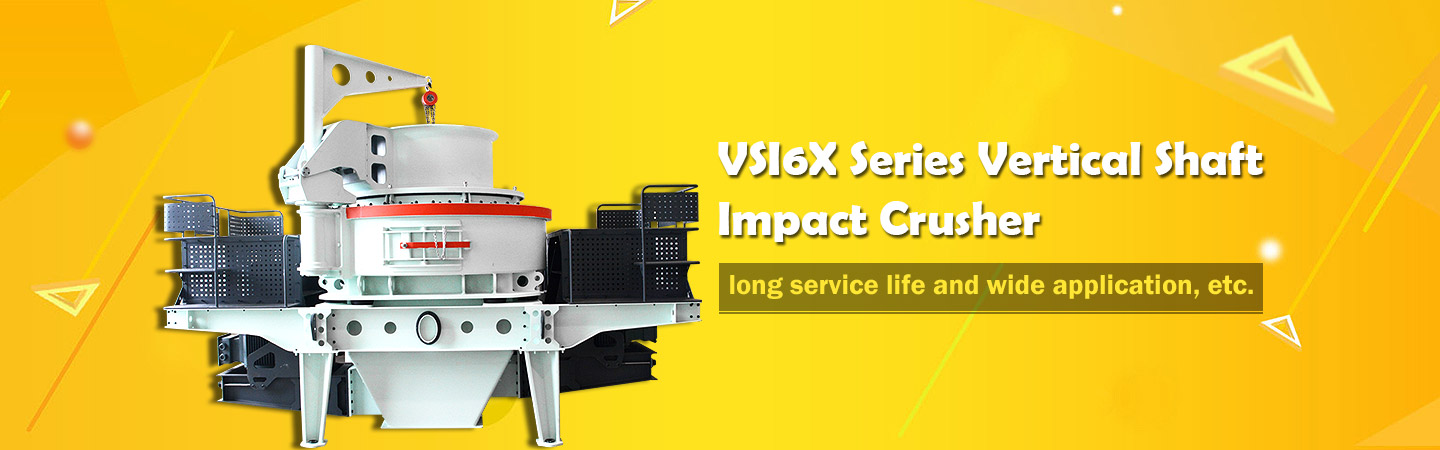
Impact crushers, including horizontal shaft impactors (HSI) and vertical shaft impactors (VSI), rely on high-speed impact to break material. HSIs are effective for softer rocks and recycling applications, while VSIs are preferred for shaping and fine-tuning particle size in high-value aggregate production.
-
Selection of crusher type depends on several factors: feed size, material hardness (measured by Mohs or compressive strength), desired output size, moisture content, and production capacity. Operational efficiency is further influenced by maintenance requirements, power consumption, and wear part longevity.
-
Modern crusher systems integrate automation and monitoring technologies to optimize performance, reduce downtime, and extend equipment life. Features such as overload protection, real-time diagnostics, and adjustable settings enhance control over product quality and throughput.
-
Proper application-specific selection, combined with routine maintenance and operator training, ensures maximum efficiency and return on investment in crusher equipment.
Types of Crusher Equipment: Jaw, Cone, Impact, and Mobile Crushers Compared
-
Jaw Crushers: Jaw crushers are primary crushing machines used to reduce large rocks into smaller, manageable sizes. Operating on the principle of compressive force, they utilize a fixed and a reciprocating jaw to fracture material. The stationary jaw, typically made of high-manganese steel, forms a V-shaped cavity with the moving jaw. Ideal for hard, abrasive feed material, jaw crushers offer high reduction ratios and consistent output. They are commonly deployed in mining, quarrying, and recycling operations where initial size reduction is critical. Maintenance is relatively straightforward, though wear parts require periodic inspection.
-
Cone Crushers: Designed for secondary and tertiary crushing, cone crushers excel in producing uniformly shaped aggregates. They function by compressing material between a rotating mantle and a concave liner. With a high reduction ratio and excellent product shape, cone crushers are optimal for processing medium to hard rock such as granite, basalt, and iron ore. Modern hydraulic systems enable overload protection and automated setting adjustments, enhancing operational efficiency and minimizing downtime. They are widely used in high-capacity aggregate production and mineral processing.
-
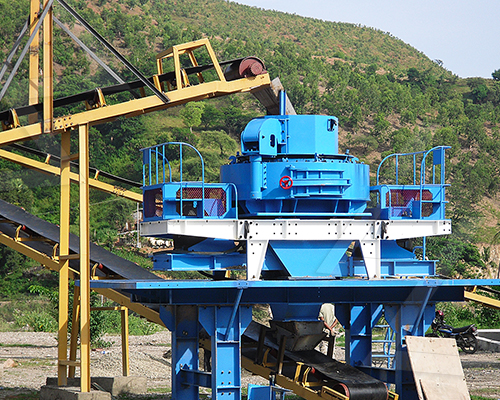
Impact Crushers: Impact crushers, including horizontal shaft impactors (HSI) and vertical shaft impactors (VSI), rely on high-speed impact to break material. HSIs are suitable for soft to medium-hard materials and deliver cubical product shapes, making them ideal for asphalt and concrete recycling. VSIs are used for fine crushing and shaping, particularly in producing high-quality manufactured sand. Impact crushers offer high throughput and excellent product consistency, though they are less effective on highly abrasive feed.
-
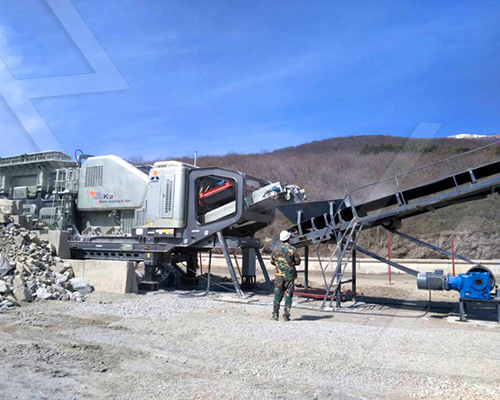
Mobile Crushers: Mobile crushing units integrate jaw, cone, or impact crushers onto tracked or wheeled platforms, enabling mobility across sites. They provide flexibility in remote or changing locations, reduce material handling costs, and accelerate project timelines. Equipped with feeding, crushing, and screening components, mobile crushers are widely adopted in demolition, mining, and infrastructure projects requiring rapid deployment.
| Crusher Type | Best Application | Feed Material Hardness | Output Shape |
|---|---|---|---|
| Jaw | Primary crushing | Hard to very hard | Irregular |
| Cone | Secondary/Tertiary | Medium to hard | Cubical |
| Impact (HSI/VSI) | Shaping, recycling | Soft to medium | Cubical to fine |
| Mobile | Variable site operations | Varies by configuration | Varies |
Industrial Applications of Crusher Machinery in Mining and Construction
-
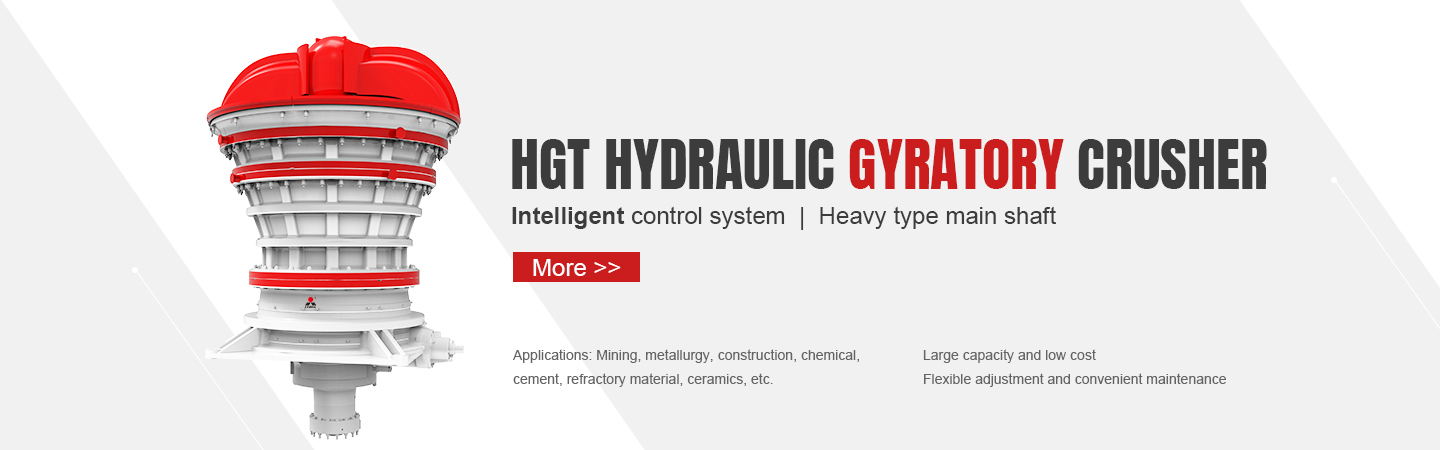
Primary and secondary crushing in mining operations utilize jaw and gyratory crushers to reduce run-of-mine ore into manageable sizes for downstream processing. These machines handle feed sizes exceeding 1 meter and are engineered for high throughput under abrasive conditions, ensuring consistent output for milling circuits.
-
Cone crushers dominate tertiary and quaternary stages, delivering precise size reduction for liberating valuable minerals. Their ability to produce uniformly shaped particles improves grinding efficiency and reduces energy consumption in mineral processing plants.
-
In large-scale open-pit and underground mining, mobile and track-mounted crushing units enhance operational flexibility. Integrated with conveyors and screening systems, these units minimize haulage costs and enable in-pit crushing and conveying (IPCC), significantly lowering fuel and labor expenditures.
-
Construction aggregate production relies heavily on impact and horizontal shaft impact (HSI) crushers to generate cubical, high-quality stone for concrete and asphalt. These machines are optimized for controlled gradation and minimal fines generation, meeting strict specifications for infrastructure projects.
-
Recycling applications in construction leverage slow-speed, high-torque jaw and impact crushers to process concrete, asphalt, and demolition debris. The resulting recycled aggregates substitute virgin materials in road bases and non-structural concrete, supporting sustainable building practices and regulatory compliance.
-
In tunneling and underground construction, specialized compact crushers process muck on-site, enabling continuous excavation and reducing transport logistics. These units are designed for confined spaces and integrate seamlessly with tunnel boring machines (TBMs) and loading systems.
| Application Area | Crusher Type | Key Function | Operational Benefit |
|---|---|---|---|
| Hard Rock Mining | Gyratory, Jaw | Primary size reduction | High capacity, durability in abrasive feed |
| Mineral Processing | Cone | Secondary/Tertiary crushing | Precise product sizing, improved liberation |
| Aggregate Production | Impact, HSI | Shaping and sizing | Cubical product, low fines, high efficiency |
| Recycling | Slow-speed Jaw, Impact | Processing C&D waste | On-site material reuse, cost and emission reduction |
| Tunneling | Compact Jaw, Cone | In-tunnel muck reduction | Continuous operation, minimized haulage |
Crusher selection hinges on material characteristics, required output size, capacity demands, and site constraints. Optimal performance is achieved through proper integration within the material flow system and adherence to maintenance protocols tailored to duty cycles and environmental conditions.
How to Choose the Right Crusher Equipment for Your Project Requirements
-
Assess material characteristics, including hardness, abrasiveness, moisture content, and feed size, as these directly influence crusher selection. Materials with high compressive strength, such as granite or basalt, require robust primary crushers like jaw or gyratory types, whereas softer materials may allow for impact or hammer mills.
-
Define production goals by evaluating required throughput (tons per hour) and desired output size. High-capacity operations demand crushers with large feed openings and consistent discharge control. For precise sizing, secondary or tertiary crushers such as cone or vertical shaft impact (VSI) models are often more suitable.
-
Consider the stage of crushing within the processing circuit. Primary crushers must handle large, raw feed material and deliver initial size reduction. Jaw and gyratory crushers dominate in this role due to their reliability and ability to process oversized feed. Secondary and tertiary stages benefit from cone and impact crushers, which provide finer product gradation and improved shape.
-
Evaluate crusher mobility and installation requirements. Stationary crushers are optimal for permanent installations with high-volume demands, while tracked or wheeled mobile units offer flexibility for projects with changing site locations or limited space.
-
Account for operational efficiency and maintenance demands. Equipment with hydraulic adjustment and overload protection reduces downtime and extends component life. Crushers with easy access to wear parts and automated monitoring systems enhance serviceability and reduce lifecycle costs.
-
Analyze total cost of ownership, not just initial purchase price. Include energy consumption, wear part replacement frequency, and expected service intervals. For example, while impact crushers may have higher wear costs with abrasive feed, they often produce cubical product desirable in high-value applications like concrete aggregate.
-
Consult manufacturer performance data under conditions simulating your feed material and duty cycle. Request case studies or field performance metrics to validate claims.
-
Engage with equipment suppliers early to review configuration options, automation integration, and compliance with environmental and safety standards. Proper alignment between operational parameters and machine specifications ensures long-term efficiency and project success.
Maintenance and Operational Best Practices for Long-Lasting Crusher Performance
-
Conduct daily visual inspections of all crusher components, focusing on wear parts such as liners, blow bars, and hammers. Replace components exhibiting excessive wear to prevent secondary damage and maintain consistent product size.
-
Lubrication systems must be serviced according to manufacturer specifications. Monitor oil temperature, pressure, and contamination levels regularly. Use only recommended lubricants to ensure bearing longevity and reduce friction-induced failures.
-
Maintain proper crusher choke feeding to optimize efficiency and minimize liner wear. Avoid trickle feeding, which leads to increased recirculation and uneven wear. Utilize level sensors or flow monitoring systems for consistent feed control.
-
Schedule routine alignment checks of drive belts, couplings, and motors. Misalignment accelerates component wear and increases energy consumption. Perform vibration analysis quarterly to detect early-stage mechanical imbalances.
-
Keep crushing chambers free of tramp material. Install metal detectors and magnet systems upstream to prevent uncrushable materials from entering the chamber, reducing risk of catastrophic failure.
-
Monitor power draw trends during operation. Sudden spikes or drops may indicate feed inconsistencies, blockages, or mechanical issues requiring immediate investigation.
-
Follow manufacturer-recommended torque values during reassembly of critical fasteners. Use calibrated tools and establish a documented tightening sequence to prevent joint fatigue.
-
Implement a preventive maintenance (PM) program with computerized maintenance management system (CMMS) integration. Log all inspections, repairs, and part replacements to enable predictive maintenance strategies.
-
Train operators and maintenance personnel on OEM procedures and safety protocols. Emphasize lockout/tagout (LOTO) compliance during servicing to prevent accidental startups.
-
Optimize crusher settings based on feed material characteristics and desired output specifications. Adjust closed-side settings (CSS) incrementally and validate outcomes with gradation testing.
-
Inspect and clean discharge belts, screens, and conveyors regularly to prevent material buildup that could lead to downstream blockages or re-entry into the crusher.
-
Store spare parts in climate-controlled environments to prevent corrosion. Prioritize OEM or certified aftermarket components to ensure dimensional and metallurgical compatibility.
Consistent adherence to these operational and maintenance protocols directly correlates with extended equipment life, reduced unplanned downtime, and improved cost-per-ton performance. A disciplined approach to crusher upkeep transforms reactive repairs into strategic asset management, ensuring sustained peak productivity across aggregate, mining, and recycling applications.
Frequently Asked Questions
What types of crusher equipment are commonly used in aggregate production?
Primary, secondary, and tertiary crushers are standard in aggregate production. Jaw crushers are predominantly used for primary crushing due to their ability to handle large feed sizes and high reduction ratios. Cone crushers are preferred for secondary and tertiary stages, offering precise output sizing and high efficiency. Impact crushers, particularly horizontal shaft impactors (HSI), are ideal for producing cubical aggregates and are commonly used in softer rock applications.
How do I select the right crusher for hard rock mining applications?
For hard rock mining, select crushers based on compressive strength, abrasiveness, and feed size of the material. Jaw crushers are optimal for initial size reduction of hard rock due to their robust design. Cone crushers, especially multi-hydro-cylinder models, provide high reduction ratios and consistent product quality. Consider durability features like manganese steel liners and advanced hydraulic protection systems to reduce downtime and maintenance costs.
What maintenance practices extend the life of crusher equipment?
Implement a predictive and preventive maintenance program incorporating regular lubrication, wear part inspections, and alignment checks. Monitor oil analysis for contamination and use automated lubrication systems to maintain optimal operating conditions. Schedule periodic liner and mantle replacements before catastrophic failure. Utilize vibration analysis and thermal imaging to detect early signs of bearing or shaft issues, minimizing unplanned downtime.
How does closed-circuit crushing improve efficiency?
Closed-circuit crushing uses a screening system to recirculate oversized material back to the crusher, ensuring consistent product size and reducing over-crushing. This setup enhances throughput efficiency, optimizes crusher utilization, and reduces energy consumption per ton. It’s especially effective with cone and impact crushers in producing high-quality aggregates meeting strict specifications.
What are the advantages of mobile versus stationary crusher equipment?
Mobile crushers offer flexibility for relocating sites, reduced setup time, and lower infrastructure costs—ideal for short-term or remote operations. They integrate crushing, screening, and conveying into a single unit. Stationary crushers provide higher throughput, better long-term efficiency, and easier integration into permanent plants. The choice depends on project duration, material volume, and site logistics.
How do I optimize crusher settings for maximum productivity?
Optimize settings by balancing feed rate, closed-side setting (CSS), and eccentric speed. For cone crushers, adjust CSS to achieve the desired product size without excessive fines. Maintain a choke-fed condition to ensure uniform particle breakage and liner wear. Use real-time monitoring systems to track power draw, vibration, and product gradation for dynamic adjustments, improving output quality and operational efficiency.
What safety features are essential in modern crusher equipment?
Critical safety features include emergency stop systems, lockout/tagout (LOTO) points, acoustic and visual warning signals, and remote monitoring capabilities. Advanced systems integrate overload protection, automatic shutdown on blockage detection, and guarded access points. Dust suppression and explosion venting may be required in enclosed plants handling combustible materials. Compliance with OSHA and ISO safety standards is non-negotiable.
How does automation enhance crusher equipment performance?
Automation systems provide real-time monitoring of feed flow, power consumption, liner wear, and vibration levels. They enable predictive maintenance, automatic tramp release, and adaptive control to maintain optimal set points. Integrated SCADA or IIoT platforms allow remote operation, performance analytics, and fault diagnostics, significantly reducing downtime and human error while increasing productivity and safety.
What causes excessive wear in crusher liners, and how can it be minimized?
Excessive liner wear results from improper feeding (e.g., off-center or under-filled feed), crushing abrasive materials, incorrect CSS, or incorrect throughput rates. Minimize wear by maintaining a fully charged crushing chamber, using the correct liner profile for material type, and avoiding tramp metal ingress with metal detectors and magnet systems. Regular inspection and timely liner rotation or replacement prevent secondary damage.
How does feed material variability impact crusher selection?
Variability in feed size, moisture content, and hardness affects crusher efficiency and wear rates. Jaw and gyratory crushers handle wide feed size ranges effectively, while high moisture content may necessitate the use of feeder breakers or washing systems. Select crushers with adjustable settings and robust tramp release mechanisms to accommodate fluctuations. Pre-screening and material characterization are essential for optimal equipment matching.
What role does crusher chamber design play in product quality?
The geometry of the crusher chamber—determined by mantle, concave, and liner profiles—controls flow dynamics, breakage mechanism, and product shape. Well-designed chambers promote inter-particle crushing, reducing fines and enhancing cubical shape. For example, stepped liners in cone crushers improve particle attrition and uniformity. Matching chamber design to application (e.g., coarse vs. fine crushing) ensures optimal product gradation and reduced recirculation load.
Can electric and hybrid systems be integrated into crusher equipment?
Yes, electrified crusher systems are increasingly viable, especially in fixed plants where grid or renewable power sources are available. Electric-driven crushers offer lower operating costs, reduced emissions, and precise speed control. Hybrid mobile units combine diesel generators with battery storage to reduce fuel use and noise. Integration requires proper power infrastructure and coordination with downstream conveyor drives for synchronized system efficiency.