Table of Contents
- Top Small Scale Mining Machines for Efficient Ore Extraction
- Critical Hand Tools Every Small Miner Should Own
- Portable Processing Units for Onsite Mineral Recovery
- Power Solutions and Mobility: Keeping Equipment Running Off-Grid
- Cost-Effective Maintenance and Upgrading Strategies for Long-Term Mining Success
- Frequently Asked Questions
- What are the most efficient small-scale mining machines for gold extraction?
- How do I choose the right small-scale mining equipment for hard rock operations?
- What safety gear is mandatory when operating small-scale mining machinery?
- Can small-scale miners use mercury-free gold recovery methods effectively?
- What maintenance protocols extend the life of small-scale mining equipment?
- How does feed size impact the efficiency of small-scale crushers?
- What are the regulatory requirements for operating small-scale mining equipment?
- How can small-scale miners optimize water usage in processing plants?
- What are the advantages of modular processing plants for small-scale mining?
- Is solar power viable for running small-scale mining equipment?
- How do I assess ore grade before investing in processing equipment?
- What innovations are improving small-scale mining efficiency in 2024?
In the dynamic world of artisanal and small-scale mining, success hinges not on vast reserves or multinational budgets, but on the strategic use of compact, efficient, and cost-effective machinery. Far from the sprawling operations of industrial giants, small-scale miners rely on specialized tools and machines designed for precision, mobility, and rapid deployment in remote or constrained environments. From portable rock crushers and hand-held ore analyzers to gravity separation tables and小型 wash plants, these innovations empower miners to extract maximum value from limited deposits while minimizing environmental impact and operational costs. As global demand for minerals continues to rise, so does the importance of equipping artisanal operations with reliable, high-performance technology tailored to their unique challenges. The right tools not only enhance productivity and safety but also transform subsistence mining into sustainable, profitable ventures. In this evolving landscape, understanding and investing in the essential machinery is no longer optional—it’s fundamental to survival and growth.
Top Small Scale Mining Machines for Efficient Ore Extraction
-
Small scale mining operations demand equipment that balances efficiency, portability, and cost-effectiveness without compromising on performance. The following machines represent the most effective solutions currently available for small-scale ore extraction, particularly in artisanal and semi-mechanized settings.
-
Handheld Rock Breakers (Pneumatic Hammers): These are indispensable for initial rock fragmentation in hard-rock mining. Models such as the Montabert RH4 or Atlas Copco HB series deliver high impact energy with low maintenance requirements. Powered by portable compressors, they allow precise targeting of ore veins while minimizing dilution. Their lightweight design ensures usability in confined stopes and underground workings.
-
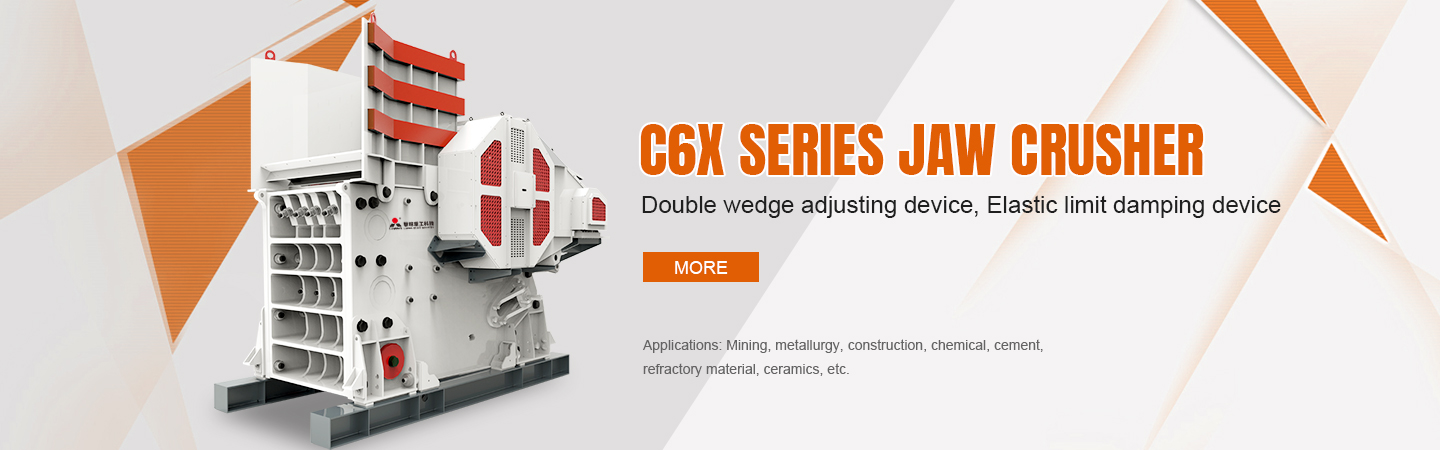
Portable Jaw Crushers (Mini Crushers): Units like the Vermeer HG400 or Cobra 290 offer on-site primary crushing, reducing haulage costs and increasing processing efficiency. With feed sizes up to 200 mm and output capacities of 20–50 tons per hour, these diesel-powered crushers are modular and easily transportable. Their compact footprint allows deployment directly at extraction points, enabling rapid ore sizing before transport to processing units.
-
Gravity Concentration Tables (Shaking Tables): For efficient post-crushing mineral separation, the Wilfley Table and its modern derivatives remain industry standards. These tables exploit specific gravity differences to separate valuable minerals from gangue. Constructed with durable riffled decks and precision-adjustable tilt mechanisms, they achieve recovery rates exceeding 90% for free-milling gold and other dense ores. Their low operational cost and minimal reagent requirements make them ideal for remote operations.
-
Small-Scale Ball Mills: The 3×3-foot or 4×4-foot ball mills, such as those manufactured by JXSC or YEC, provide essential fine grinding capability. Driven by electric or diesel motors, these mills achieve particle liberation down to 75 microns, enhancing downstream recovery in sluices or flotation cells. Lined with rubber or ceramic, they resist abrasion and reduce contamination.
-
Slurry Pumps (Submersible and Centrifugal): Critical for dewatering and ore slurry transfer, models like the Grindex MX or Goulds 3196 deliver reliable performance in high-abrasion environments. Their wear-resistant materials and clog-free impellers ensure continuous operation in wet mining conditions.
Each machine must be selected based on ore characteristics, site logistics, and throughput requirements. Integration into a coherent processing flow—from extraction to concentration—maximizes recovery and operational profitability in constrained-resource environments.
Critical Hand Tools Every Small Miner Should Own
-
High-leverage pry bar (18–24 inch): Essential for breaking apart compacted overburden, shifting boulders, and dismantling material blockages in feed chutes. A forged steel, heat-treated pry bar provides mechanical advantage where machinery access is limited. Select models with dual tips—flat and curved—for versatility in rock splitting and leverage applications.
-
Geologist’s hammer (20–24 oz): A precision tool for rock sampling and vein identification. The chisel end excels at cleaving mineralized quartz, while the pointed end enables controlled fracturing of brittle host rock. Tungsten-carbide tips extend service life when working abrasive formations. Ergonomic, non-slip handles reduce hand fatigue during extended field use.
-
Cold chisel set (flat, cape, wedge): Critical for manual ore breaking and controlled rock reduction. Use flat chisels for planar splitting, cape chisels for slotting narrow seams, and wedge chisels to propagate fractures in massive sulfide or quartz-rich material. Heat-treated alloy steel ensures edge retention under repeated hammer impact.
-
Ball-peen hammer (16–24 oz): Combines striking power with precision. The rounded peen end shapes or sets metal components during field repairs; the flat face drives chisels or pins. Integral eye construction prevents head separation under load—critical in remote operations where replacement is impractical.
-
Adjustable wrench (8–12 inch) and combination wrench set (metric and SAE): On-site equipment maintenance demands reliable gripping and turning tools. An adjustable wrench with a smooth jaw face prevents fastener rounding, while combination wrenches (open-end/box-end) deliver torque efficiency. Chrome-vanadium steel construction resists corrosion and strain.
-
Locking pliers (multi-size): Provide clamping force for pipe, hose, or irregular components during emergency repairs. Used to secure broken linkages, hold fittings during tightening, or extract seized bolts. Replace improvised methods that risk component damage.
-
Stubby hand saw (coarse tooth): For clearing light vegetation, cutting wooden supports in adits, or trimming timber cribbing. Bi-metal blades withstand embedded grit; compact frames fit confined spaces.
-
Heavy-duty rock pick (48–60 inch handle): Optimized for breaking hardpan, laterite, or weathered bedrock. Tempered steel heads resist deformation; hickory or composite handles absorb shock. Two-handed operation maximizes impact energy with minimal fatigue.
These tools constitute the foundational mechanical extension of the small miner’s capability—enabling material access, sample validation, equipment upkeep, and rapid response to subsurface conditions where machine deployment is inefficient or impossible. Durability, functional specificity, and field adaptability define their selection.
Portable Processing Units for Onsite Mineral Recovery
-
Portable processing units represent a transformative advancement for small-scale and artisanal mining operations, enabling real-time mineral recovery directly at the extraction site. These compact systems integrate crushing, grinding, classification, and concentration functions into mobile platforms, eliminating the need for costly transport of raw ore to centralized facilities. By processing ore immediately after excavation, operators significantly reduce logistical overhead, lower energy consumption, and minimize environmental footprint.
-
Key technologies employed in portable units include gravity separation (e.g., shaking tables, centrifugal concentrators), sensor-based ore sorting, and small-scale flotation modules. Modern units often incorporate modular designs, allowing reconfiguration based on ore type and desired throughput. Units powered by diesel generators or solar-hybrid systems ensure operability in remote, off-grid locations—a critical advantage for artisanal miners in geographically isolated regions.
-
The integration of real-time monitoring and automated controls enhances recovery efficiency and reduces operator dependency on manual adjustments. For example, inline X-ray fluorescence (XRF) sensors can provide immediate ore grade feedback, enabling dynamic process optimization. Such capabilities improve metal recovery rates and support data-driven decision-making, particularly in heterogeneous ore bodies commonly encountered in artisanal mining.
-
Economic benefits are substantial. Onsite processing reduces the volume of material requiring disposal or transport by rejecting waste early in the process. This results in higher effective throughput and lower per-ton operating costs. Additionally, immediate concentration allows miners to secure better terms when selling concentrates, as opposed to raw, unprocessed ore.
-
Environmental and safety considerations are increasingly addressed in contemporary designs. Closed-loop water recycling systems minimize freshwater use and prevent contamination of local water sources. Dust suppression mechanisms and noise-reducing enclosures improve working conditions and regulatory compliance.
-
Leading models currently in use include containerized all-in-one plants capable of processing 5–20 tons per hour, suitable for gold, tin, tungsten, and other high-value minerals. As technology advances, these units are becoming more energy-efficient, easier to deploy, and increasingly accessible to small operators through leasing or cooperative ownership models.
Power Solutions and Mobility: Keeping Equipment Running Off-Grid
-
Reliable power remains a critical constraint in remote small-scale mining operations, where grid connectivity is absent or unstable. Off-grid power solutions must balance energy output, durability, fuel availability, and operational cost to sustain continuous equipment function.
-
Diesel generators remain the most widely adopted power source due to their high power density and reliability under rugged conditions. However, fuel transportation and storage present logistical and safety challenges. High fuel consumption also drives operational expenses, necessitating efficient load management and routine maintenance to extend generator life and minimize downtime.
-
Solar photovoltaic (PV) systems are increasingly viable for low-to-moderate power applications such as lighting, battery charging, and powering small pumps or communication devices. While the initial investment is higher, solar offers lower long-term operating costs and reduced environmental impact. Hybrid systems—combining solar with battery storage and a backup generator—optimize reliability and fuel efficiency, particularly in regions with predictable sunlight.
-
Lithium-ion battery banks, when paired with renewable sources, enable energy storage for nighttime or cloudy-day operation. These systems require protective enclosures and charge controllers to prevent degradation in high-temperature or humid environments typical of mining sites.
-
Mobile power units—containerized or trailer-mounted generator-solar-battery systems—offer flexibility for operations that relocate frequently. These modular solutions can be pre-configured to match site-specific voltage and load requirements, reducing setup time and technical complexity.
-
Equipment manufacturers now design tools with dual-voltage compatibility and low standby consumption to align with intermittent or variable power inputs. DC-powered variants of grinders, drills, and pumps improve efficiency when running directly from batteries or solar charge controllers, avoiding inverter losses.
-
Power audits should precede system deployment to match supply capacity with actual load profiles. Undersizing leads to equipment failure; oversizing increases capital and operational waste.
-
Training local operators in basic electrical safety, load balancing, and preventive maintenance is essential for system longevity. Well-designed off-grid power solutions not only sustain operations but also enhance productivity, reduce cost per ton processed, and support safer, more sustainable mining practices.
Cost-Effective Maintenance and Upgrading Strategies for Long-Term Mining Success
- Implement preventive maintenance schedules based on equipment runtime and environmental conditions rather than calendar intervals to maximize machine availability and minimize unscheduled downtime.
- Utilize manufacturer-recommended lubricants and filters; deviating to lower-cost alternatives often leads to accelerated wear and higher long-term repair costs.
- Train operators in basic maintenance tasks such as daily inspections, fluid level checks, and minor adjustments—this reduces dependency on external technicians and promotes early fault detection.
- Maintain a digital or physical log for each machine, recording service dates, component replacements, and observed anomalies. This historical data enables predictive maintenance and informs timely replacement decisions.
- Prioritize component-level repairs over full-unit replacements where technically feasible and economically justified—rebuilding hydraulic pumps or gearboxes can yield 40–60% cost savings.
- Source wear-prone parts such as liners, hammers, and screens in bulk from reputable suppliers to reduce per-unit cost and avoid production delays due to part unavailability.
- Standardize equipment models across the operation where possible; shared components and tooling reduce inventory complexity and training requirements.
- Conduct annual equipment audits to assess performance, utilization rates, and residual value—this supports data-driven decisions on refurbishment, repurposing, or retirement.
When upgrading, focus on productivity-enhancing modifications rather than outright machine replacement. Retrofitting older crushers with modern liners or variable frequency drives (VFDs) on pumps and conveyors can improve efficiency by 15–25% at a fraction of new equipment cost. Evaluate energy consumption as a key upgrade criterion; high-efficiency motors and optimized hydraulic systems provide rapid payback in continuous-use applications.
Establish partnerships with local technical service providers for rapid response support, and negotiate service-level agreements that include routine inspections and priority call-out times.
| Strategy | Benefit | Implementation Tip |
|---|---|---|
| Preventive Maintenance | Reduces catastrophic failures | Align schedules with operational cycles |
| Operator Training | Enhances equipment care | Include in onboarding and refresher programs |
| Equipment Standardization | Lowers spare parts inventory | Limit active models per equipment class |
| Retrofit Upgrades | Lowers capital expenditure | Target components with highest ROI |
These strategies collectively extend equipment life, reduce total cost of ownership, and sustain operational continuity critical to long-term profitability in artisanal mining.
Frequently Asked Questions
What are the most efficient small-scale mining machines for gold extraction?
High-efficiency small-scale gold mining machines include portable sluice boxes with enhanced riffle designs, centrifugal concentrators like the Knelson or Falcon C series, and portable shaker tables. These tools maximize recovery of fine gold particles by leveraging gravity concentration, with centrifugal concentrators achieving recovery rates above 95% when properly calibrated for feed size and slurry density.
How do I choose the right small-scale mining equipment for hard rock operations?
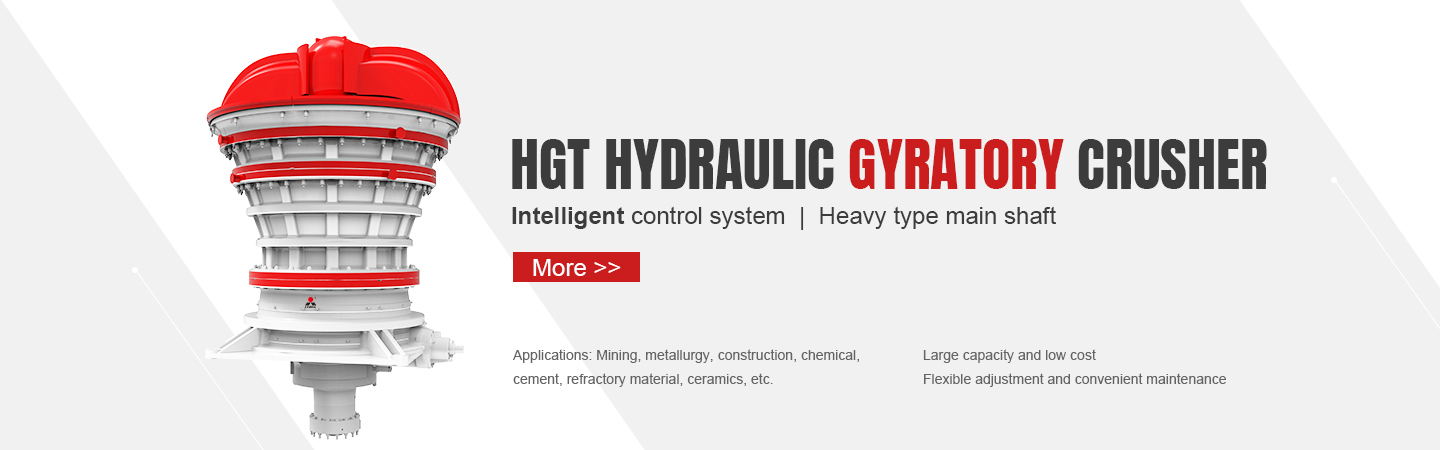
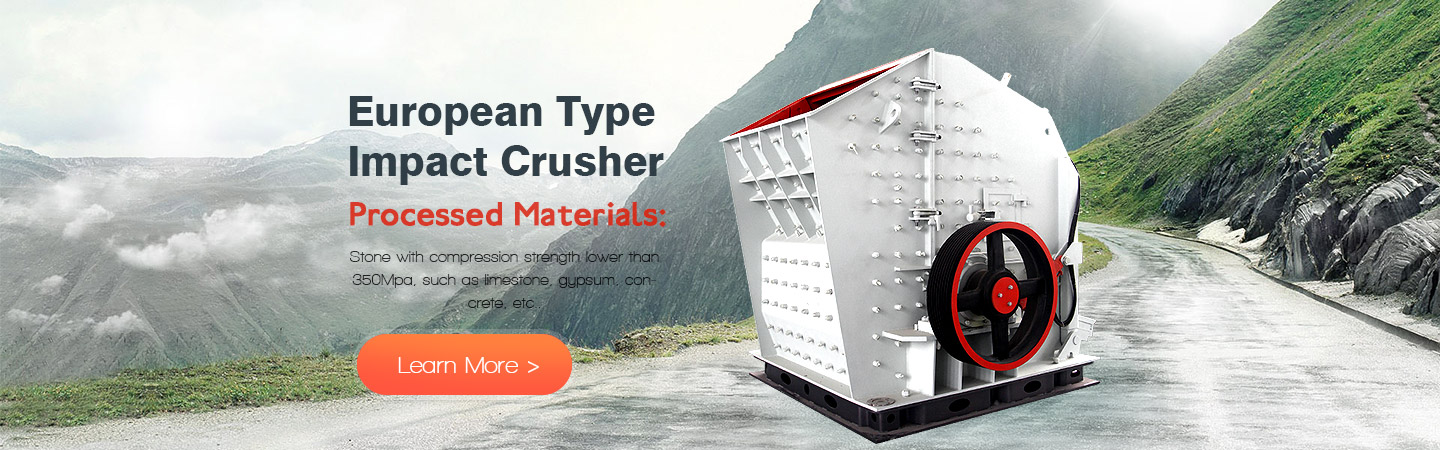
Selecting equipment for hard rock mining requires evaluating ore hardness, deposit size, and processing volume. Essential tools include jaw crushers for primary reduction, hammer mills or cone crushers for secondary crushing, and ball mills for fine grind. For portability and efficiency, consider diesel-powered, skid-mounted crusher plants with integrated conveyors and screening decks.
What safety gear is mandatory when operating small-scale mining machinery?
Operators must use CSA/ANSI-certified hard hats, hearing protection (minimum NRR 25), impact-resistant goggles, steel-toed boots with metatarsal guards, and high-visibility clothing. For dust-prone environments, use NIOSH-approved N95 or P100 respirators. Equipment-specific safeguards include lockout/tagout (LOTO) procedures, emergency stop systems, and machine guarding on conveyors and crushers.
Can small-scale miners use mercury-free gold recovery methods effectively?
Yes, mercury-free methods are both effective and environmentally compliant. Best practices include using gravity-based systems (e.g., blue bowl concentrators, spiral wheels), borax-flux smelting for direct reduction of concentrates, and flotation cells for sulfide-associated gold. These methods eliminate toxic mercury use while maintaining recovery rates above 90% with proper setup.
What maintenance protocols extend the life of small-scale mining equipment?
Implement daily inspections of wear parts (e.g., crusher liners, screen meshes), lubricate bearings weekly using NLGI-grade grease, and conduct monthly alignment checks on drive belts and motors. For wet-processing equipment, flush sluice boxes and pumps after each use to prevent mineral buildup. Keep detailed logs to predict part replacement using mean time between failure (MTBF) data.
How does feed size impact the efficiency of small-scale crushers?
Feed size directly influences throughput and energy consumption. Oversized feed causes blockages and excessive wear, while undersized feed reduces crusher efficiency. To optimize performance, use grizzly screens to pre-sort material; ideal feed size should be 80% of the crusher’s maximum gape. Adjustable closed-side settings on cone crushers allow fine-tuning for downstream processing needs.
What are the regulatory requirements for operating small-scale mining equipment?
Regulations vary by jurisdiction but commonly require mineral rights verification, environmental impact assessments (EIA), and discharge permits for water use. In the U.S., compliance with MSHA safety standards and EPA Clean Water Act Section 404 (for dredging) is mandatory. Operators must file annual reclamation plans and maintain records of fuel storage, chemical handling, and tailings management.
How can small-scale miners optimize water usage in processing plants?
Use closed-loop water recycling systems with settling ponds or thickener tanks to achieve 85–95% water reuse. Incorporate flocculants like polyacrylamide to accelerate sedimentation, and deploy submersible slurry pumps for efficient water transfer. Monitor turbidity with handheld meters to ensure discharge meets local regulatory standards (typically <50 NTU).
What are the advantages of modular processing plants for small-scale mining?
Modular plants offer rapid deployment, scalability, and transportability—ideal for remote or temporary sites. They integrate crushing, grinding, and concentration into containerized or skid-mounted units with plug-and-play electrical systems. These systems reduce installation time by up to 70% and allow easy reconfiguration as ore characteristics change.
Is solar power viable for running small-scale mining equipment?
Yes, solar hybrid systems are increasingly viable for low-to-medium power applications. Pair photovoltaic arrays with battery banks and inverters to power equipment like shaker tables, small pumps, and control systems. High-draw machines (e.g., ball mills) require hybrid diesel-solar setups or energy management systems to balance load. ROI improves in off-grid locations with high diesel transport costs.
How do I assess ore grade before investing in processing equipment?
Conduct systematic channel sampling across the deposit, followed by fire assay (for gold) or ICP-MS (for base metals) in accredited labs. Use a portable XRF analyzer for real-time field screening. Collect at least 30 representative samples to calculate statistically valid average grades and variability. This data informs equipment selection based on throughput and recovery targets.
What innovations are improving small-scale mining efficiency in 2024?
Emerging technologies include AI-driven ore sorting using hyperspectral imaging, IoT-enabled equipment monitoring for predictive maintenance, and electrochemical leaching (e.g., thiosulfate) as a cyanide alternative. Compact, high-frequency screen decks and modular bioleaching reactors are also enhancing recovery and sustainability for artisanal and small-scale mining (ASM) operations.