


Table of Contents
- Why a High-Performance Sawdust Grinder Is Essential for Quality Pellet Fuel
- How Sawdust Grinders Transform Wood Waste into Premium Pellet Feedstock
- Key Features to Look for in a Reliable Pellet Mill Sawdust Grinding System
- Comparing Hammer Mills vs. Knife Mills for Sawdust Production Efficiency
- Optimizing Pellet Mill Output with Consistent, Fine-Grind Sawdust Preparation
- Frequently Asked Questions
- What is the best type of sawdust grinder for producing wood pellets?
- How fine should sawdust be ground for pelletizing?
- Can a wood chipper be used instead of a sawdust grinder for pellet production?
- What are the critical features to look for in an industrial sawdust grinder?
- How does moisture content affect sawdust grinding for pellets?
- What capacity sawdust grinder is needed for a 1-ton-per-hour pellet mill?
- How do you maintain a sawdust grinder for peak pellet mill performance?
- What safety measures are essential when operating a sawdust grinder?
- Can a single sawdust grinder handle mixed feedstock types?
- How does grinder efficiency impact pellet mill energy consumption?
- What are the most common troubleshooting issues with sawdust grinders?
- Are vertical or horizontal hammer mills better for sawdust grinding in pellet lines?
Transforming raw sawdust into high-quality wood pellets demands precision, consistency, and industrial-grade efficiency—starting with the right sawdust grinder. As demand for sustainable biomass fuel surges, producers are under increasing pressure to optimize their pelletization process from the ground up. The sawdust grinder is the crucial first link in this chain, responsible for refining coarse wood residues into uniform, moisture-balanced particles ideal for pelleting. A high-performance grinder not only enhances pellet density and burn efficiency but also maximizes throughput while minimizing downtime and maintenance costs. With a variety of machines on the market—from hammer mills and disc chippers to advanced fine grinders—selecting the optimal model requires a careful balance of power, capacity, durability, and operational flexibility. This article explores the top sawdust grinders engineered specifically for pellet production, evaluating key performance metrics and innovative features that set industry leaders apart. Discover the machines empowering modern biomass operations to achieve unparalleled efficiency and pellet quality.
Why a High-Performance Sawdust Grinder Is Essential for Quality Pellet Fuel
-
A high-performance sawdust grinder is foundational to producing premium-quality wood pellet fuel, as it directly influences both the physical properties of the final product and the efficiency of downstream processes.
-
Consistent particle size is critical for uniform pellet density, durability, and combustion efficiency. High-performance grinders ensure sawdust is reduced to a precise, homogeneous granulometry—typically between 1 mm and 3 mm—enabling optimal flow through the pellet mill and efficient die compression. Inconsistent feedstock leads to bridging, uneven wear, and increased energy consumption.

-
Superior grinders employ advanced rotor-stator configurations and hardened cutting components capable of processing variable feed materials, including green wood, dried offcuts, or engineered residues. This versatility ensures uninterrupted operation and minimizes downtime due to clogging or blade wear.
-
The thermal stability of the grinding process is another critical factor. High-performance units integrate optimized airflow and heat dissipation mechanisms to prevent overheating, which can prematurely degrade lignin—the natural binder in wood essential for pellet cohesion. Controlling temperature preserves the biochemical integrity of the biomass, enhancing pellet durability and reducing the need for external binders.
-
Energy efficiency scales with machine design quality. Precision-balanced rotors, variable-speed drives, and intelligent feed controls reduce power draw per ton of material processed. Over time, these efficiencies significantly reduce operational costs and improve return on investment.
-
Maintenance intervals and component longevity distinguish high-performance grinders from standard models. Features such as hydraulic screen replacement, reversible blades, and remote monitoring systems minimize labor costs and extend equipment lifespan.
-
Regulatory compliance and emissions standards are increasingly tied to fuel consistency. High-performance grinding ensures repeatability in batch quality, enabling producers to meet stringent ENplus or PFI certification criteria for moisture content, ash content, and calorific value.
-
Ultimately, pellet quality is not solely a function of the pellet mill—it begins with feedstock preparation. A high-performance sawdust grinder ensures raw material uniformity, maximizes pellet mill throughput, reduces wear on dies and rollers, and produces a market-competitive fuel with superior combustion characteristics.
How Sawdust Grinders Transform Wood Waste into Premium Pellet Feedstock
-
Sawdust grinders play a pivotal role in upgrading raw wood waste into consistent, high-quality feedstock suitable for premium wood pellet production. These machines process heterogeneous wood residues—such as sawdust, wood chips, shavings, and offcuts—into uniformly sized particles, which is critical for efficient pelletization.
-
The transformation begins with feedstock preparation. Raw wood waste often contains oversized particles, contaminants, and variable moisture levels, all of which degrade pellet mill performance and final pellet quality. Sawdust grinders utilize high-speed rotating hammers or cutting discs to pulverize fibrous materials, reducing particle size to a tight specification—typically between 1 mm and 3 mm. This uniformity ensures consistent flow through the pellet mill die, reduces energy consumption, and minimizes die wear.
-
A key advantage of modern sawdust grinders lies in their ability to handle mixed feedstocks without compromising output quality. Advanced grinding systems incorporate precision screens and adjustable rotor speeds to tailor particle size distribution. This adaptability is essential when sourcing materials from multiple suppliers or processing variable waste streams.
-
Moisture control is another critical factor influenced by grinding. While grinders do not dry material, reducing particle size increases surface area, enhancing the efficiency of downstream drying processes. This synergy between grinding and drying significantly improves throughput and reduces thermal energy demands in rotary dryers or drum dryers.
-
Additionally, efficient grinding mitigates issues related to pellet density and durability. Overly coarse or irregular particles create air pockets in the pellet matrix, leading to weak, friable pellets. By producing a homogenized intermediate product, sawdust grinders directly contribute to higher pellet durability, lower fines generation, and compliance with international standards such as ENplus or PFI.
-
Industrial-scale operations benefit from grinders equipped with robust wear protection, automated feed controls, and integrated magnetic separation to remove tramp metal. These features ensure continuous operation, reduce maintenance downtime, and safeguard downstream equipment.
-
In sum, sawdust grinders are not merely preprocessing tools—they are integral to achieving the feedstock consistency required for high-efficiency, high-quality pellet manufacturing. Their role in particle size reduction, moisture optimization, and material homogenization makes them indispensable in modern wood pellet production lines.
Key Features to Look for in a Reliable Pellet Mill Sawdust Grinding System
- Robust construction using high-grade alloy steel or hardened components to withstand continuous operation and abrasive materials
- Precision-engineered grinding chambers with optimized airflow dynamics to ensure uniform particle size and prevent heat buildup
- Variable-speed drive systems or adjustable rotor speeds to accommodate different wood species and moisture levels
- Integrated magnetic separation or metal detection to protect grinding components from tramp metal damage
- Efficient dust collection interface compatible with cyclones or baghouse systems to maintain air quality and reduce fire hazards
- Low-maintenance rotor and screen designs with quick-change mechanisms for screens and hammers to minimize downtime
- Motor power appropriately matched to feed rate and throughput demands—typically ranging from 30 kW to over 200 kW for industrial setups
- Automatic feed control with overload protection to maintain consistent loading and prevent motor strain
- Acoustic insulation or noise-dampening enclosures to comply with occupational safety standards
- Remote monitoring capability or sensor integration for vibration, temperature, and power draw to support predictive maintenance
A reliable pellet mill sawdust grinding system must deliver consistent granulometry, targeting a particle size of 1–3 mm, which is optimal for pellet mill die compression and binder activation. Uniform particle size enhances bulk density and reduces energy consumption during pelletizing. Systems incorporating hammer mills with adjustable screen sizes (typically 2–4 mm) offer flexibility in meeting these specifications across varying feedstocks.
Thermal management is critical; prolonged operation generates heat that can lead to material degradation or spontaneous combustion. Look for grinders equipped with cooling fins, airflow optimization, or water-cooled jackets where applicable. Additionally, explosion relief panels or suppression systems should be standard in systems handling fine organic dust.
Ease of integration into existing pellet lines is another key factor. The system should support seamless connection to upstream debarkers or dryers and downstream pellet mills via pneumatic or mechanical conveyors. Footprint and service access points should allow for straightforward maintenance without major disassembly.
Finally, verify compliance with relevant safety and emissions standards (e.g., ATEX, OSHA, CE). Reputable manufacturers provide third-party certification and detailed performance data under real-world operating conditions. Prioritize suppliers offering technical support, spare parts availability, and field-proven installations in biomass or pellet production environments.
Comparing Hammer Mills vs. Knife Mills for Sawdust Production Efficiency
-
Hammer mills and knife mills represent two dominant mechanical approaches for sawdust production in wood pellet manufacturing, each exhibiting distinct performance characteristics under varying operational conditions.
-
Hammer mills utilize high-speed rotating hammers to impact and pulverize feedstock against a screen, producing fine, uniform particles suited for pelletization. They excel in processing heterogeneous wood waste streams—including bark, off-cuts, and mixed species—due to their robust design and tolerance for contaminants. Throughput rates are typically high, with modern industrial units achieving 5–15 tons per hour, depending on motor power and screen size. However, energy consumption is elevated due to repeated impact and friction, and screen clogging can occur with high-moisture feedstocks (>12%), necessitating pre-drying.
-
Knife mills operate via precision-cutting blades that shear wood into consistent chips or fine particles, relying on controlled rotational speed and sharp blade geometry. They produce a more uniform particle size distribution with less fines generation, reducing over-grinding and dust explosion risks. Energy efficiency is generally superior to hammer mills when processing clean, dimensionally stable feedstock such as planer shavings or sawmill residuals. Maintenance intervals are longer if feedstock is free of metal or stone contaminants, though blade replacement requires precision alignment and increases downtime.
| Parameter | Hammer Mill | Knife Mill |
|---|---|---|
| Particle Uniformity | Moderate to high | High |
| Feedstock Flexibility | High (tolerant of impurities) | Moderate (requires clean input) |
| Energy Consumption | Higher | Lower (under optimal conditions) |
| Maintenance Frequency | Frequent (screens, hammers) | Less frequent (blades only) |
| Throughput Capacity | High | Moderate to high |
| Moisture Sensitivity | High (screen clogging risk) | Moderate |
-
For pellet production, particle size consistency directly impacts densification efficiency and pellet quality. Knife mills provide tighter control over particle geometry, enhancing feedstock flowability and compression in the pellet mill. However, hammer mills remain the preferred solution in facilities processing mixed or unsorted wood waste due to their durability and throughput capability.
-
Selection should prioritize feedstock composition, desired particle size, and long-term operational costs. Facilities prioritizing energy efficiency and consistent feedstock may benefit from knife mills, while those handling variable or contaminated material should opt for hammer mills with robust screening and wear protection.
Optimizing Pellet Mill Output with Consistent, Fine-Grind Sawdust Preparation
-
Consistent particle size and optimal moisture content in sawdust are non-negotiable prerequisites for high-efficiency pellet mill operation. Variability in feedstock grind leads directly to inconsistent die penetration, uneven compression, and reduced pellet density—factors that degrade both throughput and pellet quality.
-
A fine, uniformly ground sawdust—ideally 95% passing through a 3.2 mm (1/8 inch) screen—ensures homogeneous flow through the pellet mill’s conditioning chamber and die. This uniformity minimizes bridging, reduces energy consumption per ton, and extends die and roller life by eliminating localized stress points caused by oversized fibers.
-
The choice of sawdust grinder significantly influences this consistency. Hammer mills equipped with full-circle screens and adjustable hammer patterns offer superior size reduction control compared to basic chipper-shredders. Precision-engineered hammers, combined with variable-speed rotor drives, allow operators to tailor grind fineness to specific wood species and moisture profiles.
-
Hardwood and softwood blends require tailored grinding approaches due to differences in fiber toughness and lignin content. Softwoods, while easier to compress, can generate longer fibers if not finely ground, leading to die clogging. Hardwoods benefit from multiple-stage grinding to achieve the necessary friability without overheating, which risks premature lignin degradation.
-
Moisture content must be maintained between 10% and 15% pre-grinding. Excess moisture increases power demand and promotes screen blinding in the grinder; insufficient moisture leads to excessive dust generation and poor binding in the pellet mill. Inline moisture sensors paired with automated feed controls ensure stable input conditions.
-
Regular maintenance of grinder components—particularly hammers, screens, and bearings—is critical. Worn hammers produce inconsistent particle sizes, directly undermining pellet mill performance. Scheduled screen replacements and rotor balancing prevent vibration-induced downtime and maintain grind precision.
-
Integration of the grinder within a closed-loop production system, including automated feeding and dust extraction, ensures uninterrupted material flow. This synergy between grinding and pelleting stages maximizes uptime and minimizes operator intervention, directly elevating overall production efficiency.
Frequently Asked Questions
What is the best type of sawdust grinder for producing wood pellets?
The best sawdust grinders for pellet production are hammer mills and knife ring mills due to their ability to achieve a uniform particle size below 3 mm, critical for efficient pelletizing. Industrial hammer mills with adjustable screens and high rotor speeds offer superior control over fineness and throughput, making them ideal for biomass pellet plants requiring consistent feedstock specification.
How fine should sawdust be ground for pelletizing?
Sawdust must be ground to a particle size of 1–3 mm for optimal pelletizing. Particles larger than 3 mm cause uneven compression, increased die wear, and poor pellet density. Hammer mills equipped with 2–3 mm screen diameters are commonly used in commercial operations to meet this specification efficiently.
Can a wood chipper be used instead of a sawdust grinder for pellet production?
Wood chippers alone are insufficient for pellet production because they produce inconsistent, coarse chips unsuitable for pelleting. A hammer mill or grinder must further refine the material. For efficient pellet lines, chippers serve as pre-shredders, while dedicated sawdust grinders achieve the fine, homogenous consistency required by pellet mills.
What are the critical features to look for in an industrial sawdust grinder?
Key features include a heavy-duty rotor, wear-resistant hammers or knives, adjustable screen size, magnetic separator to remove metals, explosion-proof housing (due to combustible dust), and variable frequency drive (VFD) for speed control. Machines built with replaceable liners and quick-change screens enhance uptime and maintenance efficiency.
How does moisture content affect sawdust grinding for pellets?
Optimal moisture content for grinding is 8–12%. Sawdust above 15% moisture causes clogging, reduced throughput, and microbial degradation during storage. Below 8%, dust explosion risk increases. Pre-drying with a rotary or belt dryer before grinding ensures efficient processing and protects grinding equipment from wear and blockages.
What capacity sawdust grinder is needed for a 1-ton-per-hour pellet mill?
A grinder with a minimum capacity of 1.5 tons per hour is recommended for a 1-ton pellet mill to prevent bottlenecks. This buffer accommodates variations in feedstock density and feed rate inefficiencies. High-capacity hammer mills rated at 90–132 kW (120–175 HP) typically meet this demand in continuous operation.
How do you maintain a sawdust grinder for peak pellet mill performance?
Routine maintenance includes daily inspection of hammers and screens, monthly balancing of the rotor, lubrication of bearings per manufacturer specs, and removal of tramp metal via magnets. Scheduled replacement of wear parts (hammers, screens, liners) based on operating hours prevents unplanned downtime and maintains grind consistency.
What safety measures are essential when operating a sawdust grinder?
Essential safety measures include explosion venting or suppression systems, grounding for static discharge, automatic shutdown sensors for over-temperature or vibration, and strict lockout-tagout (LOTO) procedures during maintenance. NFPA 664 compliance is mandatory for wood processing facilities to mitigate fire and dust explosion hazards.
Can a single sawdust grinder handle mixed feedstock types?
High-performance grinders with variable rotor speeds and interchangeable screens can process mixed feedstocks like hardwood, softwood, bark, and forest residues. However, abrasive materials (e.g., bark with sand) accelerate wear—using carbide-tipped hammers and robust screen alloys extends service life when processing heterogeneous inputs.
How does grinder efficiency impact pellet mill energy consumption?
A properly sized and maintained grinder reduces pellet mill energy use by up to 20%. Uniform particle size allows for smoother compression in the pellet die, reducing motor load and wear. Under-grinding increases die resistance, while over-grinding wastes energy and generates excess fines that affect pellet quality.
What are the most common troubleshooting issues with sawdust grinders?
Common issues include screen blockage (from high moisture or fiber-rich feedstock), unbalanced rotor vibration (due to worn or broken hammers), and reduced throughput (from dull hammers or incorrect screen size). Regular inspection, moisture control, and adherence to scheduled maintenance mitigate these problems effectively.
Are vertical or horizontal hammer mills better for sawdust grinding in pellet lines?
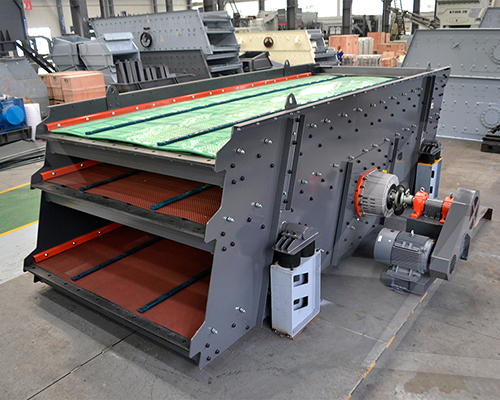
Horizontal hammer mills are preferred for pellet production due to higher throughput, easier screen access, and more uniform particle sizing. Vertical mills are compact but struggle with consistent output at large scale. For commercial pellet plants exceeding 500 kg/hour, horizontal configurations offer superior performance and serviceability.