
Table of Contents
- Understanding Cement Crushing Roll Press Machines Through High-Quality Images
- Key Components of Roller Press Machines Revealed in Detailed Visuals
- How Cement Grinding Roll Presses Work: Step-by-Step Process with Illustrations
- Comparative Image Analysis: Roll Press vs Traditional Cement Crushers
- Industrial Applications of Cement Roll Press Machines Showcased in Real-World Photos
- Frequently Asked Questions
- What is a cement crushing roll press machine and how does it work in modern cement production?
- How do roll press machines compare to traditional ball mills in cement crushing?
- Where can I find authentic, high-resolution images of industrial cement roll press machines?
- What key components should I look for in a cement roll press machine image to assess its configuration?
- How does the design of roll press rolls influence crushing efficiency in cement applications?
- What are the common operational challenges visible in roll press machine images, and how are they addressed?
- Why are pre-crushing systems often integrated with roll presses in cement plants?
- How do modern roll press machines incorporate automation and IoT monitoring?
- What safety features are typically visible in industrial roll press machine installations?
- How does moisture content in raw feed affect roll press performance, and what do plant engineers monitor?
- Can roll press machines be retrofitted into existing cement grinding lines?
- What does the evolution of roll press machine design reveal in comparative image analysis?
In the fast-evolving world of cement production, the roll press machine has emerged as a cornerstone of efficiency and innovation, redefining how raw materials are processed with precision and energy savings. Visualizing this advanced machinery offers more than just technical insight—it reveals the intricate design and engineering excellence behind modern cement crushing operations. High-resolution images of cement crushing roll press machines illuminate key components such as the hydraulic systems, high-pressure rollers, and feed mechanisms, providing a clear understanding of their function and integration within the grinding circuit. These visuals not only aid engineers and plant operators in maintenance and optimization but also serve as invaluable tools for training and process improvement. From compact industrial models to large-scale installations, each image captures the synergy between robust construction and intelligent design, highlighting applications across diverse cement manufacturing environments. Explore this visual journey to uncover how roll press technology is shaping the future of sustainable, high-output cement production.
Understanding Cement Crushing Roll Press Machines Through High-Quality Images
-
Cement crushing roll press machines are pivotal in modern cement production, offering significant energy savings and enhanced grinding efficiency. High-resolution imagery provides critical insight into their design, operational dynamics, and integration within grinding circuits.
-
Visual analysis reveals the dual-roll configuration, where two counter-rotating rolls operate under high hydraulic pressure. One roll is fixed; the other is movable, allowing controlled gap adjustment. Images clearly depict the robust bearing housings, hydraulic cylinders, and torque arms that manage compressive forces exceeding several hundred tons.
-
Close-up photography highlights the roll surface texture—typically made of wear-resistant alloys or segmented plates. These surfaces are engineered to withstand abrasive feed materials while maintaining consistent particle compression. Wear patterns visible in time-lapse imaging inform maintenance cycles and surface refurbishment protocols.
-
System integration is evident in wide-angle shots showing the roll press upstream of ball mills or in semi-finish grinding circuits. Imaging captures material flow from the feed chute, through the high-pressure zone, and into the downstream separator. This visual context clarifies the machine’s role in pre-grinding clinker, reducing downstream energy demand by up to 40%.
-
Transparent enclosures and exploded-view diagrams illustrate internal components: hydraulic power units, lubrication systems, and overload protection mechanisms. These visuals are instrumental in understanding safety interlocks and real-time monitoring setups, including vibration sensors and pressure transducers.
-
Operational status indicators—such as roll gap readouts, hydraulic pressure gauges, and motor load meters—are clearly legible in high-definition images, enabling remote diagnostics and performance benchmarking.
-
Comparative imagery of standard versus high-pressure grinding roll (HPGR) configurations clarifies design evolution, emphasizing increased specific throughput and reduced specific energy consumption.
-
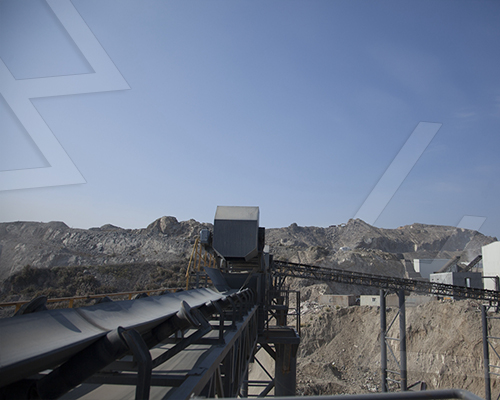
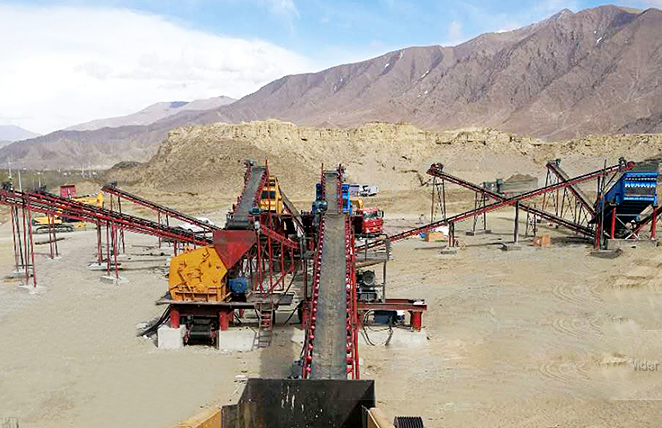
Field-installed machines photographed under real operating conditions reveal alignment challenges, dust management solutions, and structural support requirements, offering practical insights for plant engineers.
-
Thermal imaging overlays demonstrate heat distribution across roll bodies, identifying potential hotspots linked to uneven loading or insufficient cooling. This diagnostic capability enhances predictive maintenance strategies.
-
In sum, high-quality images transcend basic documentation—they serve as analytical tools for design validation, operational optimization, and technical training. When annotated with engineering data, they form an indispensable visual reference for equipment assessment and process improvement in cement manufacturing.
Key Components of Roller Press Machines Revealed in Detailed Visuals
-
High-pressure grinding rolls (HPGR) form the core of roller press machines, consisting of two counter-rotating rolls mounted on robust bearings within a rigid frame. These rolls, typically made from wear-resistant alloy steel or composite materials, apply compressive forces up to 150 MPa to pre-crush feed material before final grinding.
-
Hydraulic loading systems regulate the inter-roll pressure with precision, maintaining optimal gap and force control under variable feed conditions. Integrated sensors provide real-time feedback to automated control units, ensuring consistent energy application and minimizing mechanical stress.
-
The roll surface design is critical: either smooth, grooved, or patterned to enhance grip and material draw-in. Surface hardening techniques such as tungsten carbide overlay extend operational life, particularly when processing abrasive raw mix or clinker.
-
A rigid yoke frame ensures structural integrity under high operational loads, minimizing deflection and maintaining roll alignment. Finite element analysis (FEA)-optimized frames reduce fatigue risks and support long-term reliability in continuous operation.
-
Side seals prevent lateral material leakage between rolls, typically constructed from replaceable wear plates or flexible segmented shields. Effective sealing maintains grinding efficiency and reduces dust emissions.
-
Drive systems utilize high-torque, low-speed motors coupled with planetary gearboxes to deliver synchronized roll rotation. Dual-drive configurations enhance load distribution and allow differential speed control for selective particle breakage.
-
Feeding mechanisms, including central chutes or vibratory distributors, ensure uniform material entry across the full roll width. Flow regulation prevents edge loading and promotes even wear.
-
Lubrication units maintain optimal bearing temperature and longevity through forced circulation systems with filtration and cooling. Monitoring of oil cleanliness and temperature is integrated into plant control networks.
-
Modern units incorporate condition monitoring systems—vibration sensors, temperature probes, and acoustic emission detectors—enabling predictive maintenance and minimizing unplanned downtime.
-
Control interfaces integrate with central DCS or PLC systems, allowing operators to adjust pressure, gap, and feed rate dynamically based on real-time production demands and material characteristics.
-
Optional auxiliary components include roll cooling circuits for thermal management during extended operation, debris detection systems to prevent catastrophic damage from tramp metal, and automated roll gap cleaning mechanisms.
These components collectively define the operational efficacy, energy efficiency, and durability of roller press machines in cement grinding circuits, directly influencing downstream mill throughput and specific energy consumption.
How Cement Grinding Roll Presses Work: Step-by-Step Process with Illustrations
-
Raw clinker, along with gypsum and supplementary materials, is fed uniformly into the feed hopper of the cement grinding roll press system via a weigh feeder, ensuring precise control over material input rate and composition.
-
The material enters the high-pressure comminution zone between two counter-rotating rolls—one fixed, the other hydraulically loaded. These rolls, typically 1.0 to 2.0 meters in diameter and surfaced with wear-resistant alloy, apply pressures ranging from 50 to 300 MPa, compacting the feed into densely packed agglomerates or “cake.”
-
Under extreme pressure, interparticle fracture dominates, generating microcracks within the clinker crystals. This pre-grinding action reduces the particle size significantly, with over 80% of output typically passing through a 2 mm sieve, drastically lowering the energy required in subsequent ball mill stages.
-
The compressed output discharges into a v-shaped air classifier or dynamic separator. Coarse particles are redirected back into the press via a bucket elevator and recycle loop, ensuring multiple compression cycles until target granulometry is achieved.
-
Fine particles, now pre-ground to optimal fineness, bypass the recycle stream and proceed directly to the downstream ball mill or a final air classifier in a semi-finish grinding circuit. This hybrid configuration leverages the roll press’s high-efficiency size reduction while maintaining precise final product control.
-
Hydraulic systems maintain constant roll gap and pressure, automatically adjusting to variations in feed characteristics. Sensors monitor vibration, temperature, and power draw, enabling real-time process optimization and preventing mechanical overload.
-
Compared to conventional ball mills, roll presses achieve 20–30% energy savings due to the application of compressive rather than impact-based comminution, aligning with modern cement plants’ sustainability and efficiency goals.
-
Regular maintenance of roll surfaces—through hardfacing or segment replacement—and alignment checks are critical to sustaining performance and minimizing downtime. Wear-resistant roll designs and advanced control systems further extend operational life.
The roll press functions not as a standalone grinder but as a high-efficiency pre-grinder within a composite grinding circuit, fundamentally altering the size reduction profile of cement production and setting performance benchmarks across the industry.
Comparative Image Analysis: Roll Press vs Traditional Cement Crushers
- Direct mechanical comparison between roll press and traditional cement crushers reveals significant distinctions in operational mechanics, energy transfer, and particle size control.
- Roll presses operate via high-pressure inter-particle comminution, where material is compressed between two counter-rotating rolls—typically one fixed and one hydraulically adjustable—generating stress that fractures feed particles efficiently.
- Traditional crushers—such as jaw, gyratory, or cone units—rely on impact, shear, and compressive forces in open chambers, often requiring multiple stages to achieve final product size.
| Feature | Roll Press | Traditional Crusher |
|---|---|---|
| Energy Efficiency | 20–30% lower specific energy consumption due to selective particle breakage | Higher energy draw per ton, especially in secondary/tertiary stages |
| Product Size Distribution | Narrower, with high fines content and micro-cracking that enhances downstream grinding | Broader distribution; requires additional grinding for clinker processing |
| Wear Mechanism | Wear concentrated on roll surfaces (segmented or welded); predictable life with wear-resistant linings | Wear distributed across jaws, mantles, and concaves; frequent replacement needed |
| Throughput Scalability | Scalable via roll width and hydraulic pressure; continuous feed optimization | Limited by mechanical swing motion or chamber geometry; bottlenecks common |
| Footprint & Integration | Compact design; easily integrated into semi-finish or full finish grinding circuits | Larger structural footprint; complex installation and alignment |
- Images of roll press units consistently show a rigid frame, hydraulic actuation systems, and roll gap monitoring sensors—indicative of precision engineering for controlled compression. In contrast, traditional crusher imagery emphasizes massive moving parts, eccentric drives, and open feed chutes.
- Visual inspection of wear patterns confirms that roll presses exhibit uniform surface degradation, whereas traditional crushers demonstrate uneven wear on impact zones, necessitating frequent maintenance.
- Roll press designs incorporate advanced automation for real-time gap adjustment and overload protection, clearly visible in control panel integrations and sensor arrays. Traditional systems, while increasingly automated, retain legacy mechanical control elements.
- From a maintenance perspective, roll press images highlight quick roll reprofiling capabilities and modular segment replacement, reducing downtime. Traditional crushers require crane access and prolonged disassembly for component swaps.
- In modern cement plants, roll presses are frequently paired with V-separators or high-efficiency classifiers, a configuration evident in system layout diagrams showing closed-loop material circulation. Traditional crushers are more commonly standalone or part of primary crushing trains.
- The visual evolution of roll presses underscores industry trends toward compact, energy-optimized systems with digital monitoring—attributes less pronounced in conventional crusher designs.
Industrial Applications of Cement Roll Press Machines Showcased in Real-World Photos
-
Cement roll press machines have become instrumental in modern cement production, particularly in pre-grinding and finish-grinding circuits where energy efficiency and throughput are critical. Industrial implementations demonstrate their capacity to reduce specific energy consumption by up to 30% compared to traditional ball mill systems. Real-world installations in integrated cement plants show roll presses integrated into semi-finish or hybrid grinding configurations, consistently achieving granulometric profiles ideal for downstream milling.
-
In pre-grinding applications, the roll press serves as a high-pressure comminution unit, compressing feed material between two counter-rotating rolls to induce micro-cracking and particle weakening. Photographic evidence from operational plants reveals uniform bed compression zones and controlled material discharge, confirming effective stress application. The resulting crushed product, typically 80% below 2 mm, significantly lowers the work index for subsequent ball mill processing, directly enhancing overall circuit efficiency.
-
Finish grinding configurations, particularly in roller press-ball mill combinations, are prominently documented in industrial settings. Images from European and Asian cement facilities illustrate compact layouts where the roll press operates in closed circuit with dynamic air separators. These setups achieve final product fineness (Blaine 3,400–3,800 cm²/g) with minimal overgrinding, preserving cement performance characteristics while reducing specific power consumption.
-
Wear protection systems on roll surfaces—evident in close-up visuals—are critical to sustained performance. Photos show hardfaced roll coatings with patterned studs, engineered to resist abrasion from raw clinker and granulated blast-furnace slag. Regular maintenance intervals, supported by modular roll design, ensure minimal downtime and consistent roll gap control.
-
Modern installations also feature advanced automation systems, with real-time roll force, torque, and feed rate monitoring. Visual documentation highlights control panels integrated with plant-wide DCS, enabling dynamic adjustments to feed consistency and pressure profiles based on real-time material behavior.
-
Sustainability metrics derived from operational data—corroborated by site photographs and performance logs—confirm the roll press’s role in reducing CO₂ emissions per ton of cement through lower energy demand. These machines are now considered standard in greenfield plants pursuing ISO 50001 compliance and energy optimization benchmarks.
Frequently Asked Questions
What is a cement crushing roll press machine and how does it work in modern cement production?
A cement crushing roll press machine, also known as a high-pressure grinding roll (HPGR), is an energy-efficient technology used in cement grinding circuits. It operates by compressing feed material between two counter-rotating rolls under high pressure, typically 50–300 MPa, causing inter-particle stress that fractures cement clinker into micro-fine particles. This pre-grinding step reduces particle size before final grinding in ball mills, improving overall grinding efficiency and lowering specific energy consumption by up to 30%.
How do roll press machines compare to traditional ball mills in cement crushing?
Roll press machines outperform traditional ball mills in specific energy consumption and throughput. While ball mills rely on impact and attrition, roll presses use compressive force, inducing micro-cracking in clinker particles. This significantly enhances downstream grinding efficiency. When integrated into a semi-finish or combined grinding circuit, roll presses reduce ball mill loading and wear, extending equipment life and lowering operational costs.
Where can I find authentic, high-resolution images of industrial cement roll press machines?
High-resolution, authentic images of cement crushing roll press machines can be sourced from OEM manufacturer websites such as Polysius (thyssenkrupp), KHD Humboldt Wedag, FLSmidth, and Loesche. Industry publications like Global Cement or International Cement Review often publish technical diagrams and plant layout images. Additionally, platforms like ResearchGate or technical conference proceedings (e.g., IEEE, TMS) may include annotated schematics.
What key components should I look for in a cement roll press machine image to assess its configuration?
When analyzing images of cement roll press machines, look for: (1) Hydraulic pressure cylinders and accumulator systems (indicating pressure control), (2) Wear-resistant roll surfaces (segmented or welded liners), (3) Edge seal systems (preventing material bypass), (4) Feed control systems (weigh feeders or chutes), (5) Drive systems (gearboxes and motors), and (6) Integration points with V-separators or classifiers, which signify a modern grinding circuit design.
How does the design of roll press rolls influence crushing efficiency in cement applications?
Roll design—diameter, width, surface pattern (studded, grooved, or smooth), and material hardness—directly affects compressive force distribution and wear resistance. Larger roll diameters enable higher compaction forces and longer nip angles, increasing granulation efficiency. Studded rolls enhance grip on dry feed, while grooved rolls promote axial material flow. Advanced rolls use tungsten carbide coatings or chromium-molybdenum alloys to combat abrasion from clinker and limestone.
What are the common operational challenges visible in roll press machine images, and how are they addressed?
Images may reveal edge leakage, roll wear patterns, or misalignment. Edge leakage (material escaping roll ends) indicates failed sealing systems—modern designs use hydraulic or pneumatic edge dams. Non-uniform roll wear suggests feed asymmetry or control loop failure, resolved via automated feed distribution and real-time roll gap monitoring. Thermal warping, visible as roll bowing in thermal imaging, is mitigated by integrated cooling channels.
Why are pre-crushing systems often integrated with roll presses in cement plants?
Pre-crushing systems (e.g., jaw or impact crushers) ensure feed size uniformity before entering the roll press, preventing oversized clinker chunks that can cause uneven loading or roll damage. Optimal feed size (typically ≤45 mm) maximizes inter-particle breakage efficiency and minimizes vibration. Images showing combined pre-crusher and roll press setups suggest advanced circuit design for high throughput and load stabilization.
How do modern roll press machines incorporate automation and IoT monitoring?
Contemporary roll press systems feature embedded sensors monitoring roll gap, pressure, temperature, vibration, and motor load. These feed into SCADA or digital twin systems for predictive maintenance. In plant images, look for data cables, junction boxes, and PLC enclosures near the machine. OEMs like KHD provide cloud-based platforms (e.g., CROS®) that optimize performance via real-time feedback loops.
What safety features are typically visible in industrial roll press machine installations?
Images of compliant installations show emergency stop buttons, interlocked guarding around rotating components, restricted access zones, and noise-dampening enclosures. Hydraulic systems include pressure relief valves and rupture discs. Modern designs incorporate laser-based misalignment detectors and infrared thermography ports for remote monitoring, complying with ISO 14122 and OSHA standards.
How does moisture content in raw feed affect roll press performance, and what do plant engineers monitor?
Moisture content above 1.5% can cause agglomeration, reducing compressive breakage efficiency and increasing the risk of choke feeding. In humid climates, operators add grinding aids or use pre-dryers. Plant engineers monitor online moisture analyzers and feed consistency via vibrational spectroscopy, often featured in control room dashboards visible in operational plant walkthroughs.
Can roll press machines be retrofitted into existing cement grinding lines?
Yes, roll presses are frequently retrofitted into existing ball mill circuits as pre-grinding or hybrid systems. Retrofit images often show modified feed chutes, upgraded conveyors, and integration with dynamic air classifiers. Key retrofit considerations include foundation load capacity, electrical supply upgrades, and control system synchronization with legacy equipment.
What does the evolution of roll press machine design reveal in comparative image analysis?
Historical vs. modern images show shifts from single-drive to dual-drive systems, modular wear liners replacing monolithic rolls, and replacement of analog gauges with digital HMI panels. Recent designs emphasize compact footprints, variable-speed drives for energy modulation, and intelligent roll surface profiling that adapts to feed variability—indicating advancements in adaptive process control.