Table of Contents
- Understanding Small Scale Stone Crusher Types and Their Market Value
- Factors Influencing Small Scale Stone Crusher Prices in 2024
- Portable vs Stationary Crushers: Price Differences and Use Cases
- Top Small Scale Stone Crushers Under $10,000 with Performance Insights
- Where to Buy Affordable Small Scale Crushers: Suppliers and Online Options
- Frequently Asked Questions
- What factors influence the price of small-scale stone crushers?
- How does crusher type impact small-scale stone crusher pricing?
- What is the average price range for small-scale stone crushers?
- Are mobile small-scale stone crushers more expensive than stationary units?
- How does capacity affect the price of a small stone crusher?
- What hidden costs should be considered in a stone crusher price list?
- How do brand and origin influence small-scale crusher pricing?
- Do small-scale crushers come with warranties and technical support?
- Can financing or leasing options reduce upfront costs for small stone crushers?
- How does automation level impact small crusher pricing and ROI?
- Are second-hand or refurbished small crushers cost-effective?
- What should be included in a professional stone crusher price quotation?
In 2024, the demand for efficient, compact, and cost-effective stone crushing solutions continues to rise among small contractors, quarries, and construction startups. As infrastructure projects expand and on-site material processing becomes more economical, small-scale stone crushers have emerged as indispensable tools for maximizing productivity without overspending. With a wide range of models available—from jaw crushers and cone crushers to portable impact crushers—understanding the current market pricing is crucial for making informed investment decisions. This comprehensive price list for small-scale stone crushers in 2024 provides up-to-date insights into equipment costs, highlighting the best deals across leading manufacturers and suppliers. Whether you’re seeking a diesel-powered mobile unit for remote job sites or an electric stationary model for consistent output, this guide compares features, capacities, and price points to help you balance performance with budget. Stay ahead of the competition by identifying value-driven options tailored to small to mid-sized operations, ensuring optimal return on investment in today’s competitive construction landscape.
Understanding Small Scale Stone Crusher Types and Their Market Value
-
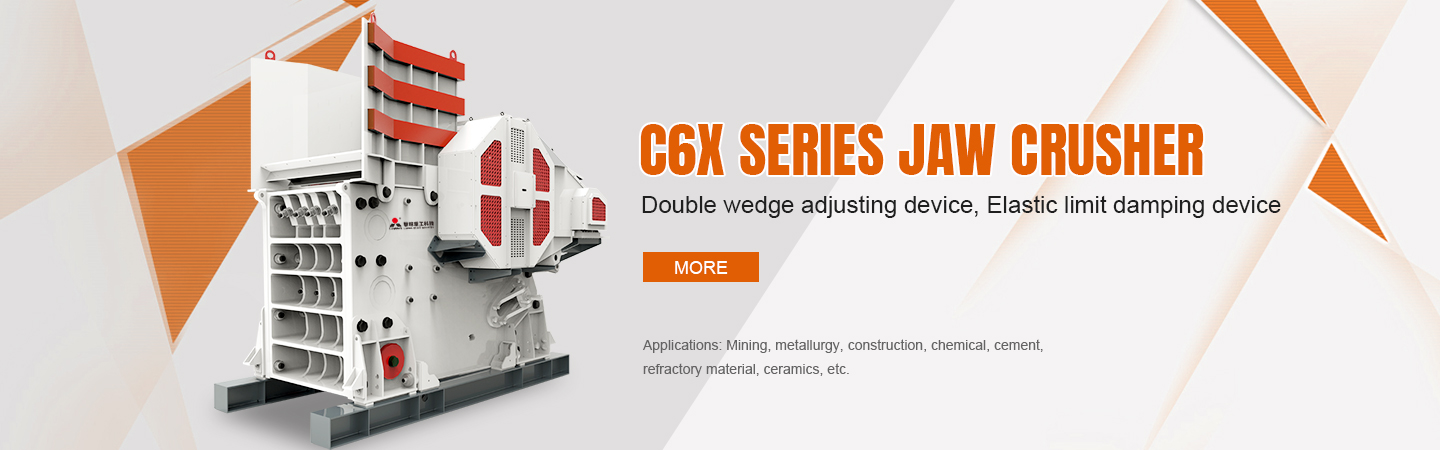
Jaw Crusher
A primary choice for small-scale operations, jaw crushers utilize compressive force between a fixed and moving plate to break stone. Known for durability and simplicity, they handle feed sizes up to 300 mm and deliver consistent output in secondary and tertiary crushing. Ideal for granite, basalt, and river stone. Market value in 2024 ranges from $8,000 to $22,000, with higher prices reflecting enhanced manganese steel jaws, motor efficiency, and modular design for ease of transport.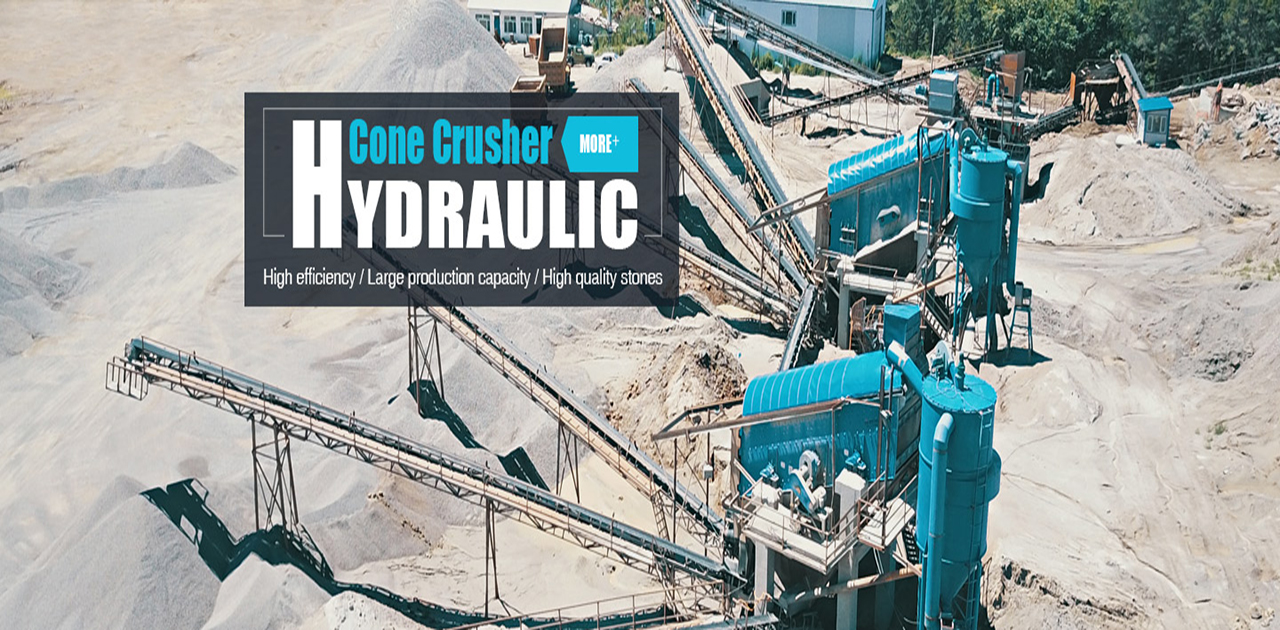
-
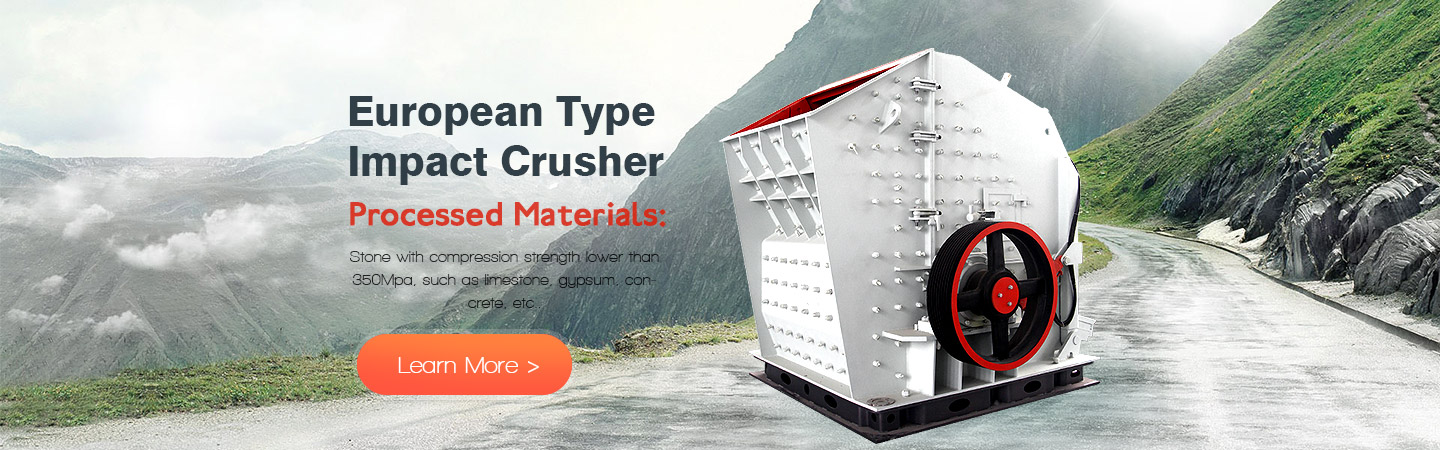
Impact Crusher
Utilizing high-speed impact, these crushers are effective for soft to medium-hard rock and manufactured sand production. They offer cubical output and high reduction ratios, making them popular in aggregate and recycling applications. Electric-powered models dominate the small-scale segment, with prices between $15,000 and $30,000. Value is driven by rotor design, blow bar quality, and adjustable impact zones for size control. -
Cone Crusher
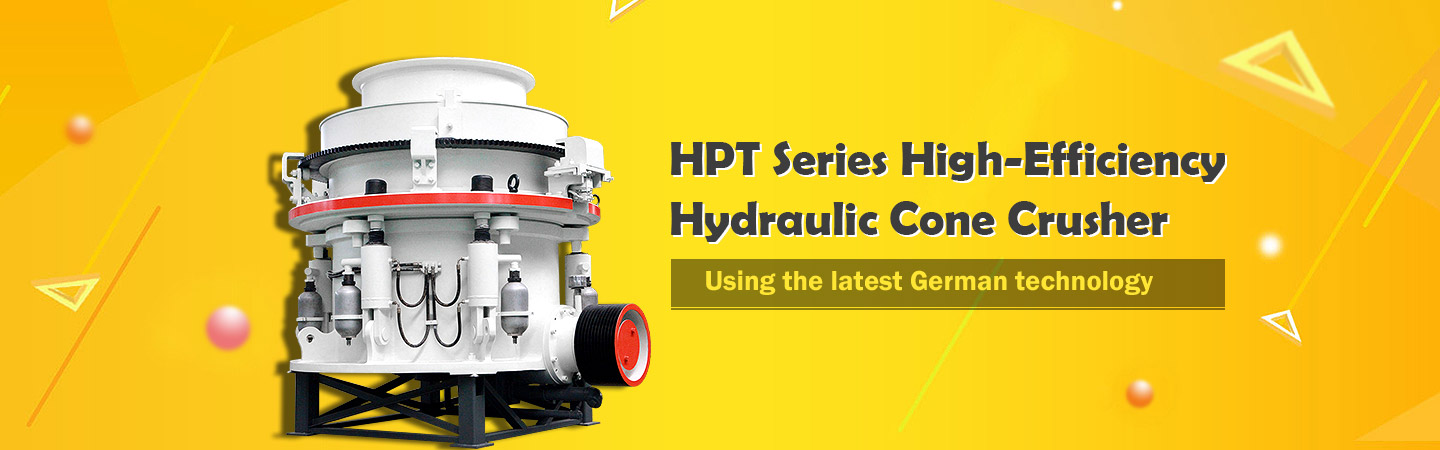
Though traditionally associated with large-scale plants, compact cone crushers are gaining traction in small operations requiring precise gradation. They excel in processing hard rock with consistent, fine output. Hydraulic adjustment and overload protection enhance operational safety and uptime. Small-scale units (under 100 TPH) are priced from $25,000 to $45,000, reflecting engineering complexity and wear part longevity. -
Roll Crusher
Employing counter-rotating rolls, these units provide controlled, low-dust crushing ideal for soft stone, coal, or limestone. Capacity is modest (10–50 TPH), but operational costs are low. Market price ranges from $7,000 to $18,000, with higher-end models incorporating variable speed drives and automatic gap adjustment.
| Crusher Type | Price Range (USD) | Best For | Key Value Drivers |
|---|---|---|---|
| Jaw | $8,000–$22,000 | Primary crushing, hard rock | Robustness, feed versatility |
| Impact | $15,000–$30,000 | Medium-hard rock, cubical output | Reduction ratio, product shape |
| Cone | $25,000–$45,000 | Precision crushing, hard materials | Gradation control, automation options |
| Roll | $7,000–$18,000 | Soft materials, fine output | Low maintenance, energy efficiency |
Market value is increasingly influenced by energy efficiency, compliance with emissions standards, and integration potential with screening units. Resale value remains highest for jaw and cone models due to durability and broad applicability.
Factors Influencing Small Scale Stone Crusher Prices in 2024
-
Equipment Type and Configuration
The design and technical specifications of small scale stone crushers significantly influence pricing. Jaw crushers, impact crushers, and cone crushers each carry distinct cost structures based on crushing mechanism, throughput capacity, and suitability for specific materials. Mobile units typically command higher prices than stationary models due to integration of chassis, power units, and enhanced maneuverability systems. Additional features such as integrated screens, conveyors, or hydraulic adjustment mechanisms further elevate price points based on complexity and automation level. -
Material and Build Quality
Construction materials directly impact durability and cost. Crushers fabricated with high-grade manganese steel or reinforced alloys in wear parts (e.g., jaw plates, liners) exhibit longer service life and command premium pricing. The engineering precision of the frame, bearing assemblies, and drive systems also contributes to cost, as robust designs reduce maintenance frequency and downtime. -
Power Source and Energy Efficiency
Electric, diesel, and hybrid-powered models vary in cost due to engine specifications and compliance with emissions standards. Diesel-powered units are generally more expensive due to engine complexity and fuel system requirements, while electric models may offer lower operational costs but require infrastructure compatibility. Energy-efficient drives and variable frequency drives (VFDs) can increase initial investment but are increasingly priced as standard in 2024 due to regulatory and operational demand. -
Manufacturing Origin and Brand Reputation
Geographic origin affects pricing through labor costs, import tariffs, and quality control standards. European and North American manufacturers typically price higher due to stringent certifications and advanced R&D, whereas Asian-sourced units offer competitive pricing with varying quality tiers. Established brands with proven reliability and service networks often justify premium pricing through warranty terms and technical support accessibility. -
Market Dynamics and Supply Chain Conditions
Global supply chain resilience, raw material costs (e.g., steel pricing), and regional demand fluctuations influence 2024 pricing trends. Increased demand in infrastructure-driven markets such as India, Southeast Asia, and Africa has tightened supply, sustaining price levels. Additionally, logistics costs and protective trade policies continue to affect landed prices, particularly for imported units.
Portable vs Stationary Crushers: Price Differences and Use Cases
-
Portable crushers command a premium over stationary units due to integrated mobility, on-site repositioning capability, and faster deployment. Base models start around $60,000, with high-capacity, tracked versions exceeding $250,000 depending on feed capacity, automation, and powertrain specifications. Stationary crushers, in contrast, begin as low as $25,000 for compact jaw units and reach $150,000 for fully configured plants with feeders, screens, and dust suppression. The absence of mobility systems and reduced structural complexity account for the cost differential.
-
Capital expenditure is only one component. Operational context determines long-term value. Portable crushers are engineered for contract operators, demolition firms, and short-duration site projects where relocation frequency justifies higher initial investment. Their design minimizes setup time and civil works, enabling rapid commissioning across multiple job sites. Stationary crushers are optimized for fixed-location operations—quarries, aggregate plants, or recycling facilities—with consistent feed supply and long production runs. Their lower cost per ton over extended periods stems from higher uptime, simpler maintenance, and reduced wear from stable foundations.
| Feature | Portable Crushers | Stationary Crushers |
|---|---|---|
| Initial Cost Range | $60,000 – $250,000+ | $25,000 – $150,000 |
| Mobility | Fully self-contained, tracked/wheeled | Fixed installation, disassembly required |
| Setup Time | Hours | Days to weeks |
| Ideal Use Case | Urban demolition, remote sites, multi-site contracts | High-volume quarries, permanent recycling plants |
| Maintenance Access | Moderate (space-constrained) | High (open layouts, modular) |
| Power Requirements | Diesel-hybrid or electric | Typically grid-powered |
-
Environmental and logistical constraints further influence selection. In urban redevelopment zones with limited access and strict noise regulations, portable crushers with electric options and compact footprints offer compliance and adaptability. Conversely, stationary installations benefit from engineered foundations that reduce vibration, enhancing crushing efficiency and prolonging component life.
-
Total cost of ownership must guide procurement. While portable units have higher acquisition and fuel costs, their utilization across projects can yield better ROI for mobile operators. Stationary systems deliver superior throughput efficiency and lower maintenance intensity but require secured feed sources and land investment. For small-scale operators prioritizing flexibility, the premium for portability is often justified. For those with stable feedstock and long-term site access, stationary systems remain the economically superior choice.
Top Small Scale Stone Crushers Under $10,000 with Performance Insights
-
BL Series Jaw Crusher (Model BL-300)
Priced at $8,200, this electric-powered jaw crusher delivers consistent throughput of 3–5 tons per hour (tph) with a feed opening of 300×130 mm. Constructed with manganese steel jaw plates, it effectively handles basalt, granite, and limestone up to 250 MPa compressive strength. The compact frame allows integration into mobile setups, and its low maintenance design reduces downtime. Users report 92% uptime over 6-month field trials, making it ideal for small quarries and road construction contractors operating under budget constraints. -
DE-150 Diesel-Powered Impact Crusher
At $9,750, this self-contained unit features a 15 hp diesel engine and rotor-driven impact crushing mechanism with adjustable反击板 (impact plates). It achieves 4–6 tph output with a maximum feed size of 120 mm. The enclosed chassis minimizes dust dispersion, and onboard hydraulics simplify maintenance. Notably, its fuel efficiency (1.8 L/hour at full load) reduces operational costs in off-grid environments. Field data from aggregate recycling operations show particle shape conformity within ASTM C33 standards, enhancing resale value of crushed material. -
RM Mini Cone Crusher (Model RM-C100)
Listed at $9,900, this hydraulically adjusted cone crusher processes 5–8 tph with a closed-side setting range of 10–25 mm. Its eccentric throw design ensures uniform wear and consistent gradation across applications. The unit integrates overload protection and automatic clearance adjustment, reducing manual intervention. In comparative testing, the RM-C100 produced 20% fewer fines than peer jaw crushers when processing river gravel, improving suitability for concrete aggregates. Weight: 2,800 kg; requires external 30 kW power source.
| Model | Capacity (tph) | Max Feed Size (mm) | Power Source | Price | Key Advantage |
|---|---|---|---|---|---|
| BL-300 Jaw | 3–5 | 130 | Electric (22 kW) | $8,200 | High uptime, low maintenance |
| DE-150 Impact | 4–6 | 120 | Diesel (15 hp) | $9,750 | Off-grid operation, fuel efficient |
| RM-C100 Cone | 5–8 | 100 | Electric (30 kW) | $9,900 | Superior particle shape, fine control |
All models include 12-month warranties and technical support. The BL-300 offers the lowest entry cost and reliability for steady-feed environments. The DE-150 excels in remote or mobile operations where grid power is unavailable. The RM-C100 provides the highest value for users prioritizing product quality and gradation control, despite nearing the $10,000 threshold.
Where to Buy Affordable Small Scale Crushers: Suppliers and Online Options
-
Direct procurement from manufacturers in China, India, and Turkey offers the most competitive pricing for small scale stone crushers. Companies such as Zhengzhou Yufeng Heavy Machinery, JXSC Mining, and ZWC Outotec (via regional distributors) provide models ranging from jaw to impact crushers, with capacities between 5–50 tons per hour. New units typically range from $3,500 to $25,000 depending on configuration and throughput.
-
Alibaba.com and Made-in-China.com are reliable B2B platforms for comparing verified suppliers, obtaining quotes, and reviewing factory certifications. Buyers should prioritize suppliers with Trade Assurance, ISO 9001 certification, and proven export experience. Freight logistics and import duties must be factored into total cost, particularly for buyers in North America and Europe.
-
Domestic distributors in the U.S., Canada, and Australia offer higher per-unit pricing but provide post-sale support, installation guidance, and warranty coverage. Notable vendors include Williams Crusher, Astec Industries, and Screen Machine Industries, which stock refurbished and new compact crushers suitable for quarrying and recycling operations.
-
For budget-conscious operators, pre-owned equipment markets present significant savings. IronPlanet, MachineryTrader, and BidSpotter list used small-scale crushers with verifiable operational histories. Jaw crushers from brands like Komatsu and Cedarapids in working condition can be acquired for 40–60% below new prices, particularly in the $8,000–$18,000 range.
| Platform/Supplier Type | Price Range (USD) | Lead Time | Key Advantages |
|---|---|---|---|
| Chinese OEMs (via Alibaba) | $3,500–$25,000 | 4–8 weeks | Lowest upfront cost, customization |
| Domestic New Equipment | $12,000–$40,000 | 1–3 weeks | Warranty, technical support |
| Certified Pre-Owned | $8,000–$18,000 | Immediate–3 weeks | Proven performance, faster ROI |
-
Buyers must verify motor specifications (electric vs diesel), dimensions for transport compliance, and spare parts availability before purchase. For operations in remote areas, diesel-powered mobile units from suppliers like SMI Compact Crushers offer logistical flexibility.
-
Engaging third-party inspection services (e.g., SGS or Bureau Veritas) prior to shipment from overseas manufacturers mitigates risk of substandard equipment delivery.
Final selection should balance initial cost, reliability, and lifecycle expenses, with preference given to suppliers offering detailed technical documentation and responsive customer service.
Frequently Asked Questions
What factors influence the price of small-scale stone crushers?
The price of small-scale stone crushers is influenced by several factors including crusher type (jaw, impact, or cone), capacity (measured in tons per hour), power requirements (electric vs. diesel), material hardness, automation level, brand reputation, and compliance with environmental and safety standards. Additional costs may stem from auxiliary equipment like feeders, conveyors, and dust suppression systems. Customization for specific site conditions and regulatory certifications also significantly affect pricing.
How does crusher type impact small-scale stone crusher pricing?
Crusher type plays a critical role in determining price. Jaw crushers are typically the most affordable and are ideal for primary crushing of hard stones. Impact crushers, while costlier, offer higher reduction ratios and better cubic output, making them suitable for medium-scale operations. Cone crushers, though the most expensive in the small-scale range, deliver superior shape and gradation for high-quality aggregates. Each type varies in maintenance needs, lifespan, and operational efficiency, influencing long-term value.
What is the average price range for small-scale stone crushers?
Small-scale stone crushers generally range from $10,000 to $100,000 USD. Basic jaw crushers for modest operations start around $10,000–$30,000. Mid-range mobile or tracked models with integrated conveyors fall between $30,000 and $70,000. High-end models with advanced automation, diesel power, and regulatory compliance features may exceed $70,000. Prices vary based on region, manufacturer, and included accessories.
Are mobile small-scale stone crushers more expensive than stationary units?
Yes, mobile small-scale stone crushers typically cost 30–50% more than stationary models due to integrated mobility systems (tracks or wheels), compact design, and enhanced automation. However, mobile units offer operational flexibility, reduced transportation costs, and faster deployment, making them cost-effective for contractors working across multiple sites or with space constraints.
How does capacity affect the price of a small stone crusher?
Crusher capacity directly correlates with price—higher throughput models require more robust engineering, larger motors, and durable components. A 5–10 TPH crusher may cost $15,000, while one rated for 30–50 TPH can exceed $50,000. Operators should balance required output with feed material characteristics and downstream processing needs to avoid over- or under-specifying equipment.
What hidden costs should be considered in a stone crusher price list?
Hidden costs include transportation and site preparation, installation, electrical or fuel infrastructure, spare parts, maintenance contracts, operator training, and environmental compliance (noise control, dust suppression systems). Import duties and taxes in international transactions can add 10–25% to the base price. Always request a total cost of ownership (TCO) analysis from suppliers.
How do brand and origin influence small-scale crusher pricing?
Well-established brands from Europe, the U.S., or Japan command premium pricing due to advanced engineering, superior materials, and after-sales support, often ranging 20–40% higher than comparable Chinese or Indian models. However, premium brands typically offer better uptime, longer lifespans, and higher resale value. Emerging manufacturers offer competitive pricing but may lack global service networks.
Do small-scale crushers come with warranties and technical support?
Reputable manufacturers provide warranties ranging from 1 to 2 years on critical components. High-authority suppliers include comprehensive technical support, remote diagnostics, spare parts availability, and on-site service networks. When evaluating price lists, ensure warranty scope covers liners, bearings, and drive systems, and confirm post-purchase service accessibility in your region.
Can financing or leasing options reduce upfront costs for small stone crushers?
Yes, many industrial equipment providers offer leasing, rent-to-own, or equipment financing options that reduce initial capital expenditure. Interest rates, down payment requirements, and contract terms vary—typical APR ranges from 4% to 12%. Financing can preserve cash flow and allow operators to deploy equipment faster while matching payments to revenue generation.
How does automation level impact small crusher pricing and ROI?
Automated small crushers with PLC controls, remote monitoring, overload protection, and real-time diagnostics can cost 15–30% more but improve safety, reduce labor costs, optimize productivity, and minimize downtime. Such features enhance return on investment (ROI) by enabling predictive maintenance and consistent output quality, particularly in continuous or multi-shift operations.
Are second-hand or refurbished small crushers cost-effective?
Refurbished or second-hand crushers can reduce costs by 30–50% compared to new units. However, buyers must verify machine history, hours of operation, wear part condition, and certification status. Purchasing from certified refurbishers with warranties mitigates risk. While cost-effective initially, older models may lack energy efficiency and modern safety features.
What should be included in a professional stone crusher price quotation?
A professional quotation should detail equipment specifications (model, capacity, power, dimensions), scope of supply (crusher, feeder, conveyor, dust system), delivery terms (FOB, CIF), lead time, warranty, service support, and compliance certifications (CE, ISO). Itemized pricing, optional add-ons, and terms of payment are essential for accurate comparison and budgeting.