Table of Contents
- Geita Gold Mine Overview: Tanzania’s Premier Underground Gold Operation
- Historical Development and Expansion of the Geita Mine
- Ownership and Operations: Barrick Gold’s Role in Geita’s Success
- Economic Impact of Geita Gold Mine on Tanzania and Local Communities
- Sustainability, Challenges, and Future Outlook for Geita Mine
- Frequently Asked Questions
- What is the location and geological significance of the Geita Gold Mine in Tanzania?
- Who owns and operates the Geita Gold Mine?
- What is the annual gold production capacity of the Geita Gold Mine?
- What mining methods are employed at the Geita Gold Mine?
- How does the Geita Gold Mine process extracted ore?
- What environmental and sustainability measures are in place at Geita?
- What community development programs are supported by the Geita Gold Mine?
- What exploration potential exists around the Geita Gold Mine?
- How does the Geita Gold Mine ensure worker safety and operational integrity?
- What role does automation play in the Geita Gold Mine’s operations?
- How does the Geita Gold Mine contribute to Tanzania’s national economy?
- What is the projected mine life and future development plan for Geita?
Nestled in the rugged landscapes of northwestern Tanzania, the Geita Gold Mine stands as a cornerstone of Africa’s thriving mining sector and a beacon of economic transformation. Operated by AngloGold Ashanti, this prolific underground and open-pit operation has consistently ranked among the continent’s highest-yielding gold mines, producing over half a million ounces annually. With a history rooted in small-scale prospecting and now evolved into a world-class mining hub, Geita exemplifies how responsible resource extraction can drive sustainable development. Beyond its impressive output, the mine plays a pivotal role in Tanzania’s economy, generating thousands of direct and indirect jobs, advancing local infrastructure, and contributing significantly to national revenues. Through cutting-edge technology, rigorous environmental stewardship, and deep community engagement, Geita Gold Mine is not only shaping the future of mining in East Africa but also setting global benchmarks for operational excellence and socio-economic impact.
Geita Gold Mine Overview: Tanzania’s Premier Underground Gold Operation
-
Located in northwestern Tanzania, the Geita Gold Mine stands as one of Africa’s most significant underground gold operations, playing a pivotal role in the nation’s mining sector. Operated by AngloGold Ashanti, the mine has been in continuous production since 2000 and remains a cornerstone of Tanzania’s mineral economy. Situated approximately 130 kilometers south of Lake Victoria, the Geita deposit lies within the Archaean-aged Lake Victoria Greenstone Belt, a geologically prolific region renowned for high-grade gold mineralization.
-
The Geita Gold Mine operates through a combination of mechanized underground mining methods and large-scale open-pit extraction, although recent strategic focus has shifted decisively toward deepening underground operations. This transition supports long-term sustainability, leveraging advanced seismic monitoring, automated drilling, and real-time data analytics to optimize ore extraction from depths exceeding 2,000 meters. The processing infrastructure includes a robust carbon-in-leach (CIL) plant with a throughput capacity of 6.5 million tonnes per annum, consistently achieving high gold recovery rates above 95%.
-
In 2023, the mine produced over 500,000 ounces of gold, contributing approximately 30% of Tanzania’s total gold output. This volume positions Geita as the country’s leading single-source gold producer. Beyond production metrics, the mine is instrumental in national economic development—contributing significantly to government revenues through royalties, taxes, and dividends, while directly employing over 4,000 people and supporting thousands more through indirect channels.
-
Geita is distinguished not only by its operational scale but also by its commitment to sustainable practices. The mine adheres to stringent environmental management protocols, including water recycling systems and progressive land rehabilitation. Community development programs focus on health, education, and small enterprise support, reinforcing long-term social license to operate.
-
With proven and probable reserves exceeding 5 million ounces and ongoing exploration success in the Geita Greenstone Belt, the mine is poised for sustained production well into the next decade. Its integration of technical innovation, operational discipline, and stakeholder engagement solidifies Geita Gold Mine’s status as Tanzania’s premier underground gold operation and a benchmark for African mining excellence.
Historical Development and Expansion of the Geita Mine
- Gold mineralization in the Geita region was first identified during the German colonial era in the late 19th and early 20th centuries, with initial exploration efforts led by German geologists between 1894 and 1916.
- Systematic mining began under British colonial administration in the 1930s, when the Geita Gold Mine was officially established in 1934 by the Tanganyika Concessions Limited. It quickly became one of East Africa’s most productive gold operations.
- The mine operated continuously until 1966, when declining ore grades, aging infrastructure, and economic challenges led to its closure. Over its first operational phase, Geita produced approximately 3.6 million ounces of gold.
- Following decades of inactivity, renewed interest in Tanzania’s gold potential attracted international investors in the 1990s. The government’s revised mining code and liberalized investment policies facilitated foreign direct investment in the sector.
- In 1999, a joint venture between AngloGold and Ashanti Goldfields initiated exploration and feasibility studies at Geita, culminating in the formation of AngloGold Ashanti (Tanzania) Limited. Full-scale rehabilitation and expansion commenced in 2000, with commercial production resuming in 2001.
- The modern redevelopment included state-of-the-art processing facilities, deep-level mining infrastructure, and significant investment in community and environmental management systems. The Nangana and Geita Hill underground operations were expanded, while large-scale open pits such as Nyankanga were developed to access high-grade ore bodies.
- Acquisition of Ashanti Goldfields by AngloGold in 2004 solidified sole ownership, enabling accelerated capital deployment. Over the following two decades, Geita underwent multiple expansions, including the commissioning of the M0 and M1 mills, which increased processing capacity to 12 million tonnes per annum.
- The introduction of block caving methods in the Geita Hill Deeps project marked a strategic shift toward sustainable deep-level mining, extending the mine life beyond 2035.
- As of the early 2020s, Geita consistently ranks among Africa’s top gold-producing mines, with annual output exceeding 500,000 ounces. It contributes significantly to Tanzania’s GDP and remains a cornerstone asset in AngloGold Ashanti’s global portfolio. The mine continues to drive technological innovation, workforce development, and regional economic transformation.
Ownership and Operations: Barrick Gold’s Role in Geita’s Success
-
Barrick Gold has served as the operator and majority owner of the Geita Gold Mine since 2002, following its acquisition of Placer Dome, the mine’s original developer. Under Barrick’s stewardship, Geita has undergone a transformation from a historically underperforming asset into one of Africa’s most productive and efficient gold operations. This turnaround reflects Barrick’s strategic focus on operational excellence, technological integration, and long-term sustainability.
-
Central to Barrick’s success at Geita has been its deployment of a disciplined, data-driven management model. The company implemented its proprietary Barrick Production System (BPS), a comprehensive operational framework emphasizing continuous improvement, cost discipline, and safety. This system has driven consistent gains in throughput, recovery rates, and cost efficiency, enabling Geita to maintain industry-leading production levels—consistently exceeding 500,000 ounces of gold annually in recent years.
-
Investment in infrastructure and innovation has been pivotal. Barrick has overseen multiple expansions, including the commissioning of the Geita Deep project, which extended mine life and unlocked access to high-grade ore bodies at depth. Additionally, the adoption of modern mining technologies—such as automated drilling systems, advanced geological modeling, and real-time process monitoring—has enhanced precision and reduced environmental impact.
-
Environmental and community stewardship are embedded in Barrick’s operational philosophy at Geita. The company has committed to reducing carbon emissions, improving water recycling rates, and achieving ISO 14001 certification for environmental management. Moreover, Geita operates under a robust social responsibility framework, contributing significantly to local employment, education, healthcare, and infrastructure development in the surrounding regions.
-
Governance and transparency are cornerstones of Barrick’s approach, with regular reporting on safety, production, and community impact. The company collaborates closely with the Tanzanian government and local stakeholders to ensure compliance with national regulations and shared value creation.
-
Today, Geita stands as a model of sustainable mining under Barrick’s leadership—delivering strong financial returns while reinforcing its role as a cornerstone of Tanzania’s mining sector and broader economic development.
Economic Impact of Geita Gold Mine on Tanzania and Local Communities
- Generated over $1.6 billion in direct revenue for Tanzania between 2019 and 2023 through taxes, royalties, and dividends
- Contributed approximately 8% of Tanzania’s total gold exports, reinforcing the country’s position among Africa’s top gold-producing nations
- Employed more than 4,500 people directly, with 98% of the workforce comprised of Tanzanian nationals, significantly reducing regional unemployment
- Supported an additional 15,000 indirect jobs through contracted services, local supply chains, and small-to-medium enterprise (SME) development in Geita Region
The Geita Gold Mine has served as a critical engine for regional and national economic growth. Its consistent production—averaging 350,000 ounces of gold annually—has stabilized Tanzania’s foreign exchange inflows and enhanced fiscal capacity for public investment. Corporate tax contributions, mining royalties, and reinvestment in infrastructure have strengthened the national budget and improved resource allocation in health, education, and transport sectors.
At the local level, the mine has catalyzed socioeconomic transformation in Geita. Infrastructure development—including roads, power grids, and water supply systems—initially built to support operations, now benefits surrounding communities. The mine’s investment in the Geita District Water Supply Project has provided clean water access to over 100,000 residents.
Local procurement initiatives have channeled over $120 million annually into Tanzanian businesses, fostering entrepreneurship and skills transfer. Training programs and technical partnerships with vocational institutions have elevated workforce capabilities, promoting long-term employability beyond mining.
Environmental and social governance initiatives have been integrated into economic planning. The mine’s $60 million reclamation and closure plan ensures sustainable land use post-operation, while community development agreements guarantee continued socioeconomic engagement.
Geita Gold Mine’s economic footprint extends beyond output metrics. It has become a model for value retention within host countries, aligning commercial success with national development priorities. Through structured fiscal contributions, employment generation, and local content development, the mine exemplifies how large-scale resource extraction can drive inclusive, sustainable economic transformation in sub-Saharan Africa.
Sustainability, Challenges, and Future Outlook for Geita Mine
-
Geita Gold Mine has made significant strides in embedding sustainability into its operational framework, aligning with global best practices and Tanzania’s national development objectives. The mine has implemented energy-efficient technologies, reduced greenhouse gas emissions, and enhanced water recycling systems, achieving over 85% water recirculation in processing operations. Tailings management has been optimized through the adoption of dry-stack filtration at the new processing plant, reducing environmental footprint and improving long-term stability.
-
Community engagement remains central to Geita’s sustainability strategy. Through the Geita Community Development Fund, the mine supports education, healthcare, and small enterprise development across 18 surrounding villages. Employment of local personnel exceeds 90%, with targeted programs to advance gender inclusion—women now constitute 27% of the workforce, above the industry average in sub-Saharan Africa.
-
Despite progress, challenges persist. Rising energy costs and dependence on diesel generation affect operational efficiency and carbon intensity. Water scarcity during extended dry seasons pressures supply resilience. Additionally, deeper ore bodies being accessed require more complex extraction methods, increasing capital and energy demands. Regulatory uncertainty around mining royalties and community equity participation remains a concern for long-term planning.
-
Future outlook is shaped by innovation and strategic investment. AngloGold Ashanti’s $300 million expansion of the Geita mine, completed in 2022, extended the mine life beyond 2030 and increased processing capacity to 6 million tonnes per annum. Automation and digital twin technologies are being deployed to enhance predictive maintenance and optimize ore recovery. Exploration programs targeting the Geita Greenstone Belt continue to yield positive results, with potential to grow reserves significantly.
-
Geita Mine is also advancing its decarbonization roadmap, evaluating solar hybrid power integration and transitioning the haul fleet to electric vehicles. These initiatives position Geita not only as a leader in African gold production but as a model for sustainable, integrated mining operations on the continent. Continued stakeholder collaboration and adaptive governance will be essential to maintaining this trajectory.
Frequently Asked Questions
What is the location and geological significance of the Geita Gold Mine in Tanzania?
The Geita Gold Mine is situated in the Geita Region of northwestern Tanzania, approximately 120 kilometers southwest of Lake Victoria. It lies within the Archaean-age Nyanzian greenstone belt, a highly prospective geological formation known for hosting prolific Paleoproterozoic gold deposits. The mine exploits both high-grade shear zone-hosted lode systems and satellite deposits formed by hydrothermal alteration and structurally controlled mineralization, making it one of East Africa’s most geologically significant gold provinces.
Who owns and operates the Geita Gold Mine?
The Geita Gold Mine is owned and operated by AngloGold Ashanti, a leading global gold mining company. It is classified as a wholly-owned asset within AngloGold Ashanti’s portfolio and is one of the company’s largest producing mines. The operation is managed through AngloGold Ashanti Tanzania Limited, which adheres to international mining standards, environmental protocols, and community engagement frameworks.
What is the annual gold production capacity of the Geita Gold Mine?
As of recent operational reports, the Geita Gold Mine produces approximately 300,000 to 350,000 ounces of gold annually. This output is supported by multiple underground and open-pit operations, including the Geita Deep, Nyankanga, and Kuben pits. The mine has undergone significant expansion and optimization initiatives to sustain high production levels, with ongoing investments in processing throughput and orebody delineation.
What mining methods are employed at the Geita Gold Mine?
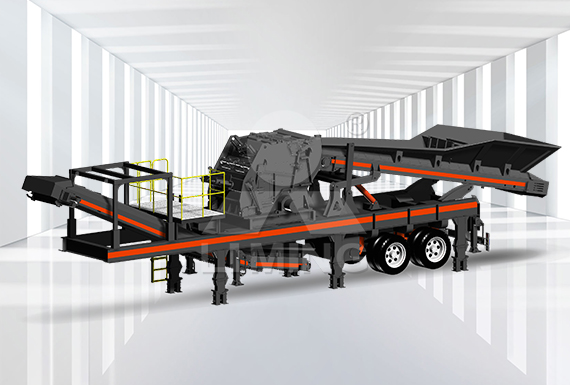
Geita utilizes a combination of open-pit and underground mining methods. Open-pit operations leverage conventional drill-blast-extract processes, while underground mining employs mechanized cut-and-fill and long-hole stoping techniques at depths exceeding 1,200 meters. The underground infrastructure integrates automated ore handling, real-time geotechnical monitoring, and advanced ventilation systems to ensure safety and efficiency.
How does the Geita Gold Mine process extracted ore?
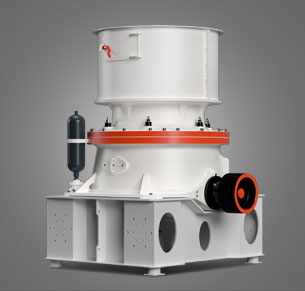
The mine operates a centralized processing plant with a capacity of 7.2 million tonnes per annum. The process involves crushing, semi-autogenous (SAG) and ball milling, followed by carbon-in-leach (CIL) cyanidation to extract gold from ore. Refractory ore fractions are treated using a dedicated gravity and intensive leach reactor (ILR) circuit, achieving overall gold recoveries exceeding 95%. The refinery produces doré bars for export and final refining.
What environmental and sustainability measures are in place at Geita?
AngloGold Ashanti has implemented a comprehensive Environmental, Social, and Governance (ESG) framework at Geita, including ISO 14001-certified environmental management systems. Key initiatives include tailings storage facility (TSF) modernization per Global Industry Standard on Tailings Management (GISTM) guidelines, water recycling programs (>85% reuse), biodiversity offsetting, and closure planning with progressive rehabilitation. The mine also runs a carbon footprint reduction strategy focused on energy efficiency and renewable integration.
What community development programs are supported by the Geita Gold Mine?
The mine actively supports community development through the Geita Community Development Agreement (CDA) and AngloGold Ashanti’s Sustaining Value Creation (SVC) program. Initiatives include healthcare access (support for 15 local clinics), education (scholarships and school infrastructure), water supply projects, and Small and Medium Enterprise (SME) development. Over 80% of the workforce is recruited locally, and the mine operates a structured Local Procurement Program to boost regional economic inclusion.
What exploration potential exists around the Geita Gold Mine?
Extensive exploration programs continue to identify new reserves and extend mine life beyond 2035. The Geita mining camp hosts multiple identified targets within the greater mineralized envelope, including sub-crop extensions of the Nyankanga and Kube deposits, and deep-seated lenses beneath existing pits. Recent drilling has confirmed the presence of structurally controlled mineralization at depth, supported by 3D geological modeling and induced polarization (IP) surveys.
How does the Geita Gold Mine ensure worker safety and operational integrity?
Geita maintains rigorous safety protocols aligned with the International Council on Mining and Metals (ICMM) standards. The operation employs a Behavior-Based Safety (BBS) program, automated monitoring of ground conditions, and advanced gas detection systems in underground zones. It has achieved over 5 million safe work hours in recent years and continues to invest in digital safety tools, including real-time location systems (RTLS) and predictive maintenance analytics.
What role does automation play in the Geita Gold Mine’s operations?
Geita is progressively integrating automation to enhance precision, safety, and productivity. This includes remote-operated underground drill jumbos, autonomous haulage systems in select open pits, and a centralized control room enabling real-time monitoring of mining, processing, and energy systems. The mine also utilizes unmanned aerial vehicles (UAVs) for surveying and stockpile volume analysis, reducing exposure risks and improving data accuracy.
How does the Geita Gold Mine contribute to Tanzania’s national economy?
The mine is a major contributor to Tanzania’s GDP and foreign exchange earnings, contributing over USD 200 million annually in direct and indirect revenues. It pays royalties, corporate taxes, and import duties while supporting over 5,000 direct and 10,000 indirect jobs. The government of Tanzania recognizes Geita as a strategic asset under its Mining Act, with the mine complying with local content regulations and national development priorities.
What is the projected mine life and future development plan for Geita?
The current reserve base supports a mine life extending beyond 2035, with ongoing exploration expected to extend this further. The Future Growth Project (FGP), completed in recent years, increased plant capacity and deepened underground infrastructure. Forward plans include advancing the Geita Deep Project to access high-grade ore at depths up to 1,600 meters, alongside investments in energy self-sufficiency and mine-to-mill optimization for long-term viability.