Table of Contents
- Global Leaders in Bowl Mill Manufacturing for Power and Industrial Applications
- Key Features and Technologies Driving Modern Bowl Mill Performance
- Top-Rated Bowl Mill Manufacturers in North America and Europe
- Emerging Bowl Mill Producers in Asia and Their Market Impact
- How to Choose the Right Bowl Mill Manufacturer for Your Industrial Needs
- Frequently Asked Questions
- What are the top global manufacturers of bowl mills for power and cement industries?
- How do bowl mill designs vary between manufacturers for different industrial applications?
- Which bowl mill manufacturers offer the highest energy efficiency and low maintenance designs?
- Are there OEM bowl mill manufacturers in China with international compliance certifications?
- What are the critical selection criteria when choosing a bowl mill manufacturer?
- How do leading bowl mill manufacturers address emissions and environmental compliance?
- Can bowl mills be retrofitted or upgraded for higher capacity or alternative fuels?
- What role does digitalization play in modern bowl mill operations by top manufacturers?
- How do bowl mill manufacturers ensure reliability in high-ash or abrasive coal applications?
- What after-sales support and service networks do global bowl mill manufacturers provide?
In the global power generation and industrial sectors, the demand for efficient, reliable coal pulverizing equipment remains pivotal to optimizing combustion performance and operational efficiency. At the heart of this critical process lies the bowl mill—a cornerstone technology known for its precision, durability, and ability to handle a wide range of coal types. As energy demands rise and environmental standards tighten, leading manufacturers of bowl mills continue to innovate, delivering advanced solutions that enhance fuel preparation while minimizing emissions and maintenance costs. From large-scale thermal power plants to industrial processing facilities, these high-performance mills play an indispensable role in ensuring consistent coal fineness and system reliability. Across North America, Europe, Asia, and beyond, a select group of global manufacturers has emerged as industry frontrunners, combining cutting-edge engineering with decades of field-proven expertise. This article explores the top bowl mill manufacturers worldwide, spotlighting the companies shaping the future of coal pulverization with technology, quality, and sustainable performance at the forefront.
Global Leaders in Bowl Mill Manufacturing for Power and Industrial Applications
-
Babcock & Wilcox (B&W), headquartered in the United States, stands as a preeminent force in bowl mill manufacturing with over a century of engineering excellence. Their MPS and E-type bowl mills are engineered for high-efficiency coal pulverization in large-scale power generation, offering robust performance across a range of coal types. B&W’s mills are widely integrated into utility boilers globally, with a strong service footprint ensuring lifecycle support, optimization, and compliance with evolving emissions standards.
-
Loesche GmbH, based in Germany, is a global innovator in vertical roller mill technology, including advanced bowl mill designs tailored for coal, cement, and industrial minerals. Loesche’s coal mills are distinguished by energy efficiency, low wear rates, and modular construction, enabling rapid installation and maintenance. Their digital integration capabilities, including remote monitoring and predictive maintenance systems, position them at the forefront of Industry 4.0 adoption in pulverizing technology.
-
Mitsubishi Power (a Mitsubishi Heavy Industries company) delivers high-capacity bowl mills designed for supercritical and ultra-supercritical power plants. Their proprietary mill designs emphasize operational reliability, turndown flexibility, and low NOx precursor generation. With a focus on fuel versatility, Mitsubishi’s mills support co-firing of coal with biomass and other alternative fuels, aligning with decarbonization trajectories in power sectors across Asia, the Middle East, and Europe.
-
Hitachi Zosen Corporation, leveraging Japan’s precision engineering heritage, produces bowl mills optimized for stable combustion and minimal maintenance in demanding thermal environments. Their mills incorporate advanced grinding table dynamics and classifier technology, enhancing fineness control and reducing power consumption. Hitachi Zosen’s solutions are frequently specified in high-availability baseload plants, particularly in Japan and Southeast Asia.
-
CE (Combustion Engineering), now part of General Electric’s portfolio, developed the foundational E-type bowl mill design, which remains a benchmark in the industry. GE’s continued support and retrofit programs ensure legacy units meet modern efficiency and environmental benchmarks. Their global technical network provides engineering upgrades, performance audits, and digital twin integration for extended asset life.
These manufacturers distinguish themselves through technological innovation, global service infrastructure, and compliance with international standards such as ASME, ISO, and IEC. Their collective advancements continue to shape the reliability, efficiency, and sustainability of coal-based and hybrid thermal power generation worldwide.
Key Features and Technologies Driving Modern Bowl Mill Performance
-
Advanced Material Composition: Modern bowl mills leverage high-chrome alloy steels and specialized wear-resistant coatings in critical components such as grinding rolls, tires, and classifier assemblies. These materials significantly extend operational life under abrasive coal conditions, reducing downtime and maintenance frequency.
-
Dynamic Classifier Technology: High-efficiency variable-speed classifiers enable precise particle size control, optimizing coal fineness for combustion efficiency. These classifiers adapt in real time to varying coal types and load conditions, ensuring consistent pulverized fuel quality across operating ranges.
-
Hydraulic Load and Gap Control Systems: Electro-hydraulic actuators provide precise control over grinding force and roll-to-race clearance. This adaptability enhances grinding efficiency, reduces metal-to-metal contact, and mitigates vibration, contributing to stable mill performance and prolonged component life.
-
Integrated Condition Monitoring: Advanced sensor arrays monitor vibration, temperature, pressure differentials, and power consumption. Coupled with predictive analytics, these systems enable proactive maintenance, detect anomalies early, and support remote diagnostics—key elements in maximizing mill availability and reducing unplanned outages.
-
Optimized Airflow and Fuel Distribution Design: Computational fluid dynamics (CFD) modeling informs internal airflow management, ensuring uniform coal transport and minimizing primary air resistance. Balanced fuel distribution across burners improves flame stability and reduces NOx formation.
-
Automation and Digital Integration: Modern bowl mills are equipped with programmable logic controllers (PLCs) and integrated into plant-wide distributed control systems (DCS). This enables seamless load-following operation, automatic startup sequences, and coordinated response to boiler demand fluctuations.
-
Modular Design and Serviceability: Leading manufacturers emphasize modular construction for simplified maintenance and component replacement. Features such as swing-out roll assemblies and top-access classifiers reduce maintenance duration and improve technician safety.
-
Emissions and Efficiency Compliance: Design innovations directly support environmental performance—finer, more uniform pulverization enhances burnout rates, lowers carbon-in-ash, and supports co-firing with biomass or alternative fuels without compromising reliability.
These technologies collectively define the performance benchmark for contemporary bowl mills, enabling high availability, fuel flexibility, and compliance with stringent operational and environmental standards across global power generation and industrial sectors.
Top-Rated Bowl Mill Manufacturers in North America and Europe
-
Babcock & Wilcox (B&W), headquartered in Akron, Ohio, stands as a preeminent manufacturer of bowl mills in North America. With over a century of experience in boiler and pulverizing technology, B&W’s MPS and E-type bowl mills are engineered for high reliability and efficiency in coal-fired power generation. Their mills are widely deployed across North American utilities, known for robust performance under variable coal qualities and stringent emissions requirements. B&W’s integration of advanced materials and predictive maintenance systems ensures extended service life and reduced downtime.
-
Foster Wheeler, now part of John Wood Group following acquisition, previously developed a distinguished line of LOESCHE-influenced bowl mills adapted for North American applications. Though its standalone manufacturing has diminished, Wood Group continues to support legacy installations with engineering upgrades and performance optimization services, particularly in the northeastern U.S. and Canada.
-
LOESCHE GmbH, based in Düsseldorf, Germany, is a dominant force in European bowl mill manufacturing. Their vertical roller mills—particularly the LM and MPS series—are globally recognized for energy efficiency, low wear rates, and adaptability to diverse coal ranks. LOESCHE mills are engineered with modular designs, enabling faster installation and maintenance. The company’s digital integration through LOESCHE e-LINER and condition monitoring systems sets a benchmark in predictive maintenance and operational transparency.
-
Polysius GmbH, a subsidiary of ThyssenKrupp, manufactures high-capacity bowl mills from its facilities in Germany. Their coal pulverizers are optimized for integration in large-scale power plants and cement industries, emphasizing energy recovery and dust-tight operation. Polysius leverages extensive R&D in grinding dynamics and material science, offering mills with enhanced throughput and reduced specific energy consumption.
-
Christian Pfeiffer, though primarily known for ball mills, offers specialized bowl mill solutions for niche thermal power applications in Central Europe. Their designs emphasize simplicity, serviceability, and compliance with EU environmental directives.
These manufacturers maintain rigorous quality certifications—ISO 9001, ASME, and TÜV—and provide comprehensive lifecycle services, including mill retrofits, roller and tire replacement programs, and combustion optimization. Their technological leadership is reinforced through collaborations with utilities, research institutions, and emissions control specialists, ensuring bowl mills meet evolving regulatory and efficiency demands across North America and Europe.
Emerging Bowl Mill Producers in Asia and Their Market Impact
-
Emerging bowl mill producers in Asia are reshaping the global coal pulverizing equipment landscape through aggressive innovation, cost efficiency, and strategic regional expansion. Countries such as China, India, and South Korea have cultivated a new generation of manufacturers that combine advanced engineering with competitive pricing, enabling them to capture market share both domestically and in emerging economies.
-
Chinese firms, including Jiangsu Yangli Heavy Machinery and Shanghai Clirik Machinery, have leveraged state-backed industrial modernization to enhance metallurgical precision and automation in bowl mill production. Their designs now meet international performance benchmarks while offering up to 30% lower capital costs compared to Western counterparts. These manufacturers are increasingly exporting to Southeast Asia, Africa, and Eastern Europe, particularly in markets where project budgets constrain procurement options.
-
In India, companies like BHEL (Bharat Heavy Electricals Limited) and Thermax have advanced indigenous bowl mill technologies tailored for high-ash Indian coal, a historically challenging feedstock. Their R&D focus on erosion-resistant materials and dynamic classifier systems has improved mill availability and reduced maintenance cycles. BHEL’s integration into India’s national power infrastructure grants it unparalleled deployment data, enabling continuous design refinement and performance validation.
-
South Korea’s Doosan Enerbility stands out for its hybrid approach—combining German engineering licenses with localized manufacturing to serve both thermal power and industrial process clients across Asia. Their mills feature digital twin integration and remote condition monitoring, appealing to operators pursuing Industry 4.0-ready assets.
| Country | Key Producers | Competitive Advantage | Target Markets |
|---|---|---|---|
| China | Jiangsu Yangli, Clirik | Low-cost manufacturing, high volume output | Southeast Asia, Africa, CIS |
| India | BHEL, Thermax | High-ash coal optimization, service networks | Domestic, South Asia, Middle East |
| South Korea | Doosan Enerbility | Digital integration, reliability | Korea, Japan, global EPCs |
- The collective rise of these producers is exerting downward pressure on global pricing while accelerating the adoption of modular, service-integrated pulverizing solutions. Their growth is also prompting established Western suppliers to reevaluate service models and localization strategies. As Asian producers expand their technical credibility and global footprint, they are transitioning from cost alternatives to primary technology partners in coal-based power generation and industrial applications.
How to Choose the Right Bowl Mill Manufacturer for Your Industrial Needs
-
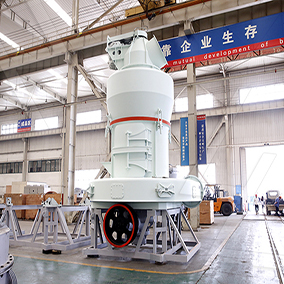
Evaluate technical expertise and engineering capabilities: Select a manufacturer with a proven history of designing bowl mills for your specific application, whether for utility power plants, industrial boilers, or cement kilns. Verify their ability to customize mill designs based on coal type, throughput requirements, and operational constraints.
-
Prioritize reliability and operational longevity: Review historical performance data and request references from existing installations. A reputable manufacturer should provide verifiable uptime metrics, mean time between failures (MTBF), and availability rates from current clients operating under similar conditions.
-
Assess global service and support infrastructure: Ensure the manufacturer maintains regional service centers, local spare parts inventories, and certified field technicians. Rapid response times for maintenance, troubleshooting, and retrofits are critical to minimizing plant downtime.
-
Confirm compliance with international standards: Verify that the manufacturer adheres to ASME, ISO, and other relevant quality and safety certifications. Equipment should meet emissions regulations and integrate seamlessly with plant-level control systems.
-
Examine innovation and R&D investment: Leading manufacturers continuously refine mill designs for improved pulverizing efficiency, reduced power consumption, and lower maintenance costs. Inquire about recent design upgrades, dynamic classifier technology, and predictive maintenance features.
-
Analyze lifecycle cost, not just initial purchase price: A lower upfront cost may lead to higher operational expenses due to inefficiency or frequent breakdowns. Request a total cost of ownership (TCO) analysis covering energy consumption, maintenance frequency, liner wear life, and grinding roll replacement cycles.
-
Review digital integration capabilities: Modern bowl mills should support condition monitoring, remote diagnostics, and integration with plant-wide asset management systems. Manufacturers offering predictive analytics and digital twins demonstrate forward-looking support models.
-
Validate manufacturing quality control: Visit production facilities if possible, or request documentation of quality assurance protocols. Precision machining, material traceability, and rigorous assembly procedures directly impact mill performance and durability.
-
Consider environmental and sustainability commitments: Evaluate the manufacturer’s focus on reducing emissions, improving fuel flexibility, and supporting decarbonization initiatives through advanced combustion compatibility.
Choosing the right bowl mill manufacturer requires a strategic assessment of technical competence, long-term support, and operational alignment. Partnering with a supplier that combines engineering excellence with global service reach ensures sustained performance in demanding industrial environments.
Frequently Asked Questions
What are the top global manufacturers of bowl mills for power and cement industries?
Leading global bowl mill manufacturers include Babcock & Wilcox (B&W), Loesche GmbH, Mitsubishi Hitachi Power Systems (MHPS), Zhenjiang Xuguang Machinery, Shanghai Clirik Machinery, and Foster Wheeler (now part of FW by John C. Ernst, LLC). These companies provide engineered, high-capacity bowl mills used in coal pulverization for thermal power plants and raw material grinding in cement production, with advanced designs for efficiency and reliability.
How do bowl mill designs vary between manufacturers for different industrial applications?
Manufacturers tailor bowl mill designs based on application needs—thermal power plants typically use medium-speed vertical spindle bowl mills (e.g., B&W’s MPS-type), optimized for hard coal, oil shale, or biomass. Cement industry mills (e.g., Loesche) emphasize raw meal and clinker grinding with integrated classifiers and drying functionality. Variations include roller configuration (tire vs. spherical), spring/hydraulic loading systems, and material-resistance engineering for abrasive feedstocks.
Which bowl mill manufacturers offer the highest energy efficiency and low maintenance designs?
Loesche and Babcock & Wilcox lead in energy-efficient bowl mill technology, utilizing hydraulic pressure systems, advanced classifier designs, and optimized air-to-fuel ratios to reduce power consumption. Their mills feature modular construction, wear-resistant liners (e.g., Ni-hard or ceramic composites), and predictive maintenance integration (IoT sensors), significantly lowering lifecycle costs and unplanned downtime.
Are there OEM bowl mill manufacturers in China with international compliance certifications?
Yes, manufacturers like Zhenjiang Xuguang and Shanghai Clirik produce ANSI, ISO 9001, and CE-certified bowl mills with OEM partnerships supporting global projects. These companies export to Southeast Asia, Africa, and the Middle East, offering ASME-compliant pressure parts and adherence to IEC and IEEE standards for electrical integration in coal-fired power plants.
What are the critical selection criteria when choosing a bowl mill manufacturer?
Key factors include: fuel type compatibility (bituminous, sub-bituminous, lignite), mill capacity (tonnes/hour), grindability index (HGI) handling, turn-down ratio, availability of automation and remote diagnostics, spare parts logistics, and OEM technical support. Top-tier manufacturers provide lifecycle analysis studies and performance guarantees through piloted testing.
How do leading bowl mill manufacturers address emissions and environmental compliance?
Manufacturers integrate bowl mills within low-NOx combustion systems and support co-firing with biomass or petcoke. Mills from MHPS and B&W include tight sealing systems to prevent coal dust leakage, reduce fugitive emissions, and comply with EPA and EU BREF standards. Advanced classifiers also improve combustion efficiency, lowering unburned carbon in fly ash.
Can bowl mills be retrofitted or upgraded for higher capacity or alternative fuels?
Yes, manufacturers like B&W and Loesche offer retrofit packages including roller and tire upgrades, higher-pressure hydraulic systems, modern classifier retrofits, and control system modernization (e.g., DCS integration). These upgrades allow mills to transition from coal to biomass or increase throughput by up to 30% without replacing the main structure.
What role does digitalization play in modern bowl mill operations by top manufacturers?
Leading OEMs deploy predictive analytics, vibration monitoring, and real-time wear tracking via digital twins. Loesche’s Loesche Cockpit and B&W’s Pulverizer Performance Analyzer use AI-driven algorithms to optimize fineness, reduce mill rejects, and schedule maintenance—improving availability and reducing O&M costs by up to 25%.
How do bowl mill manufacturers ensure reliability in high-ash or abrasive coal applications?
Manufacturers use hardfacing alloys (e.g., chromium carbide overlays), Ni-hard or composite rollers/bowls, and abrasion-resistant liners designed for extended service life. Loesche and B&W conduct mill performance simulations using CFD and FEA to validate wear patterns and structural integrity under high-erosion conditions.
What after-sales support and service networks do global bowl mill manufacturers provide?
Top manufacturers offer 24/7 technical hotlines, on-site commissioning teams, training simulators, and global spare parts warehouses. B&W and Loesche maintain regional service hubs in India, UAE, Germany, and the USA, enabling rapid response within 72 hours for critical outages, along with remote diagnostics and lifetime performance contracts.