
Table of Contents
- Understanding Gold Mining Machinery and Its Role in Efficient Ore Extraction
- Essential Types of Gold Mining Equipment for Surface and Underground Operations
- How Advanced Technology Is Transforming Gold Mining Machinery Performance
- Selecting the Right Gold Mining Machinery for Small-Scale and Industrial Projects
- Maintenance and Sustainability Practices for Long-Term Gold Mining Equipment Use
- Frequently Asked Questions
- What types of heavy machinery are essential for large-scale gold mining operations?
- How do mobile crushing and screening plants improve gold mining efficiency?
- What role does gravity separation equipment play in gold recovery?
- How are dredges used in alluvial gold mining?
- What advancements exist in automated gold mining excavation systems?
- How do trommels contribute to sediment processing in placer gold mining?
- What safety features are integrated into modern gold mining machinery?
- Why are sensor-based ore sorting systems gaining traction in gold mining?
- What are the energy efficiency considerations in gold milling machinery?
- How is AI being applied to optimize gold mining machine performance?
- What environmental regulations impact gold mining machinery operation?
Beneath the earth’s surface lies one of humanity’s most coveted treasures—gold—and the relentless pursuit of this precious metal has driven centuries of technological evolution. Today, gold mining machinery stands at the forefront of innovation, combining brute strength with precision engineering to extract value from increasingly complex deposits. From robust excavators and high-efficiency crushers to advanced gravity separation units and automated drill rigs, modern equipment is redefining productivity, safety, and environmental stewardship in mining operations worldwide. As global demand for gold persists, driven by both industrial applications and investment markets, the industry responds with smarter, more sustainable machinery leveraging digital controls, real-time analytics, and energy-efficient designs. These advancements not only enhance recovery rates but also minimize ecological impact, aligning profitability with planetary responsibility. This article explores the diverse types of gold mining machinery, their critical applications across various stages of extraction, and the groundbreaking innovations shaping the future of gold mining—where cutting-edge technology meets timeless allure.
Understanding Gold Mining Machinery and Its Role in Efficient Ore Extraction
-
Gold mining machinery is a critical determinant of efficiency, safety, and profitability in modern ore extraction operations. The selection and deployment of appropriate machinery directly influence recovery rates, operational costs, and environmental impact, making technological understanding essential for optimizing performance across the mining lifecycle.
-
At the exploration and development stage, drilling rigs—both rotary and diamond core—are employed to assess ore body geometry and grade. These systems deliver precise geological data that inform mine planning and resource estimation. Once site viability is confirmed, bulk excavation begins using heavy earth-moving equipment such as hydraulic excavators, wheel loaders, and haul trucks capable of transporting thousands of tons per shift.
-
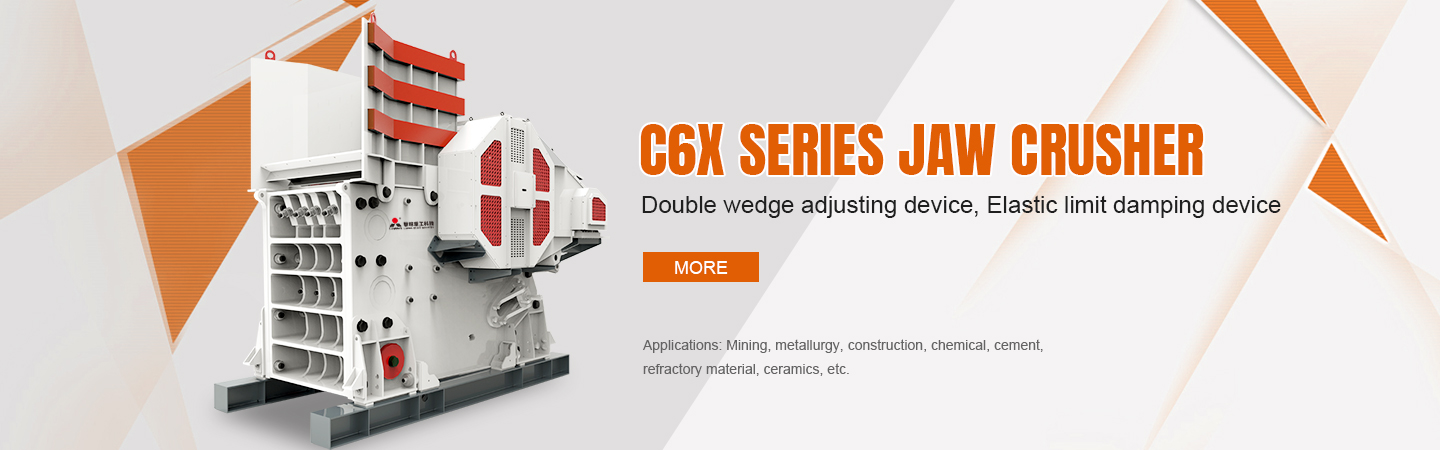
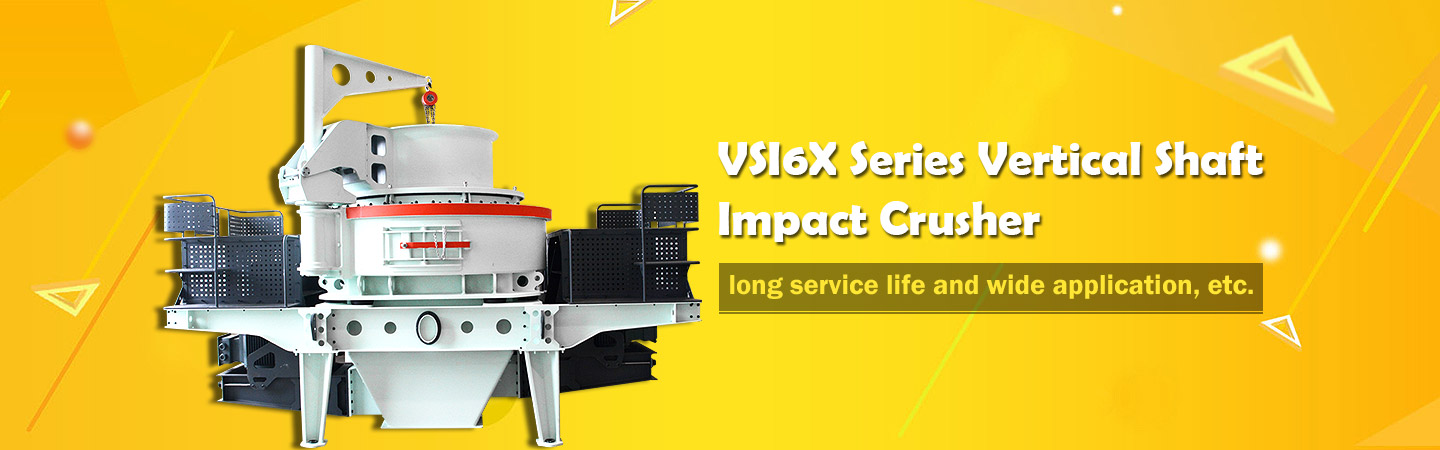
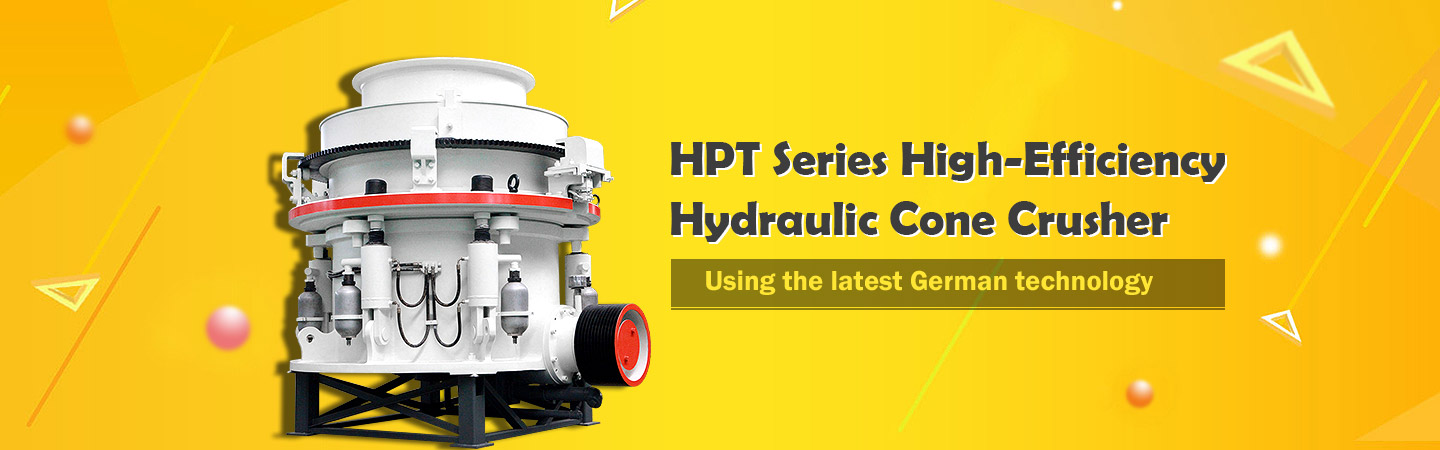
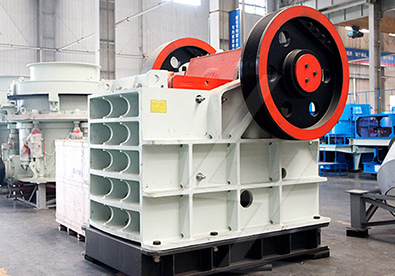
Primary and secondary crushing systems are central to ore preparation. Jaw crushers reduce large run-of-mine material to manageable sizes, while cone or impact crushers further refine the material for downstream processing. This size reduction is crucial for liberating gold particles encapsulated within host rock, enabling effective separation.
-
Material transport is facilitated through conveyor systems integrated with automated monitoring to ensure consistent feed rates to processing units. In large-scale operations, in-pit crushing and conveying (IPCC) systems minimize haulage requirements, reducing fuel consumption and maintenance costs.
-
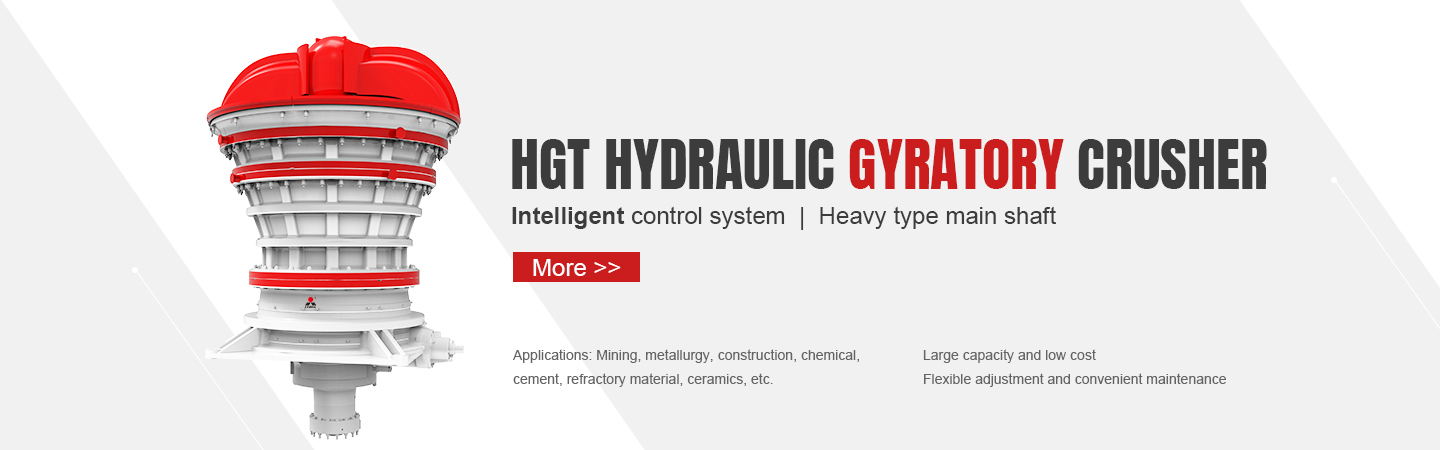
The core of gold extraction relies on processing machinery such as ball and SAG (semi-autogenous grinding) mills, which pulverize crushed ore into fine particles. This is followed by chemical processing units, including carbon-in-leach (CIL) and carbon-in-pulp (CIP) circuits, where gold is leached using cyanide solutions and adsorbed onto activated carbon.
-
Advancements in automation and remote operation have led to intelligent machinery equipped with GPS, real-time telemetry, and predictive maintenance algorithms. These systems enhance precision in drilling and hauling while minimizing human exposure to hazardous environments.
-
Innovations such as sensor-based ore sorting and high-pressure grinding rolls (HPGR) are redefining energy efficiency in comminution. Additionally, modular and mobile processing plants are increasingly adopted in remote or temporary operations, offering scalability and reduced capital expenditure.
-
The integration of sustainable practices has driven the development of water recycling systems and closed-loop reagent management, reducing ecological impact. As gold grades decline and ore bodies become more complex, the role of advanced machinery in maintaining economic extraction thresholds will continue to expand.
Essential Types of Gold Mining Equipment for Surface and Underground Operations
-
Excavators
Hydraulic excavators are fundamental in surface mining, particularly in alluvial and open-pit operations. Equipped with high-reach booms and precision controls, they efficiently remove overburden and extract gold-bearing material. Modern models integrate GPS-guided digging systems for optimized material targeting and reduced waste. -
Bulldozers
Used for land clearing, road construction, and push-loading in open-cut mines, bulldozers provide essential earth-moving capability. Their robust design allows operation in rugged terrain, making them indispensable during mine development and reclamation phases. -
Load-Haul-Dump (LHD) Machines
In underground operations, LHDs transport ore from the working face to underground crushers or ore passes. Diesel and electric variants offer flexibility based on ventilation and depth requirements. High maneuverability and load capacity enhance productivity in confined stopes. -
Drill Rigs
Surface operations employ rotary blasthole drills to fragment rock for excavation, while underground mines utilize jumbo drill rigs for precise pattern drilling. Recent advancements include automated rig positioning and real-time monitoring, improving drilling accuracy and reducing cycle times. -
Conveyor Systems
Critical for continuous material transport, conveyors reduce reliance on haul trucks in both surface and underground settings. In large-scale operations, overland conveyors move ore several kilometers with minimal energy input compared to truck fleets. -
Crushers and Grinding Mills
Jaw and cone crushers reduce run-of-mine ore to manageable sizes, while SAG and ball mills achieve the fine grinding necessary for liberation. Integration with automated process control systems ensures optimal particle size distribution for downstream recovery. -
Gravity Concentrators (e.g., Knelson, Falcon)
Widely used in both mining environments, these devices recover free gold through centrifugal force. Their high recovery rates on coarse and fine particles make them a staple in modern flowsheets, often preceding leaching circuits. -
Dewatering Equipment
Thickeners and filter presses remove moisture from tailings and concentrates. Efficient dewatering reduces transportation costs and supports tailings storage facility (TSF) safety by minimizing fluid content. -
Ventilation Systems (Underground)
Essential for maintaining air quality and thermal comfort, diesel particulate filters and auxiliary fans ensure compliance with occupational health standards. Advanced systems use variable frequency drives to modulate airflow based on operational demand.
Each piece of equipment is selected based on deposit geometry, production scale, and ore characteristics, with increasing integration of automation, telemetry, and energy-efficient designs across modern operations.
How Advanced Technology Is Transforming Gold Mining Machinery Performance
-
Advanced sensor integration has redefined operational precision in gold mining machinery, enabling real-time monitoring of ore grade, equipment health, and environmental conditions. Sensors for gamma-ray spectroscopy, magnetic resonance, and X-ray fluorescence are now embedded directly into excavators and conveyors, allowing instantaneous material characterization and reducing reliance on off-site assay labs.
-
Automation and remote operation systems have significantly enhanced safety and efficiency, particularly in deep or hazardous mining environments. Autonomous haul trucks and drilling rigs, guided by GPS and machine learning algorithms, operate continuously with minimal human intervention. These systems reduce labor costs, lower exposure to risk, and improve consistency in drilling accuracy and load distribution.
-
The integration of Internet of Things (IoT) platforms enables interconnected machinery to share performance data across the mining ecosystem. Predictive maintenance models leverage this data to anticipate component failure, reducing unplanned downtime by up to 40%. Equipment such as crushers, mills, and pumps now feature onboard analytics that trigger maintenance alerts based on vibration, temperature, and wear patterns.
-
Energy efficiency has improved through hybrid and electric drivetrains in mobile equipment. Electric-powered underground loaders and battery-operated drill jumbos reduce diesel emissions and ventilation demands, aligning with sustainability mandates while lowering long-term operating costs.
-
Artificial intelligence (AI) is being deployed to optimize extraction workflows. AI-driven planning tools analyze geological data, historical performance, and equipment capabilities to recommend optimal dig lines, fleet deployment, and processing routes. In processing plants, AI adjusts parameters in real time for gravity separation and cyanidation circuits, improving gold recovery rates by up to 7%.
-
Digital twin technology allows for virtual replication of mining operations, enabling simulation of equipment performance under various scenarios. Engineers use these models to test upgrades, evaluate stress points, and refine maintenance schedules without disrupting active operations.
These technological advancements collectively enhance throughput, reduce lifecycle costs, and improve environmental stewardship. As gold ore grades decline and operational complexity increases, the integration of intelligent systems into mining machinery is no longer optional—it is foundational to competitive, sustainable extraction.
Selecting the Right Gold Mining Machinery for Small-Scale and Industrial Projects
- Evaluate project scale and ore characteristics before selecting equipment to ensure alignment with operational goals.
- Small-scale operations benefit from modular, mobile, and low-capital-intensity machinery such as portable wash plants, trommels, and sluice boxes. These systems offer rapid deployment, minimal site disturbance, and adaptability to variable feed volumes.
- Industrial projects demand high-throughput, durable equipment capable of continuous operation. Consider large-scale crushers, SAG and ball mills, gravity concentration circuits, and automated flotation systems. Integration with process control systems enhances efficiency and consistency.
- Assess feed material composition—particularly gold particle size, liberation characteristics, and associated minerals—to determine optimal processing pathways. Placer deposits favor gravity-based recovery (e.g., centrifugal concentrators), while hard rock ores typically require comminution and chemical extraction.
- Power availability and infrastructure constraints significantly influence equipment choice. Remote small-scale sites may rely on diesel-powered or solar-hybrid systems, whereas industrial mines require stable grid connections or dedicated power plants.
- Prioritize equipment with proven reliability, service support, and compliance with environmental and safety standards. Modular designs facilitate scalability and maintenance access.
- Consider total cost of ownership (TCO), including installation, operation, maintenance, and lifecycle expenses, rather than upfront cost alone. Energy efficiency and wear-part longevity directly impact long-term profitability.
| Parameter | Small-Scale Focus | Industrial Focus |
|---|---|---|
| Throughput | < 50 t/h | > 100 t/h |
| Equipment Mobility | High (trailer-mounted, portable) | Low (fixed or semi-fixed installations) |
| Automation Level | Manual or semi-automated | Fully automated with SCADA/DCS integration |
| Capital Investment | Low to moderate | High |
| Maintenance Requirements | Operator-maintainable, simple systems | Dedicated teams, predictive maintenance |
- Emerging technologies such as sensor-based ore sorting, AI-driven process optimization, and dry-stack tailings systems offer efficiency and environmental advantages applicable across scales. Evaluate pilot feasibility before integration.
- Engage equipment manufacturers early in planning to customize solutions and validate performance under site-specific conditions. Request operational data from similar installations to benchmark expectations.
- Environmental permitting and community impact considerations increasingly influence machinery selection—opt for low-emission, low-water-use technologies where feasible.
Maintenance and Sustainability Practices for Long-Term Gold Mining Equipment Use
-
Implement predictive maintenance protocols using vibration analysis, oil sampling, and thermal imaging to detect early signs of wear in critical components such as crushers, grinding mills, and slurry pumps. This minimizes unplanned downtime and extends equipment life.
-
Establish a centralized digital maintenance management system (CMMS) to track service intervals, component replacements, and performance metrics. Integrate real-time sensor data from machinery to automate work order generation and prioritize interventions based on equipment health.
-
Conduct routine lubrication audits to ensure optimal viscosity, contamination control, and proper application frequency. Contaminated or degraded lubricants are a leading cause of bearing and gearbox failure in high-load mineral processing equipment.
-
Standardize spare parts inventory using OEM and certified aftermarket components to maintain compatibility and performance integrity. Maintain a critical spares list based on mean time between failure (MTBF) analysis for rapid response during breakdowns.
-
Design maintenance schedules around operational cycles, aligning major overhauls with planned plant shutdowns to reduce production impact. Focus on high-stress systems such as conveyor drive trains, high-pressure grinding rolls (HPGR), and thickener mechanisms.
-
Train maintenance teams in root cause failure analysis (RCFA) to systematically address recurring issues. Pair technical training with digital tool proficiency, including augmented reality (AR) guides and remote expert support for complex repairs.
-
Apply protective coatings and linings to equipment exposed to abrasive slurries—such as hydrocyclones, pipelines, and flotation cells—to mitigate erosion. Regularly inspect and replace liners in SAG and ball mills based on wear mapping.
-
Integrate energy efficiency assessments into maintenance routines. Monitor motor load profiles, pump efficiency, and compressor performance to identify degradation that impacts both equipment longevity and operational sustainability.
-
Partner with original equipment manufacturers (OEMs) for lifecycle support agreements that include performance guarantees, firmware updates for automated systems, and access to engineering expertise.
-
Prioritize sustainability through responsible disposal of used oils, filters, and worn components. Recycle metals and rubber components wherever feasible, and track environmental compliance through auditable maintenance records.
-
Utilize telematics and fleet management systems for mobile equipment—such as haul trucks and drills—to monitor engine health, fuel consumption, and component stress, enabling data-driven maintenance planning across large-scale operations.
Frequently Asked Questions
What types of heavy machinery are essential for large-scale gold mining operations?
Large-scale gold mining operations rely on a suite of heavy machinery including hydraulic excavators, haul trucks, bulldozers, loaders, and drilling rigs. Primary tools such as rotary blasthole drills and excavators like the CAT 6060 or Hitachi EX5600 are used for overburden removal and ore extraction. Material handling is managed via high-capacity haul trucks (e.g., Komatsu 930E) and stackers/reclaimers in processing areas. These machines are optimized for durability, high throughput, and integration with fleet management systems for operational efficiency.
How do mobile crushing and screening plants improve gold mining efficiency?
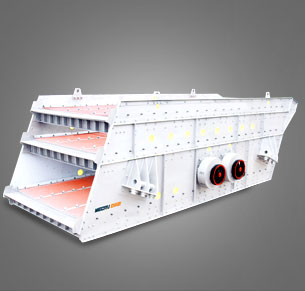
Mobile crushing and screening plants enhance efficiency by reducing haul distances and enabling on-site ore processing directly at the mine face. Equipped with primary jaw crushers and secondary cone or impact crushers, these units minimize transport costs and energy use. Integrated vibrating screens sort material by size, ensuring only properly sized feed enters downstream processing like grinding or gravity separation. Their mobility allows quick repositioning, adapting to changing mine geometry and improving continuous operation.
What role does gravity separation equipment play in gold recovery?
Gravity separation remains a cornerstone in gold recovery due to its low operating cost and efficacy in recovering free gold particles above 75 microns. Devices like Knelson Concentrators, Falcon semi-batch centrifuges, and shaking tables exploit density differences between gold and gangue minerals. These systems are often used as a pre-concentration step before cyanidation, significantly reducing reagent consumption and improving overall recovery rates in both alluvial and hard rock operations.
How are dredges used in alluvial gold mining?
Dredges are specialized floating machines used in alluvial gold mining to extract gold-bearing material from riverbeds and sediment deposits. Suction dredges utilize high-pressure water jets to fluidize gravel, which is then pumped through sluice boxes where gold is trapped. Larger floating plants may integrate trommels, classifiers, and concentrators onboard. Modern modular dredges offer scalability and minimal environmental disruption when operated under proper regulatory compliance.
What advancements exist in automated gold mining excavation systems?
Recent automation in gold mining includes operator-assisted and fully autonomous excavation systems using GPS, LiDAR, and real-time kinematic (RTK) surveying. CAT’s MineStar and Komatsu’s FrontRunner enable autonomous haulage and drill guidance with centimeter-level accuracy. Automated excavators optimize digging patterns, reduce cycle times, and enhance safety in deep pits or hazardous zones. Integration with digital twin modeling allows predictive maintenance and improved fleet coordination.
How do trommels contribute to sediment processing in placer gold mining?
Rotary trommels are critical in placer gold mining for scalping and sizing sediment. As feed material rotates through a cylindrical screen, undersized particles pass into sluices or jigs while oversized rock is discharged. Multi-deck trommels with spray bars wash away clay and agglomerates, improving recovery of fine gold. Customizable screen apertures and drum speed allow operators to adapt to varying feed conditions, maximizing throughput and liberation.
What safety features are integrated into modern gold mining machinery?
Modern gold mining machinery incorporates advanced safety systems including proximity detection, collision avoidance, roll-over protection structures (ROPS), and fatigue monitoring for operators. Caterpillar’s PRO-TECT and Komatsu’s KOMTRAX+ provide remote diagnostics and operator behavior analytics. Equipment also features automated shutdowns for overpressure, overheating, or gas detection in underground settings. Rigorous ISO and MSHA compliance ensures operational safety under extreme conditions.
Why are sensor-based ore sorting systems gaining traction in gold mining?
Sensor-based ore sorting—using X-ray transmission (XRT), laser, or NIR spectroscopy—allows real-time identification and ejection of low-grade or waste material before grinding. This pre-concentration step reduces energy consumption, lowers processing costs, and extends mill life. Companies like TOMRA and STEINERT offer modular systems that can be integrated into existing flowsheets, particularly beneficial for low-grade or refractory ore bodies where selective mining enhances profitability.
What are the energy efficiency considerations in gold milling machinery?
Energy efficiency in gold milling focuses on optimizing SAG and ball mills through variable speed drives (VSDs), high-efficiency motors, and advanced liner designs. HPGR (High-Pressure Grinding Rolls) are increasingly adopted as a lower-energy alternative to conventional grinding. Circuit optimization using real-time slurry analysis and smart classifiers (e.g., hydrocyclones with sensors) ensures precise particle size distribution, reducing overgrinding and power waste across large-scale operations.
How is AI being applied to optimize gold mining machine performance?
AI-driven analytics platforms process data from onboard sensors, maintenance logs, and GPS to predict equipment failure and optimize machine utilization. Machine learning models from vendors like GE Digital’s Predix or Siemens MindSphere detect anomalies in vibration, temperature, or hydraulic pressure, enabling proactive maintenance. AI also optimizes drilling patterns, blast fragmentation, and haulage routes—reducing downtime and improving fuel efficiency across mining fleets.
What environmental regulations impact gold mining machinery operation?
Environmental regulations such as EPA Tier 4 Final and EU Stage V mandate ultra-low emissions from diesel engines used in mining machinery. Operators must adopt machines with diesel particulate filters (DPFs) and selective catalytic reduction (SCR). Water recycling systems and dust suppression tech on drills and crushers are required to minimize ecological impact. Compliance with ISO 14001 and site-specific rehabilitation plans also influence machinery selection and operational protocols.