
Table of Contents
- Understanding 1000 TPH Coal Crushers and Their Role in Bulk Material Processing
- Key Components and Design Features of High-Efficiency 1000 TPH Coal Crushing Systems
- Types of Crushers Used in 1000 TPH Coal Processing Plants
- Optimizing Throughput and Efficiency in 1000 TPH Coal Crushing Operations
- Maintenance, Safety, and Environmental Considerations for Large-Scale Coal Crushers
- Frequently Asked Questions
- What does 1000 TPH mean in the context of a coal crusher?
- What types of crushers are suitable for a 1000 TPH coal crushing application?
- How does coal moisture content affect a 1000 TPH crusher’s performance?
- What are the key components of a 1000 TPH coal crushing plant?
- How do you ensure consistent product size from a 1000 TPH coal crusher?
- What safety and dust control measures are essential for a 1000 TPH coal crusher?
- How does maintenance impact the reliability of a 1000 TPH coal crusher?
- What role does automation play in a 1000 TPH coal crushing system?
- How do you select the right motor size for a 1000 TPH coal crusher?
- What are common wear parts in a 1000 TPH coal crusher and how often should they be replaced?
- Can a 1000 TPH coal crusher be used for pet coke or other fossil fuels?
- What environmental regulations apply to operating a 1000 TPH coal crusher?
In the fast-evolving landscape of modern mining, operational efficiency and throughput are paramount—demanding equipment engineered for exceptional performance under relentless conditions. At the heart of high-volume coal processing stands the 1000 TPH coal crusher, a cornerstone of productivity for large-scale mining operations worldwide. Designed to deliver consistent, high-capacity crushing with precision and reliability, this powerhouse seamlessly transforms raw coal into market-ready material while minimizing downtime and maintenance costs. Integrating advanced technologies such as robust rotor systems, intelligent automation, and optimized wear protection, the 1000 TPH crusher excels in handling abrasive feed materials with maximum uptime and energy efficiency. Whether deployed in deep-mining complexes or expansive surface operations, it offers a scalable, future-ready solution tailored to meet stringent production targets and environmental standards. As global energy demands continue to rise, the 1000 TPH coal crusher emerges not just as machinery, but as a strategic asset—driving profitability, sustainability, and innovation across the mining value chain.
Understanding 1000 TPH Coal Crushers and Their Role in Bulk Material Processing
-
High-capacity coal crushing operations are foundational to the efficiency and throughput of modern mining and bulk material handling systems. A 1000 TPH (tons per hour) coal crusher represents a critical node in this infrastructure, engineered to process vast quantities of run-of-mine coal into controlled particle sizes suitable for downstream applications such as power generation, washing, or transportation.
-
These crushers are typically deployed in large-scale surface or underground mining operations where consistent feed rates and minimal downtime are paramount. Designed for continuous operation, 1000 TPH units integrate advanced mechanical systems—including robust rotor assemblies, wear-resistant linings, and automated control interfaces—to maintain reliable performance under abrasive and variable feed conditions.
-
Primary and secondary crushing stages often employ different crusher types optimized for specific functions. Primary units, such as large jaw or gyratory crushers, handle initial reduction of oversized material, while secondary stages may use impactors or hammer mills to achieve precise sizing. The 1000 TPH capacity necessitates careful alignment of crusher selection with material characteristics, including hardness, moisture content, and top size, to avoid bottlenecking or excessive wear.
-
Modern 1000 TPH coal crushers incorporate intelligent monitoring systems that track vibration, temperature, power draw, and feed consistency. These data streams enable predictive maintenance, reduce unplanned outages, and optimize crusher settings in real time. Integration with conveyor networks, feeders, and screening systems ensures balanced material flow across the entire processing circuit.
-
Environmental and operational safety are also central to the design of high-capacity crushers. Dust suppression systems, enclosed transfer points, and explosion relief panels are standard features that support regulatory compliance and worker safety in coal handling environments.
-
Ultimately, the effectiveness of a 1000 TPH coal crusher is measured not only by throughput but by its contribution to overall plant availability, product quality, and lifecycle cost efficiency. As mining operations scale to meet global energy demands, these high-capacity crushing solutions remain indispensable for achieving operational excellence in bulk coal processing.
Key Components and Design Features of High-Efficiency 1000 TPH Coal Crushing Systems
-
Robust Primary Crusher Unit: At the core of a 1000 TPH coal crushing system is a high-duty primary crusher, typically a heavy-duty hammer mill or a large-scale double-roll crusher. These units are engineered to handle run-of-mine coal with feed sizes up to 800 mm, delivering consistent output below 50 mm. Critical design elements include reinforced steel housings, wear-resistant liners, and dynamically balanced rotors to ensure longevity under continuous operation.
-
Dual-Stage Crushing Configuration: High-efficiency systems employ a two-stage crushing approach—primary followed by secondary crushing. This allows precise control over final product size, reduces over-grinding, and improves overall energy efficiency. The secondary stage often utilizes impactors or cage mills to refine particle size distribution for downstream processing.
-
Advanced Feed and Flow Control: Uniform material flow is maintained through vibratory feeders equipped with variable frequency drives (VFDs). These regulate the feed rate into the crusher, preventing surges and blockages while optimizing throughput. Level sensors and load monitoring systems provide real-time feedback to central control units for adaptive performance tuning.
-
Integrated Screening and Recirculation: Scalping screens positioned after the primary crusher remove undersized material before secondary crushing, reducing unnecessary load and energy consumption. Oversized material is recirculated via return conveyors, ensuring only properly sized coal proceeds, enhancing system efficiency and reducing wear.
-
Dust Suppression and Environmental Controls: Given coal’s propensity to generate fugitive dust, systems incorporate wet suppression systems or baghouse filters at transfer points and crusher enclosures. These measures ensure compliance with environmental regulations and safeguard worker health.
-
Modular and Service-Oriented Design: Modern 1000 TPH systems emphasize modular construction for ease of transport, installation, and maintenance. Key components are accessible via walkways and service platforms, while condition monitoring systems (vibration, temperature, oil analysis) enable predictive maintenance, minimizing unplanned downtime.
-
Drive and Power Optimization: Systems utilize high-efficiency electric motors coupled with fluid couplings or variable-speed drives to match crusher load demands dynamically. This results in reduced peak power draw and improved electrical efficiency over fluctuating feed conditions.
Types of Crushers Used in 1000 TPH Coal Processing Plants
- Jaw Crusher
- Gyratory Crusher
- Cone Crusher
- Impact Crusher
In high-capacity coal processing plants operating at 1000 TPH, crusher selection is critical to ensure throughput efficiency, particle size control, and long-term reliability. Each crusher type offers distinct mechanical advantages suited to specific stages and material characteristics within the crushing circuit.
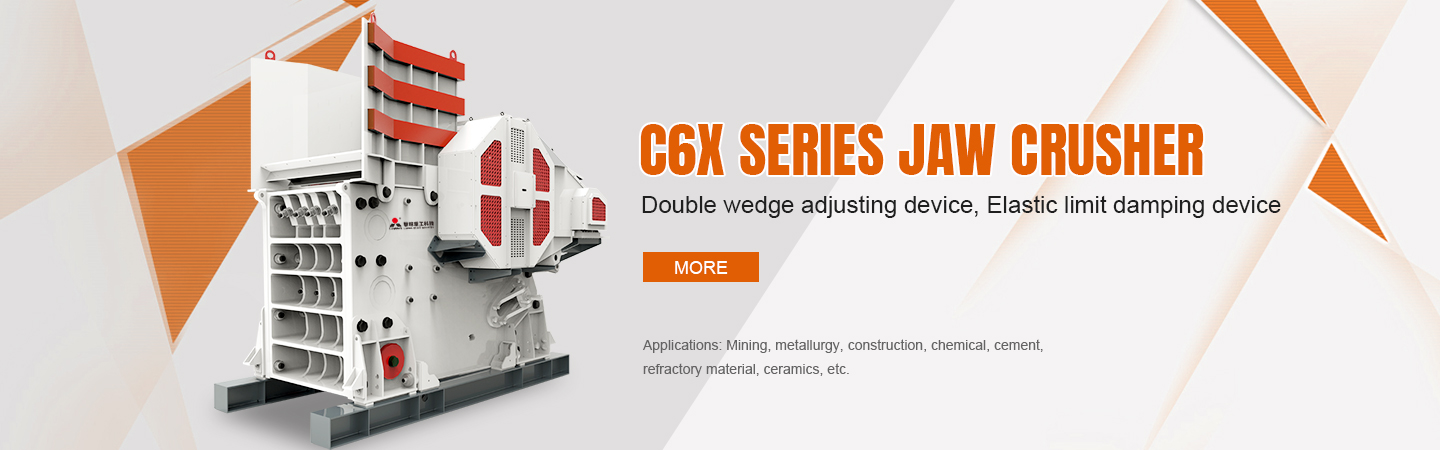
Jaw crushers are typically employed as primary crushers due to their robust construction and ability to handle high feed sizes and abrasive feed materials. Operating on the principle of compressive force, they reduce large coal lumps through a fixed and a reciprocating jaw plate. Their simplicity, low maintenance requirements, and consistent output make them ideal for initial size reduction in continuous-duty applications.
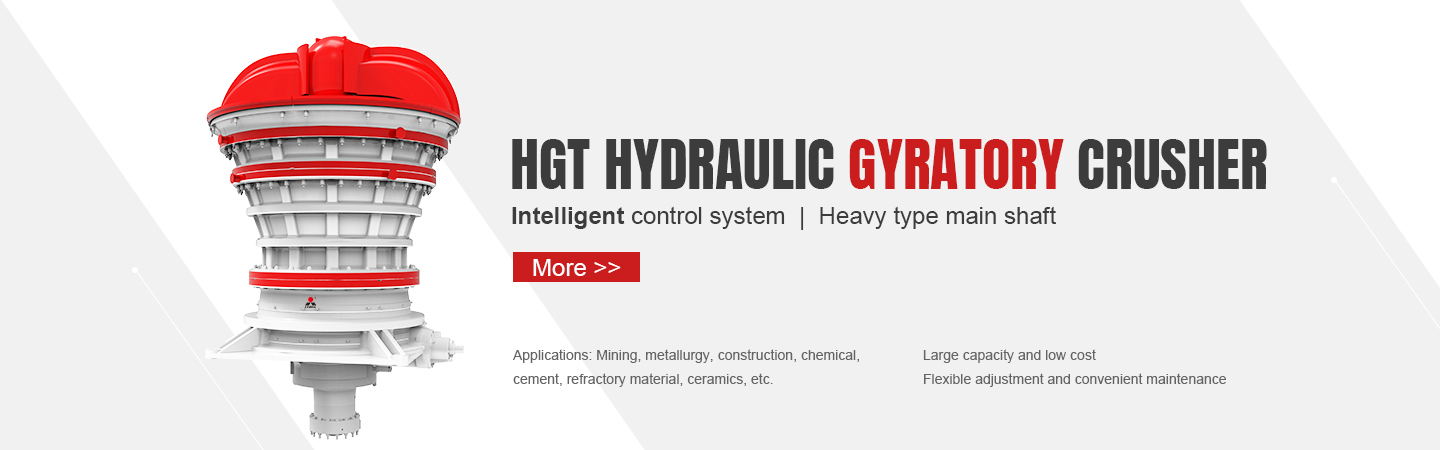
Gyratory crushers provide an alternative primary solution, particularly where feed uniformity and higher throughput efficiency are prioritized. Utilizing a rotating mantle inside a concave bowl, gyratory units deliver higher reduction ratios than jaw crushers and are better suited for continuous, high-volume operations. Their superior feed acceptance and minimal choke risk support uninterrupted 1000 TPH processing, though they require more complex foundation and maintenance infrastructure.
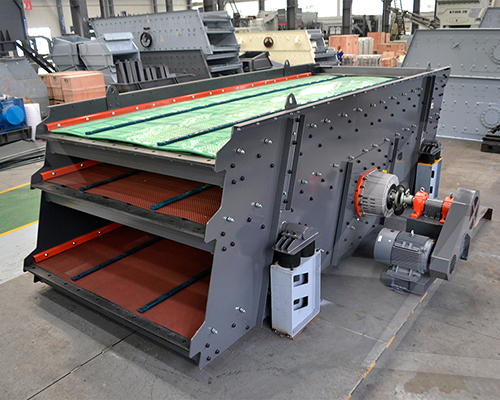
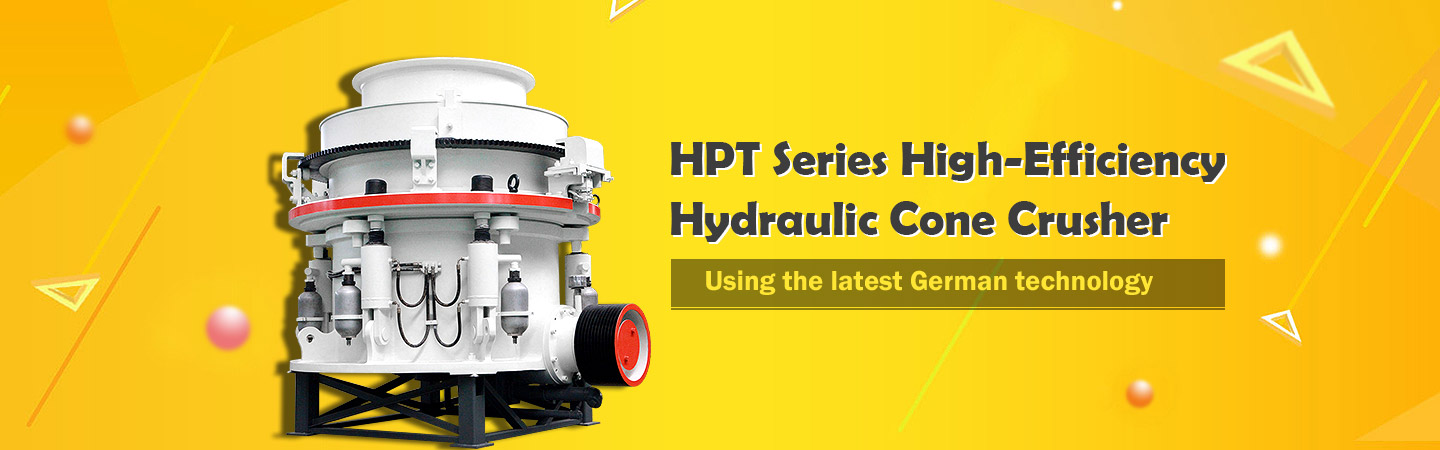
For secondary and tertiary crushing stages, cone crushers are widely implemented. These machines offer precise control over product gradation through adjustable closed-side settings and optimized chamber designs. Their high reduction efficiency and ability to produce uniformly sized coal particles enhance downstream handling and combustion performance. Modern hydraulic protection and tramp release systems further improve operational safety and uptime.
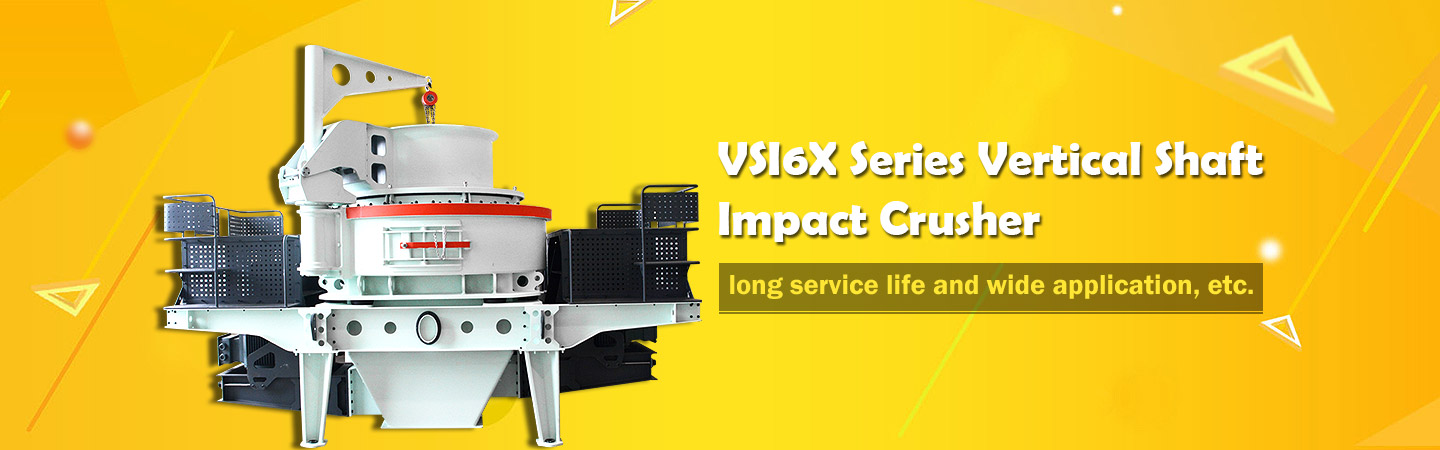
Impact crushers, including horizontal shaft impactors (HSIs), are selected when cubical product shape and minimal fines generation are required. Relying on high-speed impact rather than compression, they achieve high reduction ratios in a single pass, making them efficient in specific secondary circuits. However, their suitability depends on coal friability and abrasiveness, as excessive moisture or hard inclusions can lead to rotor wear and plugging.
The integration of these crushers into a 1000 TPH coal processing plant demands careful consideration of feed characteristics, desired product size, moisture content, and system redundancy. A well-designed crushing circuit often combines multiple crusher types to balance throughput, energy consumption, and product quality across varying operational conditions.
Optimizing Throughput and Efficiency in 1000 TPH Coal Crushing Operations
-
Optimize feed control to ensure consistent material flow and prevent overloading or underutilization of the crushing circuit. Implement variable-frequency drives (VFDs) on feeders to dynamically adjust feed rates based on upstream and downstream conditions, minimizing bottlenecks and maximizing throughput.
-
Conduct regular crusher liner and wear part inspections to maintain optimal crushing chamber geometry. Deteriorated liners reduce efficiency and increase power consumption; scheduling predictive maintenance based on wear trends ensures sustained capacity and product quality.
-
Utilize real-time monitoring systems to track key performance indicators (KPIs) such as power draw, throughput rate, crusher closed-side setting (CSS), and vibration levels. Integrate sensor data with plant-wide SCADA or digital twin platforms to enable rapid response to deviations and support data-driven optimization.
-
Employ advanced crusher controls that automatically adjust CSS and eccentric speed in response to feed variation. Modern hydraulic and automation systems enable adaptive crushing, maintaining consistent product size distribution and reducing recirculating load on downstream screens.
-
Optimize screen performance in the circuit by ensuring proper screen media selection, deck inclination, and amplitude settings. High-efficiency screening maximizes single-pass yield, reducing oversize return flow and enhancing overall circuit throughput.
-
Minimize fines generation through precise crusher setting calibration. Excessive fines increase dust, complicate handling, and reduce market value—maintaining target top size specifications preserves product integrity and downstream handling efficiency.
-
Implement closed-loop water and dust suppression systems to maintain operational continuity and comply with environmental standards. Effective dust control improves equipment reliability and worker safety without sacrificing throughput.
-
Conduct periodic circuit audits to evaluate material segregation, transfer chute design, and conveyor alignment. Poor material transfer causes spillage, wear, and downtime; engineered chute linings and flow control devices mitigate these issues.
-
Train operations and maintenance personnel on best practices for high-capacity coal crushing, emphasizing preventive maintenance, real-time troubleshooting, and system interdependence. Skilled teams are critical to sustaining peak performance.
Through integrated mechanical, operational, and digital strategies, 1000 TPH coal crushing circuits can achieve sustained efficiency, reduced operating costs, and maximum availability in continuous mining environments.
Maintenance, Safety, and Environmental Considerations for Large-Scale Coal Crushers
-
Implement a structured preventive maintenance program to ensure operational reliability and extend equipment lifespan. Daily inspections should include checking for wear on crushing surfaces, verifying lubrication levels, and inspecting hydraulic and electrical systems. Weekly assessments must encompass alignment checks, torque verification of critical bolts, and evaluation of drive components. Monthly maintenance should involve deep cleaning of housing enclosures, vibration analysis of rotating assemblies, and replacement of worn liners or hammers based on wear mapping.
-
Lubrication systems require strict adherence to OEM specifications. Use high-temperature, anti-wear grease for bearings and ensure continuous monitoring of oil flow and temperature in gearboxes. Automated lubrication systems with alarm integration enhance consistency and reduce human error.
-
Safety protocols are paramount given the high-energy environment of 1000 TPH operations. All personnel must undergo site-specific training covering lockout/tagout (LOTO) procedures, emergency stop functionality, and confined space entry protocols. Install redundant safety interlocks on access hatches and integrate real-time monitoring of crusher chamber blockages to prevent uncontrolled energy releases. Provide personnel with appropriate PPE, including hearing protection, face shields, and high-visibility garments.
-
Dust generation is a primary environmental and health concern. Deploy enclosed transfer points, high-efficiency baghouse filters, and water spray suppression systems at feed and discharge zones. Regularly inspect and maintain dust control infrastructure to ensure compliance with ambient particulate matter (PM10, PM2.5) regulations.
-
Noise emissions exceeding 85 dB(A) necessitate engineering controls such as acoustic enclosures and vibration dampening mounts. Conduct routine noise mapping to identify hotspots and ensure compliance with occupational exposure limits.
-
Monitor crusher efficiency and specific energy consumption to optimize throughput while minimizing environmental footprint. Conduct periodic audits of fugitive emissions, spillage, and water usage in suppression systems to uphold environmental stewardship.
-
Establish a digital maintenance log integrated with SCADA systems for real-time tracking of bearing temperatures, power draw, and vibration signatures. Predictive analytics based on this data enable condition-based interventions, reducing unplanned downtime and enhancing system safety.
Frequently Asked Questions
What does 1000 TPH mean in the context of a coal crusher?
1000 TPH stands for 1,000 tons per hour, which is a measure of throughput capacity in coal crushing operations. In mining and material processing, this indicates the maximum volume of raw coal the crusher can effectively reduce in size within one hour. High-capacity units like 1000 TPH coal crushers are typically used in large-scale coal processing plants, thermal power stations, or export-oriented handling facilities where continuous high-volume throughput is critical for operational efficiency.
What types of crushers are suitable for a 1000 TPH coal crushing application?
For a 1000 TPH coal processing requirement, primary crushers such as large jaw crushers, double roll crushers, and impactors are most commonly used. Secondary and tertiary stages may employ hammer mills or cage mills for fine size reduction. In large installations, gyratory crushers are preferred for primary duties due to their high throughput and robust construction. The choice depends on feed size, desired product size, moisture content, and abrasiveness of the coal.
How does coal moisture content affect a 1000 TPH crusher’s performance?
High moisture content in coal (above 10–12%) can cause significant operational challenges in a 1000 TPH crusher, including material buildup, blockages, reduced throughput, and increased wear. Wet coal tends to adhere to crusher surfaces, conveyors, and screens, leading to downtime. Crushers equipped with anti-blinding features—such as serrated rolls, forced-air systems, or vibrating grizzlies—are preferred. Pre-drying or using ring granulators with built-in screening helps mitigate moisture-related issues.
What are the key components of a 1000 TPH coal crushing plant?
A fully integrated 1000 TPH coal crushing plant includes: primary crusher (e.g., jaw or gyratory), feeder (e.g., vibrating grizzly or apron), conveyor systems, secondary crusher (if required), magnetic separator (to remove tramp metal), dust suppression/collection systems, screening units, and control automation. Structural steel, foundation design, and surge bins also play critical roles in ensuring uninterrupted operation at rated capacity.
How do you ensure consistent product size from a 1000 TPH coal crusher?
Maintaining consistent output size in a 1000 TPH coal crusher requires precise crusher setting adjustments, proper feed gradation, and effective pre-screening. Automated control systems with real-time monitoring (e.g., laser particle analyzers or onboard PLCs) can dynamically adjust parameters such as gap settings and feed rate. Using staged crushing (primary + secondary) with closed-circuit screening enhances size uniformity and reduces recirculation load.
What safety and dust control measures are essential for a 1000 TPH coal crusher?
Given the high-volume operation, dust explosion risks and airborne particulate matter must be managed rigorously. Essential measures include wet dust suppression systems, baghouse or cartridge dust collectors, explosion venting panels, inert gas injection (in enclosed systems), and proper ventilation. Machine guarding, emergency stop systems, and remote monitoring via SCADA enhance personnel safety and enable compliance with MSHA, OSHA, and ATEX standards.
How does maintenance impact the reliability of a 1000 TPH coal crusher?
Scheduled predictive and preventive maintenance is critical for minimizing unplanned downtime and maintaining peak throughput in a 1000 TPH crusher. Key practices include daily inspections, regular lubrication, wear part monitoring (e.g., jaw plates, rolls, hammers), vibration analysis, and thermal imaging of bearings and motors. OEM-recommended service intervals and condition-based maintenance programs significantly extend equipment life and ensure operational reliability.
What role does automation play in a 1000 TPH coal crushing system?
Advanced automation in a 1000 TPH coal crusher system enables real-time monitoring, load balancing, fault diagnostics, and remote operation. PLC-controlled feeding systems adjust material flow based on crusher load, while sensors monitor temperature, vibration, and dust levels. Integration with plant-wide DCS or SCADA allows for data logging, predictive maintenance alerts, and optimization of energy consumption—improving both safety and cost efficiency.
How do you select the right motor size for a 1000 TPH coal crusher?
Motor power for a 1000 TPH coal crusher typically ranges from 400 kW to 1,000 kW depending on crusher type, reduction ratio, and coal properties (hardness, moisture). Selection is based on specific energy consumption calculations (kWh/ton), peak torque requirements, and drive efficiency. Variable frequency drives (VFDs) are recommended to manage startup loads and allow speed control for optimizing throughput and reducing mechanical stress.
What are common wear parts in a 1000 TPH coal crusher and how often should they be replaced?
Primary wear components include jaw plates, cheek plates, roll shells, hammers, breaker bars, and liners. Replacement frequency depends on coal abrasiveness, feed size, and operating hours—typically ranging from 500 to 3,000 hours. High-chrome or manganese steel alloys are used for extended life. Implementing a wear-part tracking system ensures timely replacement and prevents catastrophic failure while minimizing production loss.
Can a 1000 TPH coal crusher be used for pet coke or other fossil fuels?
Yes, a 1000 TPH coal crusher can be adapted for pet coke, lignite, or anthracite, but modifications may be necessary due to differing material characteristics—pet coke is harder and more abrasive, requiring hardened components and adjusted speed settings. Explosion risks are higher with pet coke dust, necessitating enhanced dust control and explosion-proof equipment. Feasibility studies and material testing are essential before cross-application.
What environmental regulations apply to operating a 1000 TPH coal crusher?
Operation must comply with air quality (PM2.5/PM10 limits under EPA or local environmental agencies), noise pollution (typically <85 dB at operator stations), and spillage control regulations. Permitting may be required for dust emissions, water runoff from suppression systems, and waste disposal of worn liners or filters. Modern installations include continuous emission monitoring systems (CEMS) and environmental management systems (EMS) to ensure compliance and minimize ecological impact.