
Table of Contents
- Understanding the MPS Vertical Coal Grinding Mill Design and Functionality
- Key Advantages of Using MPS Mills in Coal-Fired Power Generation
- How MPS Vertical Roller Mills Optimize Coal Pulverization Efficiency
- Critical Components and Maintenance Practices for Long-Term MPS Mill Performance
- Comparing MPS Mills with Other Coal Grinding Technologies: Why Vertical Mills Lead the Industry
- Frequently Asked Questions
- What is an MPS vertical coal grinding mill and how does it work?
- Why choose an MPS mill over ball mills for coal grinding?
- What coal types are suitable for processing in an MPS vertical grinding mill?
- How does the MPS mill ensure explosion protection during coal grinding?
- What are the maintenance best practices for MPS vertical coal mills?
- Can MPS mills be retrofitted into existing coal pulverizing systems?
- How does fuel flexibility impact MPS mill performance?
- What role does the classifier play in an MPS coal grinding mill?
- How is coal fineness monitored and controlled in MPS mills?
- What are the key energy-saving features of modern MPS coal mills?
- How does the grinding table design affect MPS mill performance?
- What are the environmental benefits of using MPS vertical coal mills?
In the relentless pursuit of efficiency and sustainability, modern power plants are turning to advanced coal pulverization technologies to meet escalating energy demands while minimizing environmental impact. At the forefront of this evolution stands the MPS vertical coal grinding mill—a cornerstone of high-performance coal processing engineered for precision, reliability, and operational excellence. Designed to handle a wide range of coal types with exceptional grinding efficiency, the MPS mill leverages a robust vertical roller design that reduces energy consumption, lowers maintenance costs, and ensures consistent fineness of pulverized coal. Its compact footprint and dynamic separator technology make it ideal for both new installations and retrofits in thermal power stations worldwide. As industries transition toward cleaner and more efficient combustion processes, the MPS vertical coal grinding mill emerges not just as a piece of machinery, but as a strategic asset driving performance, fuel flexibility, and long-term operational sustainability in the ever-evolving energy landscape.
Understanding the MPS Vertical Coal Grinding Mill Design and Functionality
- Integrated roller and table design enables efficient compression and shearing of coal particles under controlled hydraulic loading
- Three conical grinding rollers mounted equidistantly on a pendulum suspension system maintain consistent contact with the rotating grinding table
- Hydraulic pressure system dynamically adjusts roller force to accommodate variable feed characteristics and maintain optimal grinding efficiency
- Air sweep system channels hot primary air radially across the grinding table, facilitating in-situ drying and rapid transport of pulverized coal to the classifier
- Dynamic classifier with adjustable rotor speed ensures precise particle size control, typically achieving 70–80% passing 200 mesh with low reject rates
- Wear-resistant materials, including high-chrome castings and replaceable liners, extend component life in abrasive coal environments
- Central feeding system ensures uniform material distribution, minimizing vibration and promoting stable operation
The MPS vertical coal grinding mill operates on the principle of volume compression and attrition. Raw coal is fed through the center of the rotating table, where centrifugal force spreads it evenly into the grinding zone. As the table rotates, coal passes beneath the rollers, which apply high specific pressure—typically 10–15 MPa—to fracture and pulverize the particles. Unlike ball mills, the MPS mill combines grinding, drying, and classifying in a single vertical unit, significantly reducing footprint and auxiliary power consumption.
Primary air, introduced from beneath the grinding table, serves dual functions: drying moisture-laden coal (typically 15–30% moisture) and pneumatically lifting fine particles into the integrated classifier. Coarse particles are rejected back to the table for regrinding, ensuring consistent product fineness. The classifier’s variable-speed rotor enables real-time adjustment to coal rank variations or load demands, a critical feature for baseload and cycling power plants.
Sealing air systems prevent coal dust ingress into the roller bearings, enhancing reliability and reducing maintenance intervals. The mill’s rigid foundation design and low-speed operation (typically 20–35 rpm) contribute to mechanical stability and reduced vibration. Modern MPS mills incorporate advanced process control systems that monitor vibration, temperature, pressure differentials, and power draw to optimize performance and preempt component wear.
Due to its compact design and high operational flexibility, the MPS mill is well-suited for both bituminous and sub-bituminous coals, offering turndown ratios exceeding 3:1 while maintaining combustion-grade fineness and minimal carbon-in-ash.
Key Advantages of Using MPS Mills in Coal-Fired Power Generation
- High grinding efficiency and low specific energy consumption due to an optimized roller and table geometry, resulting in reduced power requirements per ton of coal pulverized
- Exceptional turndown ratio, enabling stable operation across variable load conditions typical in modern power plants, thereby supporting flexible generation and grid responsiveness
- Integrated drying capability utilizing hot primary air, allowing efficient processing of high-moisture coals without pre-drying and minimizing auxiliary energy use
- Low maintenance downtime due to segmented grinding table segments and replaceable roller tires, which permit modular replacement without disassembling the entire mill
- Superior particle size distribution with consistent fineness control, enhancing combustion efficiency and reducing unburned carbon in ash
- Robust design with dynamic classifier technology for precise cut-point adjustment, ensuring optimal pulverized coal quality regardless of coal variability
- Compact footprint and vertical configuration, minimizing plant space requirements and simplifying integration into existing boiler systems
- High availability and operational reliability supported by continuous operation under full-load conditions and automatic loading systems that maintain consistent grinding pressure
- Advanced sealing systems that minimize air and coal leakage, improving safety and reducing fugitive emissions
- Compatibility with a wide range of coal types, including sub-bituminous, lignite, and bituminous coals, enhancing fuel flexibility and supply chain resilience
The MPS mill’s hydraulic spring-loading system provides adaptive pressure control, maintaining consistent contact between rollers and table under fluctuating feed conditions, which directly contributes to stable mill output and reduced vibration. This, combined with automated control interfaces, enables seamless integration into digital plant management systems for real-time monitoring and optimization. The mill’s ability to operate with both positive and negative pressure configurations adds further versatility in system design.
Furthermore, the MPS design incorporates explosion relief provisions and inerting capabilities, meeting stringent safety standards required in coal pulverization environments. Its low noise emission profile and vibration characteristics contribute to a safer and more sustainable working environment. By delivering finely pulverized coal with minimal carbon loss and electrical energy input, the MPS mill directly supports improved boiler efficiency, lower NOx emissions, and compliance with environmental regulations—critical performance metrics in contemporary coal-fired power generation.
How MPS Vertical Roller Mills Optimize Coal Pulverization Efficiency
- Utilizes a rigid, fixed grinding table and roller assembly to ensure consistent contact and load distribution, minimizing vibration and wear while maintaining high pulverization efficiency under variable coal feed conditions.
- Employs a dynamic classifier system that enables precise control over coal fineness, allowing operators to tailor particle size distribution to combustion requirements and optimize burn efficiency in downstream boilers.
- Integrates a pressurized sealing air system that prevents coal dust ingress into roller bearings, extending component lifecycle and reducing unplanned maintenance, thereby maximizing mill availability.
- Features hydraulically actuated grinding rollers with automatic pressure control, adapting in real time to variations in coal hardness and feed rate to maintain optimal grinding force and specific energy consumption.
- Incorporates a centralized lubrication system with continuous oil monitoring, ensuring reliable operation of the grinding table bearing and reducing thermal stress and mechanical failure risks.
- Operates with a low specific power consumption due to its high material bed grinding principle, where coal is compressed and ground between rollers and table in a deep, stable layer, achieving energy savings of up to 20% compared to ball mills.
- Supports direct integration with modern digital control systems, enabling predictive maintenance, remote monitoring, and adaptive grinding strategies based on real-time operational data.
- Designed with a compact footprint and vertical configuration, reducing plant space requirements and simplifying material handling compared to traditional horizontal grinding systems.
- Includes an integrated explosion relief system and inerting capability using nitrogen or mill exhaust gas, ensuring safe operation when processing high-volatile coals prone to spontaneous combustion.
- Allows for rapid roller replacement and internal access via swing-out trunnion or top-lift configurations, minimizing outage duration during inspections or maintenance intervals.
The MPS vertical roller mill achieves superior coal pulverization efficiency through mechanical precision, adaptive control, and robust engineering. Its ability to maintain consistent fineness, respond dynamically to fuel variability, and operate with high reliability under continuous load makes it the preferred solution for modern coal-fired power generation where efficiency, availability, and emissions control are critical performance metrics.
Critical Components and Maintenance Practices for Long-Term MPS Mill Performance
-
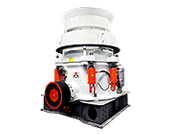
Main Drive Motor and Gearbox: The main drive motor provides the rotational force necessary for mill operation, while the planetary gearbox efficiently transmits torque to the grinding table. Regular oil analysis and vibration monitoring are essential to detect gear wear, misalignment, or bearing degradation. Oil changes at prescribed intervals and alignment checks post-maintenance prevent premature failure and maintain power transmission efficiency.
-
Grinding Rollers and Tires: These components directly interface with the coal, enabling particle size reduction through compression and shear. Roller tires wear progressively due to abrasive coal constituents and inconsistent loading. Scheduled inspection for surface cracking, spalling, and dimensional wear is critical. Rebuilding worn rollers with hardfacing alloys restores geometry and extends service life. Uniform roller pressure adjustment ensures even wear and optimal grinding efficiency.
-
Classifier Assembly: The dynamic classifier governs coal fineness by separating coarse particles for re-grinding. Vane alignment, rotor balance, and wear on rotor tips directly influence particle size distribution. Misalignment or wear leads to excessive fines or oversized particles, impacting combustion efficiency. Regular inspection and cleaning of vanes, coupled with precise rotational speed calibration, maintain consistent output quality.
-
Nozzle Ring and Diffuser: The nozzle ring directs primary airflow upward through the grinding zone, entraining pulverized coal. Erosion from high-velocity particulate flow degrades nozzle integrity, reducing aerodynamic efficiency. Periodic measurement of vane thickness and replacement of eroded segments ensure uniform air distribution and minimize pressure drop.
-
Hydraulic Loading System: This system maintains optimal grinding pressure via accumulator-controlled cylinders. Leaks, seal degradation, or nitrogen pre-charge loss reduce load consistency, leading to inefficient pulverization and increased vibration. Monthly checks of hydraulic pressure curves, accumulator pre-charge levels, and cylinder seal integrity are mandatory for stable operation.
-
Mill Housing and Sealing Air System: The housing contains grinding forces and isolates the internal environment. Sealing air prevents coal dust ingress into bearings and drive components. Inadequate sealing pressure accelerates bearing wear. Filter inspection, airflow measurement, and duct integrity checks form part of routine preventive protocols.
Proactive maintenance—rooted in condition monitoring, oil analysis, and performance trending—ensures sustained reliability, minimizes forced outages, and maximizes coal pulverization efficiency throughout the mill’s operational lifecycle.
Comparing MPS Mills with Other Coal Grinding Technologies: Why Vertical Mills Lead the Industry
- High-pressure grinding rolls exhibit lower throughput adaptability and struggle with variable coal feed characteristics, limiting operational flexibility in dynamic power plant environments.
- Ball mills, while historically prevalent, suffer from high specific energy consumption—typically 20–30% higher than MPS vertical mills—due to inefficient mechanical energy transfer and prolonged grinding cycles.
- Horizontal ball mills also require significantly larger footprint and foundation support, increasing civil engineering costs and complicating retrofit installations in space-constrained facilities.
In contrast, MPS vertical roller mills integrate grinding, drying, and classification within a single, compact unit, leveraging rotational tables and spring- or hydraulic-loaded rollers to apply efficient compressive forces directly to the coal bed. This design minimizes wear on metallic surfaces and ensures consistent particle size distribution, typically achieving 70–80% passing 200 mesh with lower specific power input.
Operational data from modern lignite- and bituminous-fired power plants demonstrate that MPS mills achieve specific energy consumption levels of 18–23 kWh/t, compared to 28–35 kWh/t for conventional ball mills. This efficiency stems from the mill’s ability to utilize waste heat from boiler flue gas for in-situ drying, reducing auxiliary energy demand and enhancing system-level thermal efficiency.
Maintenance intervals for MPS mills exceed those of ball mills by 2–3 times, with roller and table liner life averaging 8,000–10,000 operating hours under standard conditions. Quick-access housing and hydraulic roller lifting systems enable rapid liner replacement, minimizing forced outages.
Moreover, MPS mills demonstrate superior turndown capability, maintaining stable operation at loads as low as 25% of rated capacity—critical for power plants engaging in load-following or integrating renewable baseloads. Their dynamic classifiers allow real-time fineness adjustment without halting operations, ensuring compliance with combustion efficiency requirements across coal blends.
| Technology | Specific Energy (kWh/t) | Footprint | Drying Integration | Maintenance Interval |
|---|---|---|---|---|
| MPS Vertical Mill | 18–23 | Compact | Integrated | 8,000–10,000 hrs |
| Ball Mill | 28–35 | Large | External | 3,000–4,000 hrs |
| HPGR | 20–26 | Medium | Limited | 5,000–7,000 hrs |
These technical and economic advantages establish MPS vertical mills as the dominant solution for coal pulverization in contemporary power generation, where efficiency, reliability, and operational agility are paramount.
Frequently Asked Questions
What is an MPS vertical coal grinding mill and how does it work?
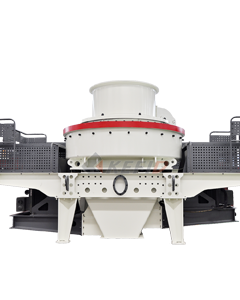
The MPS (Medium Pressure System) vertical coal grinding mill is a pressurized, medium-speed roller mill designed for grinding raw coal into fine powder for use in power generation and cement industries. It operates by feeding coal onto a rotating grinding table where rollers apply high pressure to crush the material. Hot gas flows through the mill to dry the coal and transport the ground particles upward, where a classifier separates fine powder from coarse particles, returning the latter for regrinding. This integrated drying, grinding, and classifying process ensures high efficiency and consistent product fineness.
Why choose an MPS mill over ball mills for coal grinding?
MPS vertical mills offer superior energy efficiency—typically 20–30% less energy consumption compared to ball mills—due to their direct grinding mechanism and integrated drying capability. They also require less space, have lower maintenance needs, and provide precise control over particle size distribution. Additionally, the negative-pressure operation of MPS mills enhances safety by minimizing coal dust emissions and explosion risks, making them the preferred solution in modern thermal power plants.
What coal types are suitable for processing in an MPS vertical grinding mill?
MPS mills are engineered to handle a wide range of coal types, including bituminous, sub-bituminous, and lignite coals, with moisture contents up to 40% and Hardgrove Grindability Index (HGI) values from 30 to 80. The mill’s adjustable grinding pressure, variable classifier speed, and integrated gas temperature control allow customization for different coal characteristics, ensuring stable operation and optimal fineness.
How does the MPS mill ensure explosion protection during coal grinding?
MPS mills incorporate multiple explosion protection systems: inerting with nitrogen or flue gas to reduce oxygen concentration below 8%, explosion relief panels, pressure monitoring sensors, and rapid isolation valves. Continuous CO and O₂ monitoring systems trigger automatic shutdown and inertization if hazardous conditions are detected. These measures comply with ATEX and NFPA 85/86 safety standards, critical for handling combustible coal dust in closed-loop systems.
What are the maintenance best practices for MPS vertical coal mills?
Expert maintenance includes regular inspection of grinding rollers, tire lining, and nozzle ring wear; monitoring hydraulic system pressure and accumulator performance; and preventive lubrication of the planetary gearbox. Laser alignment of the grinding table and rollers, coupled with vibration analysis, helps detect imbalance or wear early. OEM-recommended replacement intervals for wear parts and digital twin-based predictive maintenance further maximize uptime and mill lifecycle.
Can MPS mills be retrofitted into existing coal pulverizing systems?
Yes, MPS mills are frequently retrofitted into existing plants to replace aging ball mills or older vertical mills. Retrofitting includes adapting foundation designs, modifying coal and air conveyance systems, and integrating modern control systems (e.g., Siemens PCS7 or ABB 800xA). Expert engineering assessments ensure compatibility with boiler airflow requirements, coal feed rates, and emissions standards, often resulting in 15–25% improvement in system efficiency.
How does fuel flexibility impact MPS mill performance?
MPS mills support fuel flexibility by enabling co-grinding of coal with alternative fuels such as petroleum coke, biomass, or waste-derived fuels (RDF). Adjustments to gas temperature, classifier speed, and grinding pressure accommodate variable calorific values and grindability. However, expert blending protocols and real-time monitoring are essential to prevent slagging, fouling, or excessive wear when processing heterogeneous feedstocks.
What role does the classifier play in an MPS coal grinding mill?
The dynamic classifier in an MPS mill is a high-efficiency rotating rotor that precisely controls coal fineness (typically 70–80% passing 74 µm). By adjusting vane angle and rotor speed, operators can optimize particle size distribution for combustion efficiency. Advanced classifiers reduce false air and recirculation load, directly enhancing mill throughput and reducing specific energy consumption by up to 10%.
How is coal fineness monitored and controlled in MPS mills?
Real-time coal fineness is monitored using online laser particle analyzers or isokinetic sampling systems with sieve analysis. These data integrate into the DCS (Distributed Control System), which automatically adjusts classifier speed, roller load, and gas flow to maintain target fineness. Closed-loop control ensures consistency despite fluctuations in coal quality or moisture, directly supporting boiler combustion stability.
What are the key energy-saving features of modern MPS coal mills?
Modern MPS mills incorporate energy-saving features such as high-efficiency motors, variable frequency drives (VFDs) for fan and classifier control, regenerative braking on the drive system, and optimized nozzle ring geometry to reduce pressure drop. Heat recovery from exhaust gases and AI-driven load balancing further reduce specific power consumption to as low as 18–22 kWh/ton of coal ground.
How does the grinding table design affect MPS mill performance?
The grinding table of an MPS mill features a patented segmented wear-resistant lining and optimized profile that ensures uniform coal distribution and efficient material flow. Its bowl-shaped design promotes centrifugal movement of particles toward rollers while minimizing re-circulation. Finite element analysis (FEA)-optimized structural integrity allows higher loading forces without deformation, increasing throughput and grinding efficiency.
What are the environmental benefits of using MPS vertical coal mills?
MPS mills significantly reduce CO₂ emissions per ton of coal processed due to their lower energy consumption. Their sealed negative-pressure operation minimizes fugitive dust emissions, and integrated gas conditioning allows compliance with PM2.5 standards. When paired with low-NOₓ burners and flue gas recirculation, the entire combustion system achieves superior environmental performance compared to older grinding technologies.