

Table of Contents
- What Are Gravel Washing Machines and How Do They Work?
- Types of Gravel Washing Equipment for Maximum Efficiency
- Key Benefits of Using Gravel Washers in Aggregate Processing
- Factors to Consider When Selecting a Gravel Washing Machine
- Maintenance Tips and Best Practices for Long-Lasting Performance
- Frequently Asked Questions
- What are the key components of a gravel washing machine?
- How does a screw-type gravel washer differ from a drum washer?
- What capacity range do industrial gravel washing machines cover?
- Can gravel washing machines be used for recycled concrete or C&D waste?
- What water recycling systems integrate with gravel washers?
- How do you prevent excessive wear in gravel washing equipment?
- What safety standards apply to gravel washing machine operation?
- How does feed size impact gravel washer efficiency?
- Are mobile gravel washing machines suitable for remote sites?
- What energy-saving features are available in modern gravel washers?
- How do you optimize dewatering in a gravel washing system?
- Can automation improve gravel washing performance?
In the dynamic world of construction and aggregate production, the demand for clean, high-quality materials has never been greater. Gravel washing machines play a pivotal role in meeting this demand, transforming raw, debris-laden aggregates into premium-grade products ready for critical applications. These sophisticated systems not only remove unwanted clay, silt, and contaminants but also enhance the overall value and performance of gravel used in roads, concrete, and landscaping. With various types—including screw washers, log washers, and fine material classifiers—selecting the right machine requires a clear understanding of feed material characteristics, production goals, and environmental considerations. An optimal washing solution boosts efficiency, reduces waste, and ensures compliance with stringent industry standards. As operations strive for sustainability and cost-effectiveness, investing in the right gravel washing technology becomes not just a practical decision, but a strategic advantage in a competitive market.
What Are Gravel Washing Machines and How Do They Work?
-
Gravel washing machines are engineered systems designed to remove deleterious materials—such as clay, silt, dust, and organic contaminants—from raw aggregate feeds, thereby enhancing the quality, consistency, and market value of gravel and sand products. These machines are critical in quarrying, mining, and construction aggregate operations where clean, specification-grade materials are required for concrete, asphalt, drainage applications, and structural fills.
-
The primary function of a gravel washing machine is to scrub, classify, and separate contaminants from aggregate particles through a combination of mechanical agitation and water flow. As raw material enters the system, it is subjected to intense tumbling and cascading action, typically within a rotating drum, screw mechanism, or vibrating deck, depending on the machine type. Water is introduced to create a slurry that facilitates the breakdown of adhered fines and enables hydraulic separation.
-
Common types include screw washers, log washers, and dewatering screens. Screw washers utilize one or two helical shafts rotating in a trough to agitate material while lifting cleaned aggregate out of the slurry; fines remain suspended and are discharged as waste. Log washers employ high-impact paddles in a shallow pool to break apart sticky clays—ideal for high-clay feedstocks. Dewatering screens use vibration and screen media to wash and dewater material simultaneously, often integrating with pump-fed cyclones for fine particle recovery.
-
Process efficiency depends on factors including feed gradation, moisture content, clay composition, and required product specifications. Optimal performance requires precise control of water-to-solid ratios, retention time, and mechanical intensity. Advanced systems incorporate variable-speed drives, closed-loop water recycling, and automated monitoring to maximize throughput and minimize environmental impact.
-
The output is a consistently clean, graded aggregate with improved particle shape, reduced abrasion value, and compliance with industry standards such as ASTM C33 or EN 12620. This level of quality control is essential for high-performance construction applications where aggregate purity directly influences structural integrity and longevity.
Types of Gravel Washing Equipment for Maximum Efficiency
-
Trommel Washers
Trommel washers are ideal for processing high volumes of feed material containing significant clay content and organic contamination. These machines utilize a rotating cylindrical drum fitted with internal lifters and integrated water sprays to scrub and separate fine particles from coarse aggregates. As material progresses through the drum, undersized fines are discharged through apertures while cleansed gravel exits at the discharge end. Their robust design supports continuous operation in heavy-duty environments, making them especially effective in alluvial and quarry applications where feed variability is high. Efficiency is maximized when paired with a well-designed sump and water recycling system to minimize operational costs and environmental impact. -
Screw Washers (Log Washers and Fine Material Screw Washers)
Screw-based systems are categorized into log washers and fine material screw washers, each serving distinct purposes. Log washers employ a low-speed, high-torque shaft with paddles to mechanically break down soft clay and liberate contaminants from aggregate surfaces. They excel in treating coarse materials (typically above 10 mm) with high clay content. Fine material screw washers use helical flights to dewater and scrub finer particles (down to 75 µm), effectively removing silt and dust. These systems offer precise control over product gradation and are widely used when stringent quality standards for cleanliness and particle shape are required. Their modular design allows integration with dewatering cyclones or hydrocyclones for enhanced fines recovery. -
Attrition Cells
Attrition cells are specialized for ultra-fine cleaning, particularly in silica sand or manufactured sand applications where surface purity is critical. These units operate on high-intensity agitation, creating particle-on-particle contact to dislodge microscopic contaminants. While not typically used for coarse gravel, they are often deployed upstream of fine screw washers to improve overall cleaning efficiency in closed-loop washing plants. -
Bucket Wheel Washers
Bucket wheel washers provide gentle yet effective cleaning with low water consumption. A rotating wheel fitted with buckets lifts material through a water bath, allowing fines to settle while clean aggregate is discharged. They are best suited for low-clay-content feeds and offer excellent dewatering performance, making them ideal for final polishing stages.
Selection of the optimal washing equipment depends on feed characteristics, desired product specifications, throughput requirements, and water availability. A combination of technologies—such as a trommel feeding a fine screw washer with attrition pre-treatment—often yields the highest efficiency and product quality in demanding aggregate operations.
Key Benefits of Using Gravel Washers in Aggregate Processing
-
Efficient removal of contaminants such as clay, silt, dust, and organic matter significantly enhances aggregate purity, ensuring compliance with stringent industry specifications for concrete, asphalt, and base materials.
-
Improved product quality translates directly to higher market value. Clean, well-graded aggregates exhibit superior bonding characteristics in construction applications, reducing the risk of structural failure and extending service life.
-
Consistent gradation control is achieved through precise particle separation during washing, minimizing fines carryover and optimizing the final product’s performance in engineered applications.
-
Enhanced operational efficiency results from reduced downtime and maintenance. Modern gravel washers are engineered for continuous throughput, integrating seamlessly into existing processing lines while minimizing water and energy consumption per ton processed.
-
Environmental compliance is facilitated through closed-loop water recycling systems commonly incorporated into advanced washer designs. These systems drastically reduce freshwater intake and eliminate uncontrolled discharge of suspended solids.
-
Extended equipment lifespan of downstream components—including screens, conveyors, and crushers—is realized due to reduced abrasive wear from residual fines and debris, lowering total cost of ownership.
-
Regulatory adherence is strengthened as washed aggregates meet specifications set by transportation authorities and building codes (e.g., ASTM C33, AASHTO M6). This is particularly critical for infrastructure projects where material traceability and quality assurance are mandatory.

-
Flexibility in handling diverse feed materials—ranging from naturally occurring gravel to crushed stone and recycled aggregates—allows operators to diversify product offerings and adapt to market demand without reconfiguring entire plants.
-
Automation integration enables real-time monitoring of wash water density, feed rate, and particle size distribution, allowing for dynamic adjustments that maintain output consistency and reduce operator intervention.
-
Reduced landfill liability and improved sustainability metrics are achieved by reclaiming usable material from waste stockpiles or dredged sediments, aligning with circular economy principles in aggregate production.
The strategic integration of gravel washers is not merely a quality enhancement measure but a critical component of modern, compliant, and economically viable aggregate operations. Selecting a system that balances throughput capacity, washing efficiency, and resource recovery ensures long-term operational resilience and product differentiation in competitive markets.
Factors to Consider When Selecting a Gravel Washing Machine
-
Throughput Capacity
Evaluate the volume of material requiring processing per unit of time. Select a gravel washing machine capable of handling peak production demands without bottlenecking downstream operations. Under-sizing leads to inefficiencies; over-sizing increases capital and operational costs unnecessarily. Match machine capacity to feed rate, considering future scalability. -
Aggregate Characteristics
Material size distribution, clay content, and degree of contamination dictate washing intensity and machine type. High-clay feeds necessitate robust scrubbing action, favoring log washers or high-pressure attrition cells. For lighter contamination, screw or spiral classifiers may suffice. Understand feed gradation—especially the proportion of fines (<75 µm)—as excessive fines impact dewatering efficiency and water management. -
Water Availability and Recirculation Needs
Water consumption is a critical operational constraint. In arid regions or regulated environments, closed-loop systems with efficient classification and thickening are essential. Assess the feasibility of integrating hydrocyclones and dewatering screens to recover water and minimize discharge. Machines with integrated water recycling reduce environmental impact and operating costs. -
Desired Product Specifications
Target gradation, moisture content, and particle shape influence equipment selection. Spiral washers provide precise cut points and low moisture discharge; fine material washers recover valuable fines below 100 mesh. Ensure the system achieves required specifications consistently to meet industry standards (e.g., ASTM, EN) for concrete or asphalt applications. -
Maintenance and Durability
Prioritize designs with abrasion-resistant components, accessible service points, and proven reliability in comparable applications. Consider wear part lifespan and local availability of replacements. Modular designs simplify maintenance and reduce downtime. Evaluate drive system robustness—gear-driven systems typically outlast belt-driven alternatives in heavy-duty operations. -
Footprint and Installation Constraints
Space limitations may restrict options. Compact units like hydrocyclone-based cleaners suit retrofits; large log washers require substantial area and structural support. Account for auxiliary equipment—sumps, pumps, conveyors—when evaluating spatial requirements. -
Total Cost of Ownership
Beyond initial purchase price, evaluate energy consumption, water treatment needs, labor, and wear part replacement frequency. A lower-cost machine with high maintenance demands may exceed lifecycle costs of a premium system. Perform a lifecycle cost analysis to identify optimal value.
Maintenance Tips and Best Practices for Long-Lasting Performance
-
Conduct daily visual inspections of the gravel washing machine to identify signs of wear, misalignment, or blockages in the feed chute, screen media, and water delivery systems. Early detection prevents minor issues from escalating into costly downtime.
-
Maintain proper lubrication of bearings, gears, and drive components according to the manufacturer’s schedule. Use only lubricants specified for the operating environment and temperature range to ensure optimal performance and longevity.
-
Monitor and adjust water pressure and flow rates regularly. Inconsistent water supply reduces cleaning efficiency and increases sediment carryover. Install pressure gauges and flow meters for continuous feedback and fine-tuning.
-
Inspect and clean nozzles weekly to prevent clogging from mineral deposits or debris. Blocked nozzles compromise spray bar effectiveness, resulting in uneven aggregate cleaning and increased water consumption.
-
Evaluate screen media wear bi-weekly. Replace screens showing excessive wear or deformation to maintain gradation accuracy and throughput. Consider polyurethane or rubber-coated screens in high-abrasion applications for extended service life.
-
Check belt tension and alignment on conveyor systems daily. Misaligned or loose belts cause premature wear, tracking issues, and potential spillage. Adjust or replace as necessary to maintain consistent material transfer.
-
Perform monthly structural integrity assessments, focusing on weld points, support frames, and anchoring systems. Vibration and continuous load cycles can induce fatigue cracks, particularly in high-capacity operations.
-
Calibrate feed rates to match the washing system’s designed capacity. Overloading reduces cleaning efficiency and accelerates mechanical stress on components such as impellers and drive motors.
-
Implement a preventive maintenance (PM) program with documented logs for all service activities. Track component lifespans, failure patterns, and maintenance intervals to optimize scheduling and spare parts inventory.
-
Train operators thoroughly on system operation, shutdown procedures, and emergency response. Human error accounts for a significant portion of avoidable mechanical failures and safety incidents.
-
Store spare parts critical to operation—such as seals, nozzles, and screen panels—on-site in a controlled environment to minimize downtime during unscheduled repairs.
-
Conduct annual audits of electrical systems, motors, and control panels. Clean connections, check for insulation degradation, and verify grounding integrity to prevent electrical faults and ensure reliable automation performance.
Consistent adherence to these practices ensures peak efficiency, reduces lifecycle costs, and extends the operational life of gravel washing systems in demanding aggregate processing environments.
Frequently Asked Questions
What are the key components of a gravel washing machine?
A gravel washing machine typically includes a rotating drum or screw mechanism, water spray system, drive system, sedimentation tank, and dewatering section. High-efficiency models also integrate variable-speed drives, advanced lifting blades, and corrosion-resistant materials like stainless steel or wear-resistant liners to prolong service life and optimize cleaning performance.
How does a screw-type gravel washer differ from a drum washer?
Screw washers use helical blades to agitate and elevate material, effectively removing clay and silt through scrubbing action—ideal for sticky feed. Drum washers tumble aggregate inside a rotating cylindrical screen with high-pressure sprays, offering higher throughput and better suited for less cohesive soils. Choice depends on feed characteristics, moisture content, and required cleanliness standards.
What capacity range do industrial gravel washing machines cover?
Industrial-scale gravel washers range from 20 to 500 tons per hour (TPH), depending on design. Small stationary units handle 20–80 TPH, while modular or modular-train configurations in large aggregates plants manage 200+ TPH. Capacity must be matched to crusher output and screen classification to avoid bottlenecks.
Can gravel washing machines be used for recycled concrete or C&D waste?
Yes—specialized high-torque screw washers and log washers are engineered for recycled aggregates. They remove cement paste, coatings, and contaminants from crushed concrete. Integration with air classifiers and dewatering cyclones enhances material recovery and ensures compliance with recycled aggregate quality standards (e.g., ASTM C33).
What water recycling systems integrate with gravel washers?
Closed-loop fines recovery systems (e.g., hydrocyclones and high-rate thickeners) recover up to 90% of process water. Combined with settling lagoons or filter presses, they minimize freshwater intake and environmental discharge. Modern wash plants often include water quality monitoring and pH adjustment to meet EPA or local regulatory requirements.
How do you prevent excessive wear in gravel washing equipment?
Use replaceable wear parts (e.g., screw flights, lifter bars) made from AR400 steel or ceramic composites. Implement routine maintenance checks on bearings, seals, and drive chains. Install slurry liners and ensure proper feed gradation to reduce abrasive impact. Automated lubrication systems enhance durability in high-duty cycles.
What safety standards apply to gravel washing machine operation?
Compliance with OSHA 29 CFR 1910 (general industry) and ANSI/AGI Z535 (safety signs) is critical. Machines must have emergency stops, guarded moving parts, and lockout/tagout (LOTO) procedures. Dust control and noise reduction measures (below 85 dBA) are required in enclosed plants per MSHA and NIOSH guidelines.
How does feed size impact gravel washer efficiency?
Optimal feed size for screw or drum washers is typically 0–75 mm. Oversized material causes blockages and uneven wear, while excessive fines reduce scrubbing efficiency. Pre-screening with a vibrating screen or scalping grizzly ensures uniform feed and maximizes throughput and cleaning efficacy.
Are mobile gravel washing machines suitable for remote sites?
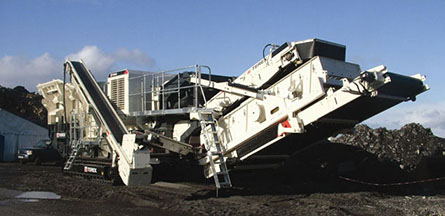
Yes—tracked or wheeled mobile wash plants provide high mobility and quick deployment for remote or temporary operations. They feature integrated generators, compact dewatering systems, and modular designs that reduce setup time and infrastructure costs, making them ideal for mining exploration and road construction projects.
What energy-saving features are available in modern gravel washers?
High-efficiency motors, variable frequency drives (VFDs), and regenerative braking systems reduce energy consumption by up to 30%. Closed-circuit water recycling lowers pump load, while smart control systems optimize wash cycles based on feed conditions, minimizing idle power use and operational cost.
How do you optimize dewatering in a gravel washing system?
Pair the washer with a dewatering screen (with high G-force and polyurethane panels) or a paste thickener. Adjust screen amplitude and deck angle based on particle size distribution. Use flocculants in slurry treatment to accelerate solids settling and achieve <10% moisture content in final product.
Can automation improve gravel washing performance?
Yes—PLC-controlled systems monitor feed rate, water flow, torque load, and slurry density in real time. Automated diagnostics, remote SCADA access, and predictive maintenance alerts minimize downtime, ensure consistent product quality, and reduce operator intervention in continuous operations.