
Table of Contents
- The Role of Bronze Bearings in Rock Crusher Equipment Efficiency
- Advantages of Bronze Bushings in High-Impact Crushing Applications
- Common Failure Points in Rock Crusher Bearings and How Bronze Minimizes Downtime
- How to Select the Right Bronze Bearing for Jaw, Cone, and Impact Crushers
- Maintenance Best Practices to Extend Bronze Bearing Life in Crushing Machinery
- Frequently Asked Questions
- What are bronze bearings used for in rock crushers?
- Why is bronze preferred over other materials for rock crusher bearings?
- How do you properly install a bronze bearing in a rock crusher?
- What causes bronze bearing failure in rock crushers?
- How often should bronze bearings in rock crushers be lubricated?
- What is the recommended clearance between bronze bearings and the shaft in rock crushers?
- Can bronze bearings be reused after disassembly from a rock crusher?
- What type of bronze alloy is best for rock crusher applications?
- How do temperature fluctuations affect bronze bearings in crushers?
- What signs indicate a failing bronze bearing in a rock crusher?
- How does lubricant type impact bronze bearing lifespan in rock crushers?
- What maintenance practices extend the life of bronze bearings in rock crushers?
In the rugged world of aggregate production and mining, where rock crushers endure relentless stress and abrasive forces, performance and durability are non-negotiable. At the heart of every high-efficiency crusher lies a critical yet often overlooked component: the bronze bearing. Engineered to withstand extreme loads, shock impacts, and continuous operation, bronze bushings play a pivotal role in maintaining alignment, reducing friction, and absorbing vibration within crushing chambers. Unlike standard steel or plastic alternatives, bronze bearings offer superior wear resistance, self-lubricating properties, and thermal conductivity—essential qualities for surviving the punishing environments of jaw, cone, and gyratory crushers. Their ability to function reliably under high pressure and minimal lubrication makes them indispensable for maximizing uptime and minimizing maintenance costs. As operational demands grow more intense, the choice of bearing material becomes a defining factor in crusher longevity and efficiency. Discover why bronze bushings aren’t just a component—they’re a cornerstone of crushing excellence.
The Role of Bronze Bearings in Rock Crusher Equipment Efficiency
-
Bronze bearings play a pivotal role in ensuring the operational efficiency and longevity of rock crusher equipment. As integral components within the crusher’s moving assemblies—particularly in jaw, cone, and gyratory crushers—bronze bushings act as precision interfaces between rotating or oscillating shafts and housing structures. Their primary function is to support high radial loads, absorb shock, and accommodate misalignment under extreme operating conditions.
-
The mechanical environment within a rock crusher is exceptionally demanding: high impact forces, fluctuating loads, abrasive dust, and elevated temperatures are routine. In such conditions, bronze bearings—typically manufactured from high-strength alloys such as aluminum bronze or leaded tin bronze—offer superior performance due to their excellent load-bearing capacity, embeddability, and resistance to galling. Unlike rolling-element bearings, bronze bushings eliminate the risk of cage failure and are less prone to damage from contamination.
-
One of the most critical advantages of bronze bushings is their ability to operate effectively under boundary lubrication conditions. In rock crushers, where continuous lubrication can be inconsistent or compromised by dust ingress, the inherent lubricity of bronze and its capacity to retain lubricant in precision-drilled oil grooves ensures sustained performance. This directly reduces friction, wear, and heat buildup, preserving alignment and minimizing downtime.
-
Furthermore, the ductility and fatigue resistance of bronze allow bushings to endure repetitive stress cycles without cracking or deformation. This durability reduces the frequency of replacements and maintenance interventions, contributing to higher uptime and lower total cost of ownership.
| Key Performance Attribute | Contribution to Crusher Efficiency |
|---|---|
| High Load Capacity | Supports massive crushing forces without deformation |
| Embeddability | Traps abrasive particles, protecting shaft surfaces |
| Thermal Stability | Maintains integrity under elevated operating temperatures |
| Corrosion Resistance | Withstands moisture and chemical exposure in harsh environments |
- In summary, bronze bearings are not merely consumable components but foundational elements that directly influence crusher reliability, energy efficiency, and output consistency. Their material and design characteristics make them uniquely suited to the punishing environment of rock crushing, where mechanical integrity and operational continuity are paramount.
Advantages of Bronze Bushings in High-Impact Crushing Applications
- Superior wear resistance under continuous abrasive loading
- High compressive strength to withstand extreme crushing forces
- Excellent embeddability to accommodate particulate contamination without shaft damage
- Effective load distribution across bearing interface, minimizing stress concentration
- Proven performance in high-shock, high-vibration environments typical of rock crushing
Bronze bushings are integral to the reliable operation of rock crushers subjected to high-impact loading. Their material composition—typically high-strength aluminum bronze or leaded tin bronze—delivers exceptional durability in environments where load spikes, abrasive dust, and thermal cycling are routine. The inherent hardness of bronze allows it to resist deformation under sustained compressive stresses exceeding 30,000 psi, common in primary and secondary crushing stages.
A critical advantage lies in bronze’s embeddability. Fine rock particles inevitably infiltrate bearing interfaces during operation. Unlike steel or polymer alternatives, bronze permits these contaminants to become embedded within its matrix rather than scoring or galling the shaft surface. This characteristic preserves shaft integrity over extended service intervals and reduces unplanned downtime.
Thermal conductivity is another key factor. Bronze efficiently dissipates heat generated by friction and cyclic loading, mitigating the risk of localized overheating and thermal fatigue. This contributes to stable dimensional performance and reduced risk of seizure under intermittent lubrication conditions.
Lubrication retention is enhanced through precision machining of bronze bushings with oil grooves and porous sintering techniques in P/M (powdered metal) variants. These features maintain a consistent lubricant film even under shock loads, prolonging service life and maintaining low friction coefficients.
Additionally, bronze exhibits superior fatigue resistance compared to alternative bearing materials. Its ability to endure millions of load cycles without microcracking ensures long-term reliability in high-speed gyratory and cone crushers where dynamic forces are constant and severe.
In summary, bronze bushings provide a balanced combination of mechanical strength, contamination tolerance, thermal management, and fatigue resistance unmatched by alternative materials. Their role in minimizing wear on critical rotating components directly translates to extended maintenance intervals, reduced operational costs, and sustained crusher throughput under the harshest operating conditions.
Common Failure Points in Rock Crusher Bearings and How Bronze Minimizes Downtime
- Excessive vibration
- Misalignment
- Contamination from dust and abrasive particles
- Inadequate lubrication
- Thermal expansion under high loads
These factors contribute to accelerated wear, fatigue spalling, micro-pitting, and ultimately catastrophic bearing failure. In rock crushers, where loads are dynamic and operating environments are harsh, standard steel or roller bearings often degrade rapidly, leading to unplanned maintenance and reduced uptime.
Bronze bushings significantly mitigate these failure modes through inherent material advantages. Bronze exhibits excellent conformability and embeddability, allowing it to accommodate minor misalignments and absorb particulate contamination without direct metal-to-metal contact. This reduces stress concentrations and prevents abrasive wear propagation. Additionally, bronze’s low coefficient of friction minimizes heat generation under continuous load, decreasing thermal expansion risks and preserving clearance tolerances.
A key advantage lies in the use of self-lubricating bronze variants—particularly those impregnated with solid lubricants such as graphite. These bushings maintain consistent lubricity even when external grease supply is compromised, a common issue in dusty, high-moisture crusher environments. This ensures reliable operation during fluctuating conditions and extends service intervals.
Bronze also demonstrates superior fatigue strength under shock loading, a defining characteristic of rock crusher operations. Unlike brittle materials, bronze deforms slightly under impact, dissipating energy and resisting crack initiation. This toughness prolongs component life and reduces the frequency of replacement.
Maintenance data from aggregate processing plants indicate bronze-lined bearings achieve 30–50% longer service life compared to conventional alternatives. The reduction in failure frequency directly translates to minimized downtime, lower spare part consumption, and improved operational efficiency.
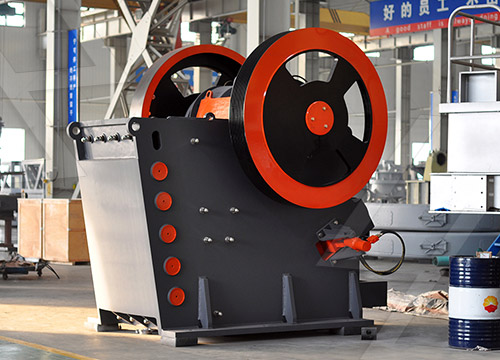
In retrofit and new-design crushers alike, specifying bronze bushings at critical pivot and eccentric shaft points delivers measurable improvements in reliability. Their ability to perform under contamination, misalignment, and intermittent lubrication makes bronze not merely an option—but a necessity—for sustained crusher performance.
How to Select the Right Bronze Bearing for Jaw, Cone, and Impact Crushers
-
Selecting the appropriate bronze bearing for jaw, cone, and impact crushers begins with understanding the operating environment. These machines endure extreme loads, shock impacts, and abrasive conditions, demanding bearings with high load capacity, excellent wear resistance, and reliable embeddability to protect shafts from particulate damage.
-
Material composition is paramount. High-strength bronze alloys such as aluminum bronze (e.g., C95400) or leaded tin bronze (e.g., C93200) are preferred. Aluminum bronze offers superior strength and corrosion resistance, ideal for cone and impact crushers subjected to high stress. Leaded tin bronze provides excellent conformability and embeddability, making it suitable for jaw crushers with variable loads and misalignment tendencies.
-
Bearing geometry and fit must align precisely with crusher design. Improper clearance leads to overheating or metal-to-metal contact, accelerating failure. Standard radial clearance should be verified against OEM specifications, adjusted for thermal expansion under continuous operation. Interference fit in the housing and precise shaft tolerances ensure minimal movement and optimal heat dissipation.
-
Lubrication compatibility is critical. Many bronze bushings operate under hydrodynamic or boundary lubrication conditions. Bearings must retain grease or oil film under high pressure and resist washout in wet or dusty environments. Self-lubricating variants with solid lubricant inlays can enhance performance where relubrication intervals are long or conditions are severe.
-
Evaluate dynamic load ratings against crusher duty cycles. Impact crushers experience intermittent high-energy loads, necessitating bearings with high fatigue resistance. Cone crushers require sustained performance under steady compressive forces, favoring materials with high compressive strength.
-
Finally, prioritize bearings from manufacturers with proven metallurgical control and quality assurance. Third-party certifications, batch traceability, and performance testing data validate material integrity and dimensional accuracy.
Selecting the right bronze bearing is not a commodity decision—it directly impacts uptime, maintenance frequency, and total cost of ownership. Matching alloy properties, design specifications, and operational demands ensures reliable, long-term crusher performance.
Maintenance Best Practices to Extend Bronze Bearing Life in Crushing Machinery
-
Implement a consistent lubrication schedule using high-quality, EP (extreme pressure) grease compatible with bronze bushings. Inadequate or improper lubrication is the leading cause of premature bronze bearing failure in crushing environments. Lubrication intervals must be adjusted based on operating load, duty cycle, and ambient conditions—typically every 8 to 24 hours of operation.
-
Monitor and maintain proper lubricant volume. Over-greasing can increase internal pressure, displace existing lubricant, and damage seals, while under-greasing leads to metal-to-metal contact and accelerated wear. Utilize calibrated grease guns and follow OEM-recommended quantities.
-
Conduct routine visual and thermal inspections during scheduled shutdowns. Look for signs of overheating (discoloration, blistering), excessive vibration, or axial movement. Infrared thermography can detect abnormal temperature rise, indicating insufficient lubrication or misalignment.
-
Ensure correct shaft alignment and housing fit. Misalignment induces uneven loading across the bronze bushing surface, resulting in localized wear and reduced service life. Verify shaft runout and housing bore concentricity during installation and after major maintenance events.
-
Maintain proper clearance between shaft and bushing per manufacturer specifications. Excessive clearance leads to impact loading; insufficient clearance restricts lubricant film formation. Clearance should be measured using bore gauges or dial indicators during reassembly.
-
Prevent contamination ingress through effective sealing systems. Dust, moisture, and abrasive fines drastically reduce lubricant effectiveness and accelerate abrasive wear. Inspect labyrinth seals, wipers, and retaining rings regularly; replace immediately if damaged.
-
Use only OEM-specified or metallurgically equivalent bronze bushings. High-leaded tin bronzes (e.g., SAE 660) offer superior embeddability, conformability, and resistance to shock loading typical in crushers.
-
Record all maintenance activities, including lubrication dates, temperatures, vibration readings, and replacement intervals. Trend analysis of this data enables predictive maintenance and identifies emerging failure modes before catastrophic breakdown.
-
Train maintenance personnel on bronze bearing handling, installation techniques, and failure pattern recognition. Even minor installation errors—such as improper press-fitting or burr formation—can compromise performance.
Frequently Asked Questions
What are bronze bearings used for in rock crushers?
Bronze bearings are critical wear components in rock crushers, providing low-friction rotational support for eccentric shafts and other moving parts under heavy loads and high shock conditions. Their high strength, excellent thermal conductivity, and self-lubricating properties make them ideal for handling the abrasive and high-pressure environments typical in crushing operations.
Why is bronze preferred over other materials for rock crusher bearings?
Bronze is preferred due to its superior wear resistance, ability to withstand high compressive loads, and excellent compatibility with steel shafts. Its porous microstructure retains lubricants, reducing friction and minimizing galling or seizing—common failure modes in high-stress environments. Additionally, bronze offers better conformability and embeddability, allowing it to accommodate minor misalignments and trap debris without damaging the shaft.
How do you properly install a bronze bearing in a rock crusher?
Proper installation requires precise alignment, correct interference fit, and shaft surface preparation. The housing bore must be reamed to exact tolerances to accept the bearing with a press fit (typically H7 for the housing, P7 for the bearing OD). The shaft should have a fine surface finish (0.4–0.8 µm Ra) and proper fillet radii to prevent stress concentrations. Always avoid hammering directly on the bearing; use a hydraulic press or arbor press with a suitable sleeve.
What causes bronze bearing failure in rock crushers?
Common failure modes include improper lubrication, contamination, misalignment, excessive loading, and incorrect fits. Insufficient grease leads to dry running and accelerated wear. Dust and abrasive particles entering the bearing cause scoring and embedment beyond capacity. Thermal expansion mismatches and shaft deflection can result in edge loading and cracking.
How often should bronze bearings in rock crushers be lubricated?
Lubrication frequency depends on operating conditions, but a general rule is to grease every 8–12 hours of operation under normal loads. Heavy-duty or high-dust environments may require more frequent lubrication (every 4–6 hours). Use high-viscosity, EP (extreme pressure) lithium-based grease compatible with bronze and resistant to washout and thermal breakdown.
What is the recommended clearance between bronze bearings and the shaft in rock crushers?
Optimal clearance is typically 0.0015 to 0.003 inches per inch of shaft diameter (0.0015–0.003 in/in). For example, a 4-inch shaft should have 0.006–0.012 inches of diametrical clearance. Clearance must accommodate thermal expansion and shaft deflection under load while maintaining a hydrodynamic lubrication film. Always follow OEM specifications for precise tolerances.
Can bronze bearings be reused after disassembly from a rock crusher?
Reusing bronze bearings is not recommended unless a detailed inspection confirms no scoring, cracking, excessive wear, or deformation. Even minor damage can compromise load distribution and lubrication. If the bearing has run dry or overheated, internal microcracking may be present despite surface appearance. Always measure wall thickness and diameter to ensure it meets minimum tolerances.
What type of bronze alloy is best for rock crusher applications?
Aluminum bronze (e.g., C95400) is widely preferred for rock crushers due to its high strength (up to 110 ksi tensile), excellent wear and corrosion resistance, and good thermal conductivity. Tin bronze (C93200) is also used for its embeddability and corrosion resistance but offers lower strength. For extreme loads, lead-free, high-performance alloys like C95500 (nickel-aluminum bronze) may be specified.
How do temperature fluctuations affect bronze bearings in crushers?
Bronze expands at a higher rate than steel, so thermal cycling can reduce running clearance and lead to interference fit conditions. This may result in binding or accelerated wear. Proper cold-clearance design, temperature-resistant lubricants, and adequate ventilation or cooling in the bearing housing are essential to mitigate thermal effects.
What signs indicate a failing bronze bearing in a rock crusher?
Early warning signs include increased noise (knocking or grinding), elevated operating temperatures, visible grease leakage with metal particles, excessive shaft play, and decreased crusher efficiency. Regular vibration analysis and thermographic inspections can detect anomalies before catastrophic failure.
How does lubricant type impact bronze bearing lifespan in rock crushers?
Using the correct EP or multipurpose grease with high film strength and oxidation resistance is crucial. Incorrect grease (e.g., low-viscosity or non-EP) breaks down under load, leading to metal-to-metal contact. Grease must also resist water washout and dust contamination—common in quarry environments—to maintain a protective film.
What maintenance practices extend the life of bronze bearings in rock crushers?
Key practices include regular and correct lubrication, maintaining seal integrity to prevent contamination, monitoring operating temperatures and vibration levels, ensuring proper alignment after maintenance, and following OEM overhauls schedules. Keeping detailed service logs helps predict wear trends and prevent unplanned downtime.