
Table of Contents
- Understanding Coal Beneficiation and Its Role in Clean Coal Technology
- Factors Influencing the Selection of Coal Beneficiation Processes
- Comparative Analysis of Key Coal Beneficiation Methods
- Essential Equipment Used in Modern Coal Washing and Processing Plants
- Optimizing Performance Through Integrated Process and Equipment Selection
- Frequently Asked Questions
- What are the primary factors influencing the selection of a coal beneficiation process?
- How does coal floatability impact the choice between froth flotation and gravity separation?
- What role does washability analysis (float-sink testing) play in process selection?
- Which equipment is most effective for coarse coal beneficiation (>6 mm)?
- Why are dense medium cyclones preferred for intermediate-size coal (0.5–6 mm)?
- How is fine coal (<0.5 mm) typically beneficiated, and what are the latest advancements?
- What are the advantages and limitations of air-based dry coal beneficiation?
- How does particle size reduction impact liberation and equipment choice?
- What equipment is used for dewatering and product handling in coal beneficiation?
- How do plant throughput and scalability influence process and equipment selection?
- What emerging technologies are improving coal beneficiation efficiency?
- How is environmental compliance shaping equipment and process selection in modern coal prep plants?
Coal beneficiation stands at the heart of modern coal processing, transforming raw coal into a cleaner, more efficient energy source while maximizing economic value and minimizing environmental impact. With increasing global demand for high-quality coal and stringent emissions regulations, selecting the right beneficiation process and equipment has never been more critical. From dense medium separation and froth flotation to jigs and heavy media cyclones, each technology offers distinct advantages depending on coal characteristics, throughput requirements, and end-use specifications. The challenge lies not only in understanding these methods but in aligning them precisely with operational goals and feedstock variability. Engineers and plant managers must evaluate factors such as particle size distribution, ash and sulfur content, and moisture levels to make informed decisions. This article delves into the strategic selection of coal beneficiation processes and the latest advancements in equipment technology, guiding industry professionals toward optimal efficiency, reduced operational costs, and sustainable coal utilization in an evolving energy landscape.
Understanding Coal Beneficiation and Its Role in Clean Coal Technology
-
Understanding coal beneficiation is fundamental to advancing clean coal technology and improving the efficiency of coal utilization in energy and industrial applications. Beneficiation, commonly referred to as coal preparation, involves the physical, chemical, or physicochemical modification of run-of-mine coal to remove impurities—primarily ash-forming minerals and sulfur-bearing compounds—thereby enhancing coal quality.
-
The process begins with size reduction and classification, followed by separation techniques that exploit differences in density, surface properties, or magnetic characteristics between coal and mineral matter. Key technologies include gravity separation (e.g., jigs, dense medium cyclones), froth flotation, and advanced methods such as column flotation and enhanced gravity separation for fine coal recovery.
-
By reducing ash content, beneficiation increases the calorific value of coal, leading to improved combustion efficiency and reduced fuel consumption per unit of energy produced. This directly contributes to lower emissions of particulate matter, SOx, and NOx during combustion. Additionally, removing pyritic sulfur reduces SO2 emissions, a primary contributor to acid rain.
| Process Type | Typical Application | Key Benefit |
|---|---|---|
| Dense Medium Cyclone | Coarse coal (>0.5 mm) | High separation efficiency, low ash |
| Froth Flotation | Fine coal (<0.5 mm) | Effective pyrite and ash reduction |
| Jigging | Medium-size coal | Low operating cost, robust operation |
| Spiral Concentrators | Low to medium ash reduction | Compact design, water-efficient |
-
Clean coal technology initiatives rely heavily on effective beneficiation to meet environmental standards and enhance performance in downstream processes such as combustion, gasification, and liquefaction. Pre-combustion cleaning through beneficiation is among the most cost-effective methods to reduce emissions, particularly when integrated with modern power generation systems like ultra-supercritical boilers and integrated gasification combined cycle (IGCC) plants.
-
Selecting appropriate beneficiation processes and equipment depends on coal petrography, particle size distribution, mineral matter composition, and end-use specifications. A well-designed coal preparation plant not only optimizes product quality and yield but also minimizes waste generation and water usage, supporting sustainability goals within the coal value chain.
Factors Influencing the Selection of Coal Beneficiation Processes
- Coal quality and petrographic composition
- Particle size distribution of the feed material
- Desired product specifications (ash, sulfur, moisture content)
- Throughput requirements and plant capacity
- Water availability and environmental constraints
- Capital and operational expenditure limitations
- Site-specific logistical and infrastructure factors
The selection of an appropriate coal beneficiation process is governed by a confluence of technical, economic, and environmental factors. Chief among these is the inherent quality of the raw coal, including its ash yield, sulfur content, and petrographic makeup. Coals with high mineral matter content or finely disseminated impurities require more sophisticated separation techniques, whereas coals with coarse liberation characteristics may be effectively processed using gravity-based methods.
Particle size distribution critically influences process choice. Gravity separation methods such as dense-medium cyclones or jigs are effective for coarse coal (typically >0.5 mm), while froth flotation is the preferred method for fine coal (-0.5 mm) due to its reliance on surface chemistry rather than density differences. The inability to efficiently clean ultrafines may necessitate the integration of additional technologies such as oil agglomeration or enhanced gravity concentrators.
Product quality targets dictate process stringency. Stringent ash and sulfur requirements, often driven by market demands or regulatory standards, may necessitate multi-stage processing or hybrid flowsheets combining gravity separation, flotation, and chemical leaching. Similarly, moisture content limitations influence the selection of dewatering and drying systems downstream of beneficiation.
Water availability significantly constrains process selection, particularly in arid regions. Water-intensive methods like dense-medium processing or froth flotation may be impractical without advanced water recycling systems. Dry beneficiation technologies, such as air-jigging or fluidized bed separators, offer viable alternatives where water scarcity is a limiting factor.
Economic considerations, including capital intensity and operating costs, play a decisive role. While dense-medium plants offer high separation efficiency, they entail higher capital and maintenance costs compared to jigs or spirals. Operational flexibility, energy consumption, and reagent costs (particularly in flotation) must be evaluated over the lifecycle of the operation.
Finally, site logistics—including space constraints, tailings disposal options, and proximity to transportation networks—shape equipment selection and plant layout. A holistic evaluation of these factors ensures the chosen process delivers optimal efficiency, meets product specifications, and remains economically viable under prevailing site conditions.
Comparative Analysis of Key Coal Beneficiation Methods
- Gravity separation
- Flotation
- Magnetic separation
- Electrostatic separation
- Dense medium separation
Among industrial coal beneficiation methods, gravity separation remains the most widely adopted due to its simplicity, cost-effectiveness, and applicability across particle size ranges. Within gravity techniques, jigs, heavy medium cyclones, and spirals dominate. Jigs perform well with coarse coal (6–50 mm), providing moderate ash reduction at low operational costs. Heavy medium cyclones offer superior separation efficiency for particles between 0.5 and 50 mm, particularly when feed quality fluctuates, though they require precise control of medium density and magnetite recovery systems. Spirals are effective for 0.5–2 mm coal but are sensitive to feed variability and deliver lower precision compared to cyclones.
Froth flotation is the standard for fine coal (−0.5 mm), where surface hydrophobicity enables separation of ash-forming minerals. Its efficiency depends on reagent selection, pulp density, and particle liberation. While highly effective for ultrafines, flotation incurs higher chemical and maintenance costs and generates complex tailings requiring management.
Magnetic and electrostatic separation are niche techniques. High-intensity magnetic separation targets pyritic sulfur in specific deposits but has limited broad applicability due to low magnetic susceptibility of most coal minerals. Electrostatic separation exploits differences in surface conductivity and works best in dry beneficiation systems, particularly in arid regions where water conservation is critical. However, moisture content and particle size distribution heavily influence performance.
Dense medium separation (DMS), particularly using cyclones, provides the sharpest density cuts and highest yield recovery for run-of-mine coal when precise density control (±0.01 g/cm³) is maintained. It outperforms gravity methods in selectivity but has higher capital and operational complexity due to medium circulation and reconditioning requirements.
Process selection hinges on feed characteristics (size distribution, ash content, mineralogy), target product specifications, throughput, and site-specific constraints (water availability, environmental regulations). A modular, integrated approach—combining DMS for coarse fractions with flotation for fines—often yields optimal overall efficiency. Equipment reliability, automation capability, and adaptability to variable feed remain critical in sustaining performance.
Essential Equipment Used in Modern Coal Washing and Processing Plants
- Crushing and sizing equipment
- Screening machinery
- Dense medium separation (DMS) systems
- Jigs
- Froth flotation cells
- Centrifuges and filters
- Pumps and slurry handling systems
- Control and automation systems
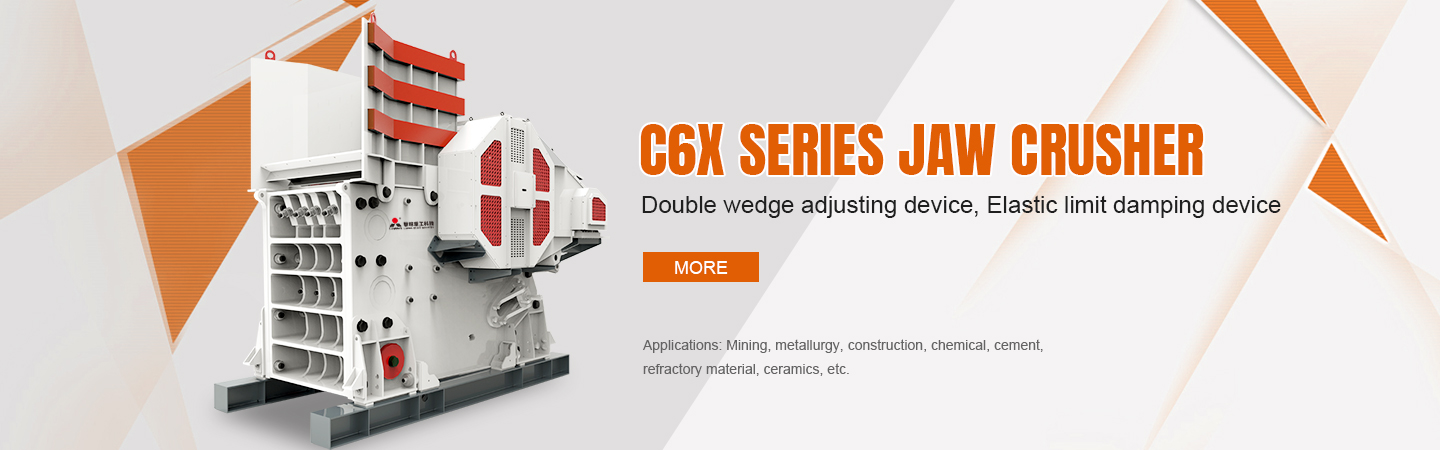
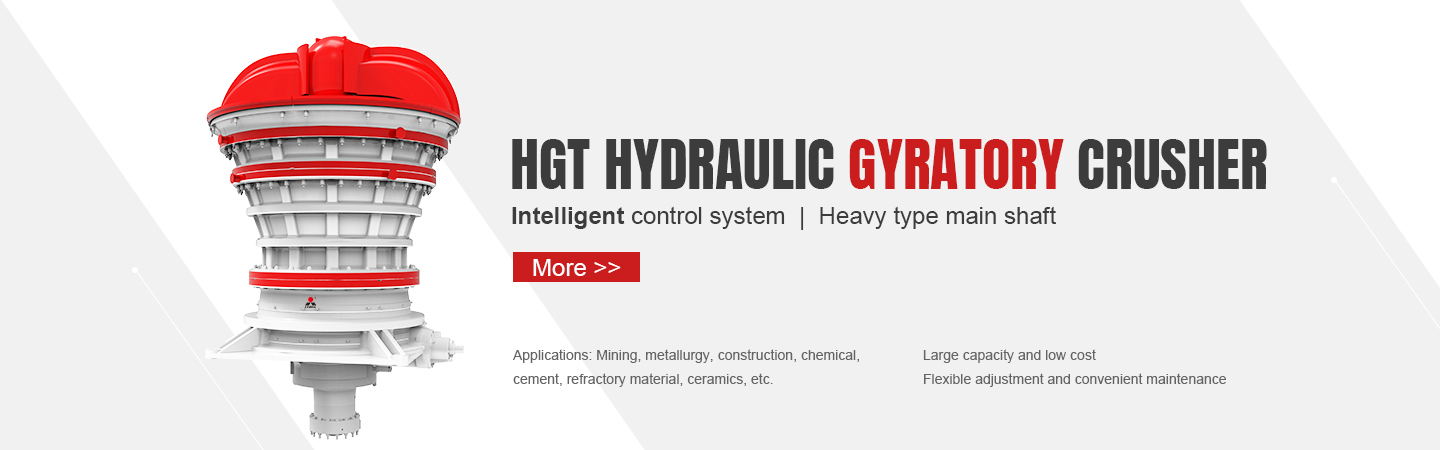
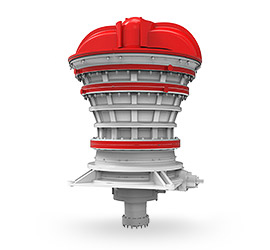
Crushing and sizing operations initiate the coal washing process, reducing run-of-mine coal to a consistent top size suitable for downstream processing. Primary and secondary crushers—typically jaw, gyratory, or roll types—ensure uniform feed to screening circuits. Vibrating screens, available in single- or multi-deck configurations, segregate coal by size, directing fractions to appropriate beneficiation paths.
Dense medium separation systems are pivotal for treating coarse coal (typically >6 mm). These employ a suspension of finely ground magnetite in water to achieve precise density separation. Cyclones or baths separate high-density refuse from clean coal, with medium recovery circuits ensuring magnetite reuse and minimizing operational costs. For similar size fractions, jigs offer a cost-effective alternative, utilizing pulsating water flow to stratify coal by density—lighter coal reports to the top and is removed as product.
Fine coal (−0.5 mm) processing relies heavily on froth flotation. Mechanical or column flotation cells exploit differences in surface hydrophobicity, where reagents enhance coal particle attachment to air bubbles. The resulting froth concentrate is dewatered via screen bowl centrifuges or vacuum filters. Disc, belt, or filter presses further reduce moisture in fine refuse or product coal, meeting shipping and combustion requirements.
Slurry transport underpins plant functionality, necessitating robust centrifugal or positive displacement pumps designed for abrasive, high-density slurries. Efficient dewatering and pumping reduce water consumption, aligning with environmental and operational sustainability goals.
Modern coal preparation plants integrate programmable logic controllers (PLCs) and supervisory control and data acquisition (SCADA) systems. These monitor feed rates, density, ash content, and equipment performance in real time, enabling rapid adjustments to optimize yield and quality. Advanced analytics and predictive maintenance algorithms minimize unplanned downtime and extend equipment life.
The selection of equipment must align with coal petrography, liberation characteristics, and product specifications. A holistic approach—balancing throughput, efficiency, reliability, and energy consumption—determines overall plant effectiveness.
Optimizing Performance Through Integrated Process and Equipment Selection
-
Integrated process and equipment selection is foundational to maximizing throughput, recovery, and operational efficiency in coal beneficiation. Optimization cannot be achieved by evaluating processes or equipment in isolation; synergistic alignment between the two ensures system-wide performance gains.
-
The feed coal’s washability characteristics—assessed via float-sink analysis—must directly inform process selection. For example, dense medium cyclones (DMCs) offer superior separation efficiency for near-gravity material, particularly when sharp density cuts are required. Jigs remain cost-effective for coarse, easy-to-wash coals but may underperform with high-ash fines. In such cases, froth flotation becomes essential, especially for -0.5 mm fractions, where surface chemistry dominates separation behavior.

-
Equipment must be matched not only to the process but also to the plant’s capacity and feed variability. High-tonnage operations benefit from modular DMC circuits with automated medium recovery systems, minimizing magnetite losses and stabilizing medium density. In contrast, smaller or mobile plants may favor jigs with integrated dewatering screens, reducing footprint and complexity.
-
Process integration must account for downstream unit operations. For instance, centrifuge selection—whether screen-bowl or solid-bowl—depends on final moisture targets and particle size distribution from upstream cleaning. Similarly, tailings management systems must be designed in parallel with the primary separation process to handle fluctuating slurry volumes and solids loading.
-
Real-time process control further enhances integration. Advanced sensors—such as online ash analyzers and density meters—enable dynamic adjustments to feed rate, medium density, or air flow in jigs, ensuring consistent product quality despite feed variations.
-
Maintenance and wear resistance are critical in equipment selection. Components exposed to abrasive slurries—e.g., pump impellers, cyclone liners—should utilize high-chrome alloys or ceramic composites to extend service intervals and reduce downtime.
-
Ultimately, optimal performance emerges from a holistic design approach: matching process physics to coal characteristics, aligning equipment capabilities with production demands, and embedding control and reliability considerations throughout the flowsheet. This integrated methodology ensures energy efficiency, maximizes yield, and secures long-term operational viability.
Frequently Asked Questions
What are the primary factors influencing the selection of a coal beneficiation process?
The selection of a coal beneficiation process depends on several critical factors including coal properties (ash content, sulfur content, particle size distribution), liberation characteristics of mineral matter, throughput requirements, environmental regulations, and economic feasibility. Additionally, the end-use application—whether for coking, power generation, or metallurgical processes—dictates the required product specifications and thus influences the choice between gravity separation, flotation, or more advanced methods.
How does coal floatability impact the choice between froth flotation and gravity separation?
Coal floatability, determined by surface hydrophobicity and particle size, is a decisive factor in selecting froth flotation over gravity separation. Fine coal particles (<0.5 mm) with high pyritic sulfur or clay content often respond better to froth flotation due to its ability to separate based on surface chemistry rather than density. Gravity methods like dense medium cyclones are ineffective for ultrafines, making flotation essential for efficient recovery in fine coal circuits.
What role does washability analysis (float-sink testing) play in process selection?
Washability analysis through float-sink testing provides a liberation curve (e.g., Tromp curve) that quantifies the distribution of ash and combustible material across density fractions. This data informs whether a sharp separation is achievable and guides the choice of process—e.g., dense medium separation for sharply washable coals versus multi-stage processing for difficult-to-wash coals. It is indispensable for circuit design and setting performance benchmarks.
Which equipment is most effective for coarse coal beneficiation (>6 mm)?
For coarse coal, dense medium baths (DMBs) or heavy medium baths are the most effective, offering high separation efficiency with controllable cut points between 1.3–1.8 g/cm³. These systems utilize magnetite suspension to achieve precise density separation, particularly suitable for run-of-mine coal with moderate to high ash content. Trommel screens and crushers are typically used upstream to size the feed.
Why are dense medium cyclones preferred for intermediate-size coal (0.5–6 mm)?
Dense medium cyclones (DMCs) are preferred for intermediate-size coal due to their high throughput capacity, sharp separation efficiency, and adaptability to variable feed qualities. DMCs use centrifugal force to enhance density-based separation in a magnetite slurry, achieving precise cut points with low near-gravity material misplacement. They are integral in modern preparation plants handling large volumes of 0.5–6 mm feed.
How is fine coal (<0.5 mm) typically beneficiated, and what are the latest advancements?
Fine coal is primarily beneficiated using froth flotation, which exploits differences in surface hydrophobicity. Advanced column flotation cells—such as Jameson cells or float-sizers—offer improved selectivity and lower energy consumption compared to conventional mechanical cells. Recent advancements include microbubble injection, improved reagent schemes (e.g., biodiesel-based collectors), and integration with dewatering technologies like disc filters and screen bowl centrifuges.
What are the advantages and limitations of air-based dry coal beneficiation?
Dry beneficiation using air jigs, air tables, or fluidized bed separators offers advantages in arid regions with water scarcity, eliminating slurry handling and dewatering costs. These systems are modular and quick to deploy but are generally less efficient than wet methods, particularly for fine coal or high-ash feed. Modern sensor-based sorting (e.g., XRT, NIR) enhances dry process accuracy by identifying and ejecting waste particles based on atomic density or composition.
How does particle size reduction impact liberation and equipment choice?
Effective size reduction via crushers and grinding mills is critical to liberate inorganic minerals from coal macerals. Over-grinding can produce slimes that impair downstream separation and increase reagent consumption, while under-grinding reduces liberation efficiency. Optimal sizing ensures maximum ash and sulfur rejection without generating excessive ultrafines—guiding the selection of roll crushers, hammer mills, or high-pressure grinding rolls (HPGR).
What equipment is used for dewatering and product handling in coal beneficiation?
Dewatering is achieved using a combination of equipment: vibrating screens for coarse product, screen bowl centrifuges for 0.5 mm–150 µm coal, and filter presses or disc vacuums for fine coal. Thermal dryers (e.g., rotary or fluid bed) may follow for moisture-sensitive markets. Modern plants integrate automated belt conveyors, stackers, and reclaimers with dust suppression and moisture control systems to ensure safe, efficient product handling.
How do plant throughput and scalability influence process and equipment selection?
High-throughput operations (>500 tph) typically favor continuous, robust systems like DMCs and large-scale flotation cells with automated control systems. Scalability considerations include modular design, ease of maintenance, and redundancy. For smaller or remote operations, compact technologies like mobile dense medium plants or dry modular units provide flexibility without compromising recovery efficiency.
What emerging technologies are improving coal beneficiation efficiency?
Emerging technologies include X-ray transmission (XRT) and laser-based sorting for pre-concentration, advanced process analytics using AI-driven modeling, and hybrid processes like oil agglomeration and electrostatic separation for ultrafine coal. Additionally, real-time ash analyzers and sensor-based ore sorting enable dynamic process adjustments, reducing variability and improving overall yield and quality control.
How is environmental compliance shaping equipment and process selection in modern coal prep plants?
Stringent environmental regulations drive adoption of closed-loop water circuits, ultrafine tailings dewatering (using paste thickeners and filter presses), and non-toxic reagents. Equipment choices increasingly prioritize low emissions, minimal water use (e.g., dry beneficiation), and mercury/sulfur reduction technologies. Compliance also encourages investment in reject reprocessing and carbon capture-ready preparation systems.