

Table of Contents
- Understanding the Mechanics of a Modern Crushing Plant Operation
- Step-by-Step Breakdown of the Crushing Process in Real-World Footage
- Types of Crushers Featured in Crushing Plant Videos and Their Functions
- Safety Measures and Operational Efficiency in Crushing Plant Environments
- How to Use Crushing Plant Videos for Training, Marketing, and Equipment Evaluation
- Frequently Asked Questions
- What is a crushing plant and how does it work in video demonstrations?
- How can a video of a crushing plant help in equipment selection?
- What key features should be analyzed in a crushing plant operation video?
- Are there standardized safety protocols shown in professional crushing plant videos?
- How do mobile crushing plant videos differ from stationary ones?
- What role does automation play in modern crushing plant videos?
- Can a video accurately depict crushing efficiency and output quality?
- How do crushing plant manufacturers use videos for technical training?
- What are the benefits of watching time-lapse videos of crushing plant assembly?
- How can vibration analysis be interpreted from crushing plant operation videos?
- Are there ISO-certified performance benchmarks shown in crushing plant videos?
- What should engineers look for in a crushing plant video to assess scalability?
Step into the powerful heartbeat of modern construction and mining—an industrial symphony where raw, unyielding stone is transformed into vital building blocks for the world around us. A crushing plant is not just machinery in motion; it’s a meticulously engineered process that turns massive boulders into precisely sized aggregates, ready to form the foundations of roads, bridges, and skyscrapers. Captured in high-definition video, the operation unfolds with striking clarity: massive excavators feed raw material into primary crushers, where colossal jaws and gyratory forces begin the breakdown. Conveyor belts snake through the facility, transporting fragments through secondary and tertiary stages, each pass refining the material further. Screens sort by size, dust is controlled, and final product streams out—consistent, usable, and essential. Watching a crushing plant in action offers more than visual spectacle; it reveals the precision, power, and innovation driving today’s aggregate industry. This is raw nature meeting human ingenuity—transformed, one ton at a time.
Understanding the Mechanics of a Modern Crushing Plant Operation
-
Primary crushing reduces run-of-mine material to a manageable size, typically using a jaw or gyratory crusher. Feed material enters via a vibrating grizzly feeder, which pre-screens fines and ensures consistent flow, minimizing surges that could overload downstream equipment.
-
Material then advances to secondary crushing, commonly performed by cone or impact crushers. These units refine the output from primary stages to meet tighter size specifications. Closed-side settings (CSS) are precisely calibrated to control product gradation, ensuring uniformity for subsequent processing.
-
Tertiary crushing may follow, particularly in high-precision operations requiring tightly controlled final product sizes. High-efficiency cone or vertical shaft impact (VSI) crushers are employed here, producing cubical, market-ready aggregates ideal for concrete or asphalt applications.
-
Screening is integrated at multiple stages. After each crushing phase, inclined or horizontal screens classify material by size. Oversize fractions are recirculated for re-crushing, while on-spec material proceeds. Multi-deck screens enable precise separation across several size fractions simultaneously, enhancing product quality and plant efficiency.
-
Conveying systems—typically belt conveyors—link each stage, enabling continuous material transport with minimal manual intervention. Drive systems are synchronized via programmable logic controllers (PLCs), maintaining optimal throughput and reducing bottlenecks.
-
Dust and noise suppression are engineered into the system. Enclosed transfer points, water spray systems, and baghouse dust collectors mitigate particulate emissions. Acoustic enclosures and strategic layout minimize noise propagation beyond permissible limits.
-
Plant automation integrates sensor networks, real-time monitoring, and remote diagnostics. Load cells, vibration sensors, and cameras feed data to a central control room, allowing operators to adjust parameters dynamically. Predictive maintenance algorithms analyze equipment health, scheduling interventions before failures occur.
-
Final product stockpiling uses radial stackers to form segregated, high-density piles. Automated slewing and luffing mechanisms enable precise placement, preserving product integrity and streamlining load-out operations.
-
Water recycling systems, where applicable, treat and recirculate process water, reducing environmental impact and operational costs. Silt separators and settling ponds ensure compliance with discharge regulations.
Modern crushing plants operate as tightly coordinated systems, where mechanical precision, automation, and environmental stewardship converge to convert raw bulk material into engineered construction resources with maximum efficiency and consistency.
Step-by-Step Breakdown of the Crushing Process in Real-World Footage
-
Raw material delivery begins the process, with dump trucks unloading blasted rock into a primary receiving hopper. The material, typically ranging from 0 to 1.5 meters in diameter, is fed via a vibrating grizzly feeder that pre-screens fines and ensures consistent flow.
-
Oversized rocks proceed to the primary crusher—usually a jaw or gyratory type—where compressive force reduces them to under 200 mm. This stage is critical for throughput efficiency and minimizing downstream wear. Real-world footage highlights the rhythmic motion of the jaw plate and the controlled discharge onto a conveyor belt.
-
A secondary cone crusher receives the material next, applying high compression within a closed chamber to achieve further size reduction. Adjusting the closed-side setting allows operators to target specific output gradations, typically between 10–50 mm, depending on end-use requirements.
-
At this point, a horizontal or inclined vibrating screen classifies the crushed product into multiple fractions. Oversize particles are diverted via return conveyors to the tertiary crusher—often another cone or impact crusher—for reprocessing. This closed-loop ensures consistent final product quality.
-
Fines and correctly sized aggregate proceed to stockpiling via radial stackers, organized into designated pads by size and specification. In footage, the stratified nature of stockpiles reflects precise material segregation, crucial for quality control and batch consistency.
-
Throughout the process, dust suppression systems, including water sprays and baghouses, mitigate airborne particulates, ensuring compliance with environmental and safety standards. Real-time monitoring via onboard sensors and SCADA systems allows for immediate adjustments to feed rate, crusher settings, and screen efficiency.
-
The entire operation emphasizes reliability, energy efficiency, and minimal downtime. Footage captures maintenance crews performing routine inspections on liners, bearings, and conveyor idlers during planned shutdowns, underscoring the importance of preventive upkeep.
-
Final product is loaded out via front-end loaders or reclaim tunnels for transport to construction sites, asphalt plants, or concrete batching facilities. The transformation from raw, blasted rock to precisely graded aggregate is a testament to engineered precision, operational discipline, and advanced material handling technology.
Types of Crushers Featured in Crushing Plant Videos and Their Functions
-
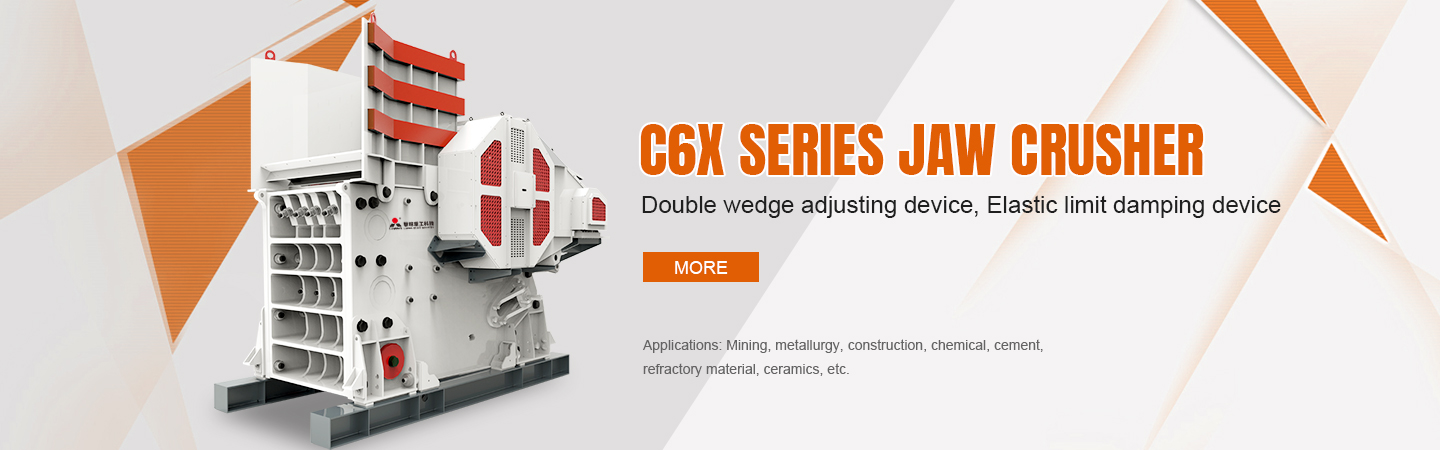
Jaw Crusher
Primary crushing begins with the jaw crusher, designed to reduce large boulders into manageable sizes. Utilizing compressive force, a fixed and a movable jaw exert pressure on raw material until it fractures. This robust machine handles high-volume feed and excels in processing hard, abrasive feedstock such as granite and basalt. Its simplicity, reliability, and high reduction ratio make it indispensable in primary stages. -
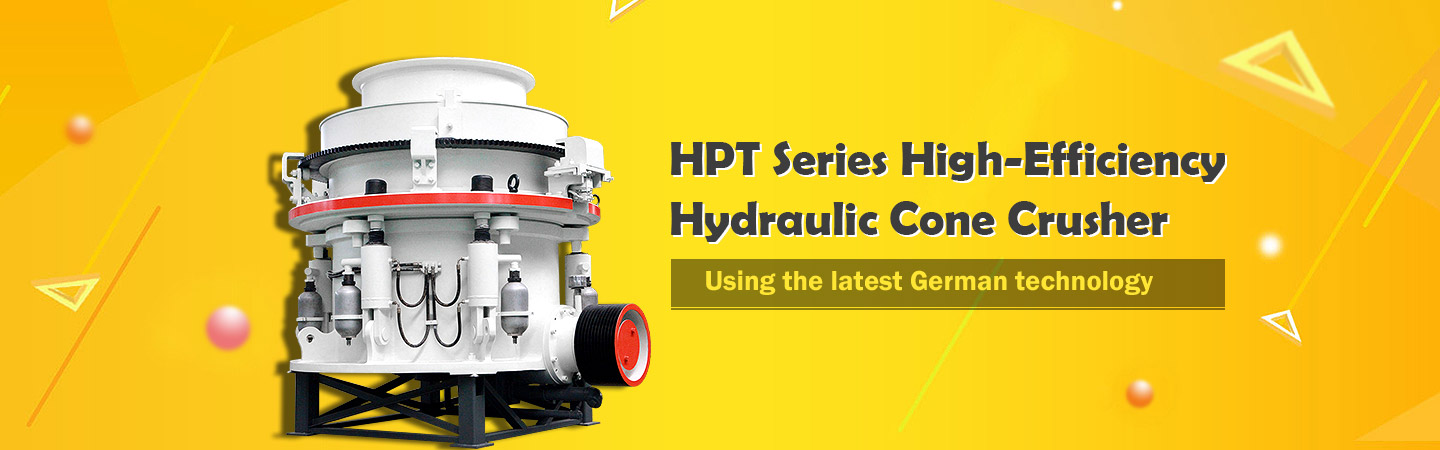
Cone Crusher
Positioned after the jaw crusher, the cone crusher performs secondary or tertiary crushing. It operates by compressing material between a rotating mantle and a stationary concave liner. Ideal for medium to high hardness materials, it delivers consistent, cubical output with minimal fines. Modern units feature hydraulic adjustment and overload protection, enabling precise control over product size and enhanced operational safety. -
Impact Crusher
Employed in both secondary and tertiary applications, the impact crusher uses high-speed impact to shatter material against a wear plate. Horizontal shaft impactors (HSI) are favored for softer, non-abrasive materials like limestone, producing a uniformly shaped final product. Vertical shaft impactors (VSI), used in advanced stages, refine particle shape for high-specification aggregates, making them critical in ready-mix concrete and asphalt production. -
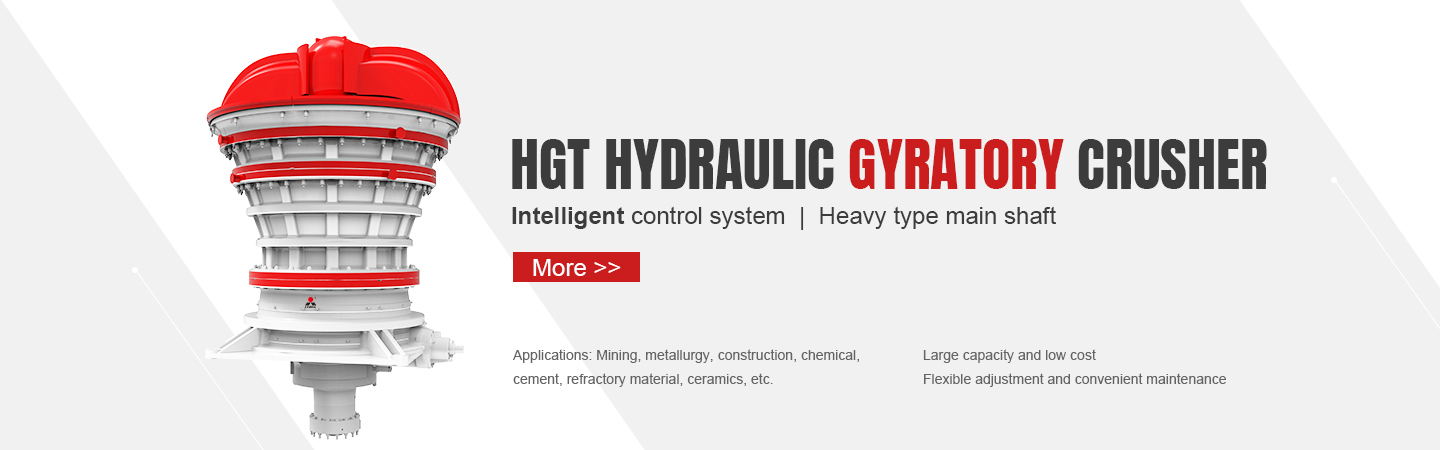
Gyratory Crusher
Functionally similar to the jaw crusher but with a conical head rotating eccentrically within a concave bowl, the gyratory crusher processes large feed sizes at high throughput rates. Commonly used in large-scale mining operations, it offers continuous operation and uniform product gradation, though with higher initial cost and maintenance demands. -
Roll Crusher
Used for fine crushing and sizing, roll crushers operate by compressing material between two counter-rotating rolls. They are suited for low to medium hardness materials and provide precise control over output size, particularly in coal, mineral, and chemical processing applications. While limited in capacity compared to other types, their ability to produce minimal fines is advantageous in specialty applications.
Each crusher type serves a defined role in the crushing circuit, selected based on feed characteristics, desired output, and production scale. The integration of these machines ensures optimal size reduction, energy efficiency, and product quality across diverse raw material processing environments.
Safety Measures and Operational Efficiency in Crushing Plant Environments
-
Implementing robust safety protocols is non-negotiable in crushing plant operations, where high-energy machinery, elevated noise levels, and continuous material handling present inherent risks. A comprehensive safety framework begins with engineering controls such as emergency stop systems, guarding on moving parts, and dust suppression mechanisms to mitigate inhalation hazards from fine particulates. These are augmented by administrative controls including mandatory lockout/tagout (LOTO) procedures during maintenance, routine equipment inspections, and strict access zoning to prevent unauthorized entry into high-risk areas.
-
Personal protective equipment (PPE) remains a critical last line of defense. Operators must be equipped with hearing protection, impact-resistant helmets, safety eyewear, steel-toed boots, and respiratory protection where air quality standards fall below acceptable thresholds. Regular training programs ensure personnel remain proficient in hazard recognition, emergency response, and adherence to site-specific safety policies. Digital monitoring systems, including vibration sensors and thermal imaging, enable real-time equipment diagnostics, reducing the need for manual intervention near active machinery.
-
Operational efficiency is tightly interwoven with safety performance. Well-maintained crushers, feeders, and conveyors minimize unplanned downtime and reduce the likelihood of cascading failures. Automation plays a pivotal role—variable frequency drives (VFDs), automated belt tracking, and real-time feed control optimize throughput while reducing mechanical strain and energy consumption. Centralized control rooms allow operators to monitor multiple processes remotely, enhancing situational awareness and reducing exposure to hazardous zones.
-
Dust management is both a safety and efficiency imperative. Enclosed conveyor systems, water sprays, and baghouse filters not only comply with environmental and occupational health standards but also protect sensitive mechanical components from abrasive wear. Effective housekeeping protocols prevent material buildup, which can lead to fire hazards or conveyor misalignment.
-
Preventive maintenance scheduling, supported by predictive analytics, ensures components are serviced before failure occurs. This proactive approach increases equipment lifespan, maintains consistent product gradation, and reduces safety incidents related to mechanical breakdowns. Ultimately, a culture that prioritizes safety as a core operational value directly correlates with sustained productivity, regulatory compliance, and long-term viability in aggregate processing environments.
How to Use Crushing Plant Videos for Training, Marketing, and Equipment Evaluation
-
Utilize crushing plant videos to standardize operator training by capturing real-world operational sequences, safety protocols, and equipment response under variable feed conditions. High-resolution footage enables frame-by-frame analysis of crusher feed alignment, conveyor transitions, and screening efficiency, allowing trainees to recognize optimal performance indicators and fault patterns without disrupting live operations.
-
Integrate time-lapse and drone-mounted video to demonstrate material flow from extraction to final product classification. This macro-level perspective enhances understanding of plant layout efficiency and inter-process dependencies, particularly valuable for new engineers and maintenance teams tasked with optimizing throughput.
-
For marketing, curate professionally edited videos that emphasize precision, reliability, and scalability. Highlight key differentiators such as low downtime, energy efficiency, and automated control systems. Include on-screen metrics—tons per hour, power consumption, particle size distribution—to substantiate performance claims. Distribute through digital channels with targeted annotations to appeal to quarry managers, EPC contractors, and aggregate buyers.
-
Conduct equipment evaluations by recording comparative runs of different crusher models or configurations under identical feed conditions. Synchronize video with sensor data (vibration, temperature, amperage) to correlate visual behavior with mechanical performance. This multimodal assessment reveals subtle inefficiencies—such as uneven liner wear or choke feeding—that may not surface in standard reports.
-
Archive video logs with metadata tags (date, feed type, crusher settings, operator) to build a searchable performance library. Over time, this repository supports predictive maintenance planning and provides empirical evidence during equipment audits or vendor negotiations.
-
Ensure all videos comply with site safety and data governance policies. Avoid filming during non-routine interventions unless explicitly staged for training. Use anonymized audio and blur sensitive control interfaces when sharing externally.
-
Leverage 360-degree cameras at critical junctions—primary crusher inlet, screening deck, transfer points—to enable immersive review. When paired with VR headsets, these videos offer experiential learning unmatched by static diagrams.
When executed with technical rigor, video documentation transcends passive observation, becoming a strategic asset in operational excellence, stakeholder engagement, and capital decision-making within aggregate processing environments.
Frequently Asked Questions
What is a crushing plant and how does it work in video demonstrations?
A crushing plant is an industrial setup used to reduce large rocks into smaller aggregates through mechanical processes involving jaw crushers, cone crushers, impact crushers, and screens. Video demonstrations illustrate the operational flow—from feeders delivering raw material, primary and secondary crushing stages, to vibrating screens separating output by size—providing visual insight into throughput efficiency, component integration, and real-time performance metrics.
How can a video of a crushing plant help in equipment selection?
A video of a crushing plant showcases machine configurations, material handling dynamics, and operational efficiency under real conditions, enabling engineers and procurement specialists to evaluate suitability for specific applications. High-resolution footage can highlight wear part durability, ease of maintenance, and automation integration, supporting data-driven decisions when comparing mobile versus stationary plants or brand-specific models.
What key features should be analyzed in a crushing plant operation video?
Experts recommend analyzing feed uniformity, crusher choke feeding, screen stratification, dust suppression systems, and real-time output consistency in operation videos. Additionally, close-ups of safety interlocks, lubrication points, and control panel interfaces offer insight into compliance, reliability, and operator usability—critical factors in assessing long-term operational costs.
Are there standardized safety protocols shown in professional crushing plant videos?
Yes, authoritative crushing plant videos often demonstrate adherence to ISO 21873, OSHA, and other regulatory standards, featuring lockout-tagout (LOTO) procedures, emergency stop systems, noise and dust mitigation, and personnel exclusion zones. These visual benchmarks help assess whether a plant design aligns with industrial safety best practices, especially in high-risk environments.
How do mobile crushing plant videos differ from stationary ones?
Mobile crushing plant videos emphasize relocation speed, on-site maneuverability, onboard power units, and quick setup times, highlighting hydraulic folding components and remote-controlled operation. In contrast, stationary plant videos focus on foundation integrity, high-capacity conveyors, integrated washing systems, and multi-stage processing—critical differentiators for project duration and scalability.
What role does automation play in modern crushing plant videos?
Videos of advanced crushing plants showcase PLC-based control systems, real-time telemetry (e.g., vibration, temperature, hydraulic pressure), predictive maintenance alerts, and remote monitoring via SCADA interfaces. These features improve uptime, optimize crusher settings dynamically, and reduce human error—key performance indicators emphasized in expert installations.
Can a video accurately depict crushing efficiency and output quality?
Yes, well-produced crushing plant videos often include split-screen comparisons, particle size analysis overlays, and side-by-side aggregate output trays categorized by gradation. Expert-level footage may incorporate feed rate data, tonnage counters, and screen efficiency percentages to quantifiably demonstrate compliance with ASTM or EN standards for construction-grade aggregates.
How do crushing plant manufacturers use videos for technical training?
Manufacturers produce annotated process flow videos with callouts on lubrication schedules, wear part replacement procedures, and failure mode analysis. These serve as standardized training tools for operators and maintenance teams, ensuring consistent knowledge transfer across geographies and reducing commissioning or troubleshooting time.
What are the benefits of watching time-lapse videos of crushing plant assembly?
Time-lapse videos compress complex assembly sequences into digestible visuals, revealing modular design logic, alignment tolerances, and crane positioning strategy. For project planners and site supervisors, these insights improve logistical forecasting, manpower allocation, and commissioning timelines—especially for turnkey installations in remote locations.
How can vibration analysis be interpreted from crushing plant operation videos?
While raw videos don’t provide data streams, high-speed recordings or supplementary analytics overlays can help experts identify abnormal vibrations by observing belt alignment, conveyor deflection, and foundation resonance. When paired with audible frequency indicators or thermal imaging, these videos support condition-based maintenance strategies.
Are there ISO-certified performance benchmarks shown in crushing plant videos?
Top-tier manufacturers include ISO 9001 and ISO 14001 compliance markers in their videos, such as documented calibration logs, emission control systems, and energy consumption metrics. These serve as third-party validated benchmarks for performance consistency, environmental responsibility, and quality assurance in aggregate production.
What should engineers look for in a crushing plant video to assess scalability?
Engineers should assess modularity—evidenced by expandable conveyor extensions, auxiliary screening units, and parallel crushing lines—as well as integration capacity with feeders, stackers, and wash plants. Videos demonstrating rapid reconfiguration for different feed materials or output specs indicate scalable design optimized for diverse operational demands.